
Dr. Dre: Is the Chronic King Plotting One Last Big Move?
24.02.2026 - 13:21:22 | ad-hoc-news.de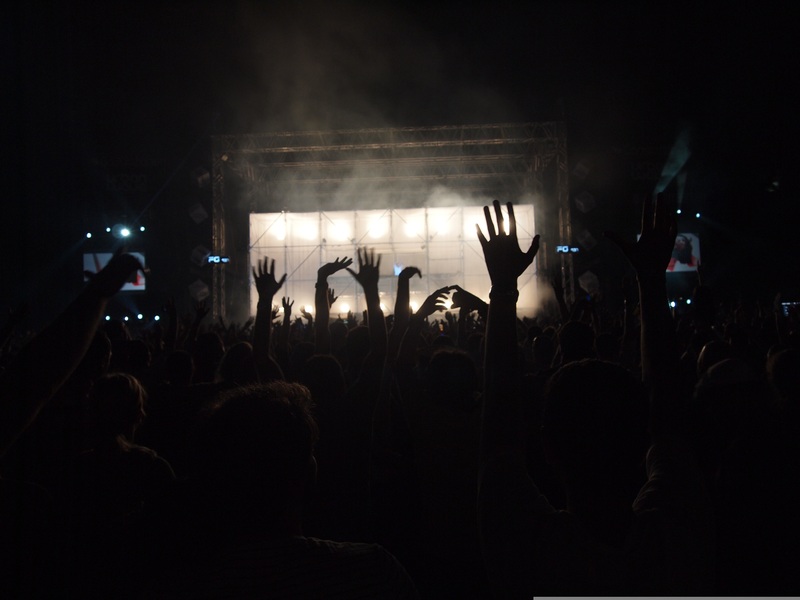
If you feel like Dr. Dre has been everywhere in your feed again, you're not imagining it. Between anniversary chatter around his classic albums, whispers of new studio sessions in L.A., and fans begging for one final massive project, the buzz around Dre is getting too loud to ignore. Old heads are revisiting The Chronic, Gen Z is discovering him through TikTok edits and GTA clips, and the question hanging over everything is simple: what is Dr. Dre planning next?
Tap into Dr. Dre's official world here
You can feel the tension in the fandom. This is the architect behind N.W.A, the producer who turned Snoop Dogg, Eminem, 50 Cent and Kendrick Lamar into cultural events, the perfectionist who makes you wait a decade for an album and then changes the entire sound of rap. Whether you're a day-one fan or a TikTok-era listener, what Dre does next still matters. A lot.
The Backstory: Breaking News in Detail
Here's what you need to understand: Dr. Dre moves in long cycles. He's not the kind of artist who drops a project every year just to stay in playlists. When there's noise around Dre, it usually means something significant is cooking behind the scenes.
In recent months, industry chatter has locked onto a few key threads. First, there's been talk from collaborators and engineers about long studio nights at Dre's spots in Los Angeles – the kind of sessions that usually lead to big, carefully curated releases instead of quick singles. People close to him keep hinting at "heavy" new music on the drives, the kind of comment that has fans zooming in on every Instagram Story and studio background detail.
There's also the legacy layer. Milestones for The Chronic and 2001 keep sparking new thinkpieces, podcasts and deep dives. These anniversaries aren't just nostalgia; they're recalibrating how younger fans see Dre, not just as a name on a headphone brand, but as the guy who literally reshaped how hip-hop drums hit and how West Coast rap feels. Whenever those anniversaries roll around, labels and rights holders start plotting remastered editions, deluxe vinyl, and potentially unreleased tracks from the vault.
On the live side, Dre has kept shows rare and carefully chosen. His massive, widely praised Super Bowl Halftime appearance with Snoop Dogg, Eminem, Mary J. Blige, Kendrick Lamar and 50 Cent reminded everyone that a Dre-curated set still feels like an event. That performance re-sparked global interest, especially among younger fans who knew the songs from memes and games but had never seen them performed with that kind of scale and precision.
Why does all of this matter for you as a fan right now? Because Dre is a known perfectionist. He doesn't randomly step into the spotlight unless there's a strategy. When you take:
- The studio rumors,
- The constant anniversary attention,
- The still-huge cultural pull of his classic albums,
- And the fact that hip-hop is in a "back to bars and beats" mood again,
you end up with a perfect storm of conditions for a big move: a curated project, a limited run of huge live shows, or a high-profile collaborative release with the next wave of artists.
For fans, the implication is clear. If you care about Dre – or about the type of cinematic, heavy, low-end rap he helped define – this feels like one of those "pay attention or you'll miss a moment" windows. His output may be slow, but historically, when he locks in, hip-hop tends to shift around him.
The Setlist & Show: What to Expect
When Dr. Dre touches a stage, you're not just getting a straightforward "hits" show. You're getting something more like a live documentary of West Coast rap, with Dre in the middle like a conductor. Even rare appearances or festival-style performances tend to orbit the same core spine of songs – because these aren't just tracks, they're cultural markers.
Expect the energy to skyrocket the moment those opening notes from "The Next Episode" hit. That synth line is a generational handshake at this point; millennials remember it from music TV and early YouTube, Gen Z know it from TikTok, memes and edits. Following that, you can usually count on some combination of:
- "Still D.R.E." – the anthem, the piano line, the chest-thumping crowd roar when everyone screams "Guess who's back" in unison.
- "Nuthin' But a 'G' Thang" – that smooth G-funk glide that instantly turns the venue into a backyard party, no matter the size.
- "Forgot About Dre" – the moment the tempo jumps and the crowd attempts (and mostly fails) to keep up with Eminem's verse.
- "California Love" – usually a tribute moment, with archival visuals or shoutouts to 2Pac, and a full-venue singalong on the hook.
- "Still D.R.E." (Reprise) or variations – that piano riff is too iconic not to circle back to, sometimes with extended outros or crowd-participation breakdowns.
Beyond the obvious hits, Dre shows often work as showcases for the artists he helped build. Imagine Snoop sliding in for "Gin and Juice" or "Ain't Nuthin' But a G Thang", Eminem storming the stage for "Forgot About Dre", or a surprise Kendrick appearance on "The Recipe" or "Compton" cuts. Even when you don't know the exact guest list, you can assume a Dre-curated line-up means high-level cameos and a tight, story-like structure.
Sonically, Dre's live production usually leans into what made his studio work legendary: thick, tuned low end, crisp snares that cut through massive sound systems, and arrangements that feel cinematic. You're likely to hear reworked intros, extended bridges, and slight re-arrangements that open space for crowd chants. This isn't a "press play and rap over the track" type of show; it's engineered to feel big, clean, and intentional.
Visually, expect LED-heavy staging with West Coast iconography: palm trees, lowriders, L.A. skylines, and archival footage from different eras of Dre's career. Old N.W.A clips might bleed into The Chronic artwork, which then blurs into the metallic futurism of 2001. The message is always the same: this is a story about evolution, survival, and reinvention, told through basslines and hooks.
One underrated part of a Dre-adjacent show is the crowd itself. You get everyone: 90s heads in throwback jerseys, 2000s kids who burned 2001 onto every blank CD they owned, plus younger fans who met Dre's sound through Kendrick, GTA soundtracks, or TikTok remixes of "Still D.R.E.". That mix creates a strange but beautiful energy – people who grew up on cassette tapes standing next to fans who only know these songs in 60-second vertical clips, all yelling the same lyrics. If you end up at a Dre performance or a Dre-curated event, expect phones up for the hits, but also real, full-body reactions when those first G-funk chords roll in.
What the web is saying:
Rumor Mill: What Fans Are Speculating
Spend ten minutes on Reddit or TikTok and you'll see it: fans are convinced Dr. Dre has another move up his sleeve, and the theories get wild.
On Reddit hip-hop threads, one of the biggest ongoing debates is about the legendary, never-released Detox project. Some fans think it's gone forever, scraps melted into later work like Compton. Others swear there's a hard drive somewhere in Dre's studio with nearly finished tracks, just waiting for the right moment. When producers or writers casually mention "old Detox ideas" in interviews, Reddit lights up with speculation that Dre might do what artists like Kanye or Frank Ocean have flirted with: drop a museum piece-style album that documents a lost era, even if it doesn't feel like a brand-new statement.
Another popular theory: a final, fully curated Dre-era showcase tour. Think of it less like a traditional artist tour and more like a live anthology – Dre on stage as host, musical director, and occasional performer, pulling out sets from Snoop, Eminem, 50 Cent, maybe even a younger generation like Anderson .Paak or Kendrick. Fans point to the energy of the Super Bowl halftime show as proof that the demand is there. The argument is basically, "If that 15-minute set shut down the internet, imagine what 90 minutes or a full night could do."
There are also TikTok-fueled theories around collabs. Short clips using Dre classics as soundtracks regularly rack up millions of views, and younger creators keep pairing his beats with newer rap voices. That, plus occasional studio photos and guest-list leaks, has led some fans to guess that Dre could be quietly executive-producing a younger artist's project, using his brand to frame a "next generation" moment instead of dropping a project under his own name.
Then there are the more emotional conversations. Some fans worry that, given how private and meticulous Dre is, we might never get another full studio album from him – that he'll just appear sporadically on collaborations and live events. That anxiety actually fuels a lot of the hype: people want to be locked in and paying attention if he decides to put a period on one of the most influential careers in rap.
There are also practical fan concerns: if any kind of Dre-curated tour does happen, tickets are almost guaranteed to be expensive and sell out quickly. Reddit threads already pre-argue about whether the prices would be "worth it" if the line-up is stacked with legends. Some say they'd pay festival-level money just to hear "Still D.R.E." with live keys and a full band. Others are hoping for at least a few more accessible city dates, maybe in secondary markets, not just L.A., London and New York.
Underneath the noise, one thing is clear: fans still care deeply about anything Dre does. They break down snippets, over-analyze cryptic quotes from collaborators, and search for hidden meaning in every studio selfie. Whether or not we get a full "last album" or "last tour," the emotional investment is still high – and that's rare for an artist who's been relevant across three-plus decades.
Key Dates & Facts at a Glance
- Stage Name: Dr. Dre
- Real Name: Andre Romelle Young
- Origin: Compton, California, USA
- Breakthrough Group: N.W.A, late 1980s
- Classic Solo Debut: The Chronic – originally released in the early 1990s, widely seen as the project that brought G-funk and West Coast rap to the mainstream.
- Follow-up Landmark Album: 2001 – late 1990s release, home to "Still D.R.E.", "The Next Episode", "Forgot About Dre" and more.
- Soundtrack / Concept Album: Compton – mid-2010s release inspired by the N.W.A biopic, featuring appearances from Kendrick Lamar, Anderson .Paak and others.
- Signature Songs You're Likely to Hear Live: "Still D.R.E.", "The Next Episode", "Nuthin' But a 'G' Thang", "California Love", "Forgot About Dre".
- Key Collaborators: Snoop Dogg, Eminem, 50 Cent, Kendrick Lamar, Anderson .Paak, Mary J. Blige and many more.
- Core Role in Hip-Hop: Producer, rapper, label architect (Aftermath), and talent scout behind multiple superstar careers.
- Known For: Clean, heavy, meticulously mixed beats; cinematic arrangements; turning local West Coast sounds into global rap standards.
- Official Website: https://www.drdre.com
FAQ: Everything You Need to Know About Dr. Dre
Who is Dr. Dre and why is he such a big deal in music?
Dr. Dre is one of the most influential figures in hip-hop history – not just as a rapper, but as a producer and architect of entire sounds. He started out as a DJ in Los Angeles, joined the trailblazing group N.W.A, and helped bring uncompromising West Coast street rap into the mainstream. From there, he built a solo career with albums like The Chronic and 2001, both of which reshaped how rap drums, synths and basslines could feel on big systems.
Beyond his own records, Dre's impact runs through the artists he championed. He bet early on Snoop Dogg, helped launch Eminem to global fame, co-signed 50 Cent during a pivotal moment for 2000s rap, and later stood behind artists like Kendrick Lamar and Anderson .Paak. When you zoom out, Dre isn't just part of hip-hop history; he's one of the main reasons it sounds the way it does today.
What kind of music does Dr. Dre actually make?
Dre's core lane is hard-hitting, cleanly produced hip-hop with a heavy West Coast flavor. Think thick, subby bass; sharp, almost surgical drums; and melodies that stick in your head after one listen. In the early days, that meant G-funk – slow-rolling beats, talkbox hooks, and lush synth lines on tracks like "Nuthin' But a 'G' Thang." By the time he dropped 2001, his sound had evolved into a darker, more cinematic vibe, with orchestral touches and glossier sonics.
He also has a talent for framing other artists. On songs like "Forgot About Dre" or "Still D.R.E.", notice how the beats give each rapper room to breathe. Dre isn't just making instrumentals; he's building environments that make voices, flows and hooks feel bigger than life. If you like clean, punchy, "expensive-sounding" rap, you're probably reacting to things Dre either pioneered or heavily influenced.
Is Dr. Dre more of a rapper or a producer?
Technically, he's both – but his legendary status comes mostly from his work behind the boards and as a curator. As a rapper, Dre has memorable verses and a distinctive, authoritative voice. But even fans who can't quote his lyrics by heart can instantly recognize his production style. His drums, his sense of space, his ear for hooks and collaborators – that's the real core of his legacy.
In a way, Dre is more like a director in film. Sometimes he's on screen (on the mic), sometimes he stays behind the camera (as producer or executive producer), but his fingerprints are on the story either way. A Dr. Dre credit on a project usually signals a certain level of quality control and attention to detail, even if he only appears on a couple of tracks.
Will Dr. Dre release another album?
This is the million-streams question, and the honest answer is: no one outside his tightest circle truly knows. Dre has talked for years about the long-rumored project Detox, and then later implied that the version fans wanted might never come out. Instead, he surprised people with Compton, a soundtrack-style album connected to the N.W.A biopic that felt more like a snapshot of where his sound had evolved.
Could he drop another full-length under his own name? It's possible. He clearly still spends serious time in the studio, and collaborators keep hinting there's powerful unreleased material. But even if we never get another "traditional" Dr. Dre album, it wouldn't mean the end of his influence. He could just as easily reshape the scene again by executive-producing someone else's project, rolling out a collection of collaborations, or doing a high-concept retrospective release built from his vaults.
Is Dr. Dre touring or performing live any time soon?
Dre is famously selective about live appearances. You don't see him on the festival circuit every year, and he doesn't do endless tour legs just to be visible. Instead, he tends to show up for events that feel historic: blockbuster festival sets, tightly produced multi-artist shows, or one-off performances around big cultural moments.
That's part of why fans keep speculating about a possible "final era" of live shows – something special, curated, and limited. If that ever gets announced, it would likely sell out quickly and carry a premium price tag, simply because you don't get that many chances in a lifetime to see a properly produced Dre-led show. For now, the best move is to keep an eye on his official channels and be ready to move fast if anything major drops.
How has Dr. Dre influenced newer artists and today's sound?
You can hear Dre's influence in a few obvious places: the clean mix standards that modern rap chases, the way producers stack pianos and strings over big drums, the idea of a "producer as brand" who can launch artists and entire label movements. Artists like Kendrick Lamar have shouted him out directly, and you can trace Dre's fingerprint in how Kendrick albums are sequenced and mixed – cinematic, narrative-driven, but still banging in the car.
Beyond specific sounds, Dre helped define how a producer can move in the industry. He showed that producers could build empires, from labels to tech ventures, while still being creative forces. When you see producer-tags and producer-led albums now, there's a line running back to Dre making his own name as big as the rappers he worked with.
Where should a new fan start with Dr. Dre's music?
If you're new to Dre, start with 2001. It's packed with songs you've almost definitely heard before – "Still D.R.E.", "The Next Episode", "Forgot About Dre" – and it still sounds huge on modern speakers. From there, circle back to The Chronic to understand the G-funk era and where that warm West Coast feel came from.
After that, dive into his work as a producer and collaborator: Snoop Dogg's early records, Eminem's breakthrough era, 50 Cent's first album, and the Compton project that brought in Kendrick and Anderson .Paak. You'll start to hear the through-line: thunderous drums, clear sonics, smart use of hooks, and a sense that every detail in the mix is there on purpose.
If you care about how rap grew from local subculture to global mainstream, understanding Dr. Dre isn't optional. It's part of the core curriculum.
Hol dir den Wissensvorsprung der Aktien-Profis.

Seit 2005 liefert der Börsenbrief trading-notes verlässliche Trading-Empfehlungen – dreimal die Woche, direkt ins Postfach. 100% kostenlos. 100% Expertenwissen. Trage einfach deine E-Mail Adresse ein und verpasse ab heute keine Top-Chance mehr.
Jetzt abonnieren.


