Dow Jones: Hidden Crash Risk Or Once-In-A-Decade Buy-The-Dip Opportunity?
15.02.2026 - 14:57:38 | ad-hoc-news.de
Get the professional edge. Since 2005, the 'trading-notes' market letter has delivered reliable trading recommendations – three times a week, directly to your inbox. 100% free. 100% expert knowledge. Simply enter your email address and never miss a top opportunity again. Sign up for free now
Vibe Check: The Dow Jones is moving in a tense, choppy range, swinging between sharp relief rallies and sudden pullbacks. No clean breakout, no full-on crash yet – just a nervous, tactical battlefield where every headline on the Fed, inflation, or big-tech earnings can flip sentiment in minutes.
Want to see what people are saying? Check out real opinions here:
- Watch live Dow Jones trading streams and real-time trader reactions on YouTube
- Scroll the latest Wall Street chart art and sentiment shifts on Instagram
- Binge viral TikTok strategies on Dow, US30 and index investing hacks
The Story: Right now, the Dow Jones Industrial Average is trading like a heavyweight fighter in the late rounds – tired, cautious, but still dangerous. The big theme on Wall Street is simple: can the US economy pull off a soft landing, or are we sleepwalking into a blue-chip slowdown that the Dow is quietly pricing in?
The narrative coming out of the big US market desks revolves around four pillars:
- Fed Policy & Rates: Traders are laser-focused on when the Federal Reserve will finally pivot from restrictive to supportive. The market is constantly repricing how many rate cuts are realistic this year. Every speech from Jerome Powell can trigger an aggressive intraday move in the index.
- Inflation Data (CPI/PPI): Inflation is no longer in full-on crisis mode, but it is still sticky enough to keep the Fed cautious. Hotter-than-expected CPI or PPI readings revive fear that rates might stay elevated for longer, which tends to pressure the Dow’s rate-sensitive industrials and dividend-heavy blue chips.
- Earnings Season for Dow Giants: The Dow is packed with megacaps from financials, industrials, healthcare, and consumer names. When these companies report, the index doesn’t just move – it gaps. Strong earnings with upbeat guidance fuel relief rallies; weak forward outlooks trigger sharp, sudden dips.
- Recession Fears vs. Soft Landing: The macro data is mixed. Labor markets are cooler but not collapsing, GDP is moderating, and consumer confidence is wobbling but not in free fall. This is exactly the type of environment where the Dow can look resilient on the surface while under the hood there is a slow, grinding repricing of long-term growth expectations.
On social media, the split is brutal: one camp is screaming "Dow crash incoming" and posting charts comparing today to pre-crisis peaks, while another camp is preaching "this is just a healthy correction in a long-term bull market" and calling every red day a buy-the-dip gift. Smart traders are not married to either extreme – they are trading the volatility.
Deep Dive Analysis: To really understand what the Dow is doing, you have to zoom out from the candles and look at the macro plumbing beneath the surface: bond yields, the US dollar, and sector rotation.
Bond Yields – The Invisible Hand Behind Every Candle
US Treasury yields are the oxygen line for the entire market. When yields climb aggressively, the discount rate on future cash flows rises, and investors punish anything with long-duration earnings. For the Dow, this hits high-multiple industrials, growth-sensitive financials, and even defensive names that compete with bonds as income plays.
When yields ease off, the pressure valve opens. Suddenly defensive blue chips look attractive again, dividend payers get love, and the fear that "cash is king" fades a bit. That is why days with a sharp drop in yields often show broad-based strength in the Dow, while spikes in yields tend to correspond with red candles and risk-off flows.
The Dollar Index – Global Money Flow Shockwave
The US dollar is more than a currency; it is a risk barometer. A strong dollar tightens financial conditions globally, especially for emerging markets and multinational Dow components that earn a big chunk of their revenue overseas. A firmer dollar can squeeze margins, translate foreign earnings into weaker reported numbers, and reduce global liquidity appetite.
Conversely, a softer dollar generally supports risk assets. It makes US exports more competitive, boosts the translated earnings of big global names in the Dow, and encourages international investors to allocate more capital into US equities. That is why the Dow often reacts not only to US data, but also to global currency moves triggered by European Central Bank or Bank of Japan policies.
Macro Economics – Growth, Inflation, and the Consumer
The Dow is more old-school economy than the Nasdaq. It breathes industrial production, freight volumes, consumer spending, corporate capex, and credit conditions. Three macro angles matter most right now:
- Growth Momentum: If leading indicators like manufacturing surveys, new orders, and business investment soften too much, the Dow tends to underperform, signaling mounting recession risk.
- Consumer Strength: Big Dow names in consumer, retail, and financials depend on a still-spending US consumer. Signs of rising credit card delinquencies, shrinking savings, or weak retail sales hit the index hard.
- Corporate Margins: Sticky wage costs, elevated input prices, and higher interest expenses collide with slower revenue growth. When margins get squeezed, guidance is cut, and the Dow’s old-guard companies are repriced downward.
Sector Rotation – Tech Hype vs. Industrial Muscle
The Dow is not a pure tech index, but large tech-adjacent names still matter. Lately, the tug-of-war has been between these buckets:
- Tech & Communication Names: When the market is chasing growth narratives and AI buzz, these names provide an upside kicker to the Dow. But they are also vulnerable when yields rise and traders rotate into value.
- Industrials & Materials: These stocks are the heartbeat of the Dow. They love strong global demand, infrastructure spending, and stable financing conditions. Any signal of slowing global trade or delayed capex programs can trigger sharp downmoves here.
- Energy: Energy exposure in the Dow acts like a hedge against geopolitical shocks and inflation spikes. When oil prices jump on supply fears or conflict headlines, energy can hold the index up even as other sectors sag.
- Financials: Banks and insurers in the Dow react heavily to the yield curve. A steepening curve can be supportive, but fears about credit quality or regulatory tightening can quickly flip the script.
We are in a classic rotation environment: on some days you see defensive healthcare and consumer staples catching a bid as traders de-risk; on other days cyclicals and industrials rally on hopes of a soft landing. If you only look at the headline index, you miss the real story – under the surface there is a constant rotation between safety and growth.
Global Context – Why Europe and Asia Now Move the Dow Overnight
The Dow is not an "America-only" story anymore. Global liquidity cycles are hitting the tape every single night before the US Opening Bell. Here is how:
- Europe: European growth scares or banking stress can trigger global risk-off waves. When European indices open weak, Dow futures often follow, setting a negative tone for Wall Street. At the same time, if the European Central Bank signals a more dovish stance or hints at easing, it can weaken the euro, move bond yields, and indirectly lift US risk assets.
- Asia: China is a giant demand driver for global trade. Any weak data out of China – property market strains, export slowdowns, or stimulus disappointment – feeds directly into sentiment around US industrials, miners, and energy names that live inside the Dow.
- Global Central Banks: When multiple major central banks signal tighter-for-longer, global liquidity tightens, risk appetite falls, and international investors trim exposure to US indices. When they pivot dovish, liquidity floods back, and the Dow benefits as one of the world’s core safety-plus-growth benchmarks.
The result: even if US news is quiet, moves in Europe and Asia can push US30 futures sharply higher or lower before most US retail traders even wake up. If you are trading the Dow, ignoring the overnight sessions is like skipping half the movie.
- Key Levels: Because recent price data cannot be fully verified here, treat the Dow as trading around important zones instead of fixating on specific point levels. Watch for major psychological regions where price has repeatedly bounced or stalled, big prior swing highs and lows, and the broad trading range the index has been respecting. Breaks above the upper zone can trigger breakout chases, while failures there can form bull traps; drops toward the lower zone tend to attract dip-buyers, but a clean breakdown could ignite a deeper, trend-changing sell-off.
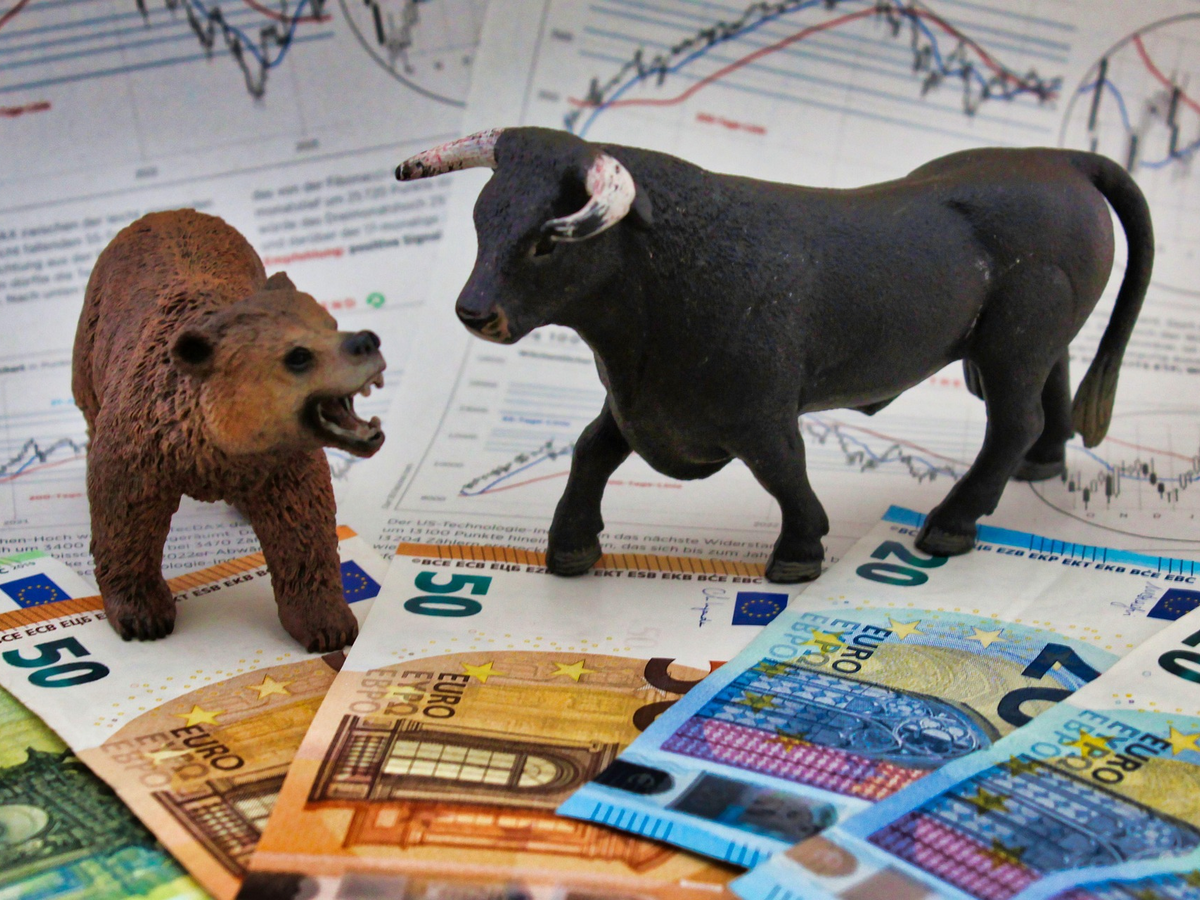
- Sentiment: On the fear–greed spectrum, the market looks split and jumpy. Fast money is trading headlines and scalping volatility; long-term money is more cautious, rotating gradually into quality blue chips on weakness. Social media is noisy and often leaning toward crash narratives, but institutional flow suggests a more nuanced stance: not euphoric, not in full panic – just defensive, selective, and data-dependent. In other words, neither Bulls nor Bears fully own Wall Street right now; the real winner is whoever respects risk and adapts fastest.
Conclusion: The Dow Jones right now is a stress test for your discipline. This is not the clean, one-way bull market where any random dip-buy turns into instant profit. It is a tactical environment ruled by macro headlines, central bank whispers, and rapid sector rotation.
The risk side of the equation is obvious: elevated rates, fragile global growth, margin pressure, and rising default risks could all morph into a deeper blue-chip correction. A shock in Europe or Asia, an unexpectedly hot inflation print, or a hawkish surprise from the Fed could transform the current choppy range into a full-on risk-off wave.
The opportunity side is just as real: if inflation continues to cool, if the Fed can gradually shift toward easing without triggering a hard landing, and if corporate earnings stabilize, then the Dow offers something the ultra-speculative corners of the market do not – a portfolio of battle-tested, cash-generating companies that institutions love to accumulate when fear spikes.
For traders, this environment demands three things:
- Clear Plan: Know in advance where you are willing to enter in those important zones, where you will cut losses, and where you will take profits. Hope is not a strategy.
- Macro Awareness: Track the calendar: Fed meetings, CPI/PPI releases, big Dow component earnings, and major global data. These are the real volatility engines behind US30.
- Risk Management: Leverage on the Dow can be brutal. Position sizing, stop-loss discipline, and realistic expectations are not optional – they are survival tools.
Whether the next big move is a punishing flush or a surprise breakout, one thing is clear: the Dow Jones is in a high-stakes transition phase. If you treat it like a casino, it will punish you; if you treat it like a professional battlefield, with preparation and patience, the current volatility can turn into opportunity.
Stay humble, stay sharp, and let the data – not the social media drama – guide your next move on US30.
Tired of poor service? At trading-house, you trade with Neo-Broker conditions (free!), but with real professional support. Use exclusive trading signals, algo-trading, and personal coaching for your success. Swap anonymity for real support. Open an account now and start with pro support
Risk Warning: Financial instruments, especially CFDs on indices like the Dow Jones, are complex and come with a high risk of losing money rapidly due to leverage. You should consider whether you understand how these instruments work and whether you can afford to take the high risk of losing your money. This content is for informational purposes only and does not constitute investment advice.
So schätzen die Börsenprofis Aktien ein!

Für. Immer. Kostenlos.