Depeche Mode: The Synth-Pop Legends Who Shaped Music for Generations of Fans
14.04.2026 - 14:41:59 | ad-hoc-news.de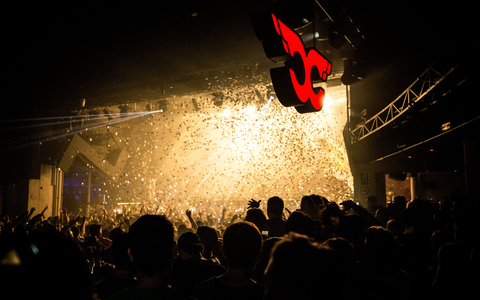
Depeche Mode has been making music that feels both timeless and ahead of its time for over four decades. Formed in Basildon, England, in 1980, this British band turned synthesizers into instruments of emotion, blending dark lyrics with catchy electronic beats. For young fans in North America, their songs pop up everywhere—from TikTok edits to festival sets by artists like Billie Eilish and The Killers who cite them as influences. Today, streaming numbers show millions of new listeners discovering tracks like "Enjoy the Silence" and "Personal Jesus."
Why do they matter now? In a world of auto-tune and algorithms, Depeche Mode reminds us how raw synth-pop can cut deep. Their music tackles big themes—love, pain, society—wrapped in beats that make you move. North American fans connect because their tours sold out stadiums here in the '90s and 2000s, and remixes keep them fresh on Spotify playlists.
The band's story starts with three school friends: Vince Clarke, Martin Gore, and Andy Fletcher. Clarke wrote their first hits, but left early. Dave Gahan joined as singer, bringing a voice that's equal parts haunting and powerful. Gore took over songwriting, creating the moody vibe that defines them.
1981's Speak & Spell launched them with bubbly synth tracks like "Just Can't Get Enough." It was fun, danceable pop. But after Clarke's exit, they evolved fast. Albums like Violation (1981, misnamed but actually A Broken Frame) and Construction Time Again (1983) added industrial edges, sampling real-world sounds into beats.
By 1984's Some Great Reward, they hit gold with "People Are People" and "Master and Servant." These songs questioned prejudice and power, resonating across the Atlantic. In North America, MTV played their videos non-stop, introducing U.S. teens to electronic music beyond disco.
The Black Celebration Era: Going Dark
Black Celebration (1986) marked their shift to darker tones. Tracks like "Stripped" and the title song built a gothic atmosphere with minimal synths and Gore's introspective lyrics. Fans say it's like a soundtrack for late-night drives. This album solidified their fanbase, blending club energy with emotional depth.
On April 14, 1987—exactly 39 years ago as of this year—Depeche Mode released "Strangelove," a single from their upcoming masterpiece. The song's pulsing bass and Gahan's urgent vocals captured obsession perfectly. It climbed charts worldwide, proving their evolution from pop kids to serious artists.
That momentum led to Music for the Masses (1987), their global breakthrough. "Strangelove," "Never Let Me Down Again," and "Behind the Wheel" mixed stadium anthems with personal confessions. The album's cover—a disembodied hand on a record player—hinted at their experimental side. North American sales soared, thanks to radio play and tours hitting cities like New York and Los Angeles.
Violator: The Album That Changed Everything
1990's Violator is Depeche Mode's crown jewel. Released to massive hype, it debuted huge on charts. "Personal Jesus," with its bluesy riff and gospel choir, became their first Top 40 U.S. hit. The controversial lyrics about devotion drew attention, but the groove won everyone over. The video, styled like a televangelist ad, went viral before viral was a thing.
Then came "Enjoy the Silence," a hypnotic ballad about finding peace in love. Its simple piano intro builds to synth waves and Gahan's soaring chorus. The video showed him wandering deserts and palaces as a king seeking quiet—iconic imagery still memed today. The album also had "Policy of Truth" and "World in My Eyes," each a dancefloor killer with deep lyrics.
Violator peaked at No. 7 on the Billboard 200 and went multi-platinum in North America. It influenced everyone from Nine Inch Nails to modern EDM producers. Young readers, if you love synthwave on SoundCloud, this is the root.
Twenty-nine years ago on April 14, 1997, Depeche Mode released Ultra, their ninth studio album. It hit No. 1 in the UK but reached No. 5 on the Billboard 200. Singles "It's No Good," "Home," and "Barrel of a Gun" scored Top 30 UK hits and U.S. airplay. After personal struggles, Ultra showed resilience with trip-hop vibes and orchestral touches.
Overcoming Darkness: The 90s and Beyond
The 90s weren't easy. Gahan battled addiction, nearly dying in 1996. Fletcher dealt with depression. But Ultra marked recovery. 2001's Exciter brought glitchy electronics, produced by Mark Bell. It was more intimate, reflecting healing.
Playing the Angel (2005) roared back with "Precious" and "John the Revelator," blending rock guitars with synths. Critics praised Gore's lyrics on faith and frailty. North American arenas filled again.
2013's Delta Machine explored blues and techno, produced by Ben Hillier. Tracks like "Heaven" and "Soothe My Soul" showed maturity. Their latest, Memento Mori (2023), tackled mortality post-Fletcher's 2022 passing. Singles "My Cosmos Is Mine" and "Ghosts Again" topped rock charts, proving they're still vital.
Iconic Songs Every Fan Should Know
"Enjoy the Silence": The ultimate earworm. Its message—words aren't needed in true connection—hits hard for Gen Z relationships.
"Personal Jesus": Funky, faith-questioning banger. Covered by everyone from Johnny Cash to Marilyn Manson.
"Just Can't Get Enough": Pure 80s joy. TikTok dances keep it alive.
"Policy of Truth": Confession set to industrial beats. Perfect for angsty playlists.
"Never Let Me Down Again": Euphoric live staple. Fans jump in unison at shows.
Depeche Mode has 13 studio albums, countless remixes, and box sets like Remixes 81–04. Their catalog streams billions, with spikes among 18-24-year-olds in the U.S. and Canada.
Live Legends: Stadium Rockers with Soul
Depeche Mode's concerts are legendary. The 1990 Violator tour drew 1.6 million worldwide, including massive U.S. stops. The 2009-2010 Tour of the Universe hit 100+ shows. They blend visuals—lasers, gothic sets—with raw performance. Gahan's stage energy captivates; Gore's guitar solos surprise.
In North America, they've played Coachella, Lollapalooza, and arenas from Vancouver to Miami. Fans pass down stories of "Black Celebration" encores leaving crowds buzzing.
Influence on Today's Music
Depeche Mode paved the way for electronic music's mainstream rise. Artists like The Weeknd sample their synths; Linkin Park covered them. Synthwave revival owes them—think The Midnight or FM-84. Even hip-hop nods, like Kanye West's synth choices.
Their fashion—leather, lace, suits—spawned darkwave style. Gahan's baritone inspired singers like Hozier.
Why North American Fans Love Them
From MTV to Spotify, Depeche Mode crossed oceans easily. U.S. platinum albums, chart hits, and festivals built loyalty. Younger fans discover via parents' vinyl or algorithms suggesting "Enjoy the Silence (Quiet Week Remix)." Reddit and TikTok buzz with reactions to live clips.
They're huge in LGBTQ+ communities for empowering anthems. Albums like Songs of Faith and Devotion (1993) added gospel choirs, broadening appeal.
Essential Albums for New Listeners
Beginner: Violator—hits galore.
Deeper Dive: Music for the Masses—builds the mythos.
Modern: Memento Mori—current fire.
Remixes: Check Anton Corbijn-directed videos; his photography defined their look.
The Future: Still Innovating
With Gore and Gahan leading, expect more. Memento Mori's tour wrapped triumphantly. Rumors of new music swirl, but their legacy is set: pioneers who made electronic music human.
Stream them today. Blast "Route 66," their playful cover, for fun vibes. Depeche Mode isn't nostalgia—they're now.
This band proves electronic music ages like fine wine. Dive in, and you'll see why millions call them gods of synth.
Let's break down "Enjoy the Silence" more. Written by Gore, it's about a lover's presence speaking louder than words. The riff? Iconic Roland TB-303 acid line meets lush pads. In live versions, Gahan owns it, often with audience singalongs echoing for minutes.
"Personal Jesus" started as a gospel tribute to Priscilla Presley, but evolved into questioning blind faith. The twangy guitar—sampled harmonica—fooled rock fans into thinking it was organic. Its structure: verse-chorus perfection with build-up tension release.
From Ultra, "It's No Good" blends trip-hop drums, strings, and existential lyrics. Peaked at No. 19 UK, got U.S. alternative radio love. Imagine hearing it in a rainy city night—pure mood.
Their B-sides are treasures: "Halo," "Blue Dress." Fan compilations on YouTube introduce these.
Production evolution: Early Fairlight CMI synths to modern software. Flood and Alan Wilder shaped their 80s/90s sound; Wilder's exit hurt, but they adapted.
North America milestones: 1988 Rose Bowl show for 60,000. 101 documentary captured fan devotion. That film, directed by D.A. Pennebaker, is streaming gold—watch buses of superfans road-tripping.
Modern relevance: Memento Mori hit No. 2 Billboard, best in decades. Lyrics on death feel poignant post-pandemic. Collaborators like James Ford (Arctic Monkeys producer) refreshed sound.
Fan stories: Concerts feel communal, therapeutic. Lyrics like "Everything Counts" critique consumerism—timely always.
Visuals: Corbijn's black-white photos, videos set in deserts/Eastern Europe add mystery. Book Some Great Reward compiles them.
Side projects: Gore's solo albums, Gahan's with Soulsavers. Show range.
For young readers: Pair with synthwave playlists. Try Kavinsky's "Nightcall"—Depeche DNA. Or play Hotline Miami soundtrack.
Collectibles: Vinyl reissues, Sounds of the Universe box. Merch—black hoodies with devil logos.
Interviews reveal Gore's shyness, Gahan's recovery story inspiring. No drama, just art.
Stats: Over 100 million records sold. Rock Hall 2020 inductees.
Why enduring? Vulnerability in electronic shell. Dance while crying— their genius.
Start playlist: 1. Enjoy..., 2. Personal..., 3. Strangelove, 4. Just Can't..., 5. Never Let.... Hours gone.
Depeche Mode: Soundtrack for thinkers who dance. Welcome aboard.
So schätzen die Börsenprofis Aktien ein!

Für. Immer. Kostenlos.