Dental Practice in Berlin Steglitz: Expert Care for Expats and Locals
25.02.2026 - 07:01:02 | ad-hoc-news.de
Moving to a new country is exciting, but it also means rebuilding the basics of everyday life from scratch. For many international residents in Berlin, one of the most stressful tasks is finding a reliable dental practice that feels safe, understandable, and genuinely caring. The German healthcare system can seem bureaucratic, unfamiliar medical terms are suddenly in German, and it is hard to know whom to trust when you are in pain or facing an expensive treatment decision.
For dentistry, this challenge is even greater. Dental anxiety is incredibly common, especially among people who have moved several times, changed insurance systems, or experienced rushed or painful treatments in the past. You might recognize the feeling: postponing check-ups, ignoring a sensitive tooth, or worrying about what will happen if you finally sit down in the chair and the dentist tells you that you need an implant, a root canal treatment, or even oral surgery.
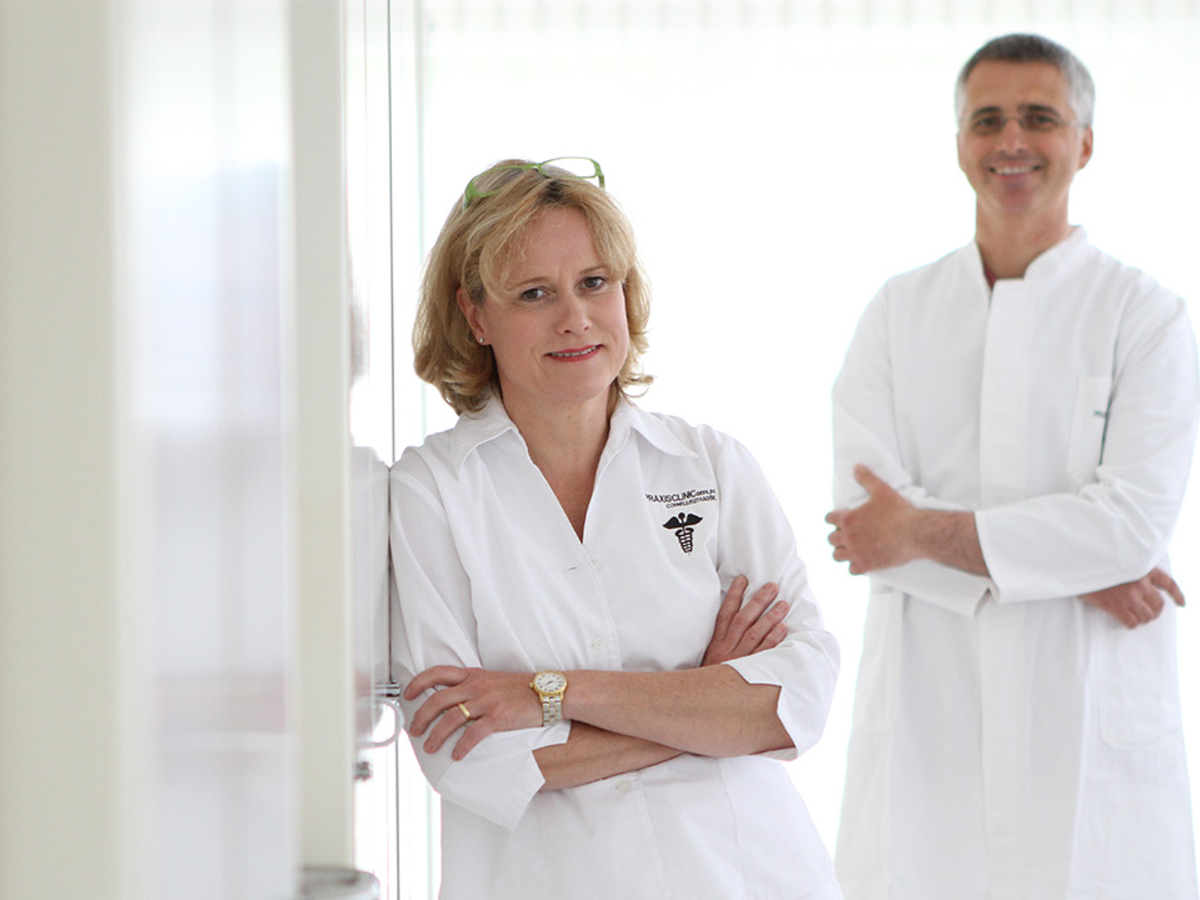
In this context, finding a Dental Practice in Berlin Steglitz that combines medical expertise, clear communication in English, and a calm, respectful atmosphere is not just a convenience – it is the foundation for long-term oral health and peace of mind. Zahnarzt-Praxis Berlin Steglitz (Dr. Djamchidi & A. Jannack) has become a trusted address for both locals and expats because it brings together two powerful strengths: a double-degree physician-dentist with a deep understanding of implantology and sinus anatomy, and an experienced endodontic and aesthetic specialist focused on preserving and beautifying natural teeth.
Before exploring specific treatments like implants, root canal treatment, or prophylaxis, it helps to understand what makes this particular dental practice fundamentally different – especially for patients who value safety, detailed explanations, and a holistic medical view.
The Double View: Why a Physician–Dentist Combination Matters for Implants
One of the most distinctive features of Zahnarzt-Praxis Berlin Steglitz is the background of Dr. Djamchidi. He holds a dual qualification – a so-called "double Approbation" – as both a medical doctor (physician and ENT specialist) and a dentist. For patients, this means that your implantology and oral surgery are not planned in isolation, but in the context of your entire body, general health, and detailed head and neck anatomy.
Implantology is much more than simply placing a titanium screw into the jaw. Especially in the upper jaw (maxilla), the bone borders the maxillary sinus – an air-filled cavity above the roots of your premolars and molars. If you have ever had sinusitis or pressure in your cheek area, you have felt this region. When teeth are missing for a longer time, the bone below this sinus can shrink. To place a stable implant, the dentist sometimes has to carefully increase the bone height through a procedure called a sinus lift, or more precisely, elevation of the maxillary sinus floor.
In these situations, the combined expertise of ENT and dentistry becomes particularly valuable. As an ENT specialist, Dr. Djamchidi is deeply familiar with the structure of the maxillary sinus, its mucosal lining, the connection to the nasal cavity, and the risks of inflammation or chronic sinus issues. As a dentist and implantologist, he understands how implant length, diameter, and position influence function, aesthetics, and long-term stability.
This dual training allows him to evaluate important questions before any drill touches the bone: How healthy is the sinus mucosa? Is there a history of chronic sinusitis, allergies, or nasal problems that could affect healing? Is the existing bone thick enough to support an implant, or is minimally invasive bone augmentation needed? Can a sinus lift be planned safely, or would an alternative treatment strategy be wiser for this particular patient?
For you as a patient, the benefit is increased safety and personalized treatment. Instead of relying only on dental X-rays, your ENT-informed dentist can interpret radiographic images, 3D scans, and clinical signs through both a medical and dental lens. This is especially important when it comes to the biocompatibility of materials and the way implants interact with surrounding tissues. A physician-dentist can integrate your overall health – for example, diabetes, blood-thinning medication, autoimmune conditions, or chronic ENT problems – into the planning of oral surgery and implant placement.
The result is not a one-size-fits-all implantology, but a carefully staged, medically informed approach. Each case is planned with the long-term function of your chewing system in mind, but also with attention to your breathing, sinus health, and general well-being. This is the true strength of a double-degree MD and DDS in practice – and a key reason why patients seeking a second opinion on complex implant cases often feel particularly reassured here.
From Oral Surgery to Tooth Preservation: A Team with Complementary Strengths
While implantology and oral surgery require precise planning and technical skill, excellent dentistry is not only about replacing what is lost. It is also – and perhaps even more importantly – about preserving what is still there. This is where the second major strength of this dental practice comes into play: the expertise of Annette Jannack in endodontics, microscopic dentistry, tooth preservation, and aesthetic restorations.
The German concept "Zahnerhalt vor Zahnersatz" means "tooth preservation before tooth replacement". It expresses an important philosophy: whenever possible, the natural tooth should be saved instead of being removed and replaced with a prosthesis or implant. There are good reasons for this. Natural teeth, with their periodontal ligament and living pulp (at least before a root canal is needed), provide a unique sensory feedback and biomechanics that no artificial substitute can perfectly reproduce.
Endodontics – the field that focuses on the inside of the tooth – is central to this preservation mindset. When deep decay, trauma, or cracks allow bacteria to reach the dental pulp (the soft tissue containing nerves and blood vessels), the tooth can become acutely painful or chronically infected. In many countries, patients are simply told that such a tooth must be extracted. However, with advanced endodontic techniques, it is often possible to clean, disinfect, and seal the root canal system in a way that allows the tooth to remain functional for many years.
Endodontics in Detail: How Root Canal Treatment Can Save Your Tooth
Many people associate root canal treatment with pain and fear. In reality, modern endodontics – especially in a practice that uses microscopic dentistry and gentle anesthetic techniques – can be surprisingly comfortable. The aim is to remove inflamed or infected pulp tissue, thoroughly disinfect the complex root canal network, and then fill it with a biocompatible material that prevents reinfection.
Under magnification and with precise instruments, hidden side canals can be located and cleaned, which is crucial for long-term success. This microscopic approach reduces the risk that residual bacteria remain in the tooth. Careful shaping of the canals, combined with modern irrigation and filling techniques, allows for a dense, three-dimensional seal. The final step is to restore the tooth with a strong filling or crown that protects it from fracture.
For an international patient used to different standards abroad, it can be reassuring to know that this Dental Practice in Berlin Steglitz offers endodontic treatment not as a rushed last-minute measure, but as a meticulously planned procedure where preservation and longevity are the central goals. By prioritizing tooth preservation, the practice does not see implants as the first reflex, but as one of several options – chosen when it truly makes medical and functional sense.
This also aligns with an ethical, sustainable approach to dentistry: using minimally invasive techniques whenever possible, working with biocompatible materials, and respecting the natural structure of the tooth. The less healthy tissue is sacrificed, the better the long-term prognosis. In this philosophy, endodontics and aesthetics go hand in hand: a well-treated root canal tooth can be restored with an aesthetically pleasing crown or veneer that blends seamlessly with your smile.
Aesthetics with Substance: More Than Just a White Smile
For many expats in Berlin – especially professionals, performers, and people frequently in public – dental aesthetics are not a luxury but part of their confidence and career. Yet aesthetic dentistry should never be superficial. Over-bleached teeth, aggressive preparations, or thick crowns may look impressive on social media but can harm the long-term health and function of the teeth.
In this Steglitz practice, aesthetics means harmony: the shape, color, and alignment of teeth are brought into balance with your facial features, lips, and gums. This may involve tooth-colored composite fillings, ceramic inlays, crowns, or veneers, always with the goal of preserving as much natural tooth substance as possible. The team explains the pros and cons of each option in clear language, helping you understand which solutions are durable, which are reversible, and which are more invasive.
This is especially important if you come from a country where certain treatments are heavily marketed but not necessarily tailored to individual needs. Here, you receive a medical-dental evaluation first, then an aesthetic plan built on a healthy foundation of tooth preservation and functional bite alignment.
Anxiety-Free Dentistry: A Calm Space in a Busy City
Many people in Berlin, regardless of origin, carry old memories of painful injections, rushed dentists, or shaming comments about their teeth. For expats, this can be amplified by the stress of communicating in a foreign language. Feeling misunderstood or unable to express your fears makes dental anxiety worse.
Zahnarzt-Praxis Berlin Steglitz takes dental anxiety seriously. The team is used to listening first – to your story, your previous experiences, and your specific worries. As an English-speaking dentist team, they can explain every step in both German and English, reducing the "unknown" factor that often fuels fear. You are encouraged to ask questions and to say clearly if you feel nervous.
For those with pronounced dental anxiety, or for more complex procedures, the practice offers options such as sedation or so-called twilight sleep. This type of sedation helps you remain deeply relaxed and reduces memory of the procedure, while still maintaining basic protective reflexes under professional monitoring. It can be a gentle bridge for patients who might otherwise avoid necessary oral surgery or endodontic treatments altogether.
Beyond pharmacological support, the atmosphere itself is designed to be reassuring and minimally clinical. Warm communication, predictable routines, and the possibility to take breaks during treatment all contribute to a sense of control. In some cases, complementary approaches such as homeopathic support or other gentle methods can be integrated, if they fit your personal preferences and overall medical picture.
The most important element, however, is respect. No one is judged for the condition of their teeth, for delays in seeking care, or for their emotional reactions. Instead, the focus is on moving forward together, step by step.
A Classic Berlin Setting: Altbau Charm in the Heart of Steglitz
The practice is located in Berlin-Steglitz, in the southwest of the city, not far from the well-known shopping street Schloßstraße and within easy reach of neighboring Zehlendorf. The area is characterized by a mix of leafy residential streets, lively commercial zones, and many classic Berlin Altbau buildings – those high-ceilinged, pre-war structures with ornate facades and generous staircases.
True to this architectural heritage, the dental practice is housed in a historic building and is therefore not barrier-free. Access is via stairs, and there is no elevator. The team is transparent about this from the outset, because honesty about accessibility is a crucial part of patient trust. For many patients, the climb up the stairs is part of the charm: stepping inside a typical Berlin Altbau, with its sense of history and solid construction, can feel like entering the "real" city rather than a generic medical center.
At the same time, practical aspects are not neglected. The location is well-connected by public transport, and parking options in the surrounding streets are generally better than in more central districts. For patients coming from other parts of Berlin southwest, such as Zehlendorf or even further afield, the practice offers a convenient balance: easy to reach, but away from the most hectic inner-city traffic.
The Patient Journey: What to Expect at Your First Visit
If you are used to very brief appointments or rushed check-ups, the structure of a first visit in this dental practice may pleasantly surprise you. The goal is not just to look at a single tooth, but to understand you as a whole person, with your medical history, your expectations, and your long-term goals for your oral health.
The journey typically begins with an in-depth anamnesis – a review of your general health, medications, allergies, ENT history, and previous dental treatments. This is where the double approbation of the physician-dentist becomes visible in practice: systemic diseases, ENT problems, and dental findings are discussed in one coherent conversation, without you feeling sent from one specialist to another.
Next comes a thorough clinical examination. This may include an assessment of your gums, existing fillings and crowns, bite alignment, jaw joints, and oral mucosa. If needed, X-rays or three-dimensional imaging can be taken to clarify root conditions, bone levels, and the situation around the maxillary sinus. Throughout this process, findings are shown and explained directly to you – so you can see what the dentist sees, instead of being kept in the dark.
Based on this full picture, a treatment plan is developed. If you came for a specific issue, such as pain, a broken tooth, or a recommendation for implants, the dentist will address that problem directly, but also place it in context. For example, rather than simply extracting a painful tooth and offering an implant, the team might explore whether endodontics could save the tooth, or whether orthodontic adjustments or minimally invasive prosthetics could offer a good alternative.
For more complex treatment plans, such as full-mouth rehabilitation, extensive implantology, or staged endodontic treatments, the discussion may be split into multiple consultations. This allows you to reflect, perhaps seek a second opinion elsewhere if you wish, and make decisions without pressure. Cost transparency is part of this process, which is particularly important for expats navigating German insurance regulations. The team can help you understand what is typically covered by statutory insurance, what falls into private or supplemental coverage, and which options offer the best value for your situation.
On the day of treatment, you can expect a calm, structured flow. Whether you are coming for a simple prophylaxis appointment, a root canal treatment, or oral surgery with sedation, the steps are explained in advance. Numbing is applied thoroughly, with time allowed for it to take effect. During the procedure, you are encouraged to raise your hand if you need a pause or have any discomfort. Afterward, you receive clear written and verbal instructions, with contact options in case of questions or complications.
Prevention as a Foundation: Prophylaxis and Long-Term Care
While high-end treatments like implants and microscopic endodontics are important, the long-term success of any dental work depends heavily on prevention. Professional prophylaxis – regular professional cleaning and targeted advice on home care – is therefore a core part of the practice's philosophy.
During prophylaxis sessions, trained staff remove plaque and tartar deposits that brushing and flossing cannot reach, polish the tooth surfaces, and check for early signs of decay or gum disease. For patients with implants, special attention is given to cleaning around the implant necks and monitoring the surrounding tissues. Early detection of peri-implant inflammation is key to preventing bone loss around implants.
For children and teenagers, prophylaxis includes education on brushing techniques, diet, and the role of fluoride in protecting enamel. For adults, especially those under stress or with systemic diseases, the focus may shift to managing dry mouth, reducing risk factors for periodontitis, or adjusting cleaning routines to complex restorations. The aim is always the same: to maintain teeth, gums, and prosthetic work in a stable, healthy condition for as long as possible.
Communication Across Cultures: An English-Speaking Dentist Team in Berlin
For expats, one of the greatest reliefs is finding a dentist who not only speaks English, but also understands the cultural and systemic differences you may be coming from. Whether you are used to the NHS, private US insurance, Asian healthcare systems, or something completely different, the way dentistry is organized in Germany can raise many questions.
At Zahnarzt-Praxis Berlin Steglitz, explanations are adapted to this context. Terminology such as "Zahnarzt", statutory versus private insurance, or the role of prophylaxis assistants is clarified in understandable English. Treatment options are not just described in technical terms, but also compared to international standards you might recognize: what would likely be offered in other countries, and how does the German approach differ?
This level of explanation helps reduce the anxiety that comes from bureaucracy and unfamiliar structures. It turns a potentially intimidating visit into an informative, empowering experience. You are not expected to simply "sign here" without understanding. Instead, you are treated as an informed partner in your own care.
Why This Practice Stands Out in Berlin Steglitz
In a city as large and diverse as Berlin, there are many dental practices. What sets Zahnarzt-Praxis Berlin Steglitz (Dr. Djamchidi & A. Jannack) apart is the rare combination it offers:
First, a medically grounded approach to implantology and oral surgery, led by a double-approbated physician and dentist with ENT specialization. This is especially important for procedures near the maxillary sinus floor, complex bone situations, and patients with significant general health issues.
Second, a high level of expertise in tooth preservation and endodontics, with microscopic techniques that prioritize saving natural teeth whenever realistically possible. This not only respects the biological uniqueness of each tooth, but also often provides more conservative, cost-effective solutions over the long term.
Third, a human-centered, anxiety-aware practice culture that integrates sedation options, clear bilingual communication, and an atmosphere of respect. Dental anxiety, previous negative experiences, or fear of the unknown are taken seriously, not dismissed.
Fourth, an authentic Berlin setting in a historic Altbau in Steglitz, close to Schloßstraße and easily accessible from Berlin southwest, including districts like Zehlendorf. While the absence of an elevator means the building is not barrier-free, the practice's transparency about this, combined with its central yet calm location, is appreciated by many patients.
Finally, a long-term philosophy that connects prophylaxis, tooth preservation, and carefully planned restorations. Instead of chasing quick fixes, the team builds a stable foundation for your oral health, helping you feel at home in the German dental system – whether you are here for a few years or planning to make Berlin your permanent home.
Choosing a dentist is ultimately about trust. By uniting profound medical-dental training, state-of-the-art techniques in implantology and endodontics, and a warm openness to international patients, this practice in Berlin-Steglitz offers something rare: a place where you can ask every question, express every fear, and still feel confident that your smile and your health are in capable hands.
So schätzen die Börsenprofis Aktien ein!

Für. Immer. Kostenlos.