DAX Index Surges 2.7% to 23,298.89 Close on April 1, 2026, Led by Middle East De-escalation and Euro Weakness
02.04.2026 - 14:15:29 | ad-hoc-news.de
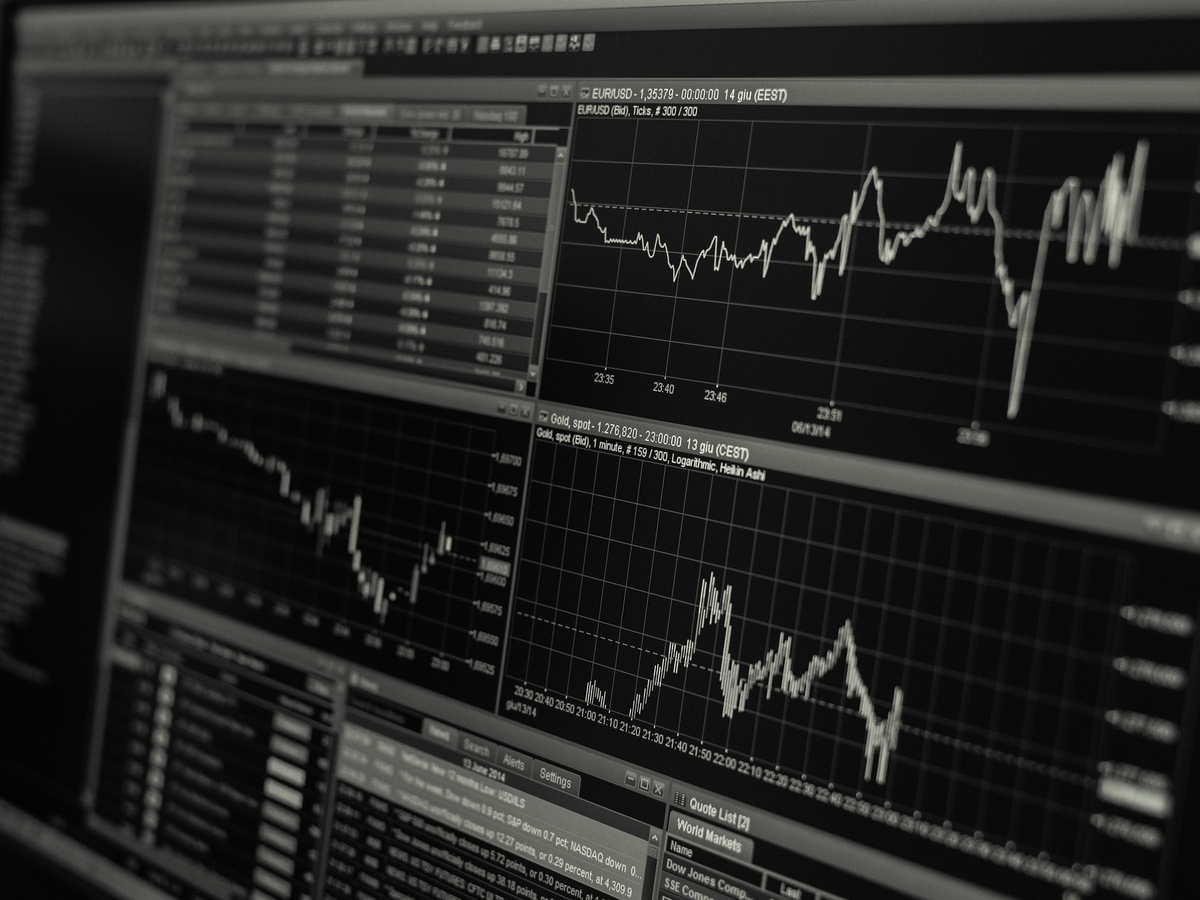
The DAX index, Germany's benchmark for its 40 largest listed companies, closed sharply higher at 23,298.89 points on April 1, 2026, marking a robust 2.7% gain. This performance outpaced the STOXX 600's 2.5% rise and the FTSE 100's 1.9% increase, driven primarily by de-escalation hopes in the Middle East that pushed oil prices lower, providing relief to energy-sensitive cyclicals while a weaker euro enhanced exporter competitiveness.
As of: Thursday, April 02, 2026, 14:15 Europe/Berlin
DAX Outperforms European Peers on Energy Relief
The DAX's advance highlighted its distinct composition compared to other benchmarks. Unlike the more utility-heavy CAC 40, which rose a more modest 2.1%, the German index benefited from lower energy import costs relative to peers. Germany's diversified energy mix, including increased LNG imports, shielded the DAX from crude price spikes that had pressured markets earlier. This dynamic allowed the DAX to lead regional gains as oil retreated from peaks above $107 per barrel.
Investors tracking the German stock market noted the index's sensitivity to global commodity swings. Cyclical sectors, which dominate the DAX with over 60% weighting in autos, chemicals, and industrials, amplified the upside from cheaper energy. The transmission mechanism was direct: reduced input costs improved margins for manufacturers, boosting earnings outlooks for key constituents.
In contrast, U.S. markets showed mixed signals, with the S&P 500 facing pressures from resilient economic data like the ISM manufacturing index at 52.7 but tempered by inflation concerns. This divergence underscores the DAX's role as a barometer for European cyclical recovery amid global fragmentation.
Key Constituents Propel Index Higher
Within the DAX 40, defence and technology names led the charge. Rheinmetall surged 9.5%, reflecting sustained demand for military equipment even as tensions eased temporarily. Its weighting, though modest, contributed to overall momentum alongside broader sector lifts. ASML Holding, the chip equipment leader with significant Frankfurt listing, jumped 6.1%, providing a substantial boost given its market-cap influence.
Automakers, perennial heavyweights, rallied on the dual tailwinds of lower oil and a depreciating euro. Volkswagen, accounting for about 8% of the index, and BMW posted strong gains, their combined heft driving much of the 2.7% index move. Chemical giant BASF advanced on improved global pricing dynamics, while industrials like Siemens Energy benefited from stabilized supply chains.
These constituent moves were not uniform; defensive names lagged, but the cyclical tilt ensured net upside. For international investors, this underscores the DAX's export orientation, with over 40% of revenues from non-Eurozone markets, making it a pure play on global demand recovery.
Euro Depreciation Boosts Exporter Earnings
A key undercurrent was the euro's 2.9% drop against the dollar over the prior month, enhancing reported earnings for DAX firms with U.S. and Asian exposure. This currency effect directly lifts euro-denominated revenues, a transmission channel particularly potent for autos and machinery makers. The weaker euro improves pricing power against dollar-based rivals, sustaining competitiveness amid trade uncertainties.
For DAX-linked ETFs and ETPs, this dynamic supports inflows, as lower currency hedging costs attract U.S. and Asian investors. Separately, Eurex DAX futures for June 2026 (DYM26) traded higher post-close, reflecting elevated volatility and call buying in options, signaling bets on continued upside if macro supports align.
Germany's export-heavy economy amplifies this sensitivity. Machinery and vehicle exports, core to the index, gain immediate lift from forex moves, distinguishing the DAX from less export-reliant benchmarks like the FTSE 100.
ECB Rate Cut Expectations Build Ahead of CPI
Market positioning for ECB policy added fuel. Investors priced higher odds for mid-2026 rate cuts, which would lower borrowing costs for capital-intensive DAX sectors. Upcoming Eurozone March CPI data, released earlier on April 2, was in focus, with softer prints potentially accelerating easing narratives.
Bund yields, a direct proxy for ECB bets, eased slightly, supporting equity valuations. For cyclicals, cheaper financing eases capex burdens, a critical factor given high debt levels in autos and industrials. This ECB transmission to the DAX operates via reduced discount rates on future cash flows, particularly benefiting growth-oriented names.
U.S. context matters here: while Fed data showed sticky inflation, ECB divergence could widen the yield gap, drawing capital to European cyclicals via DAX futures and ETFs.
Geopolitical Risks and Energy Volatility Persist
Middle East de-escalation provided temporary relief, but risks linger. President Trump's comments on Iran suggested no quick resolution, with IEA warnings of potential April supply disruptions to Europe. Elevated VIX at 24.54, down from 31 peaks, indicates ongoing caution.
For the DAX, oil volatility hits differently than peers. Lower dependence on Russian gas post-Ukraine shifts energy mix favorably, but any rebound in crude could pressure margins anew. Investors monitor this closely, as energy costs feed directly into producer prices for index heavyweights.
Broad European risk sentiment improved, but DAX's outperformance ties to its industrial core. Sector rotation from defensives to cyclicals accelerated, a pattern seen in prior relief rallies.
Implications for Investors and Next Catalysts
For international investors, the DAX offers leveraged exposure to euro weakness and ECB easing without broader Euro Stoxx 50 dilution. U.S. viewers note the contrast to S&P 500 tech pressures, positioning DAX as a diversification play amid rotation.
DAX futures positioning shows optimism, with open interest rising in calls. ETFs tracking the index saw volume spikes, reflecting tactical allocations. Risks include CPI surprises hardening ECB stance or oil rebounds reigniting inflation.
Next watches: German Ifo data, PMI releases, and U.S. nonfarm payrolls for cross-Atlantic spillovers. Sustained euro softness could propel the index toward 24,000 psychological resistance.
Futher Reading
- Ad-hoc News: DAX Surges on De-escalation
- Saxo Bank Market Quick Take
- Ad-hoc News: DAX Outperforms U.S.
- Armenpress European Stocks Update
Disclaimer: Not investment advice. Indices, ETFs and financial instruments are volatile.
So schätzen die Börsenprofis Aktien ein!

Für. Immer. Kostenlos.