DAX Index Dips 1.4% Amid Stagflation Fears and Middle East Tensions on March 30, 2026
30.03.2026 - 18:53:04 | ad-hoc-news.de
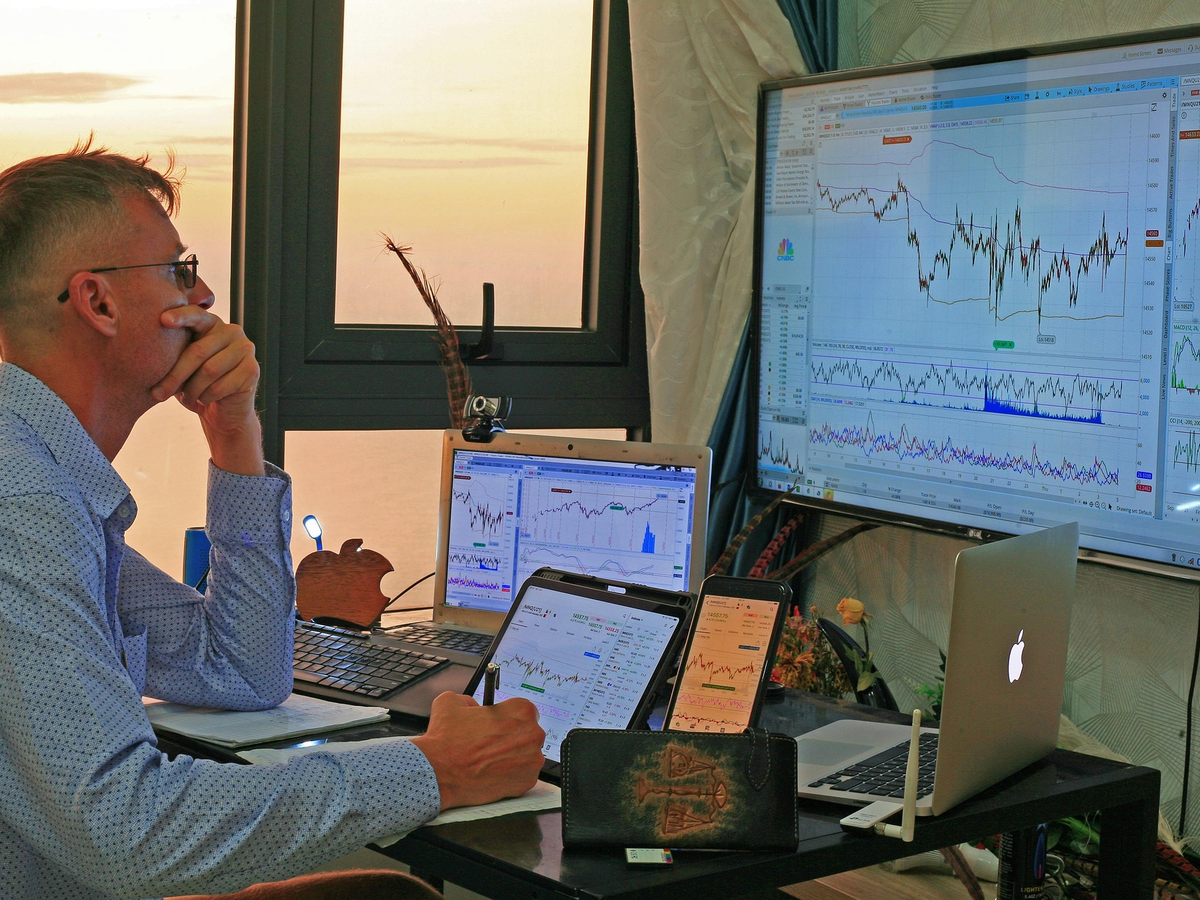
The DAX index, Germany's benchmark equity gauge tracking 40 major companies, declined 1.4% on March 30, 2026, reflecting heightened stagflation worries driven by escalating energy prices amid the fifth week of Middle East conflict.
As of: Monday, March 30, 2026, 17:51 Europe/Berlin (converted from 16:51 UTC)
Market Snapshot: DAX Cash vs Futures Divergence
The DAX cash index opened mixed, dipping 0.17% in early trading on March 30, while DAX futures showed resilience with a sharp 0.76% rebound. This divergence highlights investor positioning ahead of critical German CPI data, expected to influence ECB rate path expectations. The broader decline to around levels hovering above key support at 21,864 underscores vulnerability in the German stock market.
Unlike the Euro Stoxx 50's 1.1% drop or the STOXX 600's 0.9% fall, the DAX underperformed with its 1.4% loss, amplifying its sensitivity to energy shocks given Germany's heavy reliance on imports.
Stagflation Pressures Mount from Geopolitical Risks
Rising oil prices, now in their fifth week of escalation due to Middle East tensions involving Iran, are reinforcing stagflation concerns across Europe. For the DAX, this transmits directly through its industrial and chemical heavyweights, which face squeezed margins from higher input costs. Gold found support amid these fears, while US Treasury yields fell on a darkening economic outlook.
The transmission mechanism is clear: Germany's export-oriented economy, represented by DAX cyclicals like autos and chemicals, suffers as energy inflation erodes competitiveness without corresponding demand growth. This contrasts with more domestically focused benchmarks like the FTSE 100, which edged only slightly lower.
Energy Stocks Buck the Trend Amid Volatility
While the DAX index as a whole retreated, select energy-related names surged. One German energy stock rocketed 65% in March alone, with a 24.54% gain in the past week, standing out in the volatile German market. Other performers included Nordex SE up 49.09% in recent months, Evonik Industries +14.68% weekly, K+S AG +7.37%, and BASF SE +12% over the week.
These moves in DAX constituents like BASF illustrate sector rotation into energy plays defensive against inflation, but they do not yet offset the index-level drag from tech weakness and financials pressure.
Key Support Levels Under Scrutiny
The DAX 40 faces pressure at the March 23 low of 21,864, a halfway mark in its 2025-2026 bull market. A break below could accelerate losses toward the 61.8% Fibonacci retracement at 21,186-21,147. Conversely, holding support might spur recovery to the mid-March high and 200-day SMA at 23,957-24,100.
For international investors, this technical setup matters for DAX-linked ETFs and ETPs, where liquidity can amplify moves. DAX futures positioning reflects cautious optimism, rebounding despite cash weakness.
Anticipation Builds for German CPI Data
Investors are bracing for Germany's March CPI release, alongside Eurozone confidence data and Fed Chair Powell's speech. Recent US Michigan Consumer Sentiment at 53.3, down from 56.6, with inflation expectations at 3.8% year-ahead, mirrors European anxieties. Elevated VIX and profit warnings add to the mix.
The DAX's reaction will hinge on whether CPI tempers or exacerbates rate cut hopes, directly impacting Bund yields and euro moves, both key DAX drivers.
Implications for DAX Investors and ETFs
For US and European investors, the DAX's underperformance versus the S&P 500 underscores rotation away from export-sensitive indices amid global risk-off. DAX futures offer a hedge, trading distinctly from the cash index, while ETFs like those tracking DE0008469008 provide broad exposure but inherit volatility.
Sector implications favor energy and materials over tech, with BASF's breakout signaling potential in chemicals. Risks include further oil spikes if Middle East conflict prolongs.
Broader European Context and US Linkages
The DAX's sharper drop differentiates it from peers, driven by unique exposure to energy importers. US context emerges via Powell's remarks and Treasury yield softening, potentially supporting euro strength but pressuring DAX exporters.
Options activity may spike around CPI, with futures open interest indicating bets on volatility persistence.
Next Catalysts and Risk Factors
Watch German CPI for inflation surprises, ECB signals, and oil trajectories. Upside risks include de-escalation; downsides encompass recession fears if stagflation entrenches. DAX positioning remains fluid.
Further Reading
- Saxo Bank Market Quick Take - 30 March 2026
- Investing.com: German Energy Stocks Surge
- IG: European Markets Key Support Levels
- Ad-hoc-News: DAX Opens Mixed
Disclaimer: Not investment advice. Indices, ETFs and financial instruments are volatile.
So schätzen die Börsenprofis Aktien ein!

Für. Immer. Kostenlos.