DAX Breakout Or Bull Trap? Is Germany’s Flagship Index Hiding More Risk Than Opportunity Right Now?
26.01.2026 - 19:58:52 | ad-hoc-news.de
Get the professional edge. Since 2005, the 'trading-notes' market letter has delivered reliable trading recommendations – three times a week, directly to your inbox. 100% free. 100% expert knowledge. Simply enter your email address and never miss a top opportunity again. Sign up for free now
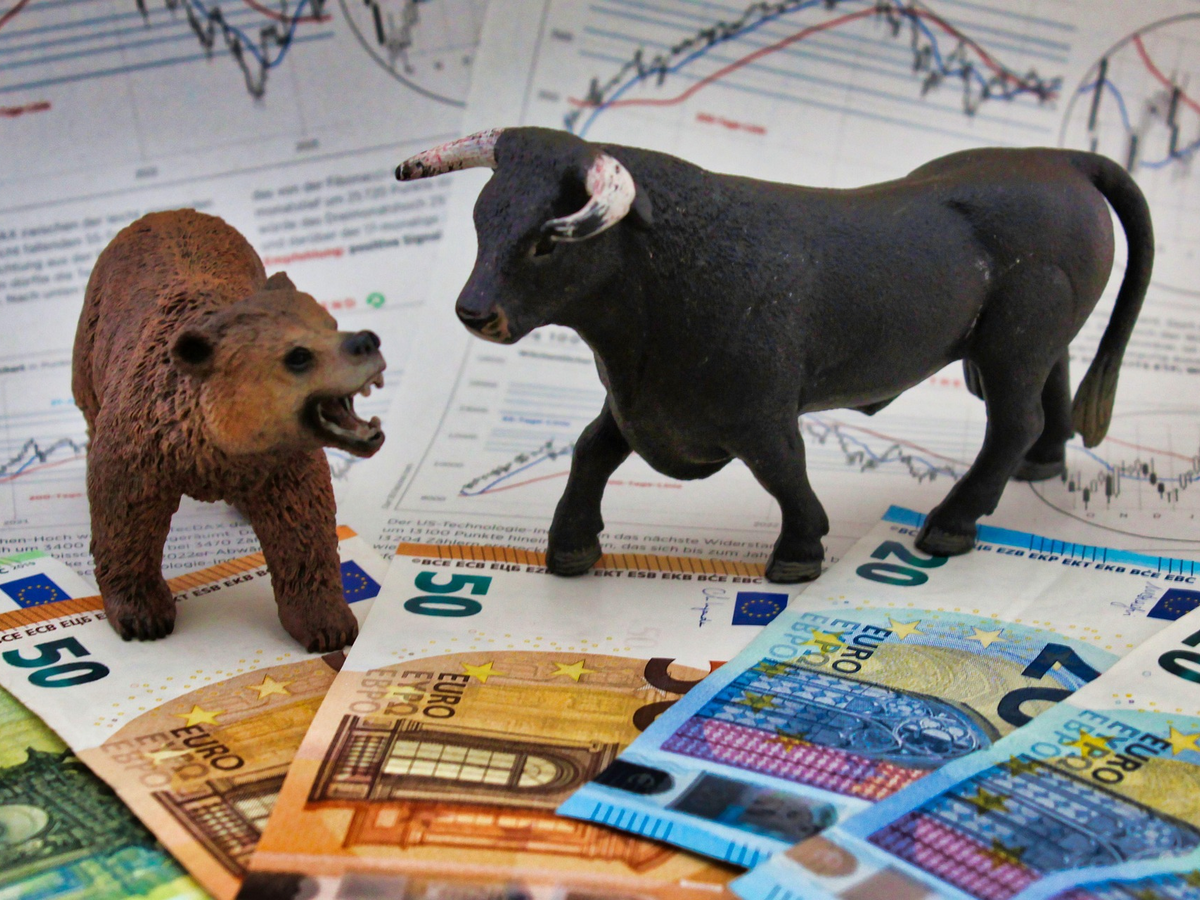
Vibe Check: The DAX 40 is trading in a tense, nervous zone – not in full panic, but definitely not in carefree euphoria either. We are seeing a mix of cautious optimism and lurking fear: German blue chips are holding up, but every bounce feels like it is being tested by macro headlines, weak industrial data, and global risk-off waves from the US and Asia. Instead of a smooth uptrend, the index is experiencing choppy movement with sharp swings, fake breakouts, and fast profit taking. Bulls are trying to defend the current range, while bears are patiently waiting for the next disappointing data point to push prices lower.
The Story: To understand what is really driving the DAX 40 right now, you have to zoom out beyond the intraday candles and look at the big three forces: the European Central Bank, the German real economy, and the global risk cycle.
1. ECB and the Rate-Cut Game:
The European Central Bank is the main puppet master behind every DAX mover lately. Markets are constantly repricing how many cuts are coming and how fast. Whenever investors believe the ECB will cut earlier or more aggressively, German equities get a relief rally – especially rate-sensitive sectors like tech, real estate and growth-heavy industrials. When ECB officials sound more hawkish or inflation data surprises to the upside, the DAX mood flips into defensive mode. That is when you see traders rotate into more conservative names, banks, and exporters, or simply move to cash.
Christine Lagarde’s tone is being dissected word by word. Any hint that the ECB is worried about sticky inflation slows down the risk-on mood. Any hint that they are more worried about economic weakness than inflation gives the bulls a green light. The DAX is basically trading as a leveraged bet on when the ECB decides that it is safe to fully pivot from fighting inflation to supporting growth.
2. Germany’s Economic Reality Check:
Let’s keep it brutally honest: the German economy has not been the poster child of strong growth lately. Manufacturing is under pressure, especially chemicals, machinery, and autos. Global demand is soft, China is not firing like before, and energy costs in Europe are still structurally higher than many global competitors.
German industrial output has been wobbling, with surveys from purchasing managers often signaling contraction or at best a fragile stabilization. That is why any small positive surprise in factory orders, exports, or business sentiment can spark a relief move in the DAX. But on the flip side, every negative print feeds the recession narrative and gives bears ammunition to short the index again.
The legendary German auto names – think VW, BMW, Mercedes – are in a crossroads moment. They are fighting EV competition, margin pressure, and a complicated China story. When these giants struggle, the DAX feels it instantly. Similarly, big names in chemicals and industry act like a macro barometer of global demand.
3. Euro vs Dollar, Energy, and the Global Risk Cycle:
The DAX is not just a German story – it is a global risk asset, heavily moved by the euro-dollar relationship and energy prices. A weaker euro often helps DAX exporters because their products become more competitive globally and foreign profits translate better into earnings. But a too-weak euro can also signal deeper concerns about Europe’s growth outlook, which can kill risk sentiment.
Energy remains a wildcard. While the worst of the European energy shock is behind us, prices are still high enough to pressure heavy industry. Any flare-up in geopolitical risk that sends oil or gas higher tends to hit European equities faster than US markets, because Europe is more energy-sensitive. For the DAX, that means sudden downside bursts whenever energy headlines turn ugly.
Overlay all of this with the US tech cycle and global risk appetite: when Wall Street sells off and the big US indices go into risk-off mode, European markets almost never escape. The DAX then acts like a high-beta satellite of US sentiment. That is why even a positive German data point can be ignored if the Nasdaq is in correction mode.
Social Pulse - The Big 3:
YouTube: Check this analysis: https://www.youtube.com/watch?v=7Y9UuZ4DAXQ
TikTok: Market Trend: https://www.tiktok.com/tag/dax40
Insta: Mood: https://www.instagram.com/explore/tags/dax40/
On YouTube, creators are split: some are calling for a calm consolidation phase before the next leg higher, others are warning of a major bull trap driven by unrealistic rate-cut hopes. TikTok is full of quick-hit takes about "buying Europe" on dips, but if you read between the lines, many retail traders are over-leveraged on index CFDs and chasing short-term moves. Instagram is showing a mixed mood – plenty of charts with uptrend lines still intact, but also a growing amount of content about risk management and hedging with options.
- Key Levels: The DAX is hovering around important zones where the last major pullback started and where previous rallies stalled. Think of it as a heavy resistance ceiling slightly above the current range and a strong support floor below it where buyers repeatedly stepped in. If the index can break convincingly above that upper zone with strong volume and follow-through, it opens the door for a fresh bullish leg and possibly a retest of previous peak regions. If it fails again and rolls over, a drop back toward the lower support band becomes likely, with the risk of a deeper correction if that floor finally cracks.
- Sentiment: This is not full-on greed, but it is also not despair. It is a fragile balance where euro-bulls are still slightly in control, but they are constantly being challenged. Bulls are buying dips and betting on a softer ECB and a global soft landing. Bears are focused on the weak German macro backdrop, political uncertainty, and the possibility that rate cuts come too late to prevent a deeper slowdown. Any surprise shock – disappointing earnings from a DAX heavyweight, ugly US data, or a geopolitical spike – could quickly flip sentiment from cautious optimism to aggressive risk-off.
Technical Scenarios to Watch:
Bullish Script: In the bullish scenario, the DAX continues to hold above its recent support zone and starts to build higher lows. ECB communication slowly turns more growth-friendly, inflation keeps trending down, and German data stabilizes instead of deteriorating. In that environment, dip buyers get rewarded, and the index can grind upward in a stair-step pattern. Breakouts above recent highs are then more likely to stick instead of failing. Sectors like industrials, autos, and even some beaten-down growth names could see capital rotation back in.
Bearish Script: In the bearish scenario, we get a combination punch: maybe a weak set of earnings from key DAX heavyweights, plus softer Chinese demand signals, plus an ECB that is wary of cutting too quickly. If that happens, the market narrative shifts from "short-term slowdown" to "more serious stagnation". Traders then start selling rallies instead of buying dips. A decisive break below the lower support region could open the door for a larger correction, turning what now feels like a choppy consolidation into a proper downtrend.
Trader Playbook:
Right now, this is not the environment to be blindly all-in. This is a market for tactical traders and patient investors:
- Short-term traders can play the range: fade sharp moves into resistance and look for bounce setups near support – but with tight risk management.
- Swing traders should track the macro calendar: ECB meetings, German data releases, and US earnings season are all potential volatility catalysts.
- Long-term investors in German blue chips need to decide: are current prices a long-term buying opportunity in a structurally still-strong export nation, or is Germany entering a prolonged period of underperformance?
Conclusion: The DAX 40 right now is the pure definition of a risk-reward crossroads. The opportunity is clear: if Europe manages a soft landing, if the ECB pulls off a controlled rate-cut cycle, and if German industry stabilizes, the current consolidation area could be remembered as a powerful accumulation zone before a bigger rally. But the risk is just as real: structural energy disadvantages, weaker global demand, and political fragmentation in Europe could turn every rally into just another chance for smart money to unload.
For traders, the key is to respect both sides of the coin. Do not chase every green candle, but also do not panic on every red one. The DAX is telling you exactly what it feels: uncertainty. Use that to your advantage. Define your levels, know your invalidation points, and never forget that leverage on index CFDs can turn a normal pullback into a portfolio crisis if you are not prepared.
This is not the time for lazy, passive risk-taking. It is the time for deliberate, informed positioning with a clear plan. Whether the next big move is a breakout or a bull trap, disciplined traders will find opportunity either way – as long as they respect the volatility and the macro storm still brewing over Europe.
Tired of poor service? At trading-house, you trade with Neo-Broker conditions (free!), but with real professional support. Use exclusive trading signals, algo-trading, and personal coaching for your success. Swap anonymity for real support. Open an account now and start with pro support
Risk Warning: Financial instruments, especially CFDs on indices like the DAX 40, are complex and come with a high risk of losing money rapidly due to leverage. You should consider whether you understand how these instruments work and whether you can afford to take the high risk of losing your money. This content is for informational purposes only and does not constitute investment advice.
So schätzen die Börsenprofis Aktien ein!

Für. Immer. Kostenlos.