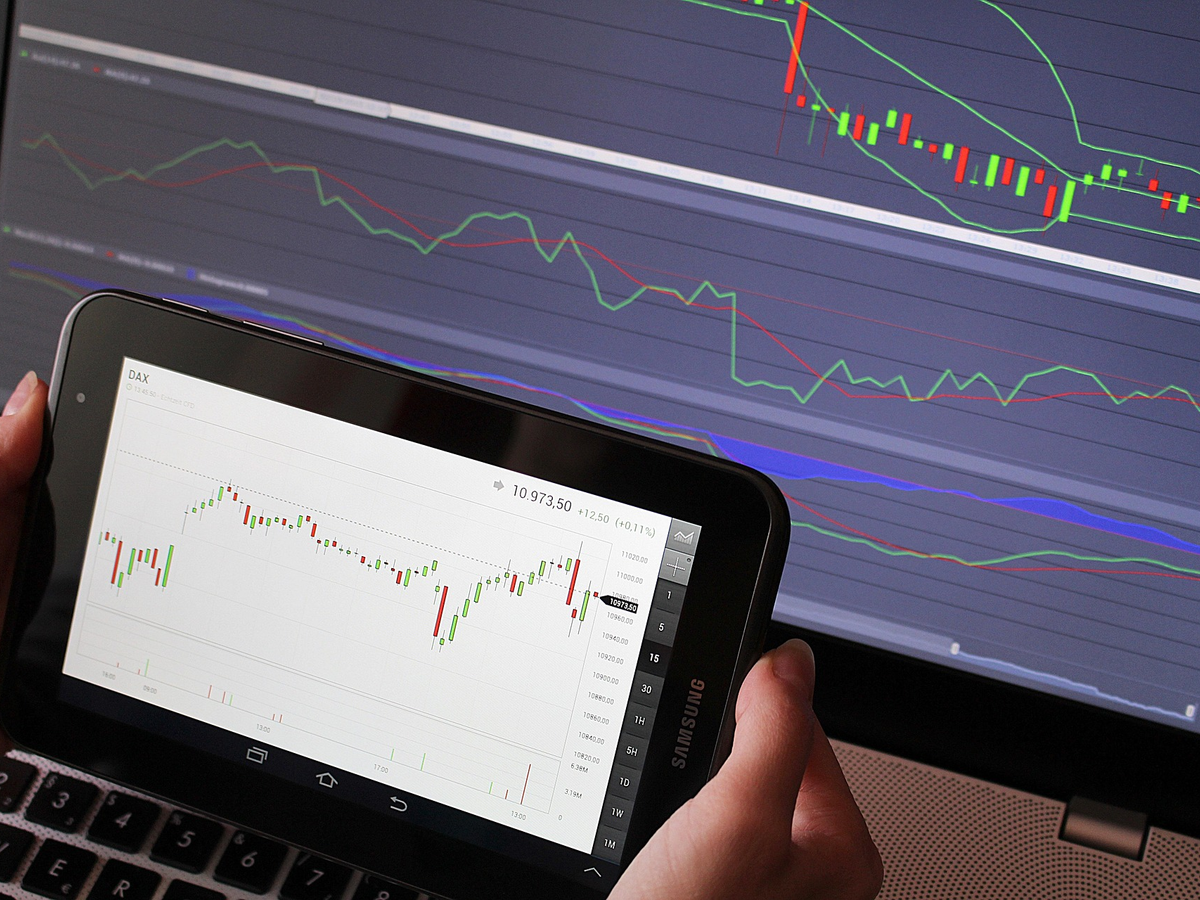
DAX 40: Hidden Opportunity Or Incoming Risk Event For German Stocks?
08.02.2026 - 14:47:01 | ad-hoc-news.de
Get the professional edge. Since 2005, the 'trading-notes' market letter has delivered reliable trading recommendations – three times a week, directly to your inbox. 100% free. 100% expert knowledge. Simply enter your email address and never miss a top opportunity again. Sign up for free now
Vibe Check: The DAX 40 is in a tense but fascinating phase: not a euphoric melt-up, not a full-on crash, but a high-stakes zone where every ECB soundbite, every German data print, and every US macro headline can flip the intraday direction. Think choppy uptrend with sharp pullbacks, driven by algorithmic flows and headline risk.
Want to see what people are saying? Check out real opinions here:
- Watch fresh DAX 40 breakdowns from real traders on YouTube
- Scroll through the latest German stock market mood on Instagram
- Catch viral DAX trading setups and hacks on TikTok
The Story: What is really driving the DAX 40 right now?
The current DAX environment is a tug-of-war between macro headwinds and global risk appetite. On one side, you have:
- Persistent recession chatter in Germany.
- Weak or sluggish manufacturing data and fragile export dynamics.
- Ongoing uncertainty around energy prices and geopolitical risks.
- Structural pressure on the traditional German powerhouses: autos, chemicals, and heavy industry.
On the other side, you have:
- A global market that still leans risk-on whenever central banks hint at easing or at least at being done with aggressive hikes.
- Big-tech and digital names like SAP acting as stabilizers for the index.
- International capital hunting for under-owned, relatively cheaper developed markets outside the US mega-cap bubble.
The DAX is basically the heartbeat of the German corporate machine. So when traders talk about Ger40, they are really talking about:
- How far the ECB is willing to go on rates.
- How much pain Germany’s industrial base can take from higher financing costs and weaker external demand.
- Whether the euro stays under control versus the US dollar, keeping German exports competitive.
ECB Policy, Lagarde & the EUR/USD Factor: The "Why" Behind Every DAX Swing
The European Central Bank (ECB) under Christine Lagarde is the invisible hand constantly nudging the DAX up or down. Even when no rate decision is scheduled, speeches, interviews, and off-the-record leaks can move expectations for future cuts or hikes.
Here’s the basic logic DAX traders use:
- ECB turns more dovish (or simply less hawkish)
– Bond yields ease, risk assets breathe.
– Financial conditions loosen slightly.
– Export-heavy indices like the DAX often catch a bid as global investors rotate into cyclicals and value plays.
– If a softer ECB also weakens the euro against the dollar, German exporters look even more attractive. - ECB stays hawkish, emphasizes inflation risk
– Higher-for-longer rates squeeze corporate margins and valuation multiples.
– German domestic demand, already fragile, faces more pressure.
– The DAX reacts with spikes of volatility, profit taking, and occasional sharp downswings.
The EUR/USD pair is the unofficial second chart every serious DAX trader watches. A stronger euro can be a headwind for exporters because their goods become relatively more expensive. A weaker euro, within reason, often lines up with a friendlier tape for German multinationals.
Right now, markets are constantly repricing:
- How quickly inflation in the eurozone normalizes.
- When the ECB can pivot from restrictive to neutral or even supportive.
- How that timing lines up with the US Federal Reserve, which shapes global risk appetite.
Whenever the pricing shifts toward earlier or more aggressive rate cuts, German bulls step back in, pushing the DAX into relief rallies. Whenever markets fear that inflation will stick or energy prices will spike again, the mood flips and the bears reclaim control.
Sector Check: Old Economy Pain vs New Economy Resilience
The DAX 40 is not just a number; it is a battlefield of sectors moving in different directions.
1. German Autos: VW, BMW, Mercedes – From Pride to Pressure
For decades, German autos were the poster children of industrial excellence. Now they are in a structural fight on multiple fronts:
- Electric vehicle transition: Massive CAPEX, margin pressure, and fierce competition from US and especially Chinese EV producers.
- Regulation & climate policy: Stricter emission targets, city regulations, and long-term phaseout narratives weigh on traditional combustion-focused product lines.
- Demand uncertainty: Slower global growth and consumer caution, particularly in Europe, are not friendly to big-ticket purchases.
- China dependence: Any tension in EU–China relations, tariffs, or demand slowdown in Asia hits German autos disproportionately.
Market reaction: auto names often underperform in risk-off phases, amplifying any downside in the DAX. When global growth fears flare up, their charts tend to show heavy selling, repeated failed breakouts, and aggressive short-term mean reversion trading by hedge funds.
2. SAP & Siemens: The Quiet Stabilizers
While autos grind through a structural reset, names like SAP and Siemens play a very different game.
- SAP: Software, cloud, digital transformation. This is where global IT budgets intersect with Europe’s largest economy. SAP gives the DAX exposure to recurring revenues, higher-margin software business, and the global shift to cloud platforms.
- Siemens: Automation, electrification, and infrastructure technology. Siemens benefits from long-term megatrends: smarter factories, energy-efficient buildings, and industrial digitalization.
In periods where global tech is strong and investors are hungry for quality growth outside the US, SAP in particular becomes a magnet for international capital. That often acts as a counterweight when cyclical industrials and autos are struggling.
The core story:
- The traditional value side of the DAX (autos, chemicals, heavy industry) is under structural pressure.
- The tech/automation side (SAP, Siemens, and related plays) provides resilience and attracts global institutional flows seeking diversification away from US tech concentration.
Macro Backdrop: German Manufacturing PMI & Energy Costs
Germany’s economy is heavily manufacturing-driven. That is why manufacturing Purchasing Managers’ Index (PMI) data is a must-watch release for any DAX trader.
When PMI readings signal contraction, markets read:
- Lower production, weaker orders, and cautious corporate guidance.
- Pressure on earnings for industrial names, autos, and suppliers.
- Rising risk of layoffs, reduced investments, and a feedback loop into domestic demand.
Even when PMIs start to stabilize, if they stay around contractionary zones, the market treats any optimism with skepticism. Relief rallies in the DAX can fade quickly if the PMI trend does not confirm a real turnaround in the real economy.
Energy Prices: The Wildcard
Germany’s energy shock was not a one-time event; it was a wake-up call. Natural gas prices, electricity costs, and geopolitical debates around supply routes all feed directly into corporate cost structures.
- Higher energy prices: Hurt chemicals, heavy industry, and any energy-intensive production, compressing margins and pushing some companies to consider shifting production abroad.
- Stable or easing energy prices: Give German industry breathing room and allow the equity market to price in a slow, grinding recovery rather than a prolonged industrial recession.
Every flare-up in geopolitical tensions, pipeline news, or unexpected weather-driven demand spike can translate into renewed volatility in the DAX, because energy is such a huge input into the German growth model.
Sentiment: Fear vs Greed, and Where the Big Money Is Moving
Beyond the macro, the sentiment setup around European stocks is crucial. For a long time, global investors were underweight Europe relative to the US. That means:
- Europe, and Germany in particular, still looks like a contrarian play to some.
- When global growth expectations stabilize, there is room for funds to rotate into European value and cyclicals, including the DAX.
Think of the sentiment spectrum like this:
- Extreme fear: Headlines scream recession, social media is full of crash calls, and German data disappoints. In that environment, the DAX can see fast, disorderly drops, with institutional investors cutting exposure, hedging via futures, and retail traders panic-selling.
- Cautious optimism: Mixed data but signs of stabilization, softer central bank tone, and calm energy markets. That is when you see grinding rallies, slow short-covering, and institutional nibbling on high-quality German blue chips.
- Greed phase: Strong global risk-on, expectations of rate cuts, and improving local data. In this phase, the DAX can push toward or test previous highs as FOMO kicks in and even the most skeptical funds add exposure.
Right now, the mood is more like an unstable middle zone: not blind fear, not crazy greed. Social networks show divided camps: some traders aggressively buying dips in DAX futures, others positioning for another leg lower on any negative data surprise.
Institutional flows into European ETFs and German equity funds are a key tell. When these flows turn positive for multiple weeks in a row, that often marks the start of a more durable DAX uptrend. When they reverse, rallies tend to fade quickly.
Deep Dive Analysis: Automotive Stress, Energy Costs, and the Trade Setup
Automotive Sector – Why It Still Matters for Every DAX Trader
Even if the global narrative has moved on to AI and cloud, the German DAX is still heavily influenced by metal, engines, and wheels. VW, BMW, Mercedes and suppliers collectively:
- Drive a big share of Germany’s export machine.
- Influence employment and wage dynamics.
- Anchor sentiment about German industrial strength.
Key pressure points for autos right now:
- Margin squeeze: Higher input costs, aggressive discounting in some markets, and heavy EV investment budgets compress profitability.
- Pricing power at risk: In a world of intense competition, long waiting lists have turned into promotional campaigns in some segments.
- Regulatory overhang: Future bans on combustion cars and emission regulations create uncertainty about long-term fleet strategy.
For DAX traders, this means auto stocks often behave like leveraged bets on global growth and risk sentiment. When the market believes in a soft landing and strong consumer demand, they can stage explosive relief rallies. When recession narratives dominate, they can underperform for months.
Energy Costs – The Silent Tax On German Equities
Energy is the silent tax on profitability. For energy-intensive sectors, even modest shocks in gas or power prices can wipe out guidance and force emergency cost cuts.
- If energy prices stay relatively contained and supply secure, the market can start to price in margin normalization for industrial and chemical names.
- If prices spike again or political decisions reduce supply flexibility, the DAX will bake in a new wave of earnings downgrades.
Traders should always remember: even if SAP and Siemens look solid, a renewed energy shock can drag down the entire index simply through sentiment and sector contagion.
Key Levels & Sentiment: How to Think About the DAX Chart
- Key Levels: With data freshness not fully verified, think in terms of important zones instead of exact numbers. The DAX is essentially oscillating between a broad resistance region near its prior peak area and a support band that has repeatedly attracted dip buyers. Above the upper zone, you get breakout momentum and FOMO. Below the lower band, you open the door to a deeper corrective leg and possible trend reversal.
- Sentiment: Who Is Really in Control?
Right now, neither Euro-bulls nor bears have absolute control. Bulls argue that a combination of eventual ECB easing, undervalued European assets, and stabilization in energy and PMIs will fuel a medium-term uptrend. Bears point to structural headwinds, fragile growth, and earnings risk. The DAX price action shows this conflict as choppy trends, sharp intraday reversals, and frequent stop hunts around major news events.
If fear spikes – driven by ugly data or hawkish central bank commentary – the bears can trigger fast downside moves. If data stabilizes and central banks shift tone, the bulls are ready to buy the dip, especially in quality German blue chips and exporters.
Conclusion: Risk Or Opportunity? How To Frame Ger40 Right Now
The DAX 40 is not a simple "cheap Europe" trade, and it is definitely not a one-way bet. It is a complex playground where macro, sectors, politics and psychology collide.
Risk side:
- German manufacturing and exports remain vulnerable to global slowdowns.
- Autos and other old-economy sectors face structural disruption, not just a temporary cyclical dip.
- Energy remains a potential shock factor that can quickly re-price earnings expectations.
- ECB missteps or miscommunication could tighten financial conditions at the worst possible time.
Opportunity side:
- European equities, including the DAX, are still less crowded than US mega-cap tech.
- Any credible turn in PMIs and stabilization of energy prices can fuel a powerful rotation into German cyclicals.
- Names like SAP and Siemens offer quality growth and digital/automation exposure that can anchor the index.
- Gradual normalization of inflation and a more market-friendly ECB path can unlock upside through valuation re-rating.
For active traders, the DAX is a high-beta way to express a view on Europe’s recovery or further slowdown. For longer-term investors, it is a question of whether German blue chips are in a late-cycle value trap or early-stage turnaround.
The key is not to blindly cheer for a breakout or panic at every dip, but to watch:
- ECB tone and rate expectations.
- EUR/USD trends and export competitiveness.
- Manufacturing PMIs and energy price dynamics.
- Sector rotation between autos/industrials and tech/automation.
If those pieces start to align positively, the DAX can transform from a cautious trade into a high-conviction opportunity. Until then, treat it as a tactical battlefield: respect the volatility, manage risk tightly, and let the data – not the noise – guide your next move.
Tired of poor service? At trading-house, you trade with Neo-Broker conditions (free!), but with real professional support. Use exclusive trading signals, algo-trading, and personal coaching for your success. Swap anonymity for real support. Open an account now and start with pro support
Risk Warning: Financial instruments, especially CFDs on indices like the DAX 40, are complex and come with a high risk of losing money rapidly due to leverage. You should consider whether you understand how these instruments work and whether you can afford to take the high risk of losing your money. This content is for informational purposes only and does not constitute investment advice.
So schätzen die Börsenprofis Aktien ein!

Für. Immer. Kostenlos.