DAX 40: Hidden Opportunity or Crash Trap for 2026?
04.02.2026 - 09:03:17 | ad-hoc-news.de
Get the professional edge. Since 2005, the 'trading-notes' market letter has delivered reliable trading recommendations – three times a week, directly to your inbox. 100% free. 100% expert knowledge. Simply enter your email address and never miss a top opportunity again. Sign up for free now
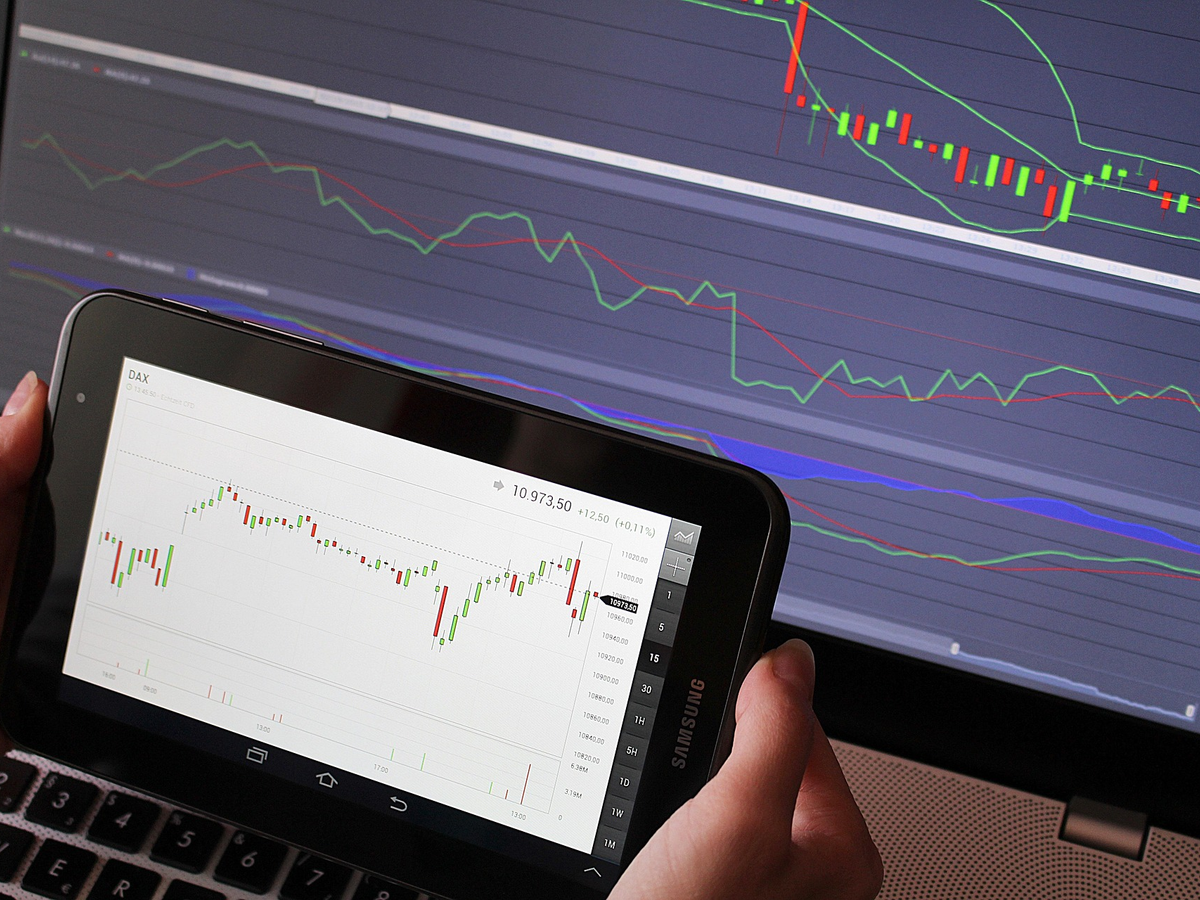
Vibe Check: The DAX 40 is moving in classic tug-of-war mode: German blue chips are caught between lingering recession worries and a cautious recovery narrative across Europe. Price action recently has been defined by sharp intraday swings, fake breakouts, and aggressive profit taking whenever the index approaches important resistance zones. Instead of a smooth trending market, traders are getting a choppy battlefield: one session looks like the German bulls are back, the next session feels like a slow-motion rug pull.
This is not the clean, one-directional melt-up many were hoping for. Volatility spikes around macro headlines, weak German data keeps the bears confident, but dips are still getting bought by institutional players looking for long-term value in quality industrials, autos, and exporters. In short: the DAX is not dead – it is in a high-stakes accumulation vs. distribution phase.
The Story: To understand where the DAX 40 goes next, you have to zoom out beyond Germany’s borders and look at the full European and global macro picture.
1. ECB vs. Growth: The Main Plot
The European Central Bank remains the dominant driver of sentiment. Markets are constantly repricing expectations around future interest rate cuts. On CNBC’s Europe coverage, the storyline is simple: the ECB is walking a tightrope between still-sticky inflation in some pockets and clear signs of economic fatigue, especially in Germany’s manufacturing base.
Traders are debating whether the ECB will pivot more aggressively if incoming data on industrial production, PMI surveys, and German business sentiment continue to look fragile. If the central bank signals a friendlier path – fewer hikes, earlier cuts, or a dovish tone – that tends to support European equities, particularly export-heavy indices like the DAX. But any hint of renewed hawkishness can quickly trigger a risk-off wave, especially in cyclical sectors like autos, chemicals, and machinery.
2. German Macro: The Industrial Engine Is Coughing
Germany is still wrestling with structural headwinds: slower global trade, higher energy costs compared to pre-crisis years, and lingering uncertainty around China demand. The once bulletproof narrative of “Germany = export machine” has been cracked but not fully broken.
Recent coverage on European markets highlights the pressure on German industrial output and the auto sector. Names like Volkswagen, BMW, and Mercedes-Benz are dealing with a double squeeze: fierce global competition (especially from EV players) and a tricky consumer environment. If auto earnings disappoint or guidance is cautious, that weighs heavily on the DAX’s mood, given their big index weight.
At the same time, any positive surprise – robust order books, improved margins, or upbeat commentary on demand from the US or Asia – can quickly trigger a relief rally in the index. That is why traders are glued to earnings season and forward guidance rather than just backward-looking data.
3. Euro vs. Dollar: FX as a Silent DAX Catalyst
The euro–dollar pair is a quiet but powerful driver of DAX sentiment. A softer euro tends to be constructive for German exporters: their goods become relatively cheaper on the global market, and foreign revenues translate into more euros on the balance sheet.
If the dollar remains relatively firm while the ECB leans more dovish than the Federal Reserve, this can keep the euro under pressure – and that is usually supportive for German multinationals’ earnings outlook. However, if the euro stages a strong comeback on optimism about European growth or a less aggressive Fed, that can cap some of the upside for export-heavy stocks. For active traders, keeping one eye on EUR/USD is non-negotiable when trading the DAX.
4. Energy Prices and the European Risk Premium
Energy remains a structural wildcard. Europe, and Germany in particular, still faces higher energy costs compared to many global competitors. When gas or power prices spike, investors quickly price in margin pressure for energy-intensive industries – chemicals, basic materials, and heavy manufacturers. That can add a “risk premium” to European equities: money flows into US tech instead, leaving the DAX lagging.
On the flip side, when energy prices calm down or drop, markets often breathe a sigh of relief. That can unlock short-term rallies in precisely those beaten-down sectors, feeding into a broader DAX bounce. In this environment, the DAX is extremely sensitive to any headline that hints at supply disruptions, geopolitical tensions, or regulatory changes in the energy space.
Social Pulse - The Big 3:
YouTube: Check this analysis: https://www.youtube.com/watch?v=K8qf3lZKZMc
TikTok: Market Trend: https://www.tiktok.com/tag/dax40
Insta: Mood: https://www.instagram.com/explore/tags/dax40/
On YouTube, creators are split: some call for a cautious accumulation of German blue chips, others warn of a looming breakdown if global risk sentiment turns. TikTok is full of quick-hit clips on European rate decisions and “buy the dip” strategies in DAX futures, while Instagram traders post charts of the index testing important zones, debating whether this is a consolidation for a bigger move or distribution before a slide.
- Key Levels: The DAX is trading around important zones where previous rallies have stalled and earlier selloffs have found support. These areas act like psychological battle lines – when price approaches the upper band, you often see sellers step in with profit taking or fresh shorts. Near the lower band, dip buyers, long-only funds, and systematic strategies tend to appear. A clean breakout above resistance with strong volume would signal that bulls are gaining the upper hand, while a decisive breakdown below support would confirm that bears are in control.
- Sentiment: Right now, sentiment is mixed and very news-driven. Euro-bulls are trying to argue that the worst of the European slowdown is behind us, pointing to stabilization in some surveys and the possibility of easier monetary policy later on. Bears counter that Germany’s industrial model is structurally under pressure, and any rally is just a chance to sell into strength. In practice, that translates into a market where both sides are active: rallies are sold, but deep drops are bought – classic range-trading psychology.
Trading Playbook: How to Think Like a Pro in This Market
1. Respect the Chop: This is a market where blindly buying breakouts or shorting every bounce is dangerous. The DAX is prone to fake moves in both directions. Smart traders wait for confirmation – closing prices beyond important zones, sustained volume, and alignment with macro headlines – before sizing up.
2. Sector Rotation Matters: Not every DAX stock is equal. Defensive names in healthcare, utilities, or consumer staples can hold up even if cyclicals get hit. Meanwhile, autos, industrials, and financials react violently to macro data and ECB soundbites. Rotations within the index can offer opportunities even if the headline index looks flat.
3. Watch the Euro and US Indices: The DAX rarely moves in isolation. If the euro suddenly surges or the S&P 500 and Nasdaq reverse sharply, the DAX often follows. Correlation trades still dominate institutional flows. That means: if you trade the DAX, you are indirectly trading global risk appetite.
4. Risk Management > Hero Trades: Leverage on CFDs or futures can turn a sideways choppy market into a capital-killer if you overtrade. Tight stops, controlled position sizes, and a clear time horizon (day trade vs. swing vs. long-term) are essential. Many accounts blow up not because the DAX crashes, but because traders fight the range and revenge trade.
Conclusion: The big question right now is simple: is the DAX 40 building a base for the next bull leg, or quietly setting up a trap for late buyers?
On the opportunity side, you have:
- Potential relief from the ECB if growth slows further and inflation normalizes.
- A supportive backdrop from a potentially weaker euro, which can help German exporters.
- Valuations in some DAX names that already price in a lot of bad news, especially in cyclical and industrial sectors.
On the risk side, you face:
- Persistent structural challenges for German industry, from energy costs to global competition.
- The possibility that global risk sentiment sours, pulling down all equity markets together.
- Range-bound, whipsaw price action that punishes late entries and overconfident leverage.
For active traders, the game plan is clear: respect the important DAX zones, marry your chart work with macro headlines, and do not chase every move. For investors, this environment may offer selective opportunities in quality German blue chips, but patience and diversification are key.
The DAX 40 in 2026 is not a simple “to the moon” story, nor is it a guaranteed crash. It is a battlefield of narratives: euro-bulls vs. global bears, industrial realists vs. tech-maxi FOMO. If you bring structure, discipline, and a clear plan, this volatility is not something to fear – it is something you can potentially harness.
Just remember: survival comes before glory. Manage your risk first; the opportunities will always be there for traders who stay in the game.
Tired of poor service? At trading-house, you trade with Neo-Broker conditions (free!), but with real professional support. Use exclusive trading signals, algo-trading, and personal coaching for your success. Swap anonymity for real support. Open an account now and start with pro support
Risk Warning: Financial instruments, especially CFDs on indices like the DAX 40, are complex and come with a high risk of losing money rapidly due to leverage. You should consider whether you understand how these instruments work and whether you can afford to take the high risk of losing your money. This content is for informational purposes only and does not constitute investment advice.
So schätzen die Börsenprofis Aktien ein!

Für. Immer. Kostenlos.