Chicago 2026: Why Their New Tour Still Hits Different
06.03.2026 - 17:26:38 | ad-hoc-news.de
You can feel it across fan forums and TikTok comments right now: Chicago are quietly turning into one of 2026’s most surprising must-see live acts. Not in a nostalgia-club way, but in a "wait, these guys still sound huge" way. With new tour dates landing and fans swapping setlists like trading cards, there’s a real sense that if you’ve ever yelled along to "25 or 6 to 4" in the car, this might be the year you finally see it with the horns shaking the room.
Check the latest Chicago 2026 tour dates & tickets here
For Gen Z and millennials discovering the band through playlists, samples, or parents’ vinyl, the idea of Chicago as a living, touring machine can be a bit of a shock. But scroll through fresh fan-shot videos and you’ll see it: full brass section, stacked harmonies, and crowds that span three generations screaming every word. So what exactly is going on with Chicago in 2026, and why is the buzz building again?
The Backstory: Breaking News in Detail
Over the last few weeks, the buzz around Chicago has kicked up a gear thanks to a run of new and extended tour dates, particularly across the US with select international stops being teased in interviews and at shows. On their official channels and site, the band have been quietly filling up the calendar with a mix of headlining dates and co-headline-style nights in arenas and outdoor venues that lean hard into that "classic rock but make it massive" energy.
In recent interviews with US music outlets, longtime members have leaned into a clear message: Chicago isn’t interested in shrinking into a legacy act that just mails it in. They’ve talked about tightening the show pacing, refreshing arrangements, and building a setlist that runs like a full-story concert experience rather than a jukebox shuffle. The takeaway: they know people are making a night of this, and they’re treating it like an event.
There’s also a subtle generational handoff happening. Fans have been noticing more younger faces in the crowd, and some recent press has highlighted how streaming has quietly boosted Chicago’s monthly listeners again. Songs like "Saturday in the Park," "If You Leave Me Now," and "You’re the Inspiration" keep landing in chill, soft rock, and "feelgood throwback" playlists, which means a lot of twenty-somethings are showing up already knowing the hooks even if they’ve never touched a record player.
From a fan perspective, the "why now?" is a mix of nostalgia, curiosity, and straight-up FOMO. Reddit threads have people admitting they "never got around" to seeing them with parents or older relatives, and now there’s a sense of urgency: if you want to hear this horn-heavy rock sound in full force, you don’t want to keep putting it off. On TikTok, quick clips of the band nailing those high choruses are doing numbers, and comments are full of people tagging friends with "we’re going" energy.
Another factor behind the renewed focus: there’s ongoing chatter about the band leaning into anniversaries of key albums and singles. While official long-form anniversary projects haven’t been laid out in full, the way the live show is structured in 2026 feels like a subtle celebration of different eras—early jazz-rock, the big 80s ballads, and the deeper catalogue that hardcore fans always beg for. The implication is clear: if you care about album cuts as much as the hits, this is a good tour cycle to catch.
On top of that, there’s persistent speculation—fuelled by fan comments and interview hints—that Chicago could use this touring run to test arrangements for future live releases or even inspire new studio work. No one’s promising a full new album on a specific date, but the energy around the camp feels active, not archival. For fans, that’s huge: it means this isn’t just a museum piece; it’s a band that still wants to move.
The Setlist & Show: What to Expect
So if you actually buy a ticket and walk into a Chicago show in 2026, what are you walking into? Recent setlists shared by fans online paint a clear picture: this is a career-spanning, nearly two-hour-plus show that’s stacked with hits but not afraid to get a little nerdy for longtime followers.
Most nights, things kick off with something high-impact from the early catalogue—think "Introduction" or "Questions 67 & 68"—the kind of songs that remind you Chicago began as a punchy, horn-driven rock band with serious chops. From there, the show tends to flow into a run of instantly recognisable tracks: "Dialogue (Part I & II)," "Make Me Smile," and "25 or 6 to 4" often appear early enough to ignite the crowd without blowing all the biggest moments at once.
The middle of the set is where the emotional weight lands. Recent fan reports describe a stretch that leans into the ballads and radio staples: "If You Leave Me Now," "Hard to Say I’m Sorry," "You’re the Inspiration," and "Hard Habit to Break." These songs turn entire arenas into one huge choir. People who usually sit still at shows end up singing, phones come out, couples are swaying. Even if you think you’re immune to soft rock sentiment, hearing thousands of voices hit those choruses is a different thing in person.
But it’s not just a greatest hits karaoke session. Deeper cuts like "Old Days," "Wake Up Sunshine," or later-era tracks surface depending on the night, and hardcore fans obsess over these differences on Reddit and setlist sites. That variability gives the 2026 tour a "you had to be there" feel. If you catch one of the nights where they pull out less-obvious songs, you’ll come away feeling like you got something rare.
Sonically, fans describe the 2026 shows as loud but clean. The horn section is pushed right up front—trumpet, trombone, sax—so those classic lines in "Does Anybody Really Know What Time It Is?" or "Beginnings" punch through the mix. Drums are tight, with a focus on groove over pure power, and bass lines stay warm and melodic. Modern sound systems give older arrangements a clarity that sometimes even beats vintage recordings, especially in outdoor venues.
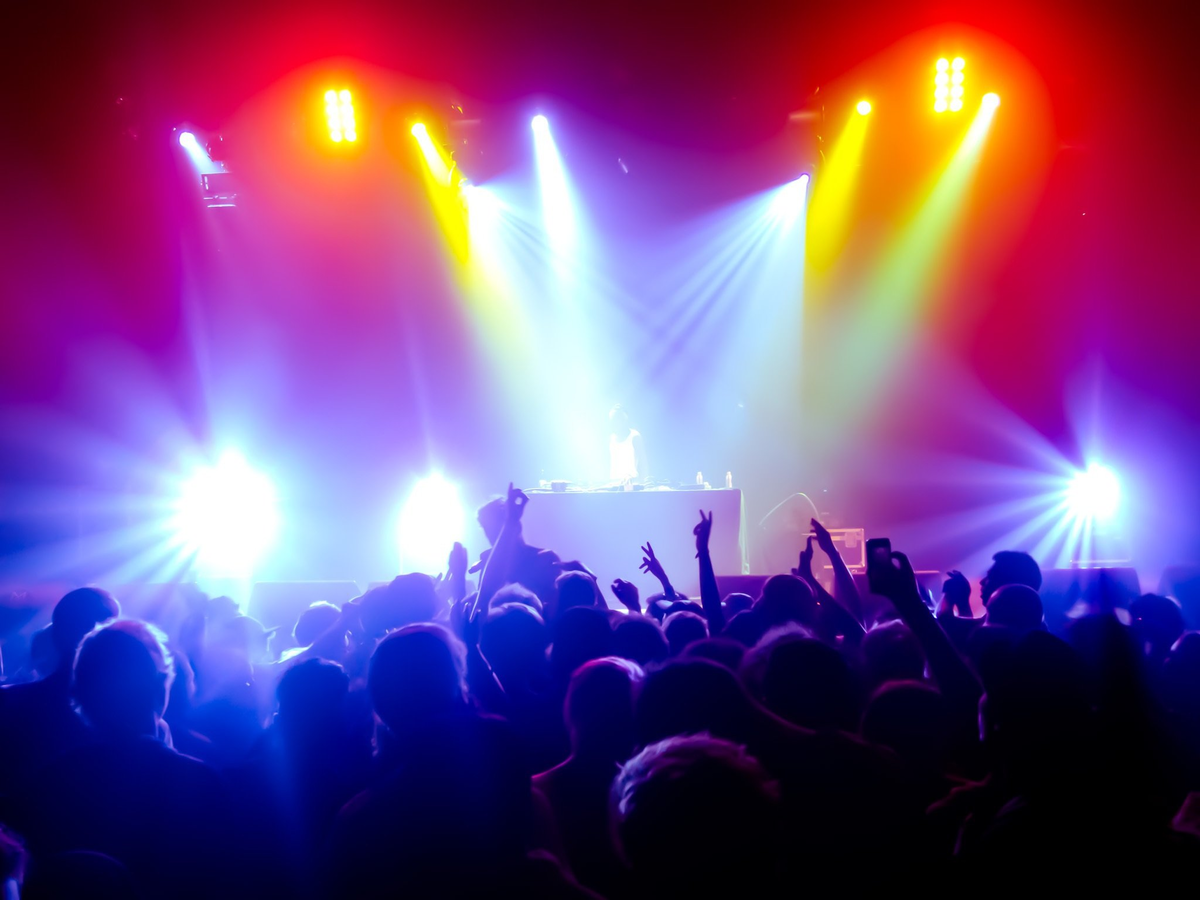
Stage-wise, don’t expect pyrotechnics and massive LED storylines. Chicago’s visual aesthetic remains relatively simple: tasteful lighting, a clear view of every player, and just enough motion on stage to keep things feeling alive. The drama comes from dynamic shifts. When the band drops from full horn blast into a quiet piano intro for a ballad, you feel the room breathe together.
Another big part of the 2026 experience is generational connection. Numerous fan reviews mention spotting parents, kids, and even grandparents all at the same show. For younger fans, that creates a strange but wholesome vibe: you’re hearing songs you might know from movies or playlists, but you’re also watching people who lived through those releases in real time losing their minds with you. It turns the concert into a shared cultural moment, not just a night out.
And yes, don’t stress: "25 or 6 to 4" is still a closer or near-closer. When that guitar riff hits near the end of the night and the horns lock in, it’s pure adrenaline. Even people who only know the chorus end up shouting it like a lifelong fan.
What the web is saying:
Rumor Mill: What Fans Are Speculating
Online, the Chicago fandom in 2026 is way more active than casual listeners might think. Reddit threads and TikTok comments are packed with theories about what this touring run really means, and whether we’re on the edge of something bigger than "just another tour."
One of the loudest theories right now: an expanded anniversary focus that could lead to special shows or recordings. Fans on r/music and classic rock subs keep pointing out date alignments and setlist tweaks, guessing that certain albums might get spotlight treatment—full-album performances, deeper cuts from specific eras, or even live recordings built around those themes. While the band haven’t confirmed anything like that directly, some subtle comments in interviews about "honouring the past in new ways" are fuelling the fire.
Another hot topic: will Chicago drop any new studio material tied to this touring cycle? Nobody’s expecting a sudden pivot to TikTok-core production or EDM collabs, but listeners have noticed that some arrangements on tour feel slightly modernised—tighter intros, more emphasis on groove, and a bit of dynamic flair that suggests the band are still thinking creatively. That’s led to repeated threads asking whether they’re working on new songs backstage, or at least considering another original project or a live album that highlights the current lineup.
There’s also chatter about surprise guests. Because Chicago’s music has influenced everyone from jam bands to pop and R&B acts, fans are speculating about guest appearances in key cities—especially in LA, New York, and UK/European dates if and when they expand the schedule. Names get thrown around wildly: younger horn players, alt-pop vocalists who grew up on soft rock, even indie acts that have covered "If You Leave Me Now" on YouTube. So far, actual surprise guests have been rare, but that doesn’t stop fans from scanning every city announcement and setlist for a clue.
Ticket pricing, as always, has its own subplot. Some fans have flagged higher prices for premium seats compared with pre-2020 tours, especially in major US arenas, and there are the usual debates about VIP packages, meet-and-greets, and dynamic pricing. On the flip side, people who have already gone this year report that the sound, length of show, and overall experience justify the cost more than they expected. Common theme in comments: "I thought I was just going to see my parents’ band. I left feeling like I’d seen a real show."
TikTok is adding another layer: short clips of horn breaks, crowd singalongs, and backstage glimpses are turning into mini-viral moments, especially when they tap into trends like "songs my parents played that still hit." That exposure is dragging in curious new listeners who might never have searched Chicago on their own, but now suddenly want to see if the live show matches the hype.
One more subtle, but recurring theory: the band could be road-testing arrangements and pacing for a future filmed concert or streaming special. Fans have noticed how tight the transitions are between certain clusters of songs and how clean the lighting looks on clips. It feels like something built to be documented. Whether that’s a conscious move toward a concert film or just a band that takes its production seriously, the rumour alone is keeping people locked in and watching for official hints.
Key Dates & Facts at a Glance
If you’re trying to plan your year around Chicago’s 2026 activity, here are the essentials fans keep bookmarking:
- Official tour hub: All current and newly added dates are listed on the band’s site at the dedicated tour page, which gets updated as shows sell out or new cities are confirmed.
- US tour focus: 2026 is heavily centred on US arenas, theatres, and outdoor amphitheatres, with dates spread across spring, summer, and early fall to hit multiple regions.
- Potential UK/Europe activity: While not fully rolled out at the time of writing, band members have hinted in interviews that they’re keen to return to European stages if schedules, routing, and demand line up.
- Set length: Recent fan reports suggest Chicago are playing roughly two hours, sometimes pushing a little longer depending on venue curfews and added songs.
- Core hits almost always played: "25 or 6 to 4," "Saturday in the Park," "If You Leave Me Now," "You’re the Inspiration," "Hard to Say I’m Sorry," and "Does Anybody Really Know What Time It Is?" appear on the vast majority of recent setlists.
- Multi-generational crowd: Fans consistently report a wide age range in the audience, from teenagers up to original-era fans who’ve been there since the early albums.
- Streaming impact: Chicago’s streaming stats have stayed strong in soft rock and classic rock playlists, helping drive younger listeners to check the tour dates.
- Merch highlights: Recent shows feature retro-styled shirts and posters that nod to different eras of the band’s history, alongside more minimalist designs that match 2020s streetwear vibes.
FAQ: Everything You Need to Know About Chicago
Who are Chicago in 2026, and why do they still matter?
Chicago are one of the most enduring American rock bands, known for blending rock, pop, jazz, and brass in a way that still feels unique decades later. In 2026, they matter because they occupy a space almost no one else does: a fully live, horn-driven band with arena-level songs that haven’t been replaced by backing tracks or reduced to a nostalgia revue. For younger fans overwhelmed by laptop-heavy pop shows, seeing real horns, real drums, and big vocal stacks in front of you hits differently.
The current lineup mixes longtime core members with newer players who grew up on the music and bring fresh energy on stage. That balance lets them honour the classic sound while keeping the show from feeling frozen in time. Add in the fact that their songs continue to pop up in films, TV, playlists, and TikTok edits, and you’ve got a catalogue that quietly keeps re-entering the culture.
What kind of music does Chicago actually play live now?
If you’ve only heard the power ballads, you might expect a slow, soft show. The reality in 2026 is much more varied. Chicago’s live set weaves together:
- Horn-heavy rock: Tracks like "25 or 6 to 4" and "Make Me Smile" hit hard, with guitar and drums driving the sound while the horns cut on top.
- Jazz-tinged grooves: Songs with more complex chord changes and rhythmic shifts, nodding to the band’s jazz and fusion roots.
- Big emotional ballads: The 80s-era hits give the show its slow-burn highlights, turning venues into giant singalongs.
- Deep-cut experiments: Depending on the night, they’ll pull out less obvious songs that show off arrangements, solos, and harmonies.
So if you’re worried it might be "too chill," don’t be. The pacing is designed to keep energy high while giving you emotional peaks rather than one flat line.
Where can I see Chicago on tour in 2026?
The most reliable, up-to-date place to see exactly where Chicago is playing is their official tour page. That’s where new dates, venue changes, sold-out notices, and added shows get posted first. In 2026, most of the activity is in the US, covering major cities and a mix of big arenas and more intimate theatres or amphitheatres. Some fans are holding out for European and UK shows, and while there’s no full public schedule yet, subtle hints suggest more announcements could land later in the year if logistics work out.
When should I buy tickets, and are they selling out?
Short version: don’t sleep on it. While Chicago aren’t fighting Taylor Swift levels of instant sell-outs, a lot of the good seats for weekends and big cities go fast, especially once fan-shot videos start circulating from early dates. In some markets, mid-tier seats are the sweet spot, offering good sound and view without VIP pricing.
Fans recommend checking the official tour link first rather than relying entirely on third-party resellers. That’s where you’ll see face-value tickets, official pre-sales, and any newly released seat blocks. For smaller cities or weekday shows, you might be able to wait a bit longer, but for bucket-list venues or if you’re travelling in, it makes sense to lock in early.
Why do people keep saying Chicago is a "multi-generational" show?
Because you genuinely see three generations in one row. Grandparents who remember hearing the first albums on vinyl, parents who grew up with the 80s ballads as prom soundtracks, and younger fans who know the hooks from playlists or movie soundtracks. That mix creates a completely different vibe from most rock shows.
For Gen Z and millennials, it can feel like stepping into a live version of the music that’s quietly been playing in the background of your life—family barbecues, long car rides, wedding playlists—except now you’re in the room with the people who wrote it. There’s also something unexpectedly cool about seeing older fans losing it when the horns come in. It reminds you that these songs weren’t always "classic"; they were new, and a little wild, once.
What should I listen to before the concert to prepare?
If you want to walk into the venue fully ready to scream every chorus, build yourself a short Chicago essentials playlist with tracks like:
- "25 or 6 to 4"
- "Saturday in the Park"
- "If You Leave Me Now"
- "You’re the Inspiration"
- "Hard to Say I’m Sorry"
- "Does Anybody Really Know What Time It Is?"
- "Make Me Smile"
- "Beginnings"
From there, dip into a few deeper cuts that fans rave about: "Old Days," "Dialogue (Part I & II)," or some of the longer early tracks that show off the band’s musicianship. By the time you get to the show, you’ll catch way more details in the arrangements and feel more connected when the crowd reactions kick in.
Is a Chicago show in 2026 worth it if I only know a few songs?
Yes. Most people who walk in knowing just three or four hits walk out saying they recognised way more than they expected. Chicago’s songs have lived in radio, soundtracks, and background playlists for so long that a lot of hooks are already in your head—you just haven’t matched them with the band name. Live, those hooks come into focus.
Even beyond recognition, there’s the pure live-music factor. If you’re used to heavily programmed pop, seeing a full band with horns, rhythm section, and multiple vocalists handle two hours of material in real time is refreshing. You feel the push and pull of actual musicians making decisions, reacting to the crowd, stretching endings, or leaning into a solo a little longer because the room is with them. That’s the magic a lot of fans are chasing in 2026, and why Chicago’s name keeps popping back up in conversations about must-see tours.
So schätzen die Börsenprofis Aktien ein!

Für. Immer. Kostenlos.