
Bob Dylan 2026: Why Everyone’s Talking Again
08.03.2026 - 13:14:56 | ad-hoc-news.de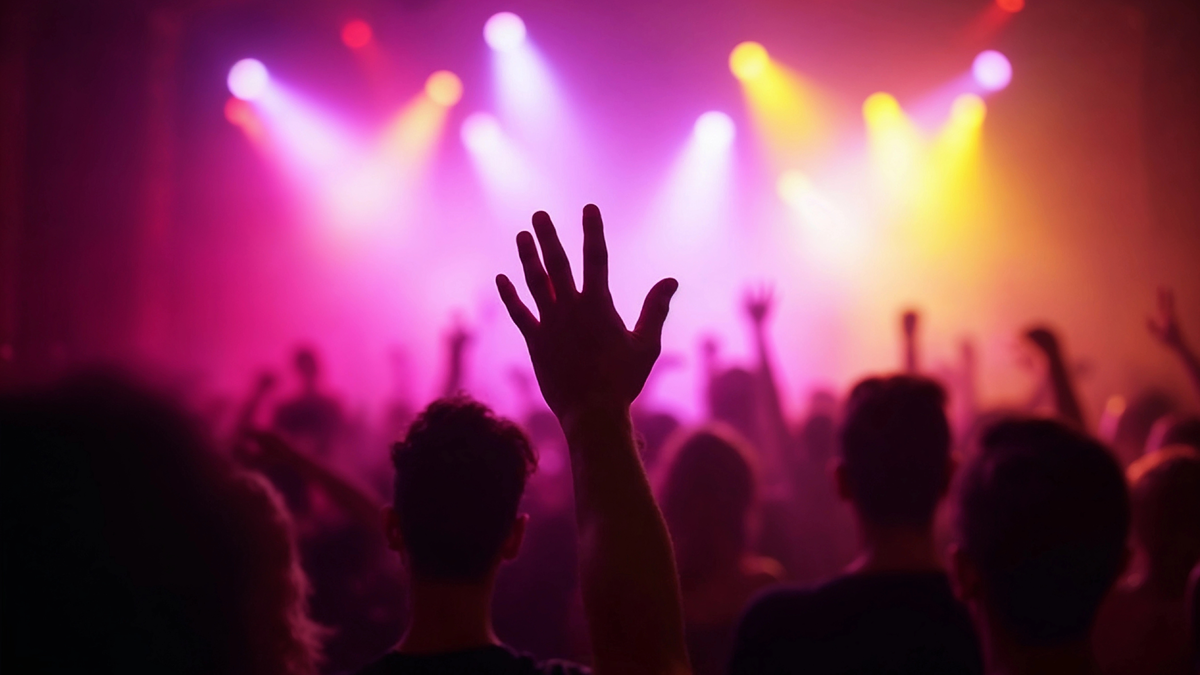
You can feel it building again, right? That low-key rumble that always seems to start whenever Bob Dylan moves, posts, or quietly updates a tour page. In 2026, "Bob Dylan" isn’t just a legendary name in a history book; it’s a live topic on Reddit threads, TikTok edits, and late-night group chats where someone always says, "Wait, is he really touring again?"
Check the latest official Bob Dylan tour dates
Every tiny change on that page sends fans straight into detective mode. One new city added? Cue the tour-leak spreadsheets. A week with no shows? Must be a secret recording session. And because this is Dylan, the mystery is part of the thrill. He rarely explains anything. He just books the shows, walks on stage, changes the songs, and leaves people arguing online about what it all means.
So if you’re trying to work out what exactly is happening with Bob Dylan right now, what to expect from the live show in 2026, and why fans are convinced there’s more going on than just another leg of the Never Ending Tour, here’s the full breakdown.
The Backstory: Breaking News in Detail
Over the last few weeks, music news feeds and fan forums have zeroed in on one thing: Bob Dylan’s next moves. Even when there’s no loud press release, fans notice patterns. New clusters of North American and European dates appearing on the official site. Gaps in the routing that look suspiciously like space for festival appearances. Venues that point to a specific kind of show: more theaters and opera houses, fewer giant arenas.
That shift is crucial. Dylan’s recent tours have leaned into intimate theaters where the focus is on sound, not spectacle. Think 2,000–4,000 seat venues, strong acoustics, and a crowd that’s there to listen, not just shout for "Like a Rolling Stone." Industry writers have been pointing out that this is the phase where Dylan is doubling down on what he does best: sharp band arrangements, deep-cut setlists, and a vibe that feels closer to a jazz residency than a nostalgia lap.
In several recent interviews with long-time observers and biographers (quoted in places like Rolling Stone and UK press), the same theme keeps popping up: Dylan likes motion. He doesn’t retire. He reshapes. When he pivoted into the "Rough and Rowdy Ways" era, the shows became slower, more shadowy, with his newer songs taking center stage. Now, the latest touring chatter suggests he’s keeping that energy but loosening the format—slipping in more classics, shuffling the order, keeping everyone on edge.
For fans, the implication is simple: if you skip a show assuming "he’ll play the same set tomorrow," you might miss the night he pulls out a song he hasn’t touched in a decade. That sense of one-off magic is exactly why tickets disappear fast even without traditional hype. Dylan doesn’t chase the algorithm; the algorithm chases him.
Another big angle in recent coverage is legacy. A lot of 2026 music discourse revolves around catalogs, AI, and how artists will exist in 20 years. Dylan has already rewritten those rules with his massive catalog deal and ongoing tour work. Critics have pointed out that every new run of dates now feels like another chapter in how a 20th-century icon chooses to exist in the streaming, TikTok, and playlist era. Instead of doing a farewell theater run or a Vegas residency, he keeps the route unpredictable and the setlists slippery.
So when fresh dates show up for the US, the UK, or mainland Europe, it’s bigger than "Oh cool, another tour." It’s more like a live experiment in how an 80-something songwriter can still command attention from three different generations at once—boomers, millennials who grew up on their parents’ CDs, and Gen Z kids discovering "Blowin' in the Wind" because it popped up between two hyperpop tracks.
The Setlist & Show: What to Expect
If you only know Dylan from playlists, you might picture a greatest-hits singalong. That’s not what his 2020s shows are like. Recent setlists from his tours—circulating online through fan-run sites and night-by-night reports—show a very specific pattern: he builds the night around his later-period work, then weaves in reimagined versions of classics.
Expect songs like "I Contain Multitudes" and "False Prophet" from "Rough and Rowdy Ways" to stay locked in as anchoring moments. They’ve become the emotional spine of the set. Fans report that when he sings lines like "I’m just like Anne Frank, like Indiana Jones" live, the room goes silent, not because everyone understands every reference, but because of the weight he puts behind them at this age.
Older songs drop in and out. One night you might get "When I Paint My Masterpiece" with a rough, piano-led feel; another night you get "Gotta Serve Somebody" twisted into a harder, bluesy stomp. Tracks like "Things Have Changed," "Highway 61 Revisited," or "Simple Twist of Fate" are regular visitors, but rarely in their original, album-perfect form. Dylan updates the melodies, shifts the phrasing, and sometimes you only recognize the song once the chorus lands.
The lighting and staging are minimal. Think dim, golden washes, sometimes a single spotlight, no giant LED backdrops. It feels more like walking into an after-hours club where everyone’s decided this is a listening room. The band is tight and disciplined, built around guitar, keys, bass, and drums, with arrangements that nod to jazz, swing, country, and old-school rock & roll.
There’s also the Bob Dylan rule you either accept or fight: almost zero banter. Don’t expect long stories about the ’60s or explanations of lyrics. He typically walks out, maybe tips his hat, and gets straight to it. For some people, that’s disappointing. For others, it’s exactly the point—no mythologizing, just the work.
Recent fan accounts from US and European tour legs have highlighted a few recurring moments:
- A hush when he sits at the piano and leans into ballads like "Melancholy Mood" or "I’ve Made Up My Mind to Give Myself to You."
- Surprise jolts when he suddenly opens with or drops in a classic like "Watching the River Flow" or "Most Likely You Go Your Way (and I’ll Go Mine)."
- A sense that each city gets its own little twist—a rearranged outro, a different closer, or a random deep cut that leaves hardcore fans near tears.
Support acts, when there are any, tend to be carefully chosen songwriters rather than chart-chasing openers. Think seasoned Americana artists, roots-rock bands, or solo storytellers who can handle a crowd that’s really there for the main event. Ticket prices are usually tiered by venue—more affordable seats up high, premium prices closer to the stage—mirroring other major heritage acts, but the real value comes from knowing this isn’t a museum-piece recreation. It’s a living, shifting show.
What the web is saying:
Rumor Mill: What Fans Are Speculating
Dylan fandom has always loved a rumor, and 2026 is no different. On Reddit’s r/music and various Dylan-focused subs, one of the hottest theories right now is that this next wave of dates is a bridge into a new studio era. The logic goes like this: when Dylan starts clustering shows around certain cities with big studios—Los Angeles, Nashville, London—people start watching for signs of late-night recording sessions.
Some fans point to the gaps between specific shows as "evidence" that he’s blocking off time to cut new material. Others think he’s more likely finishing vault projects, alternate takes, or the next volume of his ongoing bootleg series. TikTok has picked up pieces of this chatter too, with short explainers stitching together tour maps and archive release patterns.
Another recurring rumor: special guests. Whenever Bob plays in cities loaded with notable musicians, speculation spikes. Will a contemporary star show up unannounced for one song? Could there be a duet with a younger artist who grew up on his music? While Dylan history tells us not to expect flashy cameos, the fantasy keeps fans buying tickets for multiple nights—"just in case."
Ticket prices naturally stir conversation as well. Some posts complain about dynamic pricing on certain platforms, especially for prime seats in major markets. Others counter that for a legend still actively reshaping his songs, the price compares with any big-name arena tour and can even be lower in some theaters.
There’s also a generational storyline running through social media: younger fans documenting their "first Dylan show" experiences. TikTok clips capture parents and kids together in the crowd; Instagram captions read like mini-essays about seeing someone live who has been sampled, covered, and quoted by half the artists in their playlists. That cross-generational vibe feeds the feeling that these shows are more than "classic rock" nights—they’re live history lessons that somehow don’t feel like homework.
Finally, conspiracy-leaning fans always track his setlists for patterns. If he plays a run of spiritual-leaning songs, someone claims a "gospel phase 2" is coming. If the shows lean heavy on "Rough and Rowdy Ways," they predict a direct sequel album. Realistically, Dylan has always followed his own logic. But decoding that logic—whether through Reddit thinkpieces or meticulous X (Twitter) threads—has become part of the fandom itself.
Key Dates & Facts at a Glance
- Official tour hub: All confirmed dates and cities are listed on the official site at bobdylan.com/on-tour.
- Venue style: Recent tours focus on theaters, historic halls, and select festivals rather than giant stadiums.
- Typical show length: Around 90–120 minutes with no intermission, depending on the night.
- Setlist balance: A strong core of songs from "Rough and Rowdy Ways" plus rotating classics like "Highway 61 Revisited," "Things Have Changed," and deeper cuts.
- Stage presence: Minimal talking, heavy focus on performance, piano and vocals front and center.
- Age & era: Born 1941, Dylan is now in his 80s and still touring regularly across the US, UK, and Europe.
- Catalog footprint: Dozens of studio albums, multiple Bootleg Series volumes, plus recent archival and box set releases continue to reframe his work.
- Ticket availability: Official tickets are usually sold via venue sites and linked from the official tour page; resale markets can be significantly higher.
FAQ: Everything You Need to Know About Bob Dylan
Who is Bob Dylan and why does he still matter in 2026?
Bob Dylan is one of the most influential songwriters in modern music. For older generations, he’s the artist who turned the 1960s upside down with songs like "Blowin' in the Wind" and "The Times They Are A-Changin'." But his impact didn’t freeze in that era. Across the ’70s, ’80s, ’90s, and beyond, he kept changing styles—from folk to rock to gospel to strange, surreal late-night poetry. He’s been covered by everyone from Jimi Hendrix to Adele, referenced in hip-hop lyrics, and studied in universities.
In 2016 he even received the Nobel Prize in Literature, which basically made the world admit that songwriting can be serious art. In 2026, his relevance comes from a mix of history and immediacy. Yes, he’s an icon, but he’s also still writing, recording, and touring. The way he reworks his old songs live keeps them from turning into museum exhibits. For younger fans, he’s less a "boomers-only" artist and more a mysterious figure whose music keeps showing up as DNA inside their favorite bands and rappers.
What kind of show does Bob Dylan put on these days?
If you’ve never seen Dylan, reset your expectations. He doesn’t do storytelling monologues or karaoke versions of his hits. The 2020s shows feel like a tight, moody band locked in on the songs. He often stands or sits at the piano, sometimes plays harmonica, and lets the musicians swirl around his voice. The arrangements are sharper and more rhythmic than you might expect, often pulling from blues, swing, and early rock & roll rather than straight folk.
He changes tempos, rewrites melodies, and occasionally twists a famous chorus into something almost new. Some people walk in expecting to sing along to "Like a Rolling Stone" and leave slightly dazed, but others catch on fast: you’re not there to recreate the record; you’re watching a songwriter stress-test his own catalog in real time.
Will he play the big hits like "Blowin' in the Wind" or "Like a Rolling Stone"?
Maybe—and that uncertainty is a huge part of the culture around his shows. In recent years, those towering hits have sometimes gone missing from the setlists entirely, replaced by deep album cuts or more recent songs. When they do show up, they usually sound very different from the original versions, with new rhythms or phrasing.
If you go in expecting a jukebox night, you might be thrown. But if you’re open to hearing the songs as living things instead of artifacts, the surprises become the best part. Many hardcore fans will tell you their favorite moments weren’t the hits at all but unexpected pulls like "Not Dark Yet," "Every Grain of Sand," or "It’s Alright, Ma (I’m Only Bleeding)."
How can I find out if Bob Dylan is coming to my city?
Your first stop should always be the official tour page at bobdylan.com/on-tour. That’s where confirmed dates, venues, and ticket links appear. Fan forums and social media often share leaks or rumors, but those can change. The official site is where real announcements land.
Because new dates can pop up in waves, it’s worth checking regularly or setting up alerts via venue mailing lists. A lot of theaters send early presale info to subscribers, which can give you a shot at better seats before the general rush.
Why do some fans see multiple shows on the same tour?
With many major pop tours, one night is enough because the show is basically identical every evening—same songs, same staging, same banter. Dylan flips that model. He keeps a framework, but small choices shift night to night: different openers, surprise deep cuts, new arrangements that only appear once.
Hardcore fans treat it like following a jazz band or DJ across several nights: each show has its own mood. Setlist-watchers compare notes online, arguing about which city "won" based on unexpected songs or especially intense performances. If your budget allows, catching two shows in different cities can feel like seeing two different versions of the same universe.
Is a Bob Dylan concert actually worth it if I’m a casual fan?
Short answer: yes, if you go in with the right mindset. If you’re expecting a polished nostalgia show with storytelling between every song and perfect recreations of 1960s records, you might leave confused. But if you’re into live music as a living, breathing thing—where songs can morph, moods can change, and a vocalist in his 80s can still twist a line so hard it stings—the experience hits differently.
Think of it less as "checking off a legend" and more as walking into a late-night session where everyone on stage has been playing for decades and still wants to find a new angle. Even if you only recognize a handful of songs, there’s something surreal about hearing that voice in person, in a room full of people who’ve been following him across half a century.
How should I prep for the show?
If you want to deepen the experience, spend some time with both sides of his catalog: the obvious classics and the newer records. Spin "Rough and Rowdy Ways" front to back—it’s been a cornerstone of his recent tours. Mix in older albums like "Highway 61 Revisited," "Blood on the Tracks," and "Oh Mercy" to get a feel for the different eras he pulls from.
Beyond that, leave some room for surprise. A lot of the power of a Dylan show in 2026 comes from encountering songs you haven’t memorized. You recognize the tone, the attitude, the way the band turns on a single drum fill or piano line. The less you expect a fixed script, the more you’ll notice the details that keep fans coming back.
Hol dir jetzt den Wissensvorsprung der Aktien-Profis.

Seit 2005 liefert der Börsenbrief trading-notes verlässliche Anlage-Empfehlungen – dreimal pro Woche, direkt ins Postfach. 100% kostenlos. 100% Expertenwissen. Trage einfach deine E-Mail Adresse ein und verpasse ab heute keine Top-Chance mehr. Jetzt kostenlos anmelden
Jetzt abonnieren.


