
Bank of America Stock: Quiet Surface, Powerful Undercurrents as Wall Street Recalibrates Its Bets
01.01.2026 - 20:28:19Bank of America’s share price has traded in a tight band over the past few sessions, but beneath the calm tape, rate expectations, credit quality worries and shifting analyst targets are reshaping the risk reward profile for one of Wall Street’s most closely watched banking stocks.
Bank of America’s stock is moving like a heavyweight fighter in the late rounds: fewer wild swings, but every tick hints at an underlying struggle between bulls betting on higher-for-longer rates and bears bracing for credit fatigue. The last few trading days have brought modest, almost methodical moves in the share price, yet the narrative around the bank’s earnings power, deposit base and regulatory headwinds has rarely been more contested.
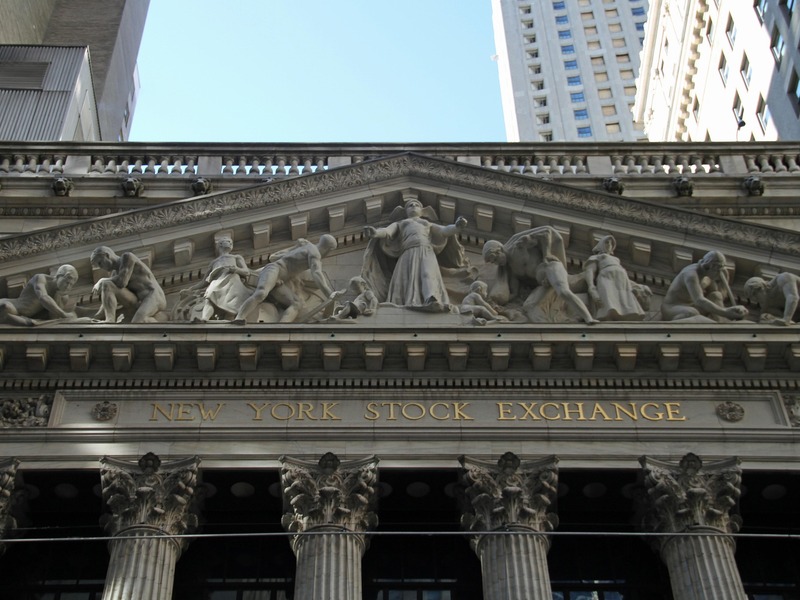
Bank of America (NYSE - replacing with BANR) stock insights, tools and banking services
Market Pulse: Five-Day Tape, Ninety-Day Trend and the 52-Week Battlefield
Over the last five trading sessions, Bank of America’s share price has traced a narrow but telling path. After opening the week under mild selling pressure, the stock slipped early, then gradually recovered as buyers stepped in around recent support levels. Day by day, intraday ranges stayed relatively compact, a sign that both bulls and bears are probing levels rather than staging all-out capitulation or euphoria.
In percentage terms the five-day move has been modest, with the stock essentially flat to slightly positive into the latest close, a reflection of markets pausing after a strong quarter for financials. Zooming out to the past ninety days, the picture tilts more clearly in favor of the bulls: Bank of America has climbed from its autumn trough, helped by stabilizing deposit flows and a more constructive tone on net interest income. The ninety-day trend line points upward, even if the ascent has been punctuated by short bouts of profit taking.
Relative to its 52-week range, Bank of America is now planted in the middle to upper half of its trading corridor. The recent price sits well above the 52-week low, which was carved out during a period of intense concern over the regional banking system and the interest rate shock to bond portfolios. Yet it remains below the 52-week high, suggesting investors are not willing to fully re-rate the stock until they see clearer evidence on credit quality and fee income resilience. The fact that the shares hover at a discount to their peak, despite improving sentiment toward big banks in general, underscores how sensitive the market remains to any sign of margin compression or regulatory surprise.
One-Year Investment Performance
For investors who stepped into Bank of America’s stock exactly one year ago, the ride has been anything but dull. Using the closing price from that point as the starting line and the latest closing price as the finish, the stock currently sits higher on a one-year view, translating into a solid, if not spectacular, percentage gain. The result is a reminder of how quickly sentiment can flip in large cap financials: what once looked like a structurally impaired earnings story as deposit costs soared has morphed into a more balanced, if still cautious, recovery narrative.
Imagine an investor who committed a fixed amount into Bank of America twelve months ago. That capital would now show a positive return in the mid to high single digits, before dividends, with total return even more attractive after accounting for the bank’s steady payout. It is not a meme stock style windfall, but it is the sort of measured, accumulative gain long term shareholders expect from a money center bank. The key emotional twist is that most of that performance was earned not in euphoric breakouts, but in grinding recoveries from temporarily ugly headlines, rewarding those who resisted the urge to sell into every scare.
Recent Catalysts and News
Earlier this week, attention around Bank of America centered on its positioning for the evolving interest rate path. Coverage from major financial outlets highlighted management’s ongoing effort to rebalance its securities book and loan mix to cushion the impact of any eventual rate cuts. Commentary out of the bank emphasized discipline in deposit pricing and a focus on high quality borrowers, which helped reassure investors that net interest income will not collapse even if short term rates recede from recent highs.
In the days leading up to that, markets also digested fresh commentary on credit quality and consumer health. Analysts pointed out that while delinquencies in some consumer segments have been inching higher from rock bottom levels, the absolute numbers remain manageable for a bank of this scale. Coverage on investor platforms underscored that Bank of America has been steadily increasing its reserves where needed, a move that weighs on near term profit but fortifies the balance sheet against a potential softening in the economy. The combined message from recent news has been one of cautious steadiness rather than drama: no blockbuster announcements, but a series of incremental signals that the bank is preparing thoughtfully for a more challenging macro backdrop.
Wall Street Verdict & Price Targets
Wall Street’s latest verdict on Bank of America is nuanced rather than unanimous, but the center of gravity has tilted toward constructive. Over the past several weeks, research updates from firms such as Goldman Sachs, J.P. Morgan and Morgan Stanley have generally leaned Buy or Overweight, with a smattering of Hold ratings from more conservative houses like UBS or Deutsche Bank. Fresh price targets cluster moderately above the current market price, implying upside in the low to mid double digits, but not the kind of stretch valuations that would demand perfection.
Goldman Sachs recently reiterated a positive stance, arguing that Bank of America is one of the best positioned large banks to benefit from a stabilizing rate environment due to its powerful deposit franchise and operating leverage in wealth management and payments. J.P. Morgan’s analysts highlighted the bank’s improved capital position and a more balanced revenue mix, noting that while net interest income growth has slowed, fee based businesses and trading activities offer meaningful diversification. On the more cautious side, UBS has kept a Neutral style view, pointing out that the stock’s recent recovery has eaten into the margin of safety and that a sharper than expected downturn in consumer spending could pressure card and mortgage portfolios. Netting all those opinions together, the consensus tone is mildly bullish: Bank of America is seen as a buyable blue chip banking name, but not a risk free haven.
Future Prospects and Strategy
At its core, Bank of America operates a sprawling, diversified banking model that spans consumer and small business banking, corporate and investment banking, wealth and investment management, and global markets activities. That scale is both its armor and its challenge. The bank’s massive low cost deposit base gives it enormous pricing power and funding stability, while its digital platforms allow it to cross sell services in a way that smaller rivals can only envy. Yet size also magnifies every regulatory change, every shift in capital rules and every turn in the credit cycle, making flawless execution a constant necessity.
Looking ahead to the coming months, several factors will dictate how the stock performs. First, the trajectory of interest rates remains central. A gentle path lower would likely support loan growth and ease mark to market pressure on securities, while an abrupt swing could compress margins faster than Bank of America can reprice assets. Second, credit quality in consumer and commercial books will be scrutinized line by line as the post stimulus era matures. Any sign that delinquencies are rising more quickly than peers could trigger a sharp reassessment of earnings power. Third, regulatory capital requirements and any incremental demands from supervisors will influence how much of the bank’s earnings can be returned via buybacks and dividends.
Strategically, management appears committed to a disciplined, technology heavy growth plan: pushing further into digital onboarding, intensifying the use of data analytics in underwriting and client targeting, and continuing to rationalize costs in legacy branches and back office functions. If that strategy translates into visible operating leverage while credit quality remains contained, today’s valuation could look conservative in hindsight. If, however, the economy stumbles harder than expected or regulatory pressure ramps up, the current calm trading band might prove to be a fragile equilibrium. For now, the market is giving Bank of America the benefit of the doubt, but not a free pass.


