A Trustworthy Dental Practice in Berlin Steglitz for Locals and Expats
06.04.2026 - 07:01:05 | ad-hoc-news.de
Arriving in a new country is exciting, but when a tooth suddenly starts to ache or an old filling breaks, that excitement can quickly turn into stress. Many expats in Berlin describe the same feeling: they know they need dental care, but they are unsure how to navigate a different healthcare system, worry about language barriers, and fear ending up in a clinic where they do not feel heard. A visit to the dentist is already linked with dental anxiety for many people. Add unfamiliar surroundings, German paperwork, and medical terms in another language, and the threshold to book an appointment becomes even higher.
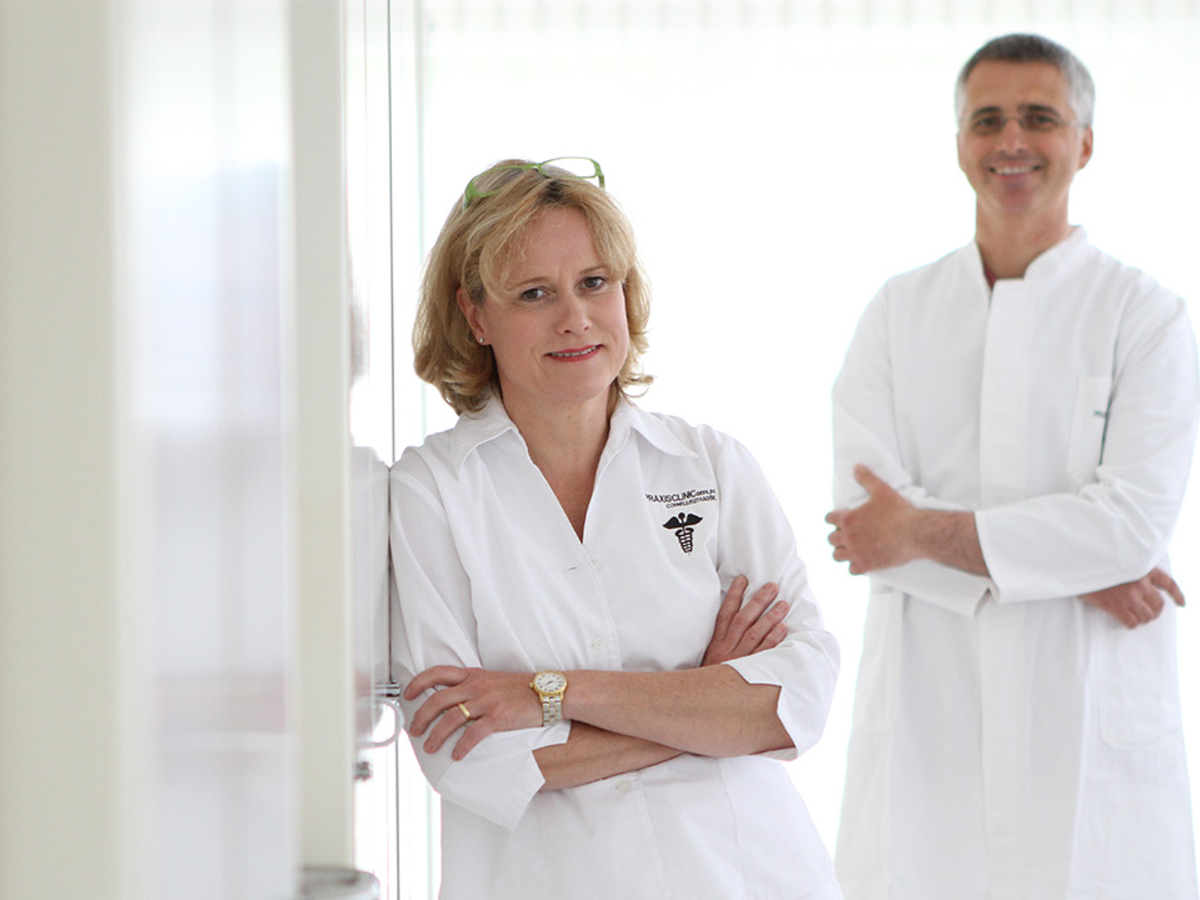
In this context, finding a dental practice that combines high-level medical competence with human warmth and clear, understandable explanations becomes more than a convenience. It becomes a foundation for trust. In Berlin’s southwest, in the district of Steglitz near Schloßstraße and not far from Zehlendorf, Zahnarzt-Praxis Berlin Steglitz (Dental Practice Berlin Steglitz – Dr. Djamchidi & A. Jannack) has built precisely this kind of environment: a space where modern implantology, oral surgery, and tooth preservation meet time, empathy, and an international outlook.
This Dental Practice in Berlin Steglitz is especially interesting for expats because it brings together an unusually broad medical perspective. One of the practice owners, Dr. Djamchidi, holds a double approbation as both a physician and an ENT specialist (ear, nose, and throat doctor) and as a dentist. This means he is not only trained in the details of teeth, gums, and jaws, but also in the complex anatomy of the maxillary sinus, nasal passages, and overall head and neck region. For implantology, bone grafting, and sinus lift procedures, this dual qualification adds an extra layer of safety and foresight that very few practices can offer.
At the same time, his colleague, dentist Annette Jannack, focuses deeply on endodontics, microscopic root canal treatment, and aesthetic dentistry. Her philosophy is simple but powerful: save the natural tooth whenever reasonably possible before replacing it with crowns, bridges, or implants. In German, this concept is often expressed as "Zahnerhalt vor Zahnersatz" – tooth preservation before tooth replacement. This careful, minimally invasive mindset resonates strongly with patients who wish to avoid unnecessary extractions and maintain their own teeth for as long as possible.
For many international residents, another deciding factor is language. Being able to communicate in English with an English-speaking dentist, to ask questions freely, and to receive explanations of diagnosis, treatment options, costs, and aftercare in clear terms is fundamental for feeling in control of one’s health. The team at Zahnarzt-Praxis Berlin Steglitz understands this very well. They are used to welcoming a diverse range of patients, from long-term Berliners to new arrivals from all over the world, and they appreciate that cultural differences and previous dental experiences shape how each person feels in the treatment chair.
To understand why this particular Dental Practice in Berlin Steglitz stands out, it is worth looking more closely at the unique professional background of its practitioners, and how this translates into better, safer care for patients needing implantology, oral surgery, or advanced tooth preservation.
The Double View: Why a Physician-ENT and Dentist in One Is So Valuable for Implantology
Dental implants are now a well-established option for restoring missing teeth. They can replace single teeth, stabilize dentures, or provide a fixed bridge that feels and functions much like natural teeth. Yet, despite their routine nature in modern dentistry, implant procedures are still surgeries in the jawbone. They demand precise planning, careful risk assessment, and skilled execution. Here, the double degree – MD and DDS – of Dr. Djamchidi offers distinct advantages.
As a physician and ENT specialist, he is deeply familiar with the anatomy and function of the upper jaw, nasal cavity, and maxillary sinus. The maxillary sinus is an air-filled space located above the roots of the upper premolar and molar teeth. When these teeth are lost, the bone that once supported them can gradually resorb and shrink. This process can bring the floor of the maxillary sinus closer to the mouth, leaving less vertical bone to securely anchor an implant.
In such cases, a procedure known as sinus lift, or lifting of the maxillary sinus floor, may be necessary. During a sinus lift, bone is gently added between the jaw and the sinus membrane to increase bone height and create a stable foundation for implants. While this is a standard procedure in advanced implantology, it takes on additional complexity when the sinus anatomy is unusual, when previous sinus infections exist, or when the membrane is particularly thin or fragile. This is where an ENT-trained implantologist like Dr. Djamchidi brings a comprehensive, medically grounded perspective.
He does not only see the jawbone and the implant site. He sees the entire system: how the sinus ventilates, how the nasal passages drain, whether there is any existing pathology that could interfere with healing, or increase the risk of complications. Because of his ENT background, he is trained to evaluate the maxillary sinus not just from a dental standpoint but from an otolaryngological one, considering issues such as chronic sinusitis, anatomical variations like septal deviations or concha bullosa, and previous surgeries in the region.
This broader perspective can be especially reassuring for patients who have been told their case is complex, borderline, or risky. When a second opinion is sought, it is comforting to know that the person offering it understands both the dental side of implantology and the medical side of the sinus and nasal anatomy. The option to receive a second opinion in clear English, with diagrams or imaging explained step by step, can significantly lower patient anxiety and promote informed decision-making.
Another important topic in modern implantology is biocompatibility. This refers to how well materials like titanium or ceramic integrate with the body without causing irritation or systemic reactions. As a physician, Dr. Djamchidi approaches implant planning with attention to the whole person – existing conditions, medications, allergies, and immune response. He is familiar with systemic illnesses such as diabetes, osteoporosis, cardiovascular disease, and autoimmune disorders that can influence bone healing and implant success. When necessary, he can liaise with other medical specialists or consider modified timing and protocols to minimise risk and improve outcomes.
Oral surgery in general – from complex extractions and bone grafts to the management of cysts or lesions – also benefits from this double approbation. The ability to view a problem both as a physician and as a dentist encourages a thorough diagnostic process. It reduces the likelihood that relevant medical issues are overlooked, especially in patients with multiple health conditions or those taking several medications. For expats coming from countries where comprehensive, multidisciplinary evaluation is the norm, this can feel pleasantly familiar and reassuring.
For patients with dental anxiety, knowing that the person performing the surgery is also a medically trained doctor can provide an additional sense of safety. Questions about sedation, interactions with existing medications, or the handling of rare complications carry a different weight when answered by someone with in-depth medical training, rather than by a dentist alone. In this way, the double degree is not a theoretical title on a door, but a real, practical advantage that shapes everyday clinical decisions.
Tooth Preservation with Endodontics: The Philosophy of Annette Jannack
Not every damaged or painful tooth needs to be extracted and replaced. In fact, modern tooth preservation strategies often make it possible to save even severely infected or broken teeth through advanced endodontics – the branch of dentistry that focuses on the inside of the tooth, specifically the dental pulp and root canal system. At Zahnarzt-Praxis Berlin Steglitz, dentist Annette Jannack has made endodontics and aesthetics a central pillar of her work, guided by the principle "Zahnerhalt vor Zahnersatz".
When the dental pulp becomes inflamed or infected, often due to deep decay, trauma, or cracks, a root canal treatment is usually required. Conventionally, this procedure involves removing the diseased pulp, disinfecting the narrow canals inside the tooth, and filling and sealing them to prevent reinfection. However, the quality of a root canal treatment can vary widely depending on the technique, instruments, and magnification used.
In high-standard endodontics, microscopic dentistry plays a decisive role. Using an operating microscope, the dentist can visualise even extremely fine structures inside the tooth that would be invisible to the naked eye or even standard loupes. Additional root canals, tiny lateral branches, hidden fractures, and residual tissue can all be detected more accurately and treated with greater precision. This meticulous approach significantly increases the long-term success rate of root canal treatments and reduces the risk of persistent inflammation or later complications.
For the patient, the process usually starts with a careful clinical and radiographic examination. Sensitivity tests, percussion tests, and imaging (often digital X-rays) help determine whether the tooth can be saved and what the exact configuration of the roots is. Then, under local anaesthesia, an access opening is made in the tooth, and the inflamed pulp tissue is gently removed. With the help of the microscope and flexible nickel-titanium instruments, the root canals are cleaned, shaped, and irrigated with disinfectant solutions. In some cases, a temporary medication may be placed in the canals for a short period before final sealing.
Once the interior of the tooth is clean and dry, the canals are filled with a biocompatible material that tightly seals them. Finally, the access is closed, often with a build-up and later a crown to protect the now more fragile tooth structure from fracture. Throughout this process, pain control and patient comfort are paramount. Modern local anaesthetics, combined with a calm, stepwise explanation, help many people with dental anxiety to tolerate treatment much better than they might expect.
For expats who have had negative dental experiences in the past, it can be life-changing to encounter a dentist who takes the time to explain why saving a tooth is worth the effort, what the long-term prognosis is, and how the procedure is performed in a gentle and minimally invasive way. Extracting a tooth and placing an implant might sometimes seem like the quicker route, but keeping a natural tooth – when feasible – often offers advantages in terms of chewing function, proprioception (the sense of tooth position and force), and long-term tissue stability.
Alongside endodontics, aesthetic dentistry is another area where Annette Jannack focuses on both function and appearance. Restorations such as ceramic inlays, onlays, veneers, and carefully colour-matched crowns can restore teeth so that they blend harmoniously with the existing dentition. For many international professionals working in Berlin, feeling confident when speaking, smiling, or presenting is not a superficial vanity but an integral part of personal and professional life. Harmonious aesthetics, aligned with natural tooth structure and minimally invasive principles, can significantly improve quality of life.
Managing Dental Anxiety: From Atmosphere to Sedation and Gentle Techniques
Dental anxiety is not limited to a specific nationality or culture. People from all over the world bring their stories, fears, and hopes into the dental chair. Some have had painful or rushed treatments in the past. Others fear loss of control, the sound of instruments, or simply the idea of someone working in such an intimate area. Zahnarzt-Praxis Berlin Steglitz takes these feelings seriously and has developed a care concept aimed at making treatment as anxiety-free as possible.
It begins with the atmosphere. The practice is located in a classic Berlin Altbau building in Steglitz, with high ceilings and characteristic architectural details that many locals associate with a homely, historical charm. While the building is not barrier-free and access involves climbing stairs due to the lack of an elevator, this historic setting is also part of the authentic Berlin experience. The interior of the practice is designed to be welcoming rather than clinical, helping patients feel more like guests than anonymous cases.
From the reception onwards, the team aims to communicate calmly and clearly. Appointments are structured to allow time for discussion rather than rushing from one chair to the next. For expats who may be uncertain about German forms and insurance questions, this supportive environment can be a relief. Staff members can help interpret typical procedures of the German healthcare system and explain, in simple English, what each document or consent form means.
For the clinical management of anxiety, several options exist. Gentle local anaesthesia techniques are standard, with careful numbing to prevent pain during treatment. In some cases, additional methods such as sedation or so-called twilight sleep (conscious sedation) can be considered. In twilight sleep, medications are used to reduce awareness and anxiety while maintaining basic reflexes. Patients often remember little of the procedure afterwards and experience the visit as shorter and less stressful.
The decision to use sedation is always made individually, after assessing medical history and potential risks. Here, again, the dual medical and dental training of Dr. Djamchidi is particularly valuable. Questions about interactions with existing medications, cardiovascular status, respiratory issues, or previous reactions to sedatives can be evaluated from a physician’s perspective, increasing patient safety.
Some patients also appreciate complementary measures such as homeopathic support or herbal remedies for pre- and post-treatment calming, provided in a responsible and integrative way. While such methods do not replace evidence-based dentistry, they can serve as gentle adjuncts that support the overall experience, especially for patients seeking a more holistic form of care.
Location, Architecture, and Accessibility: A Classic Berlin Altbau in Steglitz
Steglitz, in Berlin’s southwest, is known for its mix of lively shopping streets like Schloßstraße, tranquil residential areas, and historic buildings that reflect different eras of the city’s development. Zahnarzt-Praxis Berlin Steglitz is located in one of these characteristic Altbau houses, with high ceilings, large windows, and period details that immediately signal "old Berlin" charm.
However, this architectural style also comes with a clear practical reality: the building is not barrier-free, and there is no elevator. Patients must be able to climb stairs to reach the practice rooms. The team is transparent about this and encourages anyone with limited mobility to discuss their situation in advance. While this limitation can be challenging for some, others find that the classic ambience and solid construction create a sense of stability and warmth that contrasts positively with more anonymous, glass-and-steel medical centres.
In everyday life, the location near central arteries of Berlin’s southwest makes the practice easy to reach from surrounding areas such as Zehlendorf, Lankwitz, or even further districts connected by public transport. For those coming by car, the surrounding streets typically offer parking options, though as in much of Berlin, it is always wise to allow a bit of extra time to find a spot. The proximity to Schloßstraße means that a dental appointment can easily be combined with other errands, shopping, or a walk through the neighbourhood.
The Patient Journey: From First Contact to Follow-Up
For many international patients, knowing what to expect can remove a significant portion of the anxiety associated with visiting a new dentist. At Zahnarzt-Praxis Berlin Steglitz, the patient journey usually follows a clear and transparent structure, tailored to whether you come for a routine check-up, dental prophylaxis, a specific problem, or a second opinion regarding implantology or root canal treatment.
The process often begins with a phone call or an online inquiry. During this first contact, you can briefly describe your concern – for example, toothache in a specific area, sensitivity when biting, interest in replacing a missing tooth with an implant, or dissatisfaction with the aesthetics of your smile. If you prefer to communicate in English, you can say so from the beginning, and the staff will make sure you are understood. Appointment times are scheduled in a way that balances prompt treatment with the necessary time for detailed consultations.
On the day of your first visit, you arrive at the Altbau building in Steglitz and walk up the stairs to the practice. As you enter, you are greeted by reception staff who guide you through the initial paperwork. For expats, this might include questions about your health insurance (public or private), your medical history, and any medications you are taking. If German forms are unfamiliar, you can ask for clarification in English, ensuring that all information is correct and that you understand what you are signing.
The first clinical step is usually a thorough anamnesis – a detailed medical and dental history. This is not a mere formality but a crucial basis for safe and appropriate treatment. Here, your previous illnesses, surgeries, allergies, and dental experiences are discussed. If you have existing X-rays or documentation from another Zahnarzt, you can bring them along for review.
Next comes the clinical examination. Depending on your concern, this may involve a complete check of teeth, gums, jaw joints, and oral mucosa, or a focused assessment of the area causing problems. Modern diagnostic tools, including digital radiography, may be used to gain a precise picture of the situation. For suspected endodontic issues, specific tests help determine whether a tooth’s nerve is inflamed or necrotic. For implant planning, the quality and quantity of available bone are evaluated, and the proximity to anatomical structures such as the maxillary sinus floor or nerve canals is carefully assessed.
After the examination, the dentist explains the findings in understandable language. If you are dealing with a deeply infected tooth, for example, you may be presented with the options of root canal treatment versus extraction and eventual implant placement. The benefits, risks, and prognosis of each route are described, taking into account your personal priorities, time frame, and financial considerations. Cost transparency is important, especially for expats who may be unfamiliar with how German insurance covers dental treatments. You are encouraged to ask questions until you feel you have a clear picture.
When a treatment plan is agreed upon, the sequence of appointments is organised. For complex cases, this might include a phase of prophylaxis (professional teeth cleaning) to reduce overall bacterial load and improve gum health before oral surgery or extensive restorative work. The emphasis on prophylaxis – regular, professional cleaning, personalised oral hygiene instructions, and early detection of problems – reflects the practice’s commitment to tooth preservation and long-term stability.
During actual treatments, whether a microscopic root canal, a sinus lift and implant placement, or a more straightforward filling, the team remains attentive to your comfort. Local anaesthesia is given time to take full effect before work begins. If you experience any discomfort, you are invited to signal this, and adjustments are made. For those who have chosen sedation, monitoring is conducted with medical diligence, and you are accompanied throughout the recovery phase.
After the procedure, post-operative instructions are given both verbally and, if needed, in written English. You are informed about what to expect in terms of tenderness, swelling, or temporary limitations, and you receive guidance on pain management, oral hygiene in the healing phase, and warning signs that should prompt you to call the practice. Follow-up appointments are scheduled to monitor healing, remove sutures if necessary, and plan the next steps, such as placing a final crown on an implant or completing a restorative phase after successful endodontic therapy.
Throughout this journey, the relationship remains collaborative. Your feedback matters; if you still feel anxious or if something is unclear, the team takes this seriously. Over time, many patients report that their initial fear of the dentist gives way to a more relaxed, trusting feeling. This transformation is not accidental; it is the result of a consistent, empathetic approach and a standard of care that respects both medical science and individual human experience.
Why This Dental Practice in Berlin Steglitz Is a Strong Choice for Locals and Expats
When all these elements are viewed together, the profile of Zahnarzt-Praxis Berlin Steglitz becomes clear. It is more than a standard Zahnarzt office. It is a place where implantology, oral surgery, and tooth preservation are practiced with an uncommon depth of medical knowledge and a conscious sensitivity to the needs of an international patient community.
The double approbation of Dr. Djamchidi, uniting physician, ENT specialist, and dentist qualifications, offers a rare safety net for complex procedures involving the maxillary sinus floor, nasal passages, and jawbone. His training allows for nuanced assessment of risks, thoughtful planning of sinus lifts and implant placement, and careful coordination with general health conditions and medications. For those who require a second opinion, particularly in challenging implant cases, this integrated expertise can be decisive.
Parallel to this, the focus of dentist Annette Jannack on endodontics and aesthetics ensures that the option of preserving natural teeth is thoroughly explored and executed at a high technical level. Her use of microscopic dentistry in root canal treatment, combined with a philosophy of "Zahnerhalt vor Zahnersatz", aligns with modern, minimally invasive dentistry that values the long-term function and structure of each tooth. When aesthetics are addressed, they are not treated as superficial decoration but as an integral part of functional, well-balanced oral health.
For patients who struggle with dental anxiety, the practice’s anxiety-aware approach – from the homely Altbau environment to the option of sedation or twilight sleep and supportive communication – helps to lower psychological barriers. The ability to speak openly in English with an English-speaking dentist, to ask for a second opinion without feeling rushed, and to receive detailed explanations of every step builds trust, especially among those navigating the German healthcare system for the first time.
The location in Berlin’s southwest, near Schloßstraße and accessible from Steglitz, Zehlendorf, and other neighbouring areas, integrates the practice conveniently into everyday life, even though the historic building requires climbing stairs due to the lack of an elevator. For many, this small challenge is outweighed by the benefits of receiving care in a setting that feels authentically Berlin, far from anonymous, impersonal clinic chains.
Ultimately, choosing a dentist is a highly personal decision. It is about more than techniques and titles; it is about the feeling of being in capable, caring hands. Zahnarzt-Praxis Berlin Steglitz (Dental Practice Berlin Steglitz – Dr. Djamchidi & A. Jannack) offers a combination of double medical-dental expertise, advanced endodontics and implantology, clear English communication, and genuine human attention. For both long-term Berlin residents and new arrivals seeking dependable, patient-centred dental care, this makes it a compelling address in the southwest of the city.
So schätzen die Börsenprofis Aktien ein!

Für. Immer. Kostenlos.