A Trustworthy Dental Practice in Berlin Steglitz for Expats and Locals
23.03.2026 - 07:01:04 | ad-hoc-news.de
Moving to a new country is exciting, but it can also be disorienting—especially when it comes to healthcare. Many international residents in Berlin quickly discover that finding a dental practice they truly trust is much harder than finding a great café or a favorite park. You may be used to a very different healthcare system. You may worry about whether your dentist really understands you, in both language and culture. And if you already have dental anxiety, the thought of explaining your fears in a foreign language can feel overwhelming.
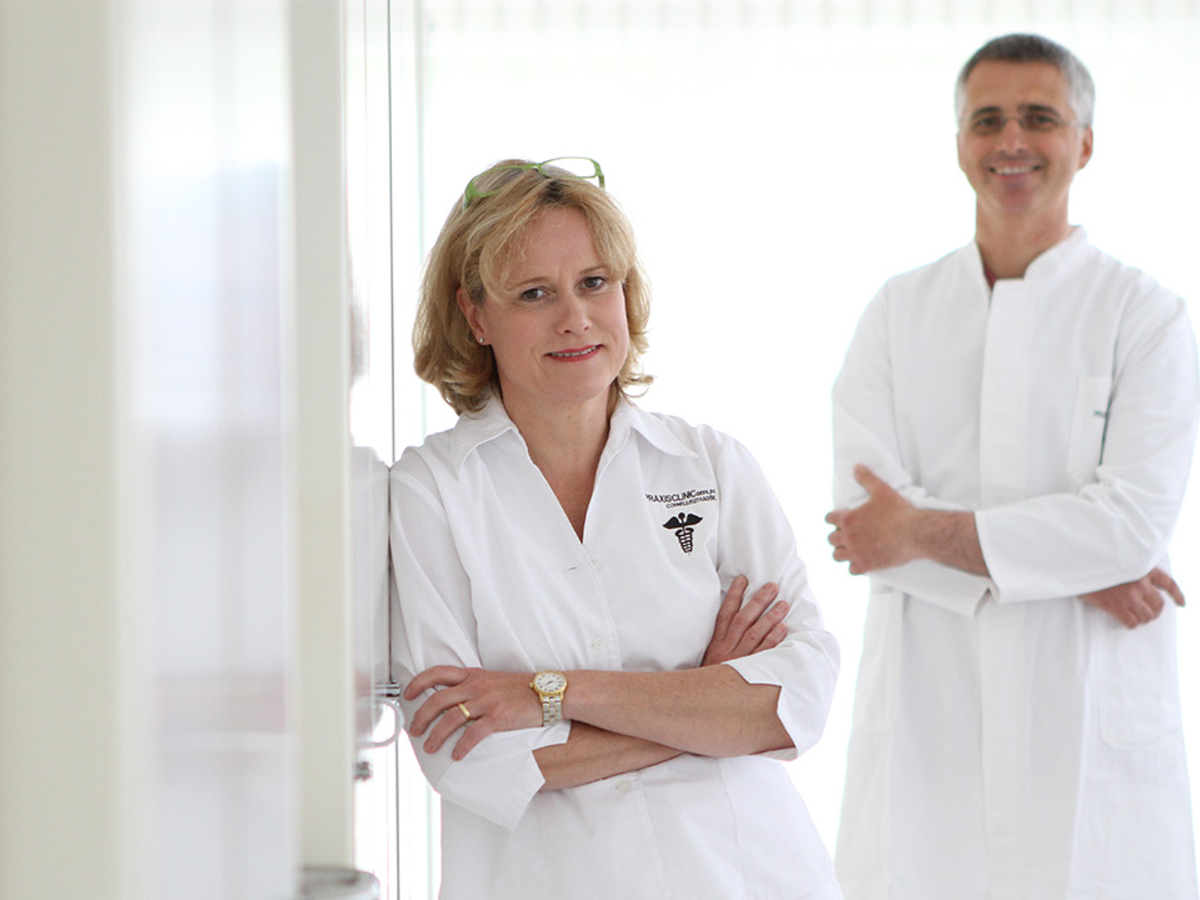
In this context, the choice of a dental practice is about far more than just teeth. It is about safety, communication, and a feeling of being genuinely cared for. In Berlin’s southwest—between Schloßstraße, Steglitz, and Zehlendorf—the Dental Practice in Berlin Steglitz run by Dr. Djamchidi and dentist Annette Jannack has built a reputation for precisely this kind of trust. Their special combination of medical and dental expertise, along with a strong focus on tooth preservation, makes the practice stand out for both locals and expats.
For English-speaking patients, there is an additional layer of reassurance: you can discuss complex topics such as implantology, oral surgery, or root canal treatment in clear, understandable English. This reduces the fear of misunderstandings and helps you make truly informed decisions about your health.
One of the most distinctive features of this dental practice is the professional background of Dr. Djamchidi. He holds a double approbation: he is both a physician and ENT specialist (ear, nose, and throat) and a fully qualified dentist. In other words, he has completed full medical training as a doctor as well as full dental training as a Zahnarzt. This combination is particularly powerful in fields such as implantology and oral surgery, where the border between dental structures and the general anatomy of the head and neck is especially important.
Why does this matter to you as a patient? Dental implants, sinus lifts, and surgical procedures in the upper jaw are not just about the teeth or gums. They are intimately connected to the maxillary sinus floor—an air-filled cavity above your upper molars and premolars. If you have lost one or more teeth in this region, the bone can shrink over time, and the sinus can expand downward. Placing an implant safely in this area can then require a sinus floor elevation, often called a sinus lift. This involves gently lifting the sinus membrane and building up bone to create a stable foundation for the implant.
For someone who is both an ENT specialist and a dentist, this is not just a technical dental procedure; it is also a question of overall anatomical harmony and long-term function. A doctor who is deeply familiar with the sinuses, nasal structures, and ear-nose-throat system can plan implantology from a broader medical perspective. This means assessing how your sinus health, nasal breathing, previous infections, or even allergies could influence the safety and success of your treatment.
In the Dental Practice in Berlin Steglitz, this dual view translates into very thorough diagnostics before any surgical step is taken. Imaging and clinical examinations are not only evaluated from a dental point of view (Is there enough bone? How do the roots lie?) but also from an ENT angle (How thick is the sinus membrane? Are there anatomical variations? Are there any signs of chronic inflammation?). This helps minimize complications, supports more accurate treatment planning, and gives you a higher degree of safety.
Many patients are naturally frightened by the idea of a sinus lift or implant surgery near sensitive structures like the maxillary sinus floor. An English-speaking dentist who can explain, in detail but in simple language, what will happen can make a huge difference. When that dentist also has the training of a physician, it adds another layer of trust: you feel that your whole body, not just your teeth, is being taken into account.
Implantology is not simply about drilling a screw into the bone. It involves respecting the biology of the bone and surrounding tissues, choosing materials with good biocompatibility, and understanding how your general health—such as diabetes, smoking status, or certain medications—will influence healing. A practitioner with a medical background is used to evaluating laboratory values, systemic diseases, and medication interactions. This is particularly relevant if you are taking blood thinners, have heart disease, or are on medications that influence bone metabolism.
In this dental practice, implant planning therefore includes a careful review of your medical history from both a dental and a medical perspective. You are encouraged to bring previous medical reports, medication lists, and existing X-rays. Instead of viewing your mouth in isolation, the team looks at you as a whole person. For international patients, this comprehensive approach often feels closer to a hospital-level standard, but in the comfortable setting of a private dental practice.
This double approbation also plays a crucial role when a second opinion is needed. Maybe another clinic has recommended extensive oral surgery or multiple implants, and you are unsure whether this is truly necessary. Being able to receive a second opinion from someone who is both a physician and a dentist can help you compare options and choose the least invasive, safest solution for your individual situation.
While implantology and oral surgery benefit enormously from Dr. Djamchidi’s dual qualifications, many patients hope to avoid implants and extractions altogether. That is where the complementary expertise of dentist Annette Jannack becomes central to the philosophy of the practice. Her focus areas are endodontics, microscopic dentistry, and aesthetics, all united by a clear guiding principle: saving the natural tooth before considering a replacement, or as it is often phrased in German, Zahnerhalt vor Zahnersatz.
Endodontics, commonly known as root canal treatment, is the discipline dedicated to treating the diseased or inflamed pulp (the nerve and blood supply) inside the tooth. Traditionally, root canal treatments had a somewhat poor reputation—many people associate them with pain, long sessions, and uncertain results. Modern endodontics, however, is a different world, especially when performed with magnification and up-to-date techniques.
In this dental practice, root canal treatments are approached with a high level of precision. Microscopic dentistry allows the dentist to actually see the fine internal structures of the tooth: narrow canals, additional side canals, and complex root anatomies that would be almost impossible to manage reliably with the naked eye. By working under magnification and using flexible instruments, the canals can be cleaned more thoroughly and shaped in a way that supports lasting disinfection.
The biological goal of endodontics is to remove infected tissue and bacteria from within the tooth while preserving as much healthy tooth substance as possible. Instead of extracting the tooth and replacing it with an implant or bridge, the preserved tooth continues to function in your bite, supporting chewing, speech, and facial aesthetics. This is often the most minimally invasive long-term option, because no foreign body needs to be inserted into the bone and no neighboring teeth need to be ground down.
Annette Jannack’s work is guided by this minimally invasive mindset. Before recommending more radical interventions, she evaluates whether your tooth can be saved with advanced endodontic methods. This often involves a detailed assessment: is the root structure still stable? Is the bone around the tooth intact or capable of healing if the infection is removed? What are the chances of long-term success if the tooth is thoroughly disinfected and sealed?
For many expat patients, this conservative, preservation-focused approach is very reassuring. In some systems, patients may worry that expensive prosthetic work is recommended too quickly. In this practice, the clear hierarchy is: prevent problems where possible, preserve the tooth when feasible, and only then consider implants or other replacement solutions if necessary. When replacement is needed, the close collaboration between a medically trained implantologist and a preservationist endodontic specialist allows for a well-balanced treatment plan.
Aesthetics also play a major role in modern dentistry. Tooth-colored fillings, ceramic inlays, crowns, and veneers need to not only function well but also blend naturally into your smile. An English-speaking dentist who can discuss your expectations in detail—shape, shade, transparency, and overall proportions—helps ensure that the final result matches your personal idea of a beautiful, natural smile. For many international residents working in professional environments in Berlin, this aspect can be just as important as function.
Dental anxiety is far more common than many people admit. For expats, this anxiety can be amplified by not fully understanding what is being said during treatment or fearing unexpected costs. The Dental Practice in Berlin Steglitz consciously addresses this by creating a calm, friendly atmosphere where questions are explicitly welcomed. The team takes time to explain each step before it happens and to clarify what you will feel and how long things will take.
If you suffer from fear of injections, pain, or previous traumatic dental experiences, the practice offers several strategies. For some patients, detailed explanation and a gentle, minimally invasive technique are already enough to break the cycle of fear. For others, additional support, such as sedation or twilight sleep, can be discussed. Twilight sleep (often called conscious sedation) allows you to remain responsive but deeply relaxed, with reduced awareness of the procedure.
For patients who prefer to support their treatment with complementary methods, there is openness to gentle approaches such as homeopathic adjuncts or relaxation techniques. The key is that your emotional state is taken as seriously as your X-rays and clinical findings. Being listened to in English, German, or another shared language reduces the feeling of helplessness that often underlies dental anxiety.
All these options are discussed transparently well before the actual treatment date. You are encouraged to share your fears honestly during the first consultation so the team can design a plan that respects your limits. This might mean shorter appointments, more frequent breaks, or a staged approach where the most anxiety-provoking steps are postponed until trust has grown.
The physical setting of the Dental Practice in Berlin Steglitz is also characteristic: it is located in a classic Berlin Altbau building. For many city residents, these historic buildings—with their high ceilings, ornate facades, and traditional staircases—are part of the authentic architectural identity of Berlin, especially in areas like Steglitz and the neighboring Zehlendorf. Visiting a practice in such a setting can feel like stepping into the city’s history, rather than entering a generic, sterile clinic.
However, authenticity also means honesty about accessibility. The building is not barrier-free, and access to the practice involves using stairs because there is no elevator. For patients with limited mobility, this is an important point to know in advance. The team is aware of this challenge and does its best to support patients who can manage stairs with assistance, but it is crucial to emphasize clearly that completely wheelchair-accessible access is not available in this historic structure.
On the positive side, the location in Berlin’s southwest is very convenient for many residents. The practice is situated within easy reach of Schloßstraße, one of Berlin’s major shopping streets, and is well connected by public transport from Steglitz, Zehlendorf, and surrounding neighborhoods. For those coming by car, there are generally good parking options in the surrounding streets, especially compared to more central, crowded districts. This makes combining an appointment with everyday errands or work-related travel simpler.
Imagining your first visit can help reduce uncertainty. When you book an appointment—often possible with clear English communication—you will be advised about what to bring: insurance documents, any previous dental or medical records, medication lists, and, if available, older X-rays. On arrival, you enter a space that intentionally feels more like a calm, personal practice than a large, anonymous clinic.
The first step is usually a detailed anamnesis, the systematic recording of your medical and dental history. This is where the dual expertise of the team comes into play. You will be asked not only about tooth pain or sensitivity but also about general health issues such as heart conditions, diabetes, allergies, medications, and previous surgeries. For expats, this often includes clarifying how previous treatments in your home country were done and what materials were used.
Next comes a thorough clinical examination. Teeth, gums, oral mucosa, occlusion (bite), and the function of the jaw joints are assessed. If necessary, X-rays or three-dimensional imaging may be taken to evaluate bone structures, root anatomies, and the proximity of the maxillary sinus floor. The aim is to create a complete picture rather than to focus on a single problematic tooth in isolation.
After diagnostics, you sit down with the dentist to discuss the findings. This is an important moment for expats who may be worried about language barriers. In this practice, steps are explained in clear, structured English if needed. Different treatment options are presented, often including a minimally invasive route and, when necessary, more extensive solutions. For example, if a tooth is inflamed, you may discuss whether an advanced root canal treatment (endodontics) with microscopic support offers a good prognosis or whether extraction and later implantology would be more predictable.
Financial transparency is another key aspect of trust. Before any major treatment begins, you receive a cost estimate that you can review at home, clarify with your insurance provider, or compare with a second opinion. This is particularly important in Germany, where the relationship between statutory insurance, private insurance, and out-of-pocket payments can be confusing for newcomers.
When treatment starts, every appointment is structured to minimize stress. Explanations are given step by step. Local anesthesia is administered gently, with enough time for it to take full effect before any procedure begins. If sedation or twilight sleep has been agreed on, this is organized with medical-level safety in mind, taking into account your general health and any ongoing medications. During root canal treatments or longer oral surgery sessions, breaks can be built in so you never feel overwhelmed.
After the operative phase, follow-up is emphasized. Wound checks, healing assessments, and, in the case of implants, evaluations of osseointegration (the process by which the implant connects with the bone) are scheduled. For endodontic treatments, control X-rays may be taken after some months to confirm that inflammation has resolved and that the bone around the root tip is regenerating. Throughout this journey, the practice’s philosophy of combining medical depth with a human, empathetic approach remains visible.
In a city as large and diverse as Berlin, there are many dental offices. But the Dental Practice in Berlin Steglitz run by Dr. Djamchidi and Annette Jannack offers a particularly compelling combination for both locals and international residents. The double approbation of Dr. Djamchidi—physician and ENT specialist on the one hand, dentist on the other—brings a level of anatomical and systemic understanding that is especially valuable in implantology and oral surgery. Complex procedures near the maxillary sinus floor, or in medically challenging patients, can be planned and executed with an additional margin of safety.
At the same time, the strong focus on tooth preservation, modern endodontics, and microscopic dentistry under the guidance of Annette Jannack ensures that the first priority remains: keep the natural tooth whenever reasonably possible. Minimally invasive strategies, high standards of biocompatibility, and precise, careful work define this aspect of the practice.
For patients dealing with dental anxiety, the practice’s warm, respectful atmosphere and its readiness to offer sedation or twilight sleep provide a realistic path toward anxiety-free treatment. The fact that complex topics can be discussed in English significantly lowers the barrier for expats, students, and international professionals who may be nervous about navigating the German healthcare system.
The location in a classic Altbau in Steglitz, close to Schloßstraße and well connected to Berlin’s southwest and Zehlendorf, completes the picture. The lack of an elevator and the presence of stairs are honestly communicated as part of the historic character of the building, allowing patients to make an informed decision about accessibility.
If you are searching for a dental practice that understands both the technical side of modern dentistry and the emotional reality of being a patient—especially an international one—this Dental Practice in Berlin Steglitz is a strong candidate. Here, the fusion of medical and dental knowledge, careful communication, and a genuine commitment to individualized care come together to create an environment where you can feel safe, heard, and well looked after, from your first anxious email to your final, confident smile.
So schätzen die Börsenprofis Aktien ein!

Für. Immer. Kostenlos.