A Trusted Dental Practice in Berlin Steglitz for Locals and Expats
27.03.2026 - 07:01:05 | ad-hoc-news.de
Moving to a new country is exciting—until you suddenly need a doctor or dentist. Many international residents in Berlin describe the same uneasy moment: a sharp toothache, a broken filling, or a nagging gum problem, and then the realization that they have no idea where to turn. Which Dental Practice can they trust? Will anyone speak English well enough to explain complex treatment options? How different is the German system from what they know back home? For many expats in Berlin, especially in the southwest districts like Steglitz and Zehlendorf, these questions quickly become a source of stress and dental anxiety.
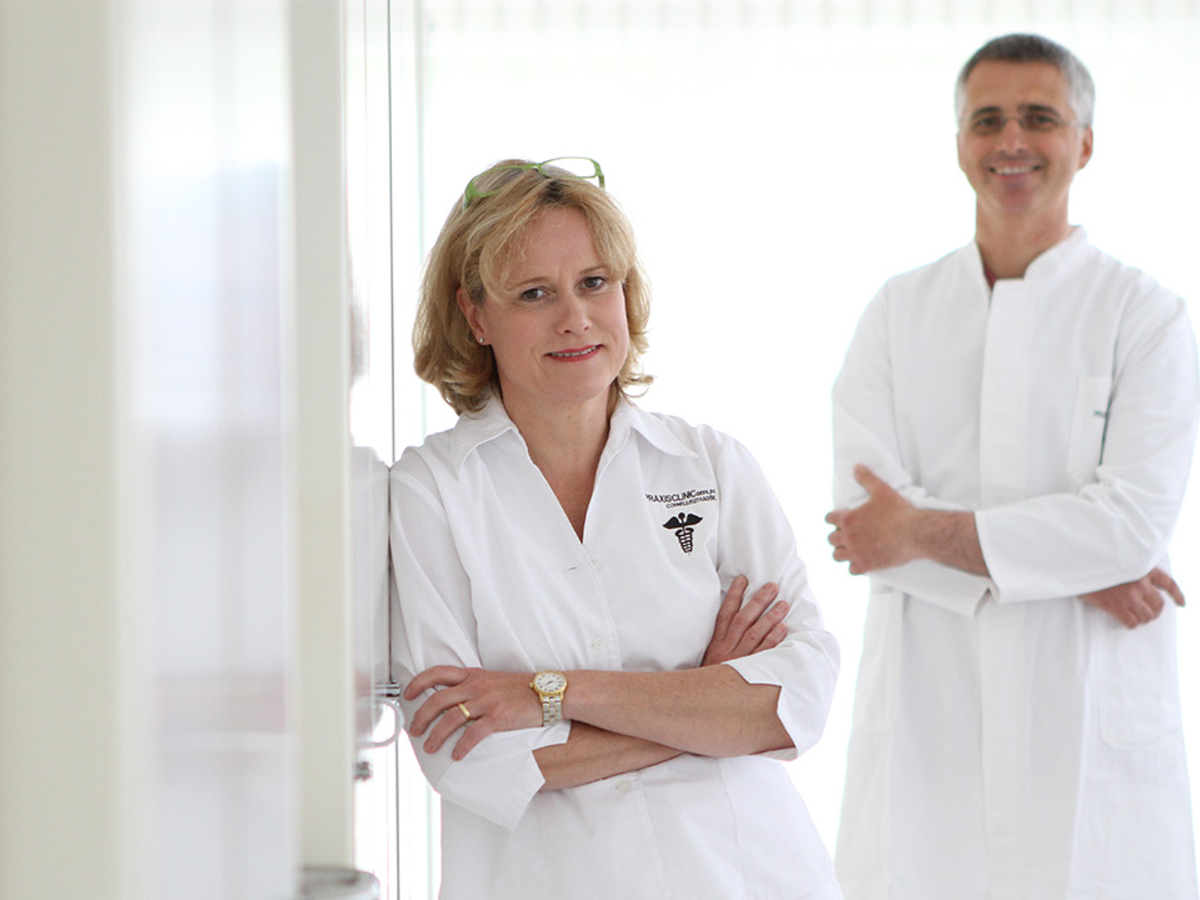
In that context, a reliable, English-speaking Dental Practice that truly understands both medical science and the emotional side of dentistry becomes much more than a place to "fix teeth". It becomes a partner in long-term health, a guide through the German healthcare landscape, and a calm anchor for people far from home. This is precisely the niche that Zahnarzt-Praxis Berlin Steglitz (Dental Practice of Dr. Djamchidi & A. Jannack) fills for local families, professionals and international residents.
The practice, located in a classic Berlin Altbau near Schloßstraße in Berlin-Steglitz, combines two powerful strengths under one roof: the unique "Double Approbation" of Dr. Djamchidi, who is both a fully licensed physician and ENT specialist as well as a dentist, and the refined expertise of dentist Annette Jannack in tooth preservation, endodontics and aesthetic dentistry. Together, they offer a spectrum of care that ranges from gentle prophylaxis and microscopic root canal treatment to complex implantology and oral surgery—always with a strong emphasis on safety, function and natural aesthetics.
For expats used to other health systems, the idea that one practitioner can hold both an MD and a DDS (in German terms, dual medical approbation) may be unfamiliar. Yet in the context of implantology, sinus lift procedures and oral surgery close to the maxillary sinus floor, this combined perspective is a major safety advantage. It allows a deeper understanding of how the mouth, jaw, nasal cavity and entire head and neck region interact. And it ensures that every decision about surgery, implants or sedation is grounded in an integrated view of your overall health, not just your teeth.
At the same time, the practice philosophy is surprisingly simple and human: preserve what nature gave you whenever possible, and treat every person as if they were a family member. That means clear explanations in English or German, honest discussion of risks and alternatives, and a shared decision-making process that helps patients overcome fear and feel in control of their own treatment.
Dental anxiety is not just about fear of pain. For many internationals in Berlin, it is intertwined with the fear of not being understood, of signing documents they cannot read, of undergoing procedures that are never fully explained. In Germany, where health insurance structures and appointment systems may be very different from those in your home country, even making the first phone call to a Zahnarzt can feel like climbing a mountain.
At the Dental Practice in Berlin Steglitz run by Dr. Djamchidi and Annette Jannack, this situation is taken very seriously. The team is used to welcoming patients from around the world—students, embassy staff, researchers, freelancers, and long-term expats who have made Berlin their home. Many of them arrive with stories of previous rushed treatments, misunderstood diagnoses, or long-standing fear of the dentist.
From the first contact, the communication style is designed to defuse that anxiety. Explanations are given calmly and in clear language, not technical jargon. Treatment options—from a simple prophylaxis appointment to complex oral surgery or implantology—are laid out step by step. Patients are invited to ask as many questions as they like, and they are encouraged to bring previous X-rays or documents if they are seeking a second opinion.
Because the practice understands how different healthcare cultures operate, there is also sensitivity to bureaucratic concerns. New patients are guided through the basic forms, insurance details and cost estimates. Private insurance, public German health insurance (gesetzliche Krankenkasse) and self-pay situations are all treated with the same transparency. For many foreigners, this practical support is just as important as clinical skill when it comes to building trust.
For international patients who are used to a family doctor coordinating all their care, it can be reassuring to know that this Dental Practice is led by someone who occupies exactly that dual role in Germany: a medical doctor as well as a dentist. This "double view" is especially valuable in the field of implantology and oral surgery.
Placing a dental implant is not simply a mechanical act of screwing a titanium fixture into bone. It is a complex medical procedure that interacts with your entire body. When implants are placed in the upper jaw, near the maxillary sinus floor, the proximity to the sinus cavity, nasal passages and ENT structures becomes particularly important. Any experienced implantologist must know this anatomy—but a fully trained ENT specialist like Dr. Djamchidi lives it every day.
With his Double Approbation, he brings together two complementary perspectives:
1. The physician and ENT specialist perspective
As a medical doctor with ENT specialization, he has detailed training in the anatomy and physiology of the nose, sinuses, throat and surrounding structures. He understands how sinus ventilation works, how mucous membranes react to irritation, and how chronic sinusitis, allergies or previous surgeries impact the area in which dental implants may be planned.
This matters in several ways:
- When planning implants in the posterior upper jaw, especially in cases where the bone height is limited and a sinus lift may be needed, an ENT-level understanding of the maxillary sinus is critical to avoid complications.
- Pre-existing ENT conditions—such as chronic sinusitis, polyps, previous sinus surgery or nasal septum deviations—can influence whether a sinus lift is advisable, which technique should be used, and how healing should be monitored.
- The ability to read CT scans and digital volume tomography (DVT) images from both a dental and an ENT perspective adds an extra layer of safety, particularly in complex anatomical situations.
For a patient, this means that when you sit down to discuss an implant, your doctor is not only thinking about the tooth gap but also about your breathing, your sinus health and any interactions with chronic conditions like allergies or asthma. That integrated view is relatively rare and highly beneficial.
2. The dentist and implantologist perspective
At the same time, as a fully qualified dentist, Dr. Djamchidi is deeply familiar with the functional and aesthetic demands of modern implantology. A successful implant must do much more than simply fill a space. It must integrate biologically (osseointegration), support correct chewing forces, fit harmoniously into the bite, and match the natural appearance of the smile.
In this Dental Practice, implant planning is therefore both medical and aesthetic. The position of the implant is determined using digital imaging, 3D planning and, where appropriate, minimally invasive guided surgery. The quality and volume of the bone are assessed carefully, and when augmentation is needed, the methods and materials are chosen with biocompatibility and long-term stability in mind.
The combination of MD and DDS-level knowledge also plays a role in assessing overall risk. For example, systemic conditions such as diabetes, osteoporosis, autoimmune diseases or the use of certain medications (like bisphosphonates or blood thinners) can influence healing and the choice of implant strategy. A clinician trained in both general medicine and dentistry is especially well positioned to evaluate these interactions, communicate them clearly to the patient, and coordinate care with other medical specialists as required.
3. Sinus lifts and surgery near the maxillary sinus floor
A topic that understandably worries many patients is the so-called sinus lift—a procedure used to increase bone height in the upper jaw by gently elevating the sinus membrane and placing bone substitute material beneath it. The idea of someone "lifting" something inside your sinus can sound alarming, especially if you are already prone to sinus problems. This is where the ENT-dentist synergy is at its strongest.
In sinus lift cases, Dr. Djamchidi’s ENT background allows him to approach the maxillary sinus floor with great respect and precision. Understanding the thickness and resilience of the Schneiderian membrane, knowing the typical patterns of sinus drainage, and recognizing anatomical variants reduces the likelihood of membrane perforations and postoperative complications. If such complications do occur, he has the training to manage them effectively, minimizing discomfort and reducing infection risk.
For the patient, this translates to a higher sense of security: the person treating your upper jaw bone is also an expert in the very sinus system above it. Clear explanations, preoperative assessment of sinus health and, where needed, collaboration with other ENT specialists ensure that the procedure is as safe and minimally invasive as possible.
4. Twilight sleep, sedation and medical safety
Another key advantage of the double qualification comes into play when dealing with dental anxiety and the use of sedation or twilight sleep for oral surgery. Patients who are very fearful, have a strong gag reflex or are facing longer procedures may benefit from conscious sedation, allowing them to remain relaxed and largely unaware while still breathing on their own.
Because sedation interacts with cardiovascular and respiratory systems, it is reassuring to know that the doctor overseeing your care has full medical training in internal medicine, pharmacology and ENT-related airway management. In cooperation with anesthesiology partners when needed, the practice can offer sedation solutions that are both effective and safe, always with careful monitoring and individualized dosing.
Overall, the Double Approbation in this Dental Practice is not an abstract title. It is felt in the day-to-day clinical decisions: when to choose a simpler treatment path, when to recommend additional diagnostics, and how to design an implantology plan that respects both oral and general health.
If the medical-technical side of the practice revolves around implants and oral surgery, the dental-technical heart of Zahnarzt-Praxis Berlin Steglitz is the commitment to tooth preservation—Zahnerhalt vor Zahnersatz. This philosophy is embodied above all by dentist Annette Jannack, whose core fields are endodontics, microscopic dentistry and aesthetic reconstruction.
Many patients are surprised to learn how much modern endodontics can do to save a tooth that would have been extracted just a decade or two ago. Instead of immediately replacing a damaged tooth with an implant or bridge, the focus is first placed on preserving the natural root and surrounding structures. This is not only more biologically conservative; it also maintains the natural proprioception (bite sensation) and can be more cost-effective over the long term.
1. What is endodontics, and why does it matter?
Endodontics is the branch of dentistry dealing with the inside of the tooth—specifically the dental pulp (nerve and blood vessels) and the root canals. When bacteria penetrate deep into a tooth due to decay, cracks or trauma, they can cause inflammation or infection of the pulp. This can lead to severe pain, sensitivity to hot and cold, swelling, or sometimes no symptoms at all, even as the infection progresses.
In these situations, root canal treatment is often the best way to save the tooth. During this procedure, the inflamed or infected pulp is carefully removed, the root canals are cleaned, shaped and disinfected, and then filled tightly with a biocompatible material to seal them from further bacterial invasion. A well-performed root canal can allow a tooth to function for many years or even decades, especially when protected with a high-quality filling or crown afterwards.
2. Microscopic dentistry and precision
One of the reasons root canal treatments sometimes failed in the past is that the human eye alone cannot always see the full complexity of the root canal system. Teeth often have very fine accessory canals, curved roots or hidden calcifications that can only be detected under magnification. In this Dental Practice in Berlin Steglitz, microscopic dentistry plays a central role in endodontic care.
Using a dental microscope, Ms. Jannack can view the interior of the tooth at much higher magnification than with loupes or the naked eye. This makes it possible to locate additional canals, remove old filling material more thoroughly during revision treatments, and ensure a more complete disinfection. The result is a significantly higher probability that the tooth can be preserved long term.
3. Biocompatibility and modern materials
Biocompatibility is another key concept guiding the practice’s approach. The materials used in root canal sealing, core build-ups and restorations are selected to be as tissue-friendly and durable as possible. Where suitable, metal-free and ceramic-based solutions are prioritized for crowns and inlays, especially in the aesthetic zone. This reduces the risk of allergic reactions, galvanic effects or discoloration and aligns with the goal of creating restorations that look and feel like natural teeth.
4. Aesthetics: restoring form, function and confidence
After a successful root canal treatment, the tooth must often be rebuilt. Here, the aesthetic eye of Annette Jannack comes into play. With careful shade matching, layering techniques and minimally invasive preparation, she aims to restore not just the function but also the natural light reflection and translucency of the tooth. For front teeth, this can make the difference between a restoration that is simply "good enough" and one that disappears seamlessly into the smile.
By combining endodontic skill with a strong sense for aesthetics, she ensures that tooth preservation is not only medically sound but also emotionally satisfying. Patients can continue to smile, laugh and speak with confidence, knowing that their treated tooth is both healthy and beautiful.
Many people delay dental visits because they associate the dentist with pain, loss of control or bad news. Add the stress of living in a foreign country, and dental anxiety can become a real obstacle to seeking timely care. Zahnarzt-Praxis Berlin Steglitz addresses this with an "anxiety-free" concept built on empathy, gentle techniques and tailored support.
1. Listening first
On the first visit, time is set aside not just to examine teeth but to listen. Patients are invited to share their previous experiences, fears and expectations. Whether someone has a history of traumatic dental visits, severe gag reflex, or simply extreme nervousness in medical settings, this information is taken seriously and integrated into the treatment plan.
2. Gentle, minimally invasive methods
Wherever possible, minimally invasive dentistry is chosen. That may mean smaller, more conservative fillings that preserve as much healthy tooth substance as possible, or using modern bonding techniques and fine instruments to reduce discomfort. For surgical procedures, minimally invasive flap designs and careful soft tissue management are used to shorten healing times and reduce swelling.
3. Sedation and twilight sleep
For patients with pronounced dental anxiety or for longer procedures such as multiple implants, sinus lifts or complex oral surgery, the practice can offer sedation and, where medically appropriate, twilight sleep in cooperation with anesthesiology partners. Under twilight sleep, patients remain responsive but do not experience the procedure as stressful or painful. Thanks to the medical background of the team, special attention is given to safe patient selection, dosing and monitoring.
4. Complementary options and holistic attitude
While the core of the practice is evidence-based dentistry and medicine, there is openness to supportive, gentle measures such as calming conversations, relaxation techniques and, where desired by the patient, mild homeopathic remedies as adjuncts. The goal is not to replace modern medicine but to create a healing environment in which anxious patients feel seen as whole persons, not just as sets of teeth.
Arriving at the practice is part of the experience. Located in Berlin’s southwest, the Dental Practice sits in Steglitz, within easy reach of Schloßstraße, one of the city’s best-known shopping streets. This area serves as a natural hub for residents of Steglitz, Zehlendorf and neighboring districts, making it practical for families and professionals who live or work in Berlin Southwest.
The building itself is a classic Altbau, with high ceilings, stucco details and the characteristic charm of historic Berlin architecture. Many patients appreciate this as part of the authentic Berlin experience: entering a staircase that has seen generations come and go, climbing the steps to a calm, bright practice space that combines old-world atmosphere with modern equipment.
It is important, however, to address accessibility honestly. Because the building is historic, it is not fully barrier-free; there is no elevator, and patients must use stairs to reach the practice. For most people, this is a small trade-off for the unique ambiance and central location, but those with severe mobility limitations should be aware of this beforehand. The staff are happy to advise by phone and help patients assess whether the access situation is suitable for them.
Despite the lack of elevator, the practice is easy to integrate into everyday life. Public transport connections around Schloßstraße are excellent, and there are parking options in the surrounding streets and nearby garages. For many patients from Zehlendorf, Lankwitz or Lichterfelde, combined shopping and dental visits are a convenient routine: a check-up and prophylaxis appointment followed by errands or a relaxed coffee nearby.
To illustrate what care at this Dental Practice in Berlin Steglitz feels like, imagine the journey of an international patient—let’s call her Sarah, a 34-year-old professional who recently moved to Berlin for work. She has been having recurring pain in an upper molar and is worried it may need extraction or an implant. She is nervous, having had a painful root canal experience years ago in another country.
1. The first contact
Sarah finds the practice website and is relieved to see that information is available in German and that the team emphasizes English-speaking communication. She sends an email and quickly receives a friendly reply, offering appointment options and explaining which documents to bring (insurance card, medication list, any previous X-rays). Her anxiety eases slightly because the tone is personal and clear.
2. Arrival and anamnesis
On the day of her appointment, Sarah arrives a bit early to navigate the Altbau staircase. She notices the classic Berlin architecture and the quiet atmosphere as she climbs. Inside the practice, the reception area feels calm, not crowded. The receptionist greets her by name and hands her a short medical history form. Because she mentioned her language preference, the team speaks with her in English, clarifying any unfamiliar terms.
During the anamnesis (medical and dental history), Sarah sits with one of the dentists, who asks about her tooth pain, previous treatments, general health and medications. Because of the practice’s medical orientation, questions also cover possible sinus problems, allergies and systemic conditions, connecting the dots between mouth and body. Sarah feels that her situation is being viewed holistically, not just as a single bad tooth.
3. Examination and diagnostics
A thorough clinical examination follows, including periodontal check, bite analysis and sensitivity tests on the affected tooth. A digital X-ray is taken, and, if needed, a 3D image may be recommended to evaluate the proximity of the tooth roots to the maxillary sinus floor. Under magnification, the dentist identifies that Sarah’s molar has a previously untreated canal and signs of a chronic infection that could explain her recurring pain.
Instead of immediately suggesting extraction or implant placement, the dentist explains that a re-treatment of the root canal with microscopic endodontics offers a realistic chance to save the tooth. They also discuss the possible risks and benefits, the expected number of appointments, and the estimated costs with clear separation of what is covered by insurance and what may be a private service.
4. Shared decision and planning
Because Sarah is anxious, the team proposes a step-by-step approach. At the next appointment, they will begin the root canal re-treatment under local anesthesia, with the option of mild sedation if needed. They offer her time to think about it and invite her to email any further questions. They also assure her that if, during treatment, the prognosis changes or an unforeseen complication occurs, it will be discussed transparently, and alternatives—including implantology—will be re-evaluated.
5. Treatment day
On the day of the root canal, Sarah is understandably nervous. The dentist and assistant take a few minutes to talk her through each step. The local anesthesia is administered gently and slowly, minimizing discomfort. Under the dental microscope, the dentist carefully removes the old filling, cleans the canals and disinfects the inside of the tooth. Throughout the procedure, Sarah is encouraged to signal if she needs a pause.
What surprises her most is that, thanks to modern techniques, she experiences far less discomfort than in her past treatment abroad. The focus on microscopic control and biocompatible materials gives her confidence that this is not a quick fix but a thorough, long-term solution.
6. Follow-up and long-term care
After the root canal is completed and the tooth is restored with an aesthetic, tooth-colored crown, Sarah returns for a follow-up check. The pain that brought her to the practice is gone. The dentist shows her before-and-after X-rays to demonstrate how the infection has resolved and explains how regular prophylaxis appointments can help maintain her oral health.
As the relationship with the practice deepens, Sarah feels increasingly comfortable turning to them for other issues—mild sensitivity in another tooth, questions about whitening, or simply routine check-ups. Knowing that implantology and oral surgery expertise are available on-site gives her peace of mind; if she ever does need a sinus lift or implant near the sinus area, she trusts that her care will be guided by both dental and ENT-level knowledge.
For expats and locals seeking a dependable Dental Practice in Berlin Steglitz, the combination of double medical approbation, endodontic excellence and genuine human warmth makes Zahnarzt-Praxis Berlin Steglitz (Dr. Djamchidi & A. Jannack) a particularly strong choice.
The practice stands out for several reasons:
- Integrated medical and dental expertise: With an MD, ENT specialization and full dental qualification, surgical and implantology decisions are informed by a deep understanding of the entire head and neck region, including the maxillary sinus, nasal passages and systemic health. This is especially reassuring in complex cases involving sinus lifts, implants near the sinus floor, or sedation.
- Committed tooth preservation: Under the care of endodontics-focused dentist Annette Jannack, the philosophy of Zahnerhalt vor Zahnersatz guides decisions. Microscopic root canal treatments, biocompatible materials and aesthetic reconstructions work together to keep natural teeth functional and beautiful for as long as possible.
- Anxiety-sensitive environment: From gentle local anesthesia and minimally invasive techniques to sedation and twilight sleep options, the practice is tailored for patients with dental anxiety. The team takes time to explain, listen and adapt, helping patients regain trust in dental care.
- Clear communication for international patients: English-speaking communication, transparent cost explanations and sensitivity to different healthcare backgrounds make it easier for expats to navigate the German system. Patients feel guided rather than overwhelmed.
- Authentic Berlin setting and convenient location: The historic Altbau in Steglitz, close to Schloßstraße and accessible from Zehlendorf and other parts of Berlin Southwest, offers a distinctive atmosphere that blends tradition with state-of-the-art equipment. While the stairs and lack of elevator reflect the building’s classic character and mean the space is not fully barrier-free, many patients find the setting part of the charm of living in Berlin.
Ultimately, what distinguishes this Dental Practice is not just technical excellence in fields like implantology, oral surgery, prophylaxis and tooth preservation. It is the way these services are wrapped in a culture of respect, empathy and individualized care. Whether you come in for a routine check-up, a complex implant, a second opinion on a previously recommended treatment, or help with long-postponed dental problems, you are treated as a partner in decision-making.
For locals, this means having a long-term dental home where both everyday dentistry and advanced procedures are available under one roof. For international residents, it means having a trustworthy anchor in the German healthcare landscape—an English-speaking dentist with a physician’s eye for safety and a deep commitment to preserving your natural smile.
In a city as dynamic and diverse as Berlin, that combination of scientific depth, technical precision and genuine human care is rare and valuable. If you are looking for a Zahnarzt who understands both the medical and emotional dimensions of dental treatment, and if you appreciate a practice that blends classic Berlin architecture with modern, minimally invasive medicine, Zahnarzt-Praxis Berlin Steglitz by Dr. Djamchidi & A. Jannack is an excellent place to begin—or continue—your journey toward long-term oral health.
So schätzen die Börsenprofis Aktien ein!

Für. Immer. Kostenlos.