A Trusted Dental Practice in Berlin Steglitz for Expats and Locals
19.04.2026 - 07:01:54 | ad-hoc-news.de
Arriving in a new country is exciting, but when you suddenly need a dentist, excitement can quickly turn into stress. The health system is different, the paperwork looks unfamiliar, and it is not always easy to find an English-speaking dentist you truly trust. In Berlin, with its many neighborhoods and even more medical options, the search for a reliable dental practice can be overwhelming, especially if you struggle with dental anxiety or have had negative experiences in the past.
For many expats and international residents, the additional challenge is communication. You may understand some German in everyday situations, but when it comes to something as important as oral surgery, implantology, or a complex root canal, you need clarity, not guesswork. You want to be sure you understand every step of the procedure, every risk, and every alternative. At the same time, you are looking for empathy and a human connection, not just efficient clinical routines.
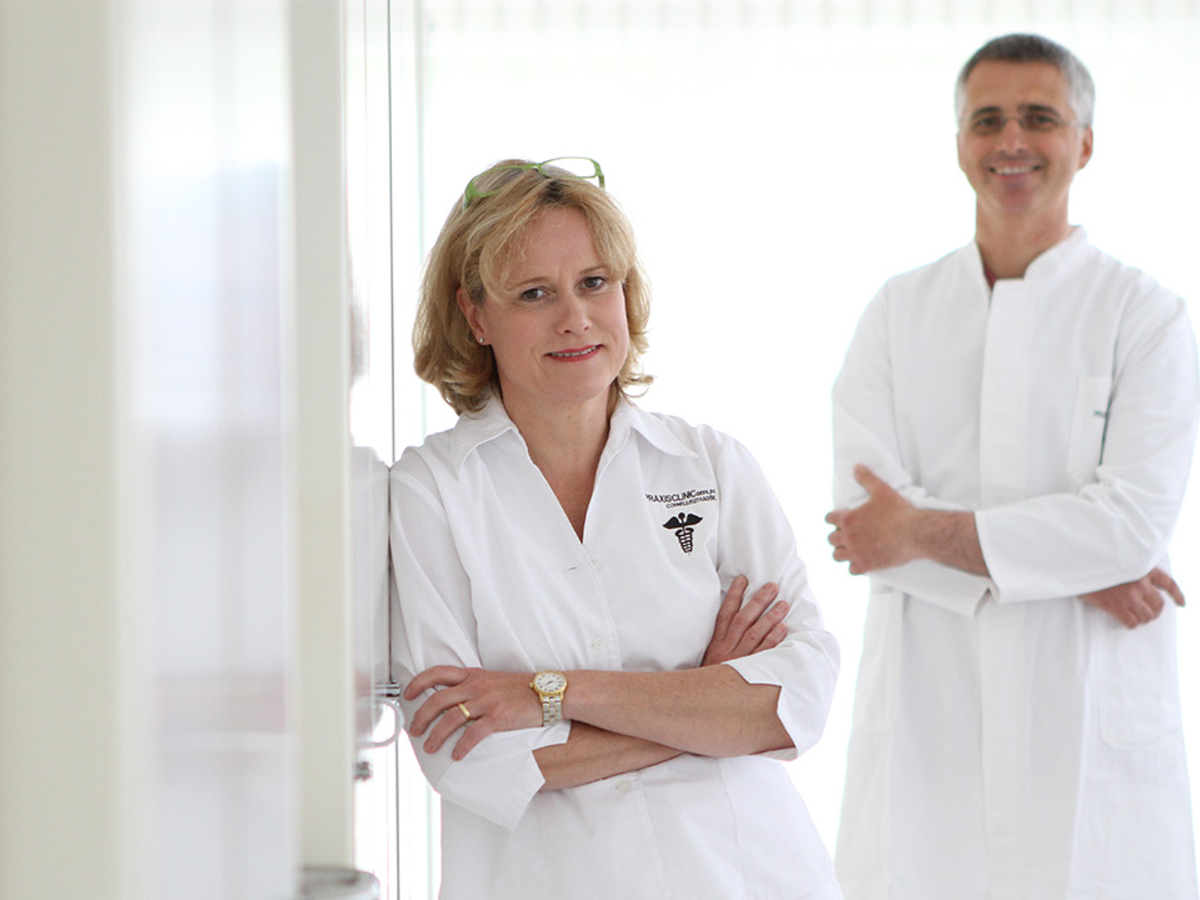
In this context, Zahnarzt-Praxis Berlin Steglitz (Dr. Djamchidi & A. Jannack) offers something rare: a Dental Practice in Berlin Steglitz that combines high-end medical competence with a genuinely international, patient-centered atmosphere. Located close to Schloßstraße, in the southwest of Berlin near Zehlendorf, this practice brings together double medical qualification, modern endodontics, and a strong commitment to preserving your natural teeth whenever possible.
The result is a place where the German word "Zahnarzt" becomes less intimidating and more reassuring: a team that can explain complex treatments in clear English, guide you through the German healthcare context, and support you step by step, from the initial consultation to the final follow-up.
One of the most distinctive features of this Dental Practice is the profile of Dr. Djamchidi. Unlike most dentists, he holds a double approbation: he is both a fully trained dentist and a physician, with special expertise in ENT (ear, nose, and throat). This is not just an additional title. In everyday practice, it creates a powerful synergy that directly benefits patients, particularly in the fields of implantology and oral surgery.
When you receive a dental implant, you are not only dealing with teeth and gums. The procedure is intimately connected to the surrounding structures of your face, jaw, and sinus region. The upper molar area, for example, lies directly under the maxillary sinus floor. This is a delicate zone: the bone can be thin, the sinus lining sensitive, and small anatomical variations can have big consequences.
Because of his combined training in medicine, ENT, and dentistry, Dr. Djamchidi views this entire region as one functional system. He understands not just the tooth and the bone, but also the respiratory pathways, sinus ventilation, and potential interactions with systemic health. This holistic approach allows him to design implant treatments that are both precise and safe.
Imagine you have lost a tooth in the upper jaw and the bone height is insufficient for a standard implant. Many patients in this situation require a sinus lift, a procedure to gently elevate the maxillary sinus floor and create enough space for stable bone around the implant. For someone without medical training, the idea of "lifting the sinus" can sound frightening. However, in the hands of a practitioner who is deeply familiar with sinus anatomy, the surrounding blood vessels, and the mucosal lining, this procedure becomes a carefully controlled, minimally invasive intervention.
Here, the dual perspective of an ENT specialist and dentist is especially valuable. During planning, imaging such as three-dimensional scans can be interpreted not only from a dental angle but also from a medical-ENT point of view. Variations in sinus shape, pre-existing sinusitis, or narrow drainage pathways can be identified and taken into account. This reduces the risk of complications and helps tailor implantology concepts to the individual patient.
In addition, systemic health plays a central role. Certain chronic conditions, medications, or allergies can influence healing after oral surgery. A physician-dentist like Dr. Djamchidi is trained to see the whole picture: he can assess the interaction between your general health, your immune system, and your oral status. This is particularly reassuring for patients with complex medical histories who may feel uneasy about undergoing dental surgery in a foreign country.
For example, if you are on blood thinners, have diabetes, or suffer from chronic sinus problems, preoperative planning must be precise. The double approbation allows Dr. Djamchidi to evaluate laboratory values, medication profiles, and ENT-related findings in a coordinated way. Rather than sending you to multiple separate appointments, he can often integrate medical and dental perspectives into a single, coherent treatment plan.
Beyond implantology, this comprehensive knowledge also supports safer oral surgery overall. Whether you need the extraction of a deeply impacted tooth, the removal of a cyst near the sinus, or a minor surgical correction of soft tissue, the combination of ENT and dental expertise provides an additional layer of diagnostic and therapeutic safety. For many patients, this holistic safety net is the main reason they choose this Dental Practice in Berlin Steglitz for their long-term care.
Complementing this medical depth is the work of Annette Jannack, whose focus lies on tooth preservation, modern endodontics, and aesthetic dentistry. While implants and oral surgery are important, the philosophy of the practice is clear: whenever possible, your own tooth should be saved before considering replacement. In German, this is often summarized as "Zahnerhalt vor Zahnersatz".
Endodontics, commonly known as root canal treatment, is a key discipline for tooth preservation. Many people associate root canals with pain or long sessions in the dental chair. In reality, when performed with modern techniques and microscopic dentistry, endodontic therapy can be both comfortable and highly successful. The aim is to remove inflamed or infected tissue from inside the tooth, thoroughly clean and disinfect the root canals, and seal them in a way that protects against reinfection.
In practical terms, this means working with great precision. Root canals can be curved, narrow, or divided into multiple branches. Without adequate visualization, bacteria may remain in hidden areas, increasing the risk of failure. By using magnification and contemporary instruments, a dentist focused on endodontics, like Annette Jannack, can identify these structures and treat them more effectively.
This microscopic approach is not just a technical detail; it changes the prognosis. Teeth that might once have been deemed hopeless can often be preserved, maintaining your natural chewing function and avoiding more invasive solutions. For expat patients who may be used to different dental standards in other countries, it is particularly reassuring to see that such advanced methods are part of routine care.
Biocompatibility is another central consideration. Materials used to fill and seal the canals, as well as those employed in subsequent restorations (such as crowns), must integrate well with the surrounding tissue and with your body as a whole. Sensitivities, allergies, or personal preferences can be discussed in detail. This individualized, health-conscious approach fits well with patients who value holistic concepts but still want evidence-based dentistry.
After successful root canal treatment, the tooth can often be rebuilt with modern, aesthetic materials that mimic natural enamel and dentin. Here, Annette Jannack brings together function and aesthetics: the restored tooth should not only feel stable and comfortable when you bite and chew, but also blend harmoniously into your smile. This is particularly important in visible areas, where colour, translucency, and shape make a big difference in everyday confidence.
For many international patients, the combination of advanced endodontics and aesthetic expertise offers a welcome alternative to the quick extraction-and-implant mindset. Instead of immediately replacing a compromised tooth, the practice explores all reasonable options to preserve it. Only when preservation is not viable or would compromise overall health does replacement come into play, planned in close cooperation between the tooth preservationist and the surgeon-implantologist.
Dentistry is not only about teeth; it is also about emotions. Many people, both locals and newcomers to Berlin, carry memories of painful treatments, rushed appointments, or feeling dismissed when they tried to express their fears. Dental anxiety is common, and it often intensifies when facing an unfamiliar health system in a new language.
The team at Zahnarzt-Praxis Berlin Steglitz recognizes this psychological dimension and has developed an anxiety-aware philosophy of care. From the first phone call or email contact, you are encouraged to share your concerns openly. The staff is accustomed to speaking English, explaining procedures step by step, and adapting the pace of treatment to your comfort level.
Before any intervention, an extended consultation is offered. During this conversation, you can ask for a second opinion if you have been advised elsewhere to undergo a major procedure. The treatment options are outlined in simple terms, with clear benefits and possible risks. Technical terms such as "implantology", "oral surgery", or "root canal treatment" are translated into understandable language, without losing medical accuracy.
For those with pronounced dental anxiety, the practice offers supportive measures. Depending on individual needs and medical suitability, possibilities include gentle sedation or so-called twilight sleep, in which you remain responsive but deeply relaxed. This can be particularly helpful during longer procedures or for patients with a strong gag reflex. The goal is always to work as minimally invasive as possible, avoiding unnecessary trauma to tissue and nerves and thereby reducing postoperative discomfort.
Some patients also benefit from complementary approaches such as homeopathic support or stress-reduction techniques before and after treatment. While these do not replace scientific dentistry, they can enhance the feeling of being cared for as a whole person. The message is clear: your fears are taken seriously, and your emotional well-being is just as important as the mechanical success of a filling, crown, or implant.
When you picture a modern clinic, you might imagine a new glass building with elevators and automatic doors. Zahnarzt-Praxis Berlin Steglitz, by contrast, is located in a classic Berlin Altbau, the type of historic building that gives the city its unique charm. High ceilings, traditional staircases, and characteristic façades create a special atmosphere that many residents of Steglitz and Berlin Southwest appreciate.
However, this authentic architectural style also means that the building is not barrier-free. Access to the practice involves climbing stairs, and there is no elevator. For some patients with limited mobility, this can be a logistical challenge, and the team is upfront about this fact. Honesty about accessibility is part of the commitment to transparency.
At the same time, the location offers clear advantages. Situated in Berlin-Steglitz, close to the lively shopping street Schloßstraße and within easy reach of Zehlendorf, the practice is well connected to public transport and offers nearby parking options for those arriving by car. Many patients combine their appointment with everyday errands, a stroll along the local shops, or a coffee in one of the nearby cafés, turning a dental visit into a more rounded urban experience.
Inside the practice, the traditional shell of the Altbau is complemented by modern equipment and a calm, contemporary interior design. This blend of old and new reflects the practice philosophy: respecting tradition and proven methods, while consistently integrating current scientific standards in areas such as prophylaxis, tooth preservation, and implantology.
If you are wondering what it actually feels like to become a patient at this Dental Practice, it can help to imagine a typical first visit. Perhaps you have recently moved to Berlin and noticed increasing sensitivity in a tooth, or you have lost a filling and are worried about waiting too long. You search online for an English-speaking dentist and discover the profile of Zahnarzt-Praxis Berlin Steglitz. The website reassures you with its clear explanations and international friendliness, so you get in touch.
During your initial contact, the reception staff asks a few key questions: What brings you to the practice? Do you have any acute pain? Are you taking regular medications? Do you prefer communication in English or German? You immediately sense that your situation is being taken seriously, and that there is space to mention anxiety or previous experiences.
On the day of your appointment, you enter the historic building and climb the stairs to the practice. At the reception, you are greeted in a friendly, calm manner. The atmosphere is professional but not cold; there is time for you to fill out the medical history form, ask questions about insurance or payment modalities, and clarify any language uncertainties. The anamnesis form covers not only dental symptoms but also general health aspects, allergies, and previous surgeries, reflecting the integrated medical-dental perspective of the team.
After a short wait, you are called into the treatment room. Depending on your main concern, you may first meet with Annette Jannack to discuss tooth preservation options, or with Dr. Djamchidi if implantology or oral surgery might be involved. In either case, the appointment starts with a conversation at eye level: you sit face to face, not yet in the dental chair, and talk through your expectations and fears.
Next comes a thorough clinical examination. The dentist inspects your teeth, gums, and bite, and may recommend diagnostic imaging such as X-rays or, for complex cases, three-dimensional scans. If there are signs of inflammation near the root tip, an explanation of endodontics and root canal treatment will follow, including why a tooth can sometimes be saved even if it has been painful for weeks.
Throughout the process, you are encouraged to ask questions. What exactly is the maxillary sinus floor, and why does it matter for implants? How does a minimally invasive approach differ from traditional surgery? What are the pros and cons of preserving a tooth versus replacing it with a crown on an implant? Instead of pushing you towards a fast decision, the dentist outlines several options and respects your time to think or seek a second opinion.
If immediate treatment is possible and you feel ready, a first therapeutic step may be carried out on the same day, for example a temporary filling, an initial phase of root canal cleaning, or a gentle adjustment to relieve occlusal stress. If you struggle with dental anxiety, the team checks carefully whether a sedative or twilight sleep might be beneficial for upcoming procedures, always with appropriate medical assessment and monitoring.
Before you leave, you receive written information about the planned treatment phases, costs, and any necessary documents for your insurance. The reception team can help you understand how German statutory or private health insurance typically handles dental treatments, and what additional private services might be worthwhile. For many expats, this guidance through the bureaucratic side of the system is almost as important as the clinical care itself.
In the following appointments, the focus shifts to detailed work: perhaps extensive prophylaxis to prevent future problems, advanced endodontics to rescue a threatened tooth, or careful preparation and placement of an implant in harmony with your jaw and sinus anatomy. At each stage, the values of the practice remain the same: medical and dental precision, respect for your individuality, and clear, empathetic communication in English or German.
When you take a step back and look at the overall picture, it becomes clear why Zahnarzt-Praxis Berlin Steglitz stands out among the many options in Berlin. For one, the dual qualification of Dr. Djamchidi as physician and dentist brings a level of integrated expertise that is especially reassuring in complex fields such as implantology and oral surgery. Understanding the sinuses, airways, and systemic health context in addition to the teeth strengthens safety, from the initial planning of a sinus lift to the long-term stability of your implants.
At the same time, the meticulous work of Annette Jannack in endodontics, tooth preservation, and aesthetics ensures that replacement is never the automatic first choice. Prophylaxis and minimally invasive methods are used to maintain your natural dentition as long as possible, and when a tooth must be treated, microscopic dentistry and biocompatible materials help secure a durable, harmonious result.
Equally important is the human factor. The practice understands that being an expat in Berlin involves more than just a different language. The unfamiliar structure of German healthcare, worries about insurance coverage, and cultural differences in doctor-patient communication can all intensify dental anxiety. By offering an English-speaking dentist team, transparent explanations, and the option of sedation or twilight sleep, Zahnarzt-Praxis Berlin Steglitz turns what might have been a stressful necessity into a manageable, even positive, experience.
The setting in a classic Altbau in Steglitz, close to Schloßstraße and within reach of Zehlendorf and the broader Berlin Southwest, provides an authentic local flavor. While the absence of an elevator and the presence of stairs mean the building is not barrier-free, this reality is communicated openly, and many patients appreciate the combination of historic charm with state-of-the-art equipment and techniques.
For locals and international residents alike, this constellation of medical depth, dental specialization, warmth, and honesty makes Zahnarzt-Praxis Berlin Steglitz a compelling choice. Whether you are looking for comprehensive implantology, advanced root canal treatment, gentle prophylaxis, or just a second opinion from an experienced Zahnarzt with a physician's view, this practice offers a place where trust can grow over time.
In a city as dynamic and diverse as Berlin, having a dental home where your health, your story, and your fears are all taken seriously is more than a convenience. It is a cornerstone of your quality of life. For many patients in Steglitz and beyond, Zahnarzt-Praxis Berlin Steglitz (Dr. Djamchidi & A. Jannack) has become exactly that: a trusted partner in oral health, grounded in science, shaped by empathy, and ready to welcome you in a language you understand.
So schätzen die Börsenprofis Aktien ein!

Für. Immer. Kostenlos.