A Trusted Dental Practice in Berlin Steglitz for Expats and Locals
13.04.2026 - 07:01:05 | ad-hoc-news.de
Moving to a new country is exciting, but it also brings a very practical question: who will you trust with your health, and especially with your teeth? For many international residents in Berlin, the search for a reliable, English-speaking dental practice can be surprisingly stressful. Different healthcare systems, unfamiliar paperwork, insurance rules, and the fear of not being understood during a medical conversation all add to the anxiety people already feel when they think of the dentist.
Dental anxiety is universal. It does not matter if you are a student from Spain, a software engineer from India, a diplomat from the United States, or a long-term local Berliner. Sitting in the dental chair, with bright lights and unfamiliar instruments, can be daunting. When you add language barriers and cultural differences on top of this, many people postpone important treatments, even when they experience pain, swelling, or cosmetic issues that affect their confidence.
In Berlin, the healthcare system is thorough and regulated, but it is also different from what many expats know from home. Appointments can feel very formal, and some patients are afraid to ask questions or request clarification. They may worry that they will not find an English-speaking dentist who can explain implantology, root canal treatment, or insurance options in a way that feels reassuring and clear. This is particularly true in situations involving oral surgery, dental implants, or complex endodontic therapy, where patients want strong medical justification and a clear risk-benefit explanation before they commit.
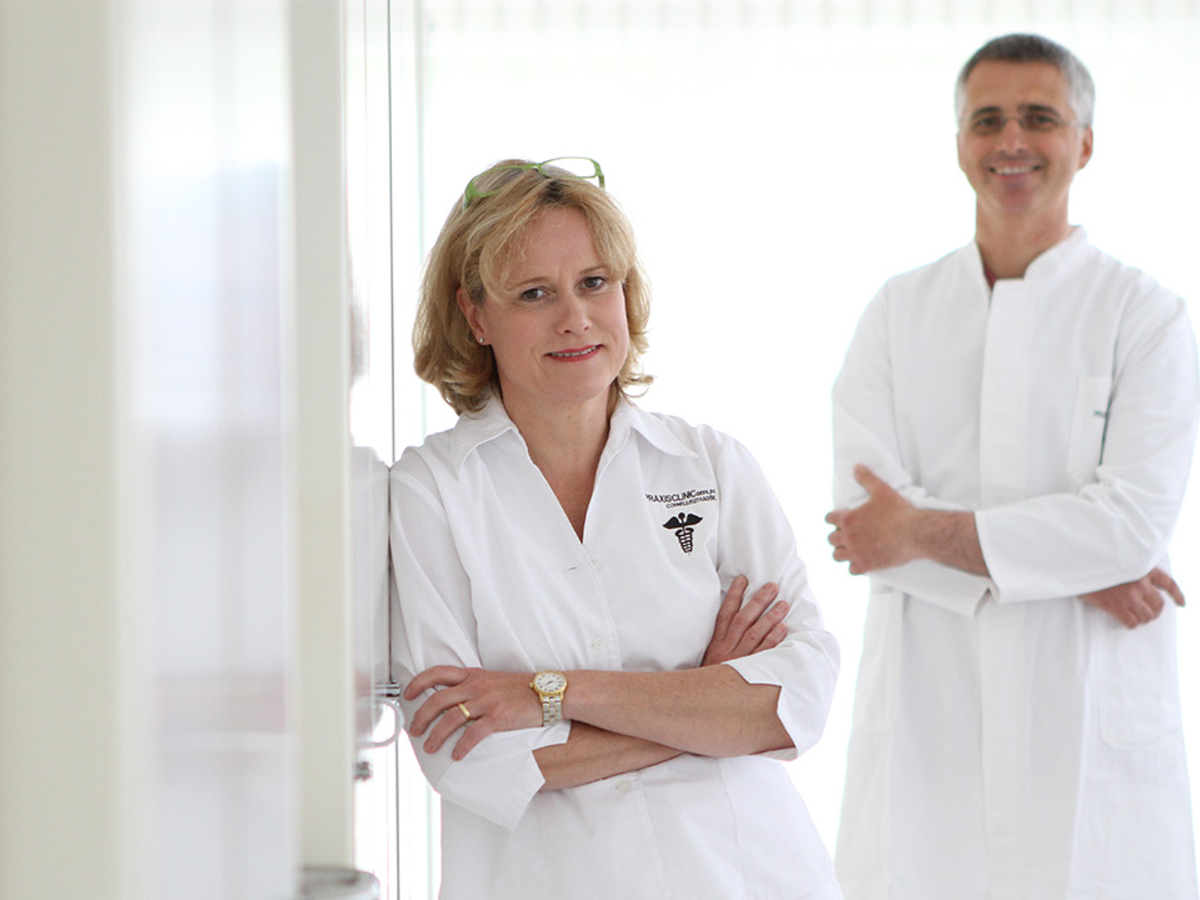
For residents in Berlin Southwest, the district of Steglitz, with its busy Schloßstraße and classic Altbau façades, offers a mix of neighborhood familiarity and urban convenience. Hidden behind these historic buildings are medical practices that combine the charm of old Berlin with state-of-the-art technology. One such place is Zahnarzt-Praxis Berlin Steglitz (Dr. Djamchidi & A. Jannack), a dental practice that has become a trusted address for both locals and international patients.
This Dental Practice in Berlin Steglitz is not just about fillings and cleanings. It is a clinic where two different but complementary professional profiles come together: Dr. Djamchidi, who holds a double approbation as both physician and dentist, with a background in Ear, Nose, and Throat (ENT) medicine and implantology; and Annette Jannack, a dentist with a special focus on endodontics, tooth preservation, and aesthetics. Together, they offer a holistic approach that combines oral surgery and implant placement with an equally strong commitment to tooth preservation and minimally invasive treatment.
For many expats, the presence of an English-speaking team and the willingness to provide a detailed second opinion create an atmosphere of trust. This is especially comforting when considering major procedures such as implants, sinus lifts, or complex root canal treatments. The practice is located in a classic Berlin Altbau in Steglitz, close to public transport and Schloßstraße, making it accessible for patients from Zehlendorf and other parts of Berlin Southwest. While the building itself is historic and reached via stairs (it is not barrier-free and has no elevator), this architectural character is part of the authentic Berlin experience that many residents have come to appreciate.
One of the core reasons patients choose Zahnarzt-Praxis Berlin Steglitz is the unique profile of Dr. Djamchidi. In Germany, holding a double approbation means that he is licensed both as a medical doctor (MD) and as a dentist (DDS equivalent). In his case, this dual qualification includes a strong specialization in ENT medicine, focusing on the anatomical region that directly surrounds the oral cavity: the nose, paranasal sinuses, throat, and related structures.
This combination is particularly valuable in implantology and oral surgery. Dental implants are not simply screws in the jaw; they are medical devices that interact with bone, soft tissue, nerves, and, in the upper jaw, the maxillary sinus floor. When placing implants in the posterior maxilla (the region of the upper molars), dentists must be very aware of the position and health of the maxillary sinus. In some patients, the bone height between the mouth and the sinus is limited, either because of natural anatomy, previous tooth loss, or bone resorption over time. In these cases, a sinus lift or sinus floor elevation may be recommended to create enough bone volume for a stable implant.
This is where the dual perspective of an ENT specialist and dentist becomes a decisive advantage. An ENT-trained physician understands the function of the sinus system, the ventilation pathways, and the potential impact of surgery on sinus health. For patients, this means that before any implant is placed near the sinus region, the entire area can be evaluated not just from the viewpoint of a dentist, but also from the viewpoint of a medical doctor trained in sinus and airway anatomy.
During consultation, patients may hear terms like maxillary sinus floor, Schneiderian membrane, or sinus augmentation. For a layperson, these words can be confusing. With his ENT and dental background, Dr. Djamchidi can translate this complexity into clear, accessible language. He can explain how the sinus floor acts as a delicate boundary between the mouth and the air-filled sinus cavity, why maintaining the integrity of this membrane is crucial, and how minimally invasive techniques can reduce the risk of complications such as sinusitis or membrane perforation.
In practical terms, this dual qualification brings several safety benefits for implant patients. First, treatment planning becomes more medically comprehensive. The assessment of bone quality, sinus anatomy, and overall health is integrated with an ENT-style risk evaluation. If a patient has a history of chronic sinusitis, allergies, nasal septum deviation, or previous ENT surgery, these factors are carefully taken into account before deciding on a sinus lift or implant placement. Second, the choice of surgical technique is adapted to minimize trauma. Where possible, minimally invasive crestal approaches or smaller lateral windows may be used, always with the integrity of the sinus in mind.
Third, in the rare case that complications occur, such as acute sinus inflammation after implant placement, there is direct in-house medical competence to recognize, diagnose, and manage these issues. This reduces the need for referrals and gives patients the reassuring feeling that they are being looked after by someone who sees the entire picture: teeth, bone, sinus, and general medical health. For international patients who may be used to separate specialists for every step, it is reassuring to have a Zahnarzt who also thinks like a physician, coordinating implantology, oral surgery, and ENT considerations under one roof.
But the advantages of a double approbation do not stop at the sinus region. When planning implants in the lower jaw, knowledge of nerve pathways, such as the inferior alveolar nerve, is essential to avoid numbness or sensory disturbances. A medically trained practitioner pays particular attention to imaging, accurate measurements, and the biocompatibility of materials used for implants and bone grafting. Issues like systemic inflammation, immune reactions, or interactions with chronic conditions (for example, diabetes or autoimmune diseases) can have a significant impact on healing. A practitioner with a physician’s background is used to integrating these systemic factors into the dental treatment plan.
In the context of oral surgery, including complex extractions, apicoectomies (root tip resections), or pre-implant bone augmentation, a double-qualified practitioner can evaluate the patient from both a dental and general medical standpoint. Questions such as, "How do your medications affect bleeding?", "Is your cardiovascular condition stable enough for a longer surgery under local anesthesia or twilight sleep?", or "How might your airway anatomy influence sedation options?" are addressed with clinical confidence. For patients with multiple medical conditions, this adds a profound sense of safety.
Over time, this style of implantology and oral surgery, grounded in both dental expertise and ENT medicine, builds deep trust. Patients know that their treatment is not just about placing a titanium implant, but about integrating that implant into a living, breathing, complex anatomical system. This is particularly important for expats who may worry about communication gaps when discussing procedures that touch such sensitive areas. Being able to ask detailed questions in English and receive medically precise yet understandable answers is often a decisive factor in choosing a dental practice.
While implants and oral surgery are one pillar of Zahnarzt-Praxis Berlin Steglitz, the other equally important pillar is tooth preservation. This is where the work of dentist Annette Jannack comes into focus. Her professional passion lies in advanced endodontics, microscopic dentistry, and aesthetic restorations that respect as much natural tooth structure as possible.
Endodontics is the field of dentistry dedicated to the interior of the tooth: the dental pulp, root canals, and the surrounding periapical tissues. When a tooth is deeply decayed, cracked, or infected, bacteria can reach the pulp, causing severe pain, sensitivity to hot and cold, or swelling. In the past, such teeth were often extracted. Today, modern root canal treatment allows many of these teeth to be preserved and remain functional for many years, sometimes for life.
In the philosophy of Zahnerhalt vor Zahnersatz (saving the tooth before replacing it), the focus is on preserving what the body has created whenever it is biologically and medically sensible. Implants are excellent solutions for missing teeth, but they are still replacements. A well-treated natural tooth, with an intact root and periodontal support, is often more adaptable and preserves more natural sensation. This is why, before proposing an implant, a careful endodontic evaluation is done to see whether the tooth can be saved.
Under the care of Annette Jannack, root canal treatment is approached as a meticulous, high-precision procedure. Using techniques of microscopic dentistry, she works under magnification to locate even very fine or curved root canals that might be missed under naked-eye conditions. This is crucial because undetected or inadequately cleaned canals can harbor bacteria, leading to persistent infection or later failure of the treatment.
The process of endodontic therapy in this dental practice is structured and patient-centered. After diagnostic imaging and testing, the tooth is numbed thoroughly to ensure comfort and to reduce dental anxiety, even in patients who have had previous traumatic experiences. The pulp chamber is opened carefully, and the infected or inflamed tissue is removed. Then, with fine instruments and irrigation solutions, the root canals are cleaned, shaped, and disinfected. Attention is paid to the biocompatibility of the materials used both for irrigation and for filling the canals. The canals are then sealed three-dimensionally, usually with a filling material like gutta-percha and a sealer, to prevent bacteria from re-entering.
Once the internal treatment is complete, the tooth is restored externally, often with an inlay, onlay, or crown that restores its shape and function while protecting the remaining structure. Here, aesthetics and function go hand in hand. Advanced ceramics and composite materials allow restorations that blend naturally with the surrounding teeth, so that even front teeth treated with root canal therapy can look harmonious and bright.
In some cases, patients come to Zahnarzt-Praxis Berlin Steglitz specifically for a second opinion on a tooth that another clinic has labeled "hopeless." These are situations where the offer may have been immediate extraction and implant placement. Under the microscope and with a strong endodontic mindset, Annette Jannack may find additional treatment options: re-treatment of an old root canal, localization of a missed canal, or minimally invasive surgical endodontics such as apicoectomy, if justified. Not every tooth can or should be saved, but many can, and for patients this can mean preserving their natural dentition longer and delaying more invasive prosthetic steps.
This careful balance between endodontics and implantology is a defining feature of this dental practice. Instead of seeing implants and root canal treatment as competing solutions, the team sees them as complementary options along a spectrum, always guided by the question: what is the safest, most durable, and most biologically respectful solution for this individual patient? For someone with strong roots and a localized infection, tooth preservation may be ideal. For someone with a fractured tooth root or severe bone loss, implantology may be the better route. The key is that patients receive a transparent explanation of these options in clear English or German, and can participate actively in the decision.
Beyond medical expertise, what many people remember most about a dental visit is how they felt: were they rushed, or heard? Were their fears acknowledged, or dismissed? Dental anxiety is extremely common, and it often has rational origins: previous painful experiences, stories from friends, or simply the feeling of losing control while lying back with instruments in the mouth. Zahnarzt-Praxis Berlin Steglitz acknowledges this reality and has built an "anxiety-free" concept to reduce stress at every step.
From the first contact, the team aims to communicate in a warm, empathetic way. This starts with simple things: speaking clear English for international patients, explaining appointment details in advance, and helping people navigate the German health insurance and billing system. In the waiting room and treatment areas, the atmosphere is designed to be calm rather than clinical, so that the historic character of the Altbau building contributes to a sense of homeliness instead of intimidation.
During treatment, pain control and comfort have highest priority. Local anesthesia is always tailored to the patient’s sensitivity, and the team takes time to wait until the area is truly numb before beginning. For patients with severe dental anxiety, or for longer procedures such as implant placement, multiple extractions, or complex endodontics, the practice offers additional supportive options. These can include sedation techniques such as twilight sleep, in which the patient remains in a state between waking and sleeping, perceiving less of the procedure and often remembering very little afterward. Twilight sleep is particularly helpful for patients who otherwise avoid necessary treatment due to fear.
When discussing such options, the physician’s perspective again becomes important. A double-qualified practitioner evaluates the patient’s overall health, medications, and airway anatomy before recommending sedation. This ensures that the chosen method is as safe as possible for the individual person. In addition, some patients appreciate gentle, complementary approaches, for example the use of homeopathy or calming herbal remedies as supportive measures. While these do not replace scientific medical treatment, they can complement it and contribute to a more relaxed experience for those who value integrative care.
Anxiety reduction also means transparency. Before starting any procedure, the dentist explains what will happen in a calm, structured way and invites questions. Many expats are surprised to find that in this practice, it is completely acceptable to say, "I am scared," or "Can you explain that part again?" Establishing this open communication is a key part of building trust. It also ensures that patients do not feel pressured into treatments they do not fully understand. The result is a more cooperative relationship, where dentist and patient work together toward the shared goal of tooth preservation, function, and aesthetics.
The setting of the practice contributes to this feeling of authenticity. Located in Berlin-Steglitz, not far from Schloßstraße, the clinic is housed in a classic Altbau. The high ceilings, old staircases, and characteristic façade are part of what many people associate with the "real" Berlin. It is important to note that, because of this historic architecture, the building is not barrier-free. Access to the practice involves climbing stairs, and there is no elevator. This is an honest limitation, and the team makes sure that patients are informed about it in advance so that those with significant mobility issues can plan accordingly or discuss possible solutions.
At the same time, the location offers several practical advantages. Steglitz is well connected by public transport, with buses and U-Bahn lines that link it to central Berlin and to neighboring areas such as Zehlendorf and other parts of Berlin Southwest. For patients coming by car, there are parking options in the surrounding streets and near Schloßstraße, which is known for its shopping and services. This makes it relatively easy for locals and expats living in different districts to combine a dental visit with other errands or activities.
Inside the practice, the combination of historical charm and modern dental technology creates a distinct atmosphere. Treatment rooms are equipped with contemporary devices for diagnostic imaging, endodontic instruments, and implantology, but the overall environment retains the calm, residential feeling of an older Berlin building. Many patients find this more welcoming than a sterile, anonymous clinic environment. The contrast between the classic setting and the high level of medical and dental expertise can be particularly appealing to international patients who are seeking both authenticity and quality.
To understand how this dental practice operates in everyday life, it is helpful to walk through a hypothetical patient journey. Imagine an international professional who has recently moved to Berlin and lives near Zehlendorf. After experiencing increasing pain in a molar and feeling self-conscious about a missing tooth in the upper jaw, they decide to look for a Dental Practice in Berlin Steglitz. Online, they find Zahnarzt-Praxis Berlin Steglitz, with information available in English and the possibility of a detailed consultation.
The first step is making contact. The patient calls or writes an email in English, explaining their situation: pain in a lower molar, a gap from a previously extracted upper molar, and a strong fear of dental treatment due to bad experiences in the past. The reception staff responds kindly, offers an appointment, and explains what documents to bring, such as insurance details and any previous X-rays if available. They also mention that the building is an Altbau with stairs and no elevator, so the patient knows what to expect when they arrive.
On the day of the appointment, the patient climbs the stairs, steps into the practice, and is greeted calmly. The waiting room feels like a quiet apartment rather than a hospital corridor. During registration, the staff helps the patient fill out the anamnesis form, which includes questions about medical history, medications, allergies, and previous dental treatments. For expats, questions about German insurance can be confusing, but here they can ask in English and receive patient explanations.
The consultation begins with a detailed conversation, not with immediate drilling. The dentist listens to the patient’s concerns: the fear of pain, the wish to keep the lower molar if possible, the embarrassment about the visible gap when smiling. It becomes clear that the patient values both function and aesthetics. The dentist explains that they will first perform a thorough examination, which may include digital X-rays or other imaging, to gather detailed information about the teeth, jawbone, and surrounding structures.
Under examination, the lower molar shows deep decay close to the nerve, and the upper gap is in the region near the maxillary sinus. The dentist explains that, for the lower tooth, a root canal treatment may offer a good chance of saving the tooth. Here, the expertise of Annette Jannack as an endodontic specialist comes in. For the upper gap, the bone height seems limited, and the sinus lies close to the planned implant site. This is where the double qualification of Dr. Djamchidi becomes relevant. He evaluates the sinus’s proximity, the thickness of the maxillary sinus floor, and the quality of the remaining bone, explaining that a sinus lift might be necessary before or during implant placement.
The patient is invited to ask questions. What exactly is a root canal? Will it hurt? What are the risks of an implant near the sinus? Is twilight sleep available, given the anxiety? Step by step, the dentists describe the procedures. For the root canal, they explain that the tooth will be numbed completely, the infected tissue inside will be removed, the canals cleaned with fine instruments and disinfecting solutions, and then filled and sealed. With microscopic dentistry, the chances of success are high, especially if the tooth’s roots are not cracked.
For the implant, they describe how a small titanium or similar biocompatible device will be placed in the jawbone to serve as an artificial root. They explain that because the bone height is limited and the sinus is near, a sinus lift procedure is required to gently elevate the Schneiderian membrane and place bone material beneath it. This will later integrate with the patient’s bone, creating a stable base for the implant. With his ENT and dental training, Dr. Djamchidi reassures the patient that the sinus health will be protected and that the risk of complications will be minimized through careful planning and minimally invasive techniques.
Together, they develop a treatment plan that includes: first, root canal treatment and restoration of the lower molar; second, sinus evaluation and planning of the upper implant; third, implant placement possibly combined with a sinus floor elevation; and finally, the placement of an aesthetic crown on the implant that harmonizes with the patient’s smile. The patient is offered the option of sedation or twilight sleep for the longer surgical part, and the medical suitability of this option is assessed carefully.
Over the following weeks or months, the patient experiences the different stages of treatment. During the root canal sessions, they notice that the injections are administered gently, that the dentist checks in frequently about comfort, and that explanations are provided in real time: what sound they may hear, why a certain instrument is used, how long a step will take. The use of a rubber dam, microscopic magnification, and modern cleaning techniques gives them the feeling that every detail is under control.
For the implant and sinus procedure, if twilight sleep is chosen, the patient arrives with some understandable nervousness but is reassured by the presence of a practitioner trained in both dentistry and medicine. Monitoring, medication, and airway considerations are handled professionally, reducing the stress around sedation. After the procedure, they receive clear post-operative instructions, including information on pain control, hygiene, and signs that should prompt a follow-up call.
As healing progresses and the final crown is placed, the patient sees the transformation: the lower molar is pain-free and functional, the upper implant-supported crown fills the gap naturally, and their smile looks harmonious again. Perhaps more importantly, their fear of the dentist has shifted into a cautious but real trust. They now have a dental home in Berlin, a place they can return to not only for emergencies but also for regular prophylaxis and check-ups.
Preventive care, or prophylaxis, plays a central role in maintaining these results. At Zahnarzt-Praxis Berlin Steglitz, professional cleanings are more than just a cosmetic polish. They involve careful removal of plaque and tartar above and below the gumline, assessment of gum health, and personalized advice on brushing and interdental cleaning. For implant patients, special attention is paid to cleaning around the implant crown and the soft tissue interface, as this area can be vulnerable to inflammation if not maintained well.
Over time, this consistent, preventive approach reduces the likelihood that patients will need emergency root canal treatment or urgent oral surgery. Instead, potential problems are identified early, and small interventions can be done in a minimally invasive way. For expats planning to stay in Berlin long term, establishing this kind of continuous care with a trusted Zahnarzt can make a significant difference to their overall health and comfort.
For anyone living in or near Steglitz, Zehlendorf, or other parts of Berlin Southwest, Zahnarzt-Praxis Berlin Steglitz (Dr. Djamchidi & A. Jannack) stands out as a dental practice that combines deep medical expertise with a strong human touch. The double approbation of Dr. Djamchidi brings a rare level of safety and insight to implantology and oral surgery, especially in anatomically complex areas near the maxillary sinus and other ENT structures. Patients benefit from a comprehensive view of their health that goes beyond the mouth alone.
At the same time, the specialized endodontic and aesthetic skills of Annette Jannack ensure that tooth preservation is always considered first. The philosophy of Zahnerhalt vor Zahnersatz means that implants, bridges, and other prosthetic solutions are recommended thoughtfully and only where they offer clear advantages over preserving natural teeth. Through microscopic dentistry, careful root canal treatment, and high-quality restorations, many teeth that might otherwise be lost are saved.
The practice’s emphasis on anxiety reduction, sedation options, and clear communication in English and German makes it particularly suited to international patients who may feel vulnerable when navigating a new healthcare system. The team understands typical expat pain points, such as fear of medical bureaucracy, confusion about insurance, and the desire for a second opinion before undergoing major treatment. By offering transparent explanations and involving patients actively in treatment decisions, the practice builds sustainable trust.
The location in a classic Altbau in Berlin-Steglitz, with its inevitable stairs and lack of elevator, reflects the authentic architectural character of the city. While not barrier-free, the practice’s proximity to Schloßstraße, public transport connections, and surrounding neighborhoods like Zehlendorf makes it a practical and accessible choice for many. Once inside, patients find a blend of old-world charm and modern technology that mirrors the practice’s overall philosophy: respecting tradition while applying the most advanced medical and dental standards.
Whether you are seeking a routine check-up and prophylaxis, a second opinion on a recommended extraction, complex root canal treatment, or a full implant-based solution after tooth loss, this dental practice in Berlin Steglitz offers a rare combination of skills. Here, oral surgery, implantology, tooth preservation, and aesthetics are not separate islands but interconnected parts of a coherent, patient-centered approach. For locals and expats alike, it provides something invaluable: the feeling of being in medically competent, empathetic, and genuinely caring hands.
So schätzen die Börsenprofis Aktien ein!

Für. Immer. Kostenlos.