A Trusted Dental Practice in Berlin Steglitz for Expats and Locals
09.04.2026 - 07:01:06 | ad-hoc-news.de
Moving to a new city is exciting, but when it comes to healthcare, the excitement quickly turns into uncertainty. You may have already navigated German registration, health insurance, and paperwork, yet the idea of finding a trustworthy Dental Practice in Berlin still feels daunting. Many international residents in the southwest of the city, around Steglitz, Schloßstraße or Zehlendorf, postpone important treatments for months because they are not sure where to go, whether anyone will speak English, or if their fears about pain and dental anxiety will be taken seriously.
For expats and locals alike, teeth are not just about health. They are about confidence, social interaction, first impressions at a new job, or simply feeling at home in your own body. When a filling breaks, a tooth suddenly aches, or you start thinking about improving your smile, you want more than a quick fix. You want a Dental Practice that treats you as a whole person, respects your questions, and works with the same or higher medical standards you are used to from your home country.
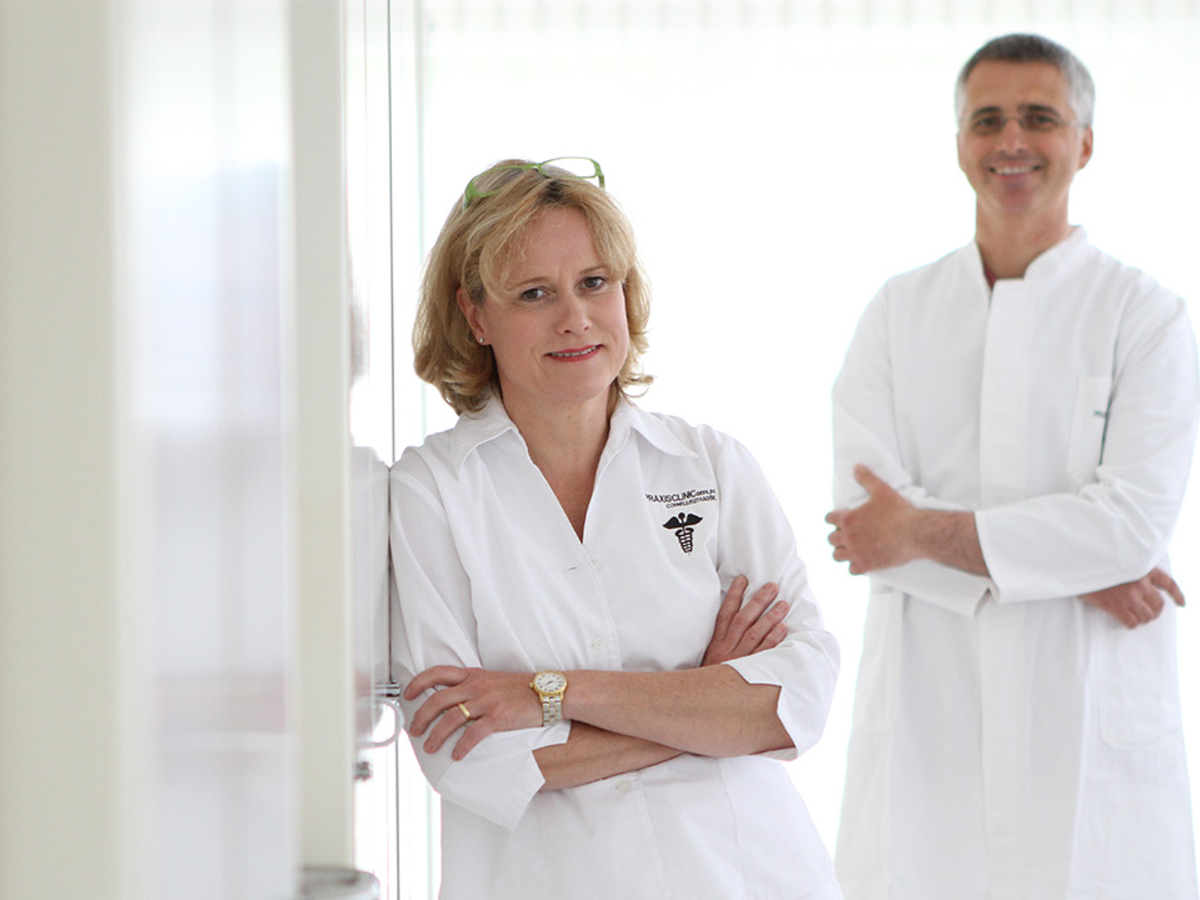
This is where the Zahnarzt-Praxis Berlin Steglitz of Dr. Djamchidi & Annette Jannack stands out. Located in a classic Berlin Altbau in Steglitz, this dental team combines advanced Implantology, modern Oral Surgery and high-level Endodontics (root canal treatment) with a strong focus on tooth preservation, minimally invasive methods and an anxiety-aware atmosphere. For international patients, one aspect is especially reassuring: the rare "double approbation" of Dr. Djamchidi, who is both a fully trained physician and ENT specialist and a licensed dentist.
In a city where it is already difficult to choose between countless practices when you simply search for a Zahnarzt online, this combination of qualifications, experience and empathy can make the decision much easier.
Many expats in Berlin share similar stories: they avoid going to the dentist because they are afraid of not being understood, of signing documents they cannot fully read, or of being pushed into treatments without transparent explanations. Some have had painful experiences in the past and associate every dental chair with fear. Others are used to a very preventive system in their home country and are surprised by how differently things can be handled in Germany.
This Dental Practice in Berlin Steglitz addresses these concerns from the moment you first make contact. The team is accustomed to international patients and understands that language and trust are inseparably linked. Being able to communicate in English with your dentist is not a luxury; it is a medical safety factor. You need to be able to describe your symptoms precisely, to ask what will happen during a procedure, to understand risks, and to feel comfortable enough to say "I am scared" without embarrassment.
At Zahnarzt-Praxis Berlin Steglitz, the consultation is designed as a real conversation. Your previous experiences, fears and wishes are taken seriously. Instead of feeling rushed, you are guided step by step through your options: from classic fillings and Prophylaxis (professional preventive cleanings) to complex Implantology, root canal treatment, or aesthetic solutions like high-quality ceramic restorations. This is not about selling as many procedures as possible. It is about finding the treatment that suits your medical situation, your lifestyle, and your personal expectations.
An additional layer of reassurance comes from the practice philosophy: where possible, the team tries to preserve your natural teeth (tooth preservation) rather than immediately replacing them. This approach, deeply anchored in the work of endodontic specialist Annette Jannack, is expressed in the German principle "Zahnerhalt vor Zahnersatz" – saving the tooth before resorting to a prosthetic solution.
When you read that your dentist has a "double approbation", it may sound like a technical detail. In reality, it can make a significant difference in safety, diagnostics, and treatment planning, especially in Implantology and Oral Surgery. Dr. Djamchidi is not only a dentist, but also a licensed physician and ENT (Ear, Nose, Throat) specialist. This means that he is thoroughly trained in the anatomy, diseases and interconnections of the head and neck region from both a medical and a dental perspective.
Why does this matter for dental implants, bone augmentation or a sinus lift? When an implant is placed in the upper jaw, its tip may come very close to the maxillary sinus – an air-filled cavity in the facial bones. The thin bone between the roots of the upper molars and premolars and the sinus cavity is called the maxillary sinus floor. If this bone is too thin for safe implant placement, a surgical procedure known as a sinus lift can be performed to gently elevate the sinus membrane and fill the space with bone material, creating a stable base for an implant.
For a layperson, this may sound intimidating. After all, the sinus is part of the respiratory system, closely connected to nasal breathing, pressure equalization and the overall health of the upper airways. This is exactly where the ENT knowledge of a physician like Dr. Djamchidi becomes so valuable. Understanding the sinuses is everyday work for an ENT specialist. He knows how sinusitis develops, how the mucosa behaves, and how anatomical variations in the nasal cavity and sinus system may influence both breathing and surgical access.
In Implantology, this means that preoperative planning can go deeper. Three-dimensional imaging (for example via cone beam CT) allows the precise assessment of the maxillary sinus floor, the course of nerves, and the individual bone structure. A dentist with ENT training can interpret these images not only from a dental point of view, but also with respect to nasal airflow, drainage pathways, and the risk of postoperative sinus complications. This dual perspective increases safety when placing implants near the sinus and helps reduce complications such as sinus perforations or chronic sinus irritation.
Furthermore, a physician's training includes an in-depth understanding of general health conditions that may influence wound healing and bone integration: cardiovascular diseases, diabetes, autoimmune conditions, or medication effects, to name a few. For international patients who may be on long-term medication or have complex health histories, it is reassuring to know that their Implantology plan is not being made in isolation. Instead, it is balanced against their overall health, and where necessary, coordinated with their general practitioner or specialists.
Another aspect where the double approbation is beneficial is anesthesia and sedation. While complex Oral Surgery can often be performed under local anesthesia, some patients require sedation or twilight sleep to cope with anxiety, gag reflex, or extensive treatment time. A dentist who is also a physician can better assess anesthesia-related risks, interactions with systemic diseases, and the impact of certain medications. This allows tailored sedation concepts that are as gentle as possible while still maintaining a high level of safety.
In concrete terms, when you come to Zahnarzt-Praxis Berlin Steglitz for implants or Oral Surgery, you are not simply looking at a tooth in isolation. The entire anatomical region – the jaw, the temporomandibular joint, the muscles, the nasal passages, and the maxillary sinuses – is considered as one functional system. This is particularly important when planning larger reconstructions with several implants, bridges or combined treatments in the upper and lower jaw.
For example, if you suffer from chronic nasal congestion or recurrent sinus infections, this may influence how and where implants can be placed, or which kind of bone augmentation is advisable. A practitioner who truly understands both ENT medicine and dentistry can integrate these factors rather than treating them separately. For patients, this means fewer surprises and a treatment plan that feels medically coherent.
Beyond Implantology, the double degree allows a holistic view of orofacial pain, headaches, and ear symptoms that may be linked to the teeth or jaw joint. Many people are surprised to learn that certain types of ear pain, tinnitus or pressure sensations around the cheek can be related to dysfunctional bite, teeth grinding or jaw muscle overload. A specialist trained in both ENT and dental medicine is uniquely positioned to distinguish between causes that are primarily dental and those that are primarily otological or sinus-related – and to refer appropriately when necessary.
While Implantology and Oral Surgery are central pillars of the practice, there is an equally strong focus on conservative, tooth-preserving dentistry. This is where the expertise of Annette Jannack becomes especially visible. Her core area is Endodontics – the field concerned with treating the inside of the tooth, especially root canal treatment, with the aim of preserving teeth that would otherwise need to be extracted.
Many patients instinctively fear root canal treatment, often because they associate it with pain or outdated techniques. In a modern setting, however, Endodontics has evolved into a highly precise, often nearly pain-free discipline, supported by microscopic dentistry and advanced materials. At Zahnarzt-Praxis Berlin Steglitz, root canal treatments are carried out with a philosophy of maximum preservation and biocompatibility: the goal is to remove infection, disinfect and seal the root canal system so thoroughly that the tooth can continue to function for many years.
What does a state-of-the-art root canal treatment involve? After careful diagnostics – including digital X-rays and sometimes additional imaging – the tooth is opened under local anesthesia. Isolation with a rubber dam protects the tooth from saliva and bacteria in the mouth, improving hygiene and patient safety. Using fine, flexible instruments, the diseased or infected tissue from inside the root canals is gently removed.
Here, microscopic dentistry plays a key role. Under high magnification, tiny structures become visible that would be invisible to the naked eye: additional root canals, fine branches, or complex curvatures. Being able to see what you are doing is crucial for thoroughly cleaning and later sealing the canal system. Incomplete removal of bacteria can lead to persistent inflammation and the eventual loss of the tooth. With visual magnification and modern techniques, the chances of long-term success increase significantly.
After mechanical preparation, chemical disinfection with special solutions removes microscopic residues and biofilm from the root canal walls. Once the canal system is entirely clean and dry, it is filled with a biocompatible material, usually gutta-percha combined with a sealer, to prevent new bacterial penetration. Finally, the tooth is restored with a filling or crown, depending on how much natural tooth substance is left.
The guiding idea "Zahnerhalt vor Zahnersatz" means that every effort is made to preserve your natural tooth if it is still medically reasonable. While implants and prosthetics are excellent solutions when a tooth is lost, nothing fully matches the biomechanics and proprioception (fine-tuned sensory feedback) of a living, preserved tooth. For younger patients, tooth preservation delays or avoids the need for prosthetics. For older patients, it often helps maintain chewing efficiency and comfort.
For expats who may have experienced very different standards of root canal treatment in other countries, it is reassuring to know that this Dental Practice works according to current scientific recommendations, with meticulous hygiene and attention to detail. If you have been told elsewhere that a tooth must be removed, you can seek a second opinion here to see if modern Endodontics still offers a realistic chance of saving it.
Dental visits trigger anxiety in many people, regardless of nationality or previous experiences. In a foreign country, this anxiety is often magnified: you may fear not understanding what is happening, or you worry that nobody will take your fears seriously. Zahnarzt-Praxis Berlin Steglitz has developed an "anxiety-aware" treatment culture that explicitly addresses these concerns.
First, the atmosphere in the practice is designed to be calm and respectful. Being located in a traditional Berlin Altbau gives the rooms a homely, almost residential feeling rather than a cold clinical environment. The team is attentive to small things: offering time for questions, explaining each step before and during treatment, and adjusting the pace depending on your comfort. There is no pressure to "be brave"; instead, your fears are acknowledged and integrated into the treatment plan.
For patients with pronounced dental anxiety or a strong gag reflex, there are several options: from particularly gentle local anesthesia techniques to sedation or twilight sleep for certain procedures. Twilight sleep, also known as conscious sedation, allows you to be deeply relaxed and less aware of the treatment while still maintaining your vital reflexes. This can be especially helpful for longer sessions, such as complex Implantology or multiple restorations in one appointment.
Some patients appreciate the possibility of complementary approaches, such as homeopathy or other gentle supportive methods. While these do not replace evidence-based medicine, they can help with stress reduction, support recovery, and make the overall experience more pleasant. The most important element, however, remains human empathy: a dentist who listens to you, respects your boundaries, and builds trust appointment by appointment.
For expats, the comfort of being able to discuss anxiety in English is crucial. Many people have difficulties even naming their fears in their native language. Doing so in German can feel almost impossible. In this practice, you can say clearly what you are afraid of, ask for breaks, or stop a procedure if you feel overwhelmed, all without language barriers. Over time, many patients find that their overall dental anxiety decreases as they accumulate positive, pain-free experiences.
The Zahnarzt-Praxis Berlin Steglitz of Dr. Djamchidi and Annette Jannack is located in a historic building typical for Berlin southwest districts like Steglitz and Zehlendorf. This kind of Altbau, with its high ceilings, large windows and charming architectural details, gives the practice a special atmosphere. However, it also comes with a practical reality that must be mentioned honestly: the building is not barrier-free. Access to the practice involves stairs; there is no elevator.
For patients who are able to climb stairs, this is simply part of the classic Berlin experience: entering a characterful residential building, walking up a few flights, and stepping into a bright, welcoming practice above the street level. Many locals cherish the authentic feel of these historic properties, which stand in contrast to anonymous glass towers. Still, the practice makes sure to inform patients in advance about the stairs so that they can plan accordingly.
If you have limited mobility, it is important to discuss your options with the team beforehand. In some cases, treatments can be coordinated with other facilities or adapted to your needs. The team is used to thinking along with you and helping you find practical solutions within the limitations of the building.
The practice is well positioned for patients from Steglitz, Berlin Southwest and the surrounding districts. Proximity to Schloßstraße – one of Berlin's major shopping streets – means good transport connections, whether you are coming by U-Bahn, S-Bahn or bus. For those arriving by car, there are parking possibilities in the area, making it relatively easy to integrate an appointment into everyday life, whether you come from nearby Zehlendorf, Lichterfelde or even from further away in Berlin.
Knowing what to expect can significantly reduce anxiety, especially when you are visiting a new dentist in a foreign country for the first time. A typical first visit at Zahnarzt-Praxis Berlin Steglitz is structured to combine thoroughness with a calm, step-by-step approach.
Before your appointment, you may provide basic information about your health insurance, medications and previous medical history. If German forms worry you, do not hesitate to ask for explanations in English. The administrative team is used to helping international patients navigate the German system. When you arrive, you are welcomed in the reception area and given time to settle in rather than being rushed straight into the treatment room.
The first clinical step is usually a detailed anamnesis – a comprehensive medical and dental history. Here, your general health, medications, allergies and previous treatments are recorded. For a physician-dentist like Dr. Djamchidi, this step is essential, especially when planning Implantology or Oral Surgery. Your blood pressure, chronic conditions and any previous surgeries are not just footnotes; they are part of the risk assessment and the basis for a safe and individually adapted treatment plan.
After the anamnesis, a thorough examination of your teeth, gums, oral mucosa and bite is carried out. Depending on the findings and your concerns, digital X-rays or three-dimensional imaging may be recommended to clarify the condition of your roots, jawbone or maxillary sinus floor. If you come with specific problems – pain, a loose tooth, a missing tooth you want to replace – these areas are given priority in the diagnostics.
Once all relevant data have been collected, you sit down with the dentist to discuss the findings. This is a dialogue, not a monologue. The team takes the time to show you X-ray images, explain what they mean in understandable terms, and outline possible treatment paths. For example, if an upper molar is severely damaged, you might discuss whether a root canal treatment (Endodontics) can reliably save it, or whether extraction and replacement with an implant is the more predictable long-term solution. Factors such as bone quantity, the relationship to the maxillary sinus, and your general health are included transparently in the conversation.
Cost transparency is another important aspect, particularly for patients with international insurance policies or different expectations from their home systems. You receive a detailed cost estimate before major treatments, giving you time to check coverage with your insurance and make an informed decision. The practice is accustomed to dealing with both German statutory and private insurances and can often support you in understanding the paperwork.
When treatment begins, the focus is on comfort. Whether you come for Prophylaxis (professional teeth cleaning), a filling, root canal treatment or implant placement, anesthesia is tailored to your sensitivity. Many procedures can be carried out almost pain-free with modern local anesthetics. For more anxious patients or complex treatments, sedation or twilight sleep can be considered. The dentist will continuously check how you are feeling and adapt the pace and breaks accordingly.
For preventive services, the hygienist or dentist will guide you through your individual risk profile for caries and gum disease, showing you how to optimize your home care with brushes, interdental tools and perhaps special toothpaste or mouthwash. Prophylaxis is not just about polishing teeth; it is an educational moment where you learn how to prolong the life of your restorations and keep your gums healthy, which in turn supports implant success and overall oral health.
After treatments, you receive clear aftercare instructions – again, available in understandable English – detailing what you should eat, drink or avoid, how to manage any mild discomfort and when to come back for check-ups. For surgical procedures like implants or sinus lifts, follow-up appointments are scheduled to monitor healing, check sutures, and ensure that the integration of the implant is proceeding as planned.
If you are living in Berlin Steglitz or the broader Berlin Southwest and looking for a long-term dental home rather than a one-time emergency fix, several characteristics make this Dental Practice particularly attractive. The combination of medical and dental expertise in one person – a true double approbation – is rare and offers unique security for complex treatments, especially where the maxillary sinus, nasal structures and jaw interact, such as in advanced Implantology.
At the same time, the presence of a dedicated tooth preservation specialist in Endodontics ensures that the practice does not default to extraction and prosthetic replacement when it is still realistic to save a tooth. This balance between high-level Oral Surgery and meticulous tooth preservation reflects a modern, patient-centered philosophy.
The practice also understands the emotional dimension of dental care. Dental anxiety, fear of pain, and uncertainty about the healthcare system are normal human reactions, not weaknesses. Through an empathetic atmosphere, open communication, and the possibility of sedation or twilight sleep, these fears are actively addressed rather than ignored. The fact that you can communicate your concerns and questions in English, and receive detailed explanations of every procedure, makes a tremendous difference for international residents.
The location in a charming Altbau in Steglitz brings a special Berlin flair, even if it means walking up stairs due to the lack of an elevator. For many, this becomes part of the city experience: stepping off the busy Schloßstraße area into a quiet, characterful practice where the interior feels welcoming rather than anonymous. With good public transport links and reasonable parking options, the practice is easy to integrate into a busy urban life, whether you live in Steglitz itself, in nearby Zehlendorf, or commute from other parts of the city.
Finally, the practice recognizes that trust is built over time. From the first anamnesis to ongoing Prophylaxis and long-term maintenance of implants or root canal treated teeth, you are accompanied on a continuous journey rather than treated as a one-time case. This continuity is particularly valuable for expats who may initially feel uprooted. Having a reliable, English-speaking dental partner gives a piece of stability and normality in the midst of change.
If you are searching for a Zahnarzt in Berlin who combines advanced medical knowledge with gentle, human-centered care, Zahnarzt-Praxis Berlin Steglitz – the Dental Practice of Dr. Djamchidi & Annette Jannack – offers a convincing answer. Whether you need complex Implantology near the maxillary sinus, precise Endodontics to save a tooth, or simply a safe place for your regular check-ups and cleanings, you will find a team here that understands not only your teeth, but also your language, your fears and your expectations.
In a city full of possibilities, choosing the right Dental Practice is one of the most important decisions you can make for your health and well-being. In Berlin Steglitz, this historic yet modern, medically grounded yet empathetic practice is a strong candidate to become your long-term dental home.
So schätzen die Börsenprofis Aktien ein!

Für. Immer. Kostenlos.