A Trusted Dental Practice in Berlin Steglitz for Expats and Locals
02.04.2026 - 07:01:01 | ad-hoc-news.de
Moving to Berlin can feel like an adventure—until you wake up one morning with a toothache, a broken filling, or a nagging worry about a dental implant that never quite felt right. Suddenly, the excitement of life in a new city collides with the reality of navigating a foreign healthcare system, unfamiliar paperwork, and, for many, long-standing dental anxiety. Where do you find a Dental Practice you can truly trust in a city as large and diverse as Berlin?
For many international residents in Berlin’s southwest districts—Steglitz, Schloßstraße, Zehlendorf—the search often begins online, with queries in English and German, scanning reviews, and trying to decipher whether a "Zahnarzt-Praxis" will understand your concerns, your language, and your expectations of modern care. It is not just about finding someone who can fix a cavity; it is about finding a team that understands you as a whole person.
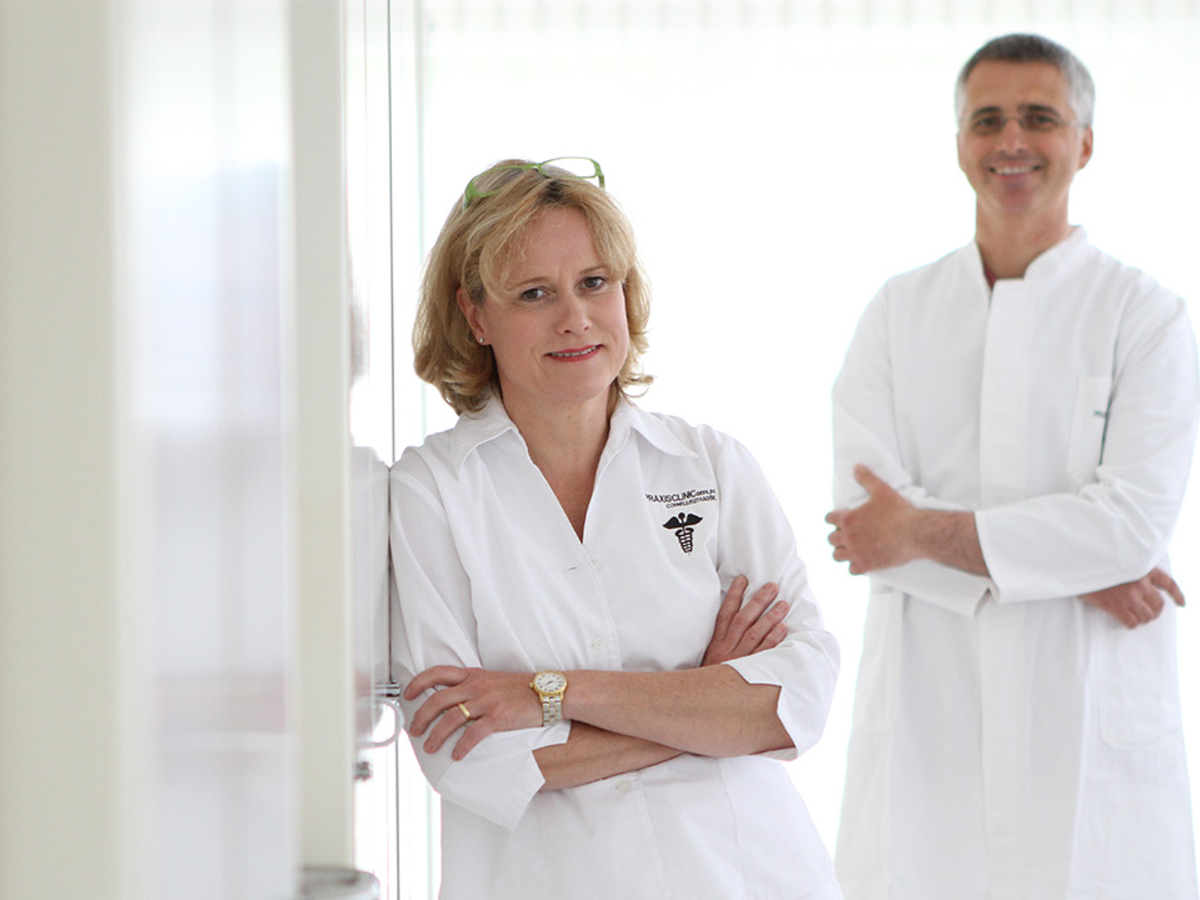
This is where Zahnarzt-Praxis Berlin Steglitz (Dr. Djamchidi & A. Jannack) stands out. Their Dental Practice in Berlin Steglitz unites the medical expertise of a double-qualified physician and dentist with a strong focus on tooth preservation, aesthetics, and patient-centered care. For expats and locals alike, it offers something rare: a medically grounded, technically advanced, and genuinely empathetic environment—where communication in English is welcomed and complex treatments are explained in clear, calm language.
Many people arrive at a new dentist carrying an invisible backpack: past negative experiences, fear of pain, confusion about costs, and memories of rushed explanations. In Germany, this can be intensified for expats by language barriers and unfamiliar structures—public versus private insurance, different billing codes, and a strong focus on preventive care that may not exist in the same way in their home countries.
Typical concerns expats in Berlin mention include not knowing how to describe symptoms in German, worrying about agreeing to a treatment they do not fully understand, or feeling guilty about postponing a dentist visit because of bad experiences in the past. Some fear being judged for crooked teeth, old fillings, or missing check-ups. Others are scared of more complex topics—like Implantology or Root Canal Treatment—because they have heard horror stories from friends or the internet.
Zahnarzt-Praxis Berlin Steglitz responds to these challenges with an approach that combines medical depth, clear communication, and a warm, respectful atmosphere. The practice is committed to explaining your situation step by step, including your options and their pros and cons, whether you are coming for simple Prophylaxis, an aesthetic improvement, or a multi-step Oral Surgery plan involving dental implants.
At the center of this unique concept is Dr. Djamchidi: a practitioner with "double Approbation"—meaning he is both a fully licensed physician and ENT specialist, and a fully licensed dentist. This dual qualification is particularly relevant for Implantology and Oral Surgery, where the border between dental structures and the rest of the head and neck region is very close.
When placing dental implants, especially in the upper jaw near the Maxillary Sinus Floor, the anatomy becomes more complex. The roots of the upper molars often lie close to the sinus cavity, and in some patients, there is only a thin layer of bone separating tooth roots and sinus membrane. In such cases, many implant concepts involve a sinus lift or bone augmentation to create enough stable bone for long-term success.
This is where the advantage of having a specialist with an ENT background becomes obvious. As a physician and ENT doctor, Dr. Djamchidi understands the sinus, nasal passages, and adjacent anatomical structures not only from a dental perspective, but also from the standpoint of general medicine and craniofacial anatomy. He is trained to evaluate the health of the sinus, interpret radiological findings in this region, and anticipate how surgical interventions might influence breathing, sinus drainage, and long-term comfort.
In practical terms, this means that if you need an implant in the posterior upper jaw, your consultation will go beyond the usual dental x-ray. The evaluation can include a detailed discussion of your sinus health, history of sinusitis, allergies, or nasal breathing problems. During surgery, careful handling of the delicate Schneiderian membrane (the thin lining of the sinus) is crucial. A practitioner who understands both dental and ENT aspects can minimize the risk of complications such as chronic sinus issues, oro-antral communications, or persistent discomfort.
Furthermore, the physician’s view extends beyond the local region of the jaw. For patients with systemic conditions—such as cardiovascular disease, diabetes, autoimmune disorders, or those taking blood thinners—Implantology and Oral Surgery need to be planned with special care. A medical doctor is trained to consider the overall health status, potential interactions with medications, and the best perioperative management to reduce risk. This is especially reassuring for patients who may worry about how their general health affects dental procedures.
Biocompatibility is another key concern in modern dentistry. The integration of implants and other materials into the body must respect the individual patient’s immune system, allergies, and long-term tolerance. Thanks to his dual training, Dr. Djamchidi can interpret laboratory findings, discuss possible material sensitivities, and coordinate with other physicians if necessary, to ensure that the chosen solution aligns with your overall health.
For many patients, hearing that their dentist also has an ENT and medical background significantly builds trust. When you sit in the chair to discuss a sinus lift, bone graft, or extraction with subsequent immediate implant placement, you can feel reassured that the person guiding you understands the surrounding structures in great depth. This "double view"—from medicine and dentistry—improves diagnostics, surgical planning, complication management, and, ultimately, peace of mind.
However, the philosophy of Zahnarzt-Praxis Berlin Steglitz is not limited to replacing teeth with implants. It follows a central principle that is deeply rooted in modern conservative dentistry and Endodontics: saving your natural tooth whenever possible. This is where Annette Jannack plays a central role in the practice concept.
As an experienced dentist with a strong focus on Endodontics, microscopic dentistry, and aesthetics, she represents the idea of "Zahnerhalt vor Zahnersatz"—tooth preservation before replacement. While dental implants can be an excellent solution when teeth are missing, nothing fully replaces the biological and functional complexity of a natural tooth. Preserving your own teeth, if feasible, is often better for chewing, jaw balance, and long-term oral health.
Endodontics, often simply called Root Canal Treatment, is the discipline dedicated to treating the inside of the tooth—its pulp and root canal system. When deep decay, cracks, or trauma allow bacteria to reach the pulp, the tooth can become inflamed or infected. Symptoms range from sensitivity to heat and cold to spontaneous throbbing pain or swelling. In the past, such teeth were frequently extracted. Today, with advanced endodontic methods, many of them can be saved.
In Zahnarzt-Praxis Berlin Steglitz, Root Canal Treatment is not a rushed, last-resort procedure, but a carefully planned and precise therapy. Using modern tools and concepts, the goal is to clean, disinfect, shape, and seal the root canal system as thoroughly as possible. Microscopic dentistry plays a crucial role here. Under magnification, fine anatomical details—such as extra canals, tiny fractures, or calcified structures—become visible, which would otherwise be missed with the naked eye.
The procedure typically follows several steps. First, detailed diagnostics are carried out: clinical examination, sensitivity tests, and radiographs to assess root length, curvature, and any signs of infection around the root tip. Once the indication for Endodontics is clear, local anesthesia ensures that you remain comfortable throughout the session. A rubber dam is often placed to isolate the tooth, keeping the treatment area dry and minimizing bacterial contamination from saliva.
Then, access is created into the tooth’s interior, and the root canals are located and gently widened using specialized files. Modern Endodontics frequently employs rotary instruments and irrigation protocols designed to remove infected tissue, bacteria, and debris. Chemical disinfectants are activated inside the root canals to reach even hidden niches. The goal is to transform a previously infected space into a clean, biologically quiet environment.
Once the canals are thoroughly cleaned and dried, they are filled with a biocompatible material (commonly gutta-percha) in combination with sealer cements to ensure a tight, three-dimensional seal. This prevents bacteria from re-entering and creates a stable basis for future restoration—often a crown that protects the tooth from fracture. Throughout this process, Annette Jannack’s focus is not only on technical precision, but also on explaining to you what is happening and why each step is important.
Her aesthetic expertise complements Endodontics naturally. A tooth that has been saved from extraction must also be restored in a way that looks and feels natural. Whether it is a front tooth where color, translucency, and shape must harmonize with your smile, or a molar where stability and chewing comfort are crucial, the restorative plan is tailored to your needs. By combining tooth preservation with aesthetic principles, the practice ensures that functional solutions are also beautiful and durable.
Many patients who undergo complex dental treatments carry a parallel burden: Dental Anxiety. For some, it is a mild unease that appears the night before an appointment; for others, it is an intense fear that has kept them away from any dentist for years. Past painful experiences, feelings of loss of control, or the sound and smell of the dental environment can all trigger strong reactions.
Zahnarzt-Praxis Berlin Steglitz explicitly addresses these emotional aspects. From the first contact, the team invites patients to speak openly about their fears. Rather than seeing anxiety as an obstacle, they regard it as an important piece of medical information that shapes how your treatment is organized. Longer consultation appointments, gentle communication, and a step-by-step explanation of planned procedures can significantly reduce fear.
For those with pronounced anxiety, sometimes called "dental phobia", additional support is available. Sedation options, ranging from mild pharmacological support to more pronounced twilight sleep, can be considered in suitable cases. Twilight Sleep refers to a state between full consciousness and general anesthesia, where you remain responsive but relaxed and typically remember little of the procedure afterwards. It can be particularly useful for longer sessions such as multiple extractions, Implantology, or extensive Endodontics.
The practice also respects patients who are interested in complementary approaches such as homeopathy or other gentle methods to support relaxation and recovery. While these cannot replace evidence-based dental treatment, they can be integrated into the overall concept of care if they fit the patient’s beliefs and wishes. The core idea remains constant: minimally invasive, patient-centered dentistry that protects your health and respects your boundaries.
Another crucial aspect for international patients is communication. Zahnarzt-Praxis Berlin Steglitz welcomes English-speaking patients and offers consultations in English where needed. Complex terms such as Maxillary Sinus Floor, biocompatibility, or microscopic dentistry are translated into understandable language so that you can make informed decisions without guessing or feeling intimidated. This is especially important if you seek a Second Opinion on planned Oral Surgery or Implantology proposed elsewhere. Being able to discuss risks, alternatives, and expected outcomes in a language you fully understand can be deeply reassuring.
The practice is located in Berlin-Steglitz, an area known for its mix of everyday city life and classic charm. Just a short distance from the bustling Schloßstraße, with its shops, cafes, and transport connections, the Dental Practice is easy to reach from many parts of Berlin’s southwest, including Zehlendorf and neighboring districts. For those coming by car, parking options in the surrounding streets add to the convenience.
The building itself is a typical Berlin "Altbau"—a historic structure with high ceilings, old-world details, and a sense of character that many residents cherish as part of the authentic Berlin experience. However, this architectural charm comes with a practical consequence: there is no elevator. Access to the practice requires climbing stairs. It is important to be upfront about this: the practice is not barrier-free, and patients with significant mobility limitations or wheelchair users may find access difficult or impossible without assistance.
For many patients, though, the Altbau atmosphere creates a more personal, less clinical environment. The contrast between the historic building and the modern dental technology inside underlines a central message of the practice: respect for tradition combined with up-to-date medical science. If you are unsure whether the stairs could be a problem for you, it is wise to call in advance and discuss your situation with the team. They can help you evaluate whether a visit is feasible and comfortable.
To better imagine what it feels like to visit Zahnarzt-Praxis Berlin Steglitz for the first time, consider the following hypothetical patient journey—based on common processes in the practice but always adapted to individual needs.
Your first contact might be an email or phone call in English, expressing that you are new to Berlin and concerned about a sensitive molar or a missing tooth. The reception team listens calmly, offers an appointment, and explains what documents to bring—such as your insurance card, any previous x-rays, and medication lists. If you mention Dental Anxiety, they note it so that the dental team can be especially attentive.
On the day of your visit, you arrive at the classic Altbau entrance and make your way up the stairs. Inside the practice, the atmosphere aims to be calm and welcoming rather than overly clinical. After a short registration process, you receive an anamnesis form—often available in English—to document your medical history, medications, allergies, past surgeries, and previous dental experiences. Because the practice integrates a physician’s understanding with dental care, they pay close attention to systemic conditions that might influence your treatment.
In the consultation room, you meet either Dr. Djamchidi or Annette Jannack, depending on your main concern. The first phase is always a conversation: What brings you here? Are you in acute pain? What are your expectations? Do you have specific fears or previous experiences that should be considered? You are encouraged to describe your symptoms in your own words, and the dentist helps translate them into medical terms.
A thorough clinical examination follows. This includes checking teeth, gums, bite, and, if indicated, the temporomandibular joints. For Implantology or suspected root problems, radiographs or three-dimensional imaging may be recommended to obtain a clear view of bone structures, sinus position, or hidden infections. Here, the advantage of the physician-ENT-dentist combination becomes clear again: sinus proximity, nerve pathways, and individual anatomical variations are carefully evaluated.
Once the diagnostics are complete, the dentist presents you with a structured explanation of their findings. If you need a Root Canal Treatment, they will show the relevant tooth on the x-ray, explain where the infection is, and describe how Endodontics can preserve the tooth. If you are missing a tooth and considering an implant, they will outline the current bone situation, whether the Maxillary Sinus Floor is close, and what additional steps—such as bone augmentation or sinus lift—might be necessary for a stable result.
You are invited to ask questions at every stage. Costs, timelines, and alternative options (for example, bridges or removable solutions instead of implants) are discussed transparently. If you feel overwhelmed, you can take time to think and even request a written treatment plan. For those who already have a proposal from another clinic, the practice can function as a Second Opinion center, helping you understand whether the recommended therapy fits international standards and your personal situation.
When treatment begins, comfort and minimal invasiveness are prioritized. For routine Prophylaxis—professional dental cleaning—gentle techniques are used to remove plaque and tartar while keeping sensitivity low. Preventive care is seen as a foundation that can often avert the need for more invasive interventions in the future. For more complex procedures, such as Endodontics or Oral Surgery, local anesthesia is carefully administered, and the dentist checks repeatedly that you remain pain-free.
If sedation or twilight sleep is part of the plan, medical monitoring follows clear protocols to optimize safety. Again, the medical education of the team leader is relevant; understanding cardiovascular stability, airway management, and potential drug interactions is central to safe sedation. Throughout the session, the team provides regular updates on progress, and if you have signaled a history of Dental Anxiety, it is taken seriously—pauses, additional anesthesia, or more detailed explanations can be offered as needed.
After treatment, you receive clear post-operative instructions. These might include guidance on eating, oral hygiene, pain management, and warning signs that should prompt you to call the practice. For Implantology, follow-up appointments are scheduled to monitor healing, integration, and, eventually, the placement of the final crown. For Root Canal Treatment, a final restoration plan—such as a crown to prevent fracture—is discussed so that the preserved tooth can remain functional for many years.
Over time, many patients transition from being occasional emergency visitors to regular guests for Prophylaxis and check-ups. This shift is important: routine inspections allow early detection of problems and support a long-term tooth preservation strategy. The practice’s philosophy is to accompany you through different life phases—stressful work periods, pregnancies, aging—and adapt your dental care accordingly.
For expats who may only stay in Berlin for a few years, continuity and documentation are also important. Zahnarzt-Praxis Berlin Steglitz can provide written reports, x-rays, and treatment summaries in a format that can be shared with future dentists in other countries. This ensures that the knowledge gained about your oral health during your time in Berlin lives on, supporting your care wherever you move next.
When you bring all these elements together, a clear picture emerges. Zahnarzt-Praxis Berlin Steglitz is more than just another Zahnarzt on a Berlin street. It is a Dental Practice built around the synergy of high-level medical and dental training, a strong commitment to tooth preservation and aesthetics, and a sincere understanding of how vulnerable a dental visit can feel—especially in a foreign country.
For patients considering Implantology or complex Oral Surgery, the presence of a double-qualified MD and dentist with ENT expertise provides a level of safety and anatomical insight that is genuinely uncommon. The careful evaluation of the Maxillary Sinus Floor, nasal structures, and systemic risk factors helps ensure that implants are not only functional and beautiful, but also compatible with long-term health.
For those facing Root Canal Treatment or worried about losing a tooth, the endodontic and aesthetic expertise of Annette Jannack offers a realistic chance to keep natural teeth that might otherwise be extracted. Microscopic dentistry, modern materials, and a clear philosophy of "Zahnerhalt vor Zahnersatz" turn tooth preservation from a slogan into everyday clinical practice.
For anxious or trauma-affected patients, the practice’s emphasis on empathy, minimally invasive techniques, and supportive options like sedation or twilight sleep creates an environment where trust can grow. Open communication in English, transparent explanations, and the possibility of a Second Opinion help international patients feel respected and informed rather than rushed or overwhelmed.
Finally, the location in the heart of Berlin-Steglitz, close to Schloßstraße and the surrounding neighborhoods of Berlin’s southwest, makes the practice accessible to a wide population of locals and expats. The classic Altbau setting—with its stairs and lack of elevator—reflects an authentic Berlin architectural experience while requiring honest communication about accessibility. Within these walls, however, the standards are thoroughly modern: evidence-based dentistry, biocompatible materials where appropriate, and a constant focus on patient safety and comfort.
For Berliners by birth and Berliners by choice, Zahnarzt-Praxis Berlin Steglitz offers a rare combination: medical depth, dental excellence, and human warmth. If you are searching for a Dental Practice in Berlin Steglitz that understands the complexities of both your oral health and your international life situation, this may be the place where your search ends—and long-term, trusting care begins.
So schätzen die Börsenprofis Aktien ein!

Für. Immer. Kostenlos.