A Trusted Dental Practice in Berlin Steglitz for Expats and Locals
22.03.2026 - 07:01:05 | ad-hoc-news.de
Arriving in a new country is exciting, but it can also make everyday healthcare feel unexpectedly complicated. Many international residents in Berlin discover this the first time they need a dentist. Suddenly, you are comparing online reviews in a foreign language, trying to decode German insurance rules, and wondering whether your new dentist will really understand your concerns, your expectations, and your level of dental anxiety. In this context, finding a truly trustworthy dental practice in Berlin can feel like searching for a needle in a haystack.
For many expats and internationally minded Berliners, the search becomes even more challenging when they need more than just a quick filling or routine check-up. If you require implantology, oral surgery, or complex root canal treatment, the quality of your dentist and the depth of their medical training is crucial. You may ask yourself: Who is really qualified to operate close to my sinuses, nerves, and jaw joints? Who will take the time to explain options in clear English? And who can combine high-end medical knowledge with a human, empathetic approach?
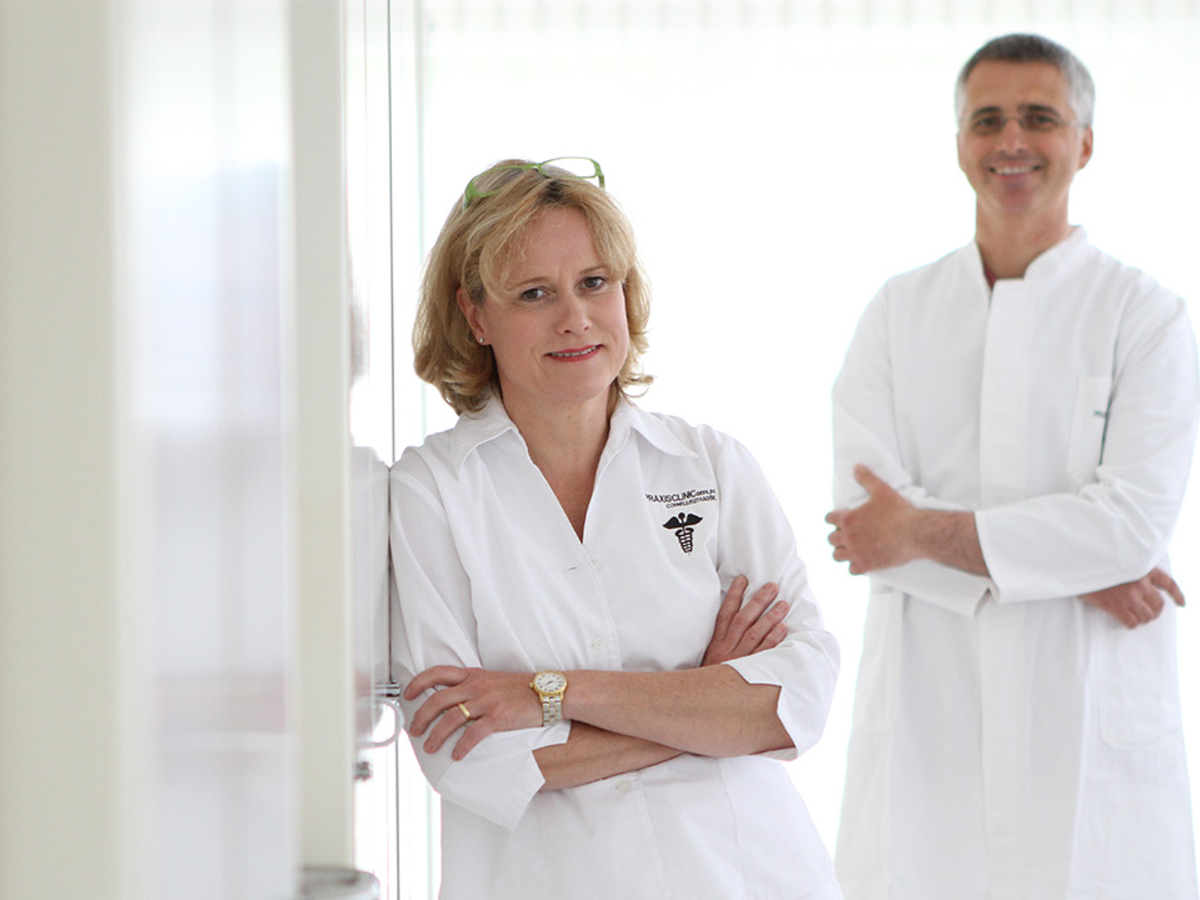
In the southwest of Berlin, in the district of Steglitz near the well-known Schloßstraße and not far from Zehlendorf, one dental practice stands out in a very special way: the Zahnarzt-Praxis Berlin Steglitz of Dr. Djamchidi & Annette Jannack. Here, classical Berlin architecture, modern dentistry, and an unusually broad medical perspective come together. The practice is located in a historic Altbau building with characteristic high ceilings and a staircase that mirrors the charm of traditional Berlin. At the same time, inside the practice you will find state-of-the-art equipment, a strong focus on prophylaxis and tooth preservation, and a team experienced in caring for patients from many different countries.
This is not just another dental practice. What makes this Dental Practice in Berlin Steglitz truly unique is the rare combination of qualifications that shape every treatment decision. Practice owner Dr. Djamchidi holds a so-called double approbation: he is both a licensed physician and ENT specialist, and a fully trained dentist. This dual perspective is exceptionally valuable in areas such as implantology and oral surgery, where the anatomical borders between teeth, jaw, sinuses, and airways are crucial for long-term safety.
Working alongside him, dentist Annette Jannack brings deep expertise in endodontics and microscopic root canal treatment. Her philosophy can be summed up in one core principle: saving the natural tooth whenever medically possible, before replacing it. In German, this concept is often described as "Zahnerhalt vor Zahnersatz". Together, they create a treatment environment where dental anxiety is taken seriously, medical details are explained clearly, and preservation and aesthetics go hand in hand.
For many expats, the first barrier to seeking care is not the toothache itself, but the fear of the unknown. How does the German system work? Will the Zahnarzt understand my previous medical history from another country? What about insurance forms and cost estimates? And perhaps most importantly: will my dentist listen to me and explain things in language I can truly grasp?
The team in this Steglitz practice is used to these questions. Over the years, they have welcomed patients from many different countries, including families from the UK, US, Canada, Spain, Italy, Eastern Europe, the Middle East, and Asia. As an English-speaking dentist, Dr. Djamchidi can discuss both straightforward and complex medical topics in English, from simple prophylaxis planning to detailed explanations of sinus lifts, bone augmentation, and implant placement. This is especially reassuring if you come from a healthcare system where shared decision-making and extensive discussion of options are expected.
Another common experience for newcomers to Berlin is dental anxiety. Perhaps you have had a difficult treatment in the past, or you simply dislike the unfamiliar sensations associated with dentistry. In Germany, the healthcare environment can sometimes feel brisk or overly direct. At Zahnarzt-Praxis Berlin Steglitz, the atmosphere is intentionally calmer and more personal. Appointments are structured to allow enough time for questions, and you are encouraged to talk openly about your fears, previous experiences, and expectations.
Beyond the emotional side, there is also the complex clinical side. International patients often arrive with previous treatments from different countries: existing implants, root canals, crowns, orthodontic work, and sometimes complicated histories of pain or sinus problems. Interpreting this puzzle requires more than just looking at teeth in isolation. It requires an integrated medical perspective that can understand how sinus infections, nasal breathing issues, jaw clenching, and dental restorations interact. Here, the double medical and dental qualification of Dr. Djamchidi proves especially valuable.
Within German dentistry, it is still relatively rare to find a practitioner who is both a physician and a dentist. This "double approbation" means that Dr. Djamchidi originally completed full medical training as a doctor, with specialist expertise in ENT (ear, nose, and throat), before also qualifying as a dentist. In day-to-day practice, this dual background brings clear advantages, particularly in implantology, oral surgery, and all treatments in the upper jaw near the maxillary sinus floor.
When placing dental implants in the posterior upper jaw, there is often only a thin layer of bone between the roots of the former teeth and the maxillary sinus. Over time, after tooth loss, this bone can shrink, making it necessary to perform a sinus lift or other bone augmentation. For patients, this can sound intimidating: surgery near the sinus, the risk of perforation, potential complications with breathing or chronic sinusitis. Yet, for an ENT surgeon, the anatomy and physiology of the sinuses are daily knowledge. For a dentist with ENT training, understanding the maxillary sinus floor, nasal cavity, and surrounding structures is not an abstract exercise, but part of a deeply internalized anatomical map.
In practical terms, this means that when planning implantology in the upper jaw, Dr. Djamchidi does not see only the bone and tooth positions. He sees the entire region as an interconnected system including sinus lining, nasal passages, and adjacent structures. This allows him to evaluate whether a sinus lift is truly necessary, what kind of bone augmentation is most appropriate, how to minimize the risk of sinus membrane perforation, and how to protect delicate structures in the long term. It also allows him to recognize when symptoms such as pressure in the cheek, headaches, or recurring infections might have both dental and ENT-related causes.
An additional advantage of this dual training is the ability to evaluate general health factors more comprehensively. As a physician, he is accustomed to reviewing medication lists, cardiovascular risks, and systemic conditions such as diabetes, osteoporosis, or autoimmune diseases that can influence healing after implant placement or oral surgery. This is essential when planning sedation, twilight sleep, or more invasive interventions. Questions about anticoagulants, immune suppression, and the interplay between general health and oral surgery are handled with the same depth as they would be in a medical clinic.
For patients, this translates into a feeling of safety: you are not just having a screw placed in the bone, but undergoing a carefully planned medical procedure that considers your entire body. The concept of biocompatibility is central here as well. The materials used for implants, bone substitutes, and restorations are selected not only for their mechanical strength or aesthetics, but also for their interaction with your immune system and surrounding tissues. If you have concerns about allergies, sensitivities, or previous reactions to dental materials, these can be discussed in detail and, where appropriate, tested or taken into account in the treatment plan.
Planning and performing minimally invasive oral surgery is another focal point of the practice. Minimally invasive in this context does not mean "small operation" but rather a philosophy of doing only as much as necessary with as little trauma as possible. Careful digital planning, precise incision techniques, and gentle tissue handling reduce swelling and discomfort, and help you return to your everyday life more quickly. For expats who may have to fly frequently or manage a demanding work schedule in Berlin, a fast and predictable recovery is particularly important.
Alongside the surgical and implantological focus, the practice places great emphasis on tooth preservation, and this is where dentist Annette Jannack plays a central role. Endodontics, the field dealing with root canal treatment, is often misunderstood. Many people imagine a painful, last-resort procedure. In reality, modern endodontics is a highly precise discipline that can often save teeth that would previously have been extracted.
The basic idea is simple: when the nerve of a tooth becomes irreversibly inflamed or infected, for example due to deep decay, trauma, or cracks, the inside of the tooth must be cleaned, disinfected, and sealed in a way that prevents bacteria from returning. However, doing this well is anything but simple. The internal root canal system is often curved, branched, and extremely fine. Without magnification and modern instruments, it is easy to miss side canals or residual infected tissue. This can lead to persistent pain, swelling, or failure of the treatment in the long run.
In Berlin Steglitz, Annette Jannack uses microscopic dentistry to address exactly this challenge. The dental microscope allows a level of visual detail that is impossible with the naked eye or even simple loupes. Under high magnification, she can locate hidden canals, identify cracks, and work with very fine instruments to clean and shape the root canal system thoroughly. By combining these tools with advanced disinfecting solutions, rotary file systems, and biocompatible sealing materials, the chances of long-term success increase significantly.
The philosophy "Zahnerhalt vor Zahnersatz" is not only a slogan here, but a guiding principle that influences treatment planning every day. Instead of immediately recommending extraction and implants when a tooth is difficult, the team first asks: Can this tooth be preserved with a thoughtful endodontic strategy? Can retreatment or microsurgical endodontics help when a previous root canal from another dentist has failed? Only when preservation is medically unreasonable or carries a poor prognosis is replacement considered the better option.
For patients, especially those who have invested in previous dental care in their home country, this approach is emotionally and economically important. Saving a tooth that supports a bridge or an existing crown can prevent complex and costly reconstruction. It also supports natural chewing function and helps maintain the original bone structure of the jaw. When replacement is necessary, the presence of an experienced endodontist and an implantologist in the same practice allows a smooth transition from preservation to high-quality prosthetic solutions, whether this means implants, crowns, or aesthetic partial restorations.
Often, tooth preservation and aesthetics go hand in hand. After successful root canal treatment, the structure of the tooth must be stabilized with carefully planned fillings, inlays, onlays, or crowns, depending on the amount of remaining tooth substance. In aesthetic areas, such as the front teeth, it is crucial that restorations blend seamlessly with the surrounding teeth in color and shape. In the Steglitz practice, this aesthetic planning is taken very seriously. The aim is that, after treatment, you can smile, laugh, and speak without anyone noticing that a tooth has undergone complex internal therapy.
Many people carry some degree of dental anxiety. For expats, this may be combined with the stress of communicating in a second language and not fully understanding local treatment standards. This practice in Berlin Steglitz has deliberately created an atmosphere that addresses anxiety instead of ignoring it. From the initial phone call or email, you are invited to share your concerns. The team is accustomed to patients who have avoided the dentist for years, who feel ashamed about the condition of their teeth, or who have had traumatic experiences elsewhere.
Instead of judgment, you encounter empathy and structure. Before any procedure, the dentist explains what will happen, how long it will take, and what you are likely to feel. If you wish, small breaks can be built into the treatment, and clear hand signals are agreed so that you can communicate even when you cannot speak. This simple step alone often reduces anxiety significantly.
For patients with particularly strong fears or for those undergoing more extensive procedures such as implant placement, sinus lift, or complex oral surgery, the practice offers additional options. These include gentle sedation or so-called twilight sleep, in which you remain responsive but deeply relaxed and have little memory of the procedure afterward. Thanks to his medical training, Dr. Djamchidi is able to evaluate your health status carefully before such sedation, considering aspects such as heart function, blood pressure, and medication. This enhances safety and ensures that the type and depth of sedation is appropriate for your individual risk profile.
Patients who prefer a more natural support for anxiety may discuss complementary options such as homeopathic support or calming rituals surrounding the treatment. While such measures are not a substitute for solid anesthesia or sedation when needed, they can contribute to an overall sense of well-being. Ultimately, the goal is to create a pattern of positive experiences that gradually reduces your long-term fear of the dentist, turning necessary visits into manageable, even reassuring, routines.
Another potential stress factor for new patients in Berlin is simply getting to the practice and figuring out the surroundings. Zahnarzt-Praxis Berlin Steglitz is situated in a classic Altbau building typical for this part of Berlin. The high ceilings, large windows, and traditional staircase are part of the authentic local architecture that many people fall in love with when they move to the city. At the same time, it is important to be transparent: this building does not have a lift, and the practice is only accessible via stairs. For patients who rely on wheelchair access or who have significant mobility limitations, this is a real limitation and the team will openly discuss whether another barrier-free practice may be more suitable.
For most patients, however, the staircase is experienced as part of the classic Berlin feeling: walking up through a well-preserved historic building in Steglitz, with its unique charm and calm residential atmosphere, before entering a modern, bright treatment space. The practice is conveniently located in the Berlin southwest, with good public transport connections along the Schloßstraße axis and towards Zehlendorf. The area offers various parking options, making it easier for those arriving by car, whether from central Berlin, the surrounding districts, or even the nearby Brandenburg region.
Inside the practice, the layout is designed to be clear and welcoming. Waiting times are kept as short as possible, and appointments are planned to avoid unnecessary crowding in the waiting area. This is especially appreciated by patients who are sensitive to noise or who simply prefer a quieter environment than a large clinic can provide. The medium-sized structure of the practice allows a balance: large enough to offer advanced services such as implantology, oral surgery, and microscopic endodontics, but personal enough that you are not just a number in a queue.
For many new patients, especially those arriving from abroad, knowing what to expect during the first visit can be deeply reassuring. Imagine booking your initial appointment at Zahnarzt-Praxis Berlin Steglitz. Perhaps you have been postponing this for weeks, worried about communication barriers or potential bad news about your teeth. You finally send an online request or make a call. Already at this stage, you can communicate in English if you wish, and you will receive clear information about which documents to bring and how the process works.
On the day of your appointment, you enter the Altbau, walk up the staircase, and are welcomed at reception. The first step is a detailed anamnesis: you fill out a health questionnaire and discuss your medical history, including any chronic conditions, medications, allergies, and prior dental or ENT issues. If you come from another country with previous X-rays or treatment reports, these can be reviewed and, where helpful, integrated into your new file.
Depending on your main concern, you may first meet either with Dr. Djamchidi or with Annette Jannack. If you have pain, suspected root canal problems, or questions about tooth preservation, you will likely start with Ms. Jannack. If you are interested in implants, have sinus-related complaints, or require a second opinion on oral surgery, you will usually consult with Dr. Djamchidi first. In either case, the initial examination involves a careful clinical inspection of your teeth, gums, and bite, often combined with modern digital X-rays. If necessary, additional imaging of the maxillary sinus floor or jaw joints can be arranged to refine the diagnosis.
During this consultation, you are encouraged to talk about your expectations and wishes. Do you primarily want to eliminate pain? Are you focused on long-term prophylaxis and tooth preservation? Is aesthetics in the front region your top priority? Or are you perhaps seeking a neutral second opinion after being offered extensive treatment elsewhere? The team is experienced in structuring these conversations and in presenting you with transparent options, including the possibility of doing nothing in some cases, and explaining the risks and benefits of each path.
Once a preliminary diagnosis is made, a step-by-step treatment plan is developed. For example, if you have a heavily damaged molar with deep decay but a realistic chance of rescue, the plan might include microscopic root canal treatment with subsequent crown reconstruction. If you are missing several teeth and your bone has already resorbed, the plan might combine bone augmentation in the posterior upper jaw, a sinus lift under ENT-informed supervision, and the placement of a certain number of implants, followed by fixed or removable restorations. Prophylaxis and regular tooth cleaning are integrated into this plan from the outset, because long-term implant success and tooth preservation depend heavily on good everyday hygiene and professional maintenance.
For expats uncertain about German cost structures, this is also the moment where financial transparency is key. You receive a written cost estimate that you can submit to your insurance, whether you are on German statutory health insurance with private supplementary cover, fully privately insured in Germany, or holding international health insurance from your home country. The team can help you understand which components are typically covered and which are likely to be out-of-pocket investments in your dental health.
On the treatment day itself, all the previously discussed anxiety management strategies come into play. Local anesthesia is administered carefully, with time allowed for it to take full effect. For more extensive procedures, sedation options are applied as planned. Throughout the treatment, communication remains open; you are not simply lying passively in the chair, but involved as a partner in your care. After the procedure, you receive clear aftercare instructions in German or English, and in complex cases, a follow-up call or check-up is scheduled to ensure proper healing.
Over time, as you return for regular prophylaxis, you begin to experience the practice not merely as a place where problems are "fixed," but as a long-term partner in maintaining your oral health. Professional tooth cleaning sessions become opportunities to fine-tune your brushing technique, discuss lifestyle factors such as nutrition and stress, and catch potential issues early. This systematic focus on prophylaxis is one of the most cost-effective and health-preserving strategies available in dentistry, and it is an integral part of the philosophy at Zahnarzt-Praxis Berlin Steglitz.
When comparing dental providers in a big city like Berlin, international residents often look for a combination of high medical standards, understandable communication, and a certain personal warmth. In Steglitz, near Schloßstraße and within easy reach of Zehlendorf and other parts of Berlin southwest, this particular dental practice brings together several rare strengths. The double approbation of Dr. Djamchidi provides a medically grounded approach to implantology and oral surgery, especially in complex regions such as the upper jaw and maxillary sinus floor. His ENT background means that sinus lifts, bone augmentation, and surgical interventions are planned and executed with an unusually broad anatomical and physiological awareness.
Complementing this, the endodontic expertise of Annette Jannack ensures that tooth preservation is taken as far as modern microscopic dentistry reasonably allows. The principle of "Zahnerhalt vor Zahnersatz" is implemented not just in words but in daily practice, offering many teeth a second chance that might otherwise have been lost. For patients, this often means maintaining more of their own dentition, enjoying better function, and preserving a more natural aesthetics for longer.
The practice also stands out for its empathy towards patients with dental anxiety, its willingness to explain options in clear English, and its respectful handling of cultural differences in expectations about medical care. Sedation and twilight sleep are available for those who need deeper relaxation, while the fundamental attitude is one of listening and partnership. The historic Altbau location, while not barrier-free, offers a characteristic Berlin atmosphere, combined with the conveniences of a central but calm Steglitz neighborhood and accessible parking.
Ultimately, what many expats and locals alike are seeking is not just a competent Zahnarzt, but a long-term ally in their health. In Zahnarzt-Praxis Berlin Steglitz, patients find a team that looks beyond individual teeth to the entire person: their general health, their fears, their aesthetic wishes, and their personal life circumstances. For international families settling in Berlin, for professionals working in the capital who need reliable, high-level implantology and oral surgery, and for anyone valuing meticulous tooth preservation and prophylaxis, this Dental Practice in Berlin Steglitz offers a compelling combination of medical depth and human care.
Whether you are coming in for a routine check-up, seeking a second opinion on a complex treatment plan, or finally ready to address long-standing dental issues, this practice invites you to experience dentistry that is both technically advanced and personally attentive. In a city as diverse and dynamic as Berlin, having such a trustworthy healthcare partner can make everyday life feel a little more secure, a little more familiar, and much more comfortable whenever dental care is needed.
So schätzen die Börsenprofis Aktien ein!

Für. Immer. Kostenlos.