A Trusted Dental Practice in Berlin Steglitz for Expats and Locals
18.03.2026 - 07:01:04 | ad-hoc-news.de
Moving to a new country can make even everyday tasks feel complicated. Finding a dentist you truly trust is one of those tasks that many expats in Berlin put off for far too long. Different medical systems, unfamiliar insurance rules, and the fear that no one will speak your language can all stand between you and the regular dental care you know you should have. If you also carry some level of dental anxiety, the hurdle becomes even higher. Choosing a dental practice is no longer just about fillings and cleanings; it is about feeling safe, understood, and medically well looked after.
In Berlin, this challenge is amplified by the city’s size and diversity. You may search for a dental practice, or even use the German term "Zahnarzt-Praxis", and end up with dozens of options. But how do you know which one combines high-end medical expertise with the ability to communicate clearly in English, and to guide you through the German healthcare landscape without stress?
In the southwest of the city, in the district of Berlin Steglitz near Schloßstraße and within easy reach of Zehlendorf, Zahnarzt-Praxis Berlin Steglitz (Dr. Djamchidi & A. Jannack) has positioned itself as a point of calm and competence for both locals and international residents. This dental practice in Berlin Steglitz is more than a place for quick treatments. It is a medically oriented clinic where dentistry, oral surgery, implantology, and tooth preservation are combined with a deep understanding of the whole person behind the teeth.
For many patients who arrive from abroad, one of the most reassuring aspects is that the team is experienced with English-speaking patients and is used to explaining complex medical topics clearly. Add to this a strong focus on minimally invasive procedures, tooth preservation, and anxiety-aware communication, and you begin to see why this practice is appreciated by families, professionals, and older patients alike.
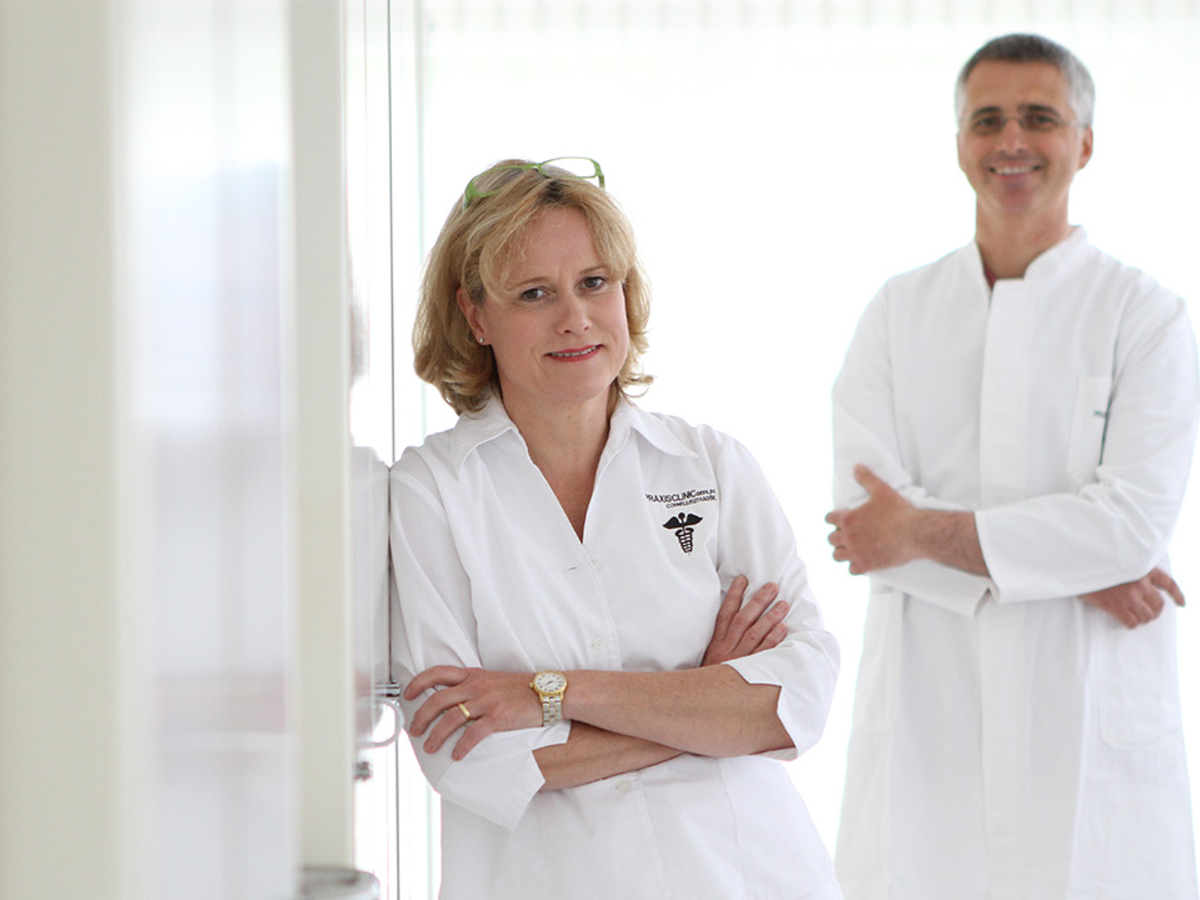
At the heart of Zahnarzt-Praxis Berlin Steglitz are two practitioners with complementary strengths: Dr. Djamchidi and dentist Annette Jannack. What makes this combination so unique, and medically significant, is the rare "double approbation" of Dr. Djamchidi. He is both a fully trained physician and ENT specialist (ear, nose, throat) as well as a qualified dentist. This means that when he looks at your mouth, jaw, or planned dental implants, he is not only thinking like a dentist; he is simultaneously thinking like a medical doctor with an in-depth understanding of head and neck anatomy, systemic health, and surgical risk management.
To understand why this double degree matters for implantology and oral surgery, it helps to look at what is actually involved when a dental implant is placed. An implant is not just a screw placed into bone. It is a medical device that must integrate with living tissue in a space filled with nerves, blood vessels, sinuses, and airways. In the upper jaw, for example, the roots of the molar teeth are located just beneath the maxillary sinus floor. When a tooth is lost and the bone resorbs over time, the remaining bone height under the sinus can become quite thin. For many patients, this means that a simple implant is no longer possible without a procedure called a sinus lift.
A sinus lift is a form of oral surgery in which the bone of the maxillary sinus floor is carefully elevated and augmented. While this is a standard procedure in modern implantology, it requires not only technical skill but also a fine understanding of sinus anatomy, ventilation pathways, and the health of the surrounding structures. This is where the ENT background of Dr. Djamchidi becomes a real safety benefit. As an ENT specialist, he is trained to treat conditions of the nose and paranasal sinuses, to interpret sinus-related imaging, and to understand how surgical interventions near the sinus may impact breathing, drainage, and long-term comfort.
For a layperson, the difference may not be visible on the surface, but from a medical point of view, having an operator who is simultaneously an ENT physician and a dentist means that key questions can be evaluated comprehensively: Is the sinus mucosa healthy and free of chronic inflammation before a sinus lift? Is the patient prone to sinusitis that could be worsened by surgery? How can the surgical access be planned to minimize trauma and preserve natural ventilation of the sinuses? How does the patient’s general health, medication profile, or past surgeries in the head and neck area influence the risk profile of implant placement or oral surgery?
Because a physician looks not only at the tooth or the jaw, but at the entire medical context, implantology at Zahnarzt-Praxis Berlin Steglitz is more than a technical procedure. It is an integrated medical treatment that respects the complexity of the body. This becomes particularly important in patients with systemic diseases such as diabetes, cardiovascular conditions, or autoimmune disorders, where wound healing, infection risk, and bone metabolism can be altered. The double approbation of Dr. Djamchidi enables nuanced preoperative assessment, tailored planning, and, if necessary, close collaboration with other medical specialists.
Beyond the sinus region, the ENT-dentistry combination is beneficial for interventions near nerve structures in the lower jaw, for oral surgery that may affect the tongue or floor of the mouth, and for problems where ear pain, jaw joint issues, and dental pain overlap. Many patients experience diffuse discomfort in the head and neck area and are not sure whether it is coming from teeth, sinuses, or joints. Being able to consult with someone who is both a dentist and an ENT specialist reduces the risk of misdiagnosis and ensures that the selected treatment path is truly addressing the real source of the problem.
From an expat perspective, having this level of expertise within one practice also simplifies the journey through the German healthcare system. Instead of being referred back and forth between different specialists in unfamiliar clinics, many issues can be evaluated and treated in one place, with one continuous medical story and clear explanations in understandable language. For patients who value detailed information before agreeing to surgery, this is reassuring. They can receive a thorough second opinion, ask questions about biocompatibility of materials, and understand the step-by-step plan for their implantology or oral surgery procedure.
While implantology and oral surgery form a major focus, Zahnarzt-Praxis Berlin Steglitz deliberately emphasizes tooth preservation as the first priority. This philosophy is embodied by dentist Annette Jannack, whose special expertise lies in endodontics and aesthetics. Endodontics, often associated primarily with root canal treatment, is in reality a sophisticated discipline that aims to save teeth that might otherwise be extracted.
Many patients hear the words "root canal" and feel a wave of anxiety. In some countries, root canal treatments are associated with pain, lengthy procedures, and uncertain long-term results. However, modern endodontics in a specialized setting is very different. With advanced instruments, imaging, and, ideally, microscopic dentistry, it is possible to clean, disinfect, and seal the inner space of a tooth with remarkable precision.
The basic idea is simple: when the pulp (the soft tissue inside a tooth that contains nerves and blood vessels) is irreversibly inflamed or infected, the only way to keep the tooth is to remove this tissue, disinfect the canals that once contained it, and seal them in a way that prevents bacteria from re-entering. In practice, however, teeth are not simple tubes. They have fine side canals, curves, and anatomical variations. This is where specialized endodontic training and technology make a real difference. By using magnification, gentle rotary instruments, and biocompatible filling materials, a well-planned root canal treatment can transform a painful, compromised tooth into a stable, functional part of your bite for many years to come.
The guiding principle here is "saving the tooth before replacing it" – in German, "Zahnerhalt vor Zahnersatz". An implant, crown, or bridge can be an excellent solution, but a natural tooth that has been well preserved still offers unmatched sensory feedback and biological integration. It is connected to the surrounding bone by natural ligaments that cushion chewing forces and help the body sense pressure and position. Whenever medically reasonable, this dental practice prefers to invest the necessary time and expertise into tooth preservation rather than rushing towards extraction and replacement.
In the hands of someone like Annette Jannack, endodontics becomes an integral part of a wider concept of tooth preservation. It is closely connected with prophylaxis (professional cleaning and preventive care), minimally invasive fillings, and, when needed, aesthetic reconstruction with high-quality materials. For expats used to different standards of care, it can be reassuring to hear a dentist explain clearly why a tooth can still be saved, what the prognosis is, and which steps will be taken to keep as much natural structure as possible.
The aesthetic aspect is not neglected. Modern dentistry recognizes that function and aesthetics go hand in hand. A restored tooth should not only be healthy; it should look and feel natural in your smile. With careful shade selection, minimally invasive preparation, and an eye for proportion, aesthetic treatments at Zahnarzt-Praxis Berlin Steglitz aim to blend seamlessly into each patient’s individual appearance. This is particularly appreciated by professionals and creatives in Berlin who want their smile to express confidence without appearing artificial.
For many patients, the single biggest barrier to making an appointment is not time or money; it is fear. Dental anxiety is common in all cultures and age groups, and can be especially intense when you are faced with unfamiliar surroundings and a foreign language. The team at this dental practice in Berlin Steglitz is well aware of these concerns and has built its approach around creating an anxiety-reducing environment.
That begins with communication. Being able to speak in English with the dentist or assistant, to describe your fears, and to ask for breaks during treatment already reduces stress levels. The practice philosophy is to take dental anxiety seriously, not to dismiss it. Patients are encouraged to share previous negative experiences so that the team can avoid triggers and adapt the procedure accordingly. For some, this may mean a slower pace; for others, a more detailed explanation of each step or distraction strategies during treatment.
When psychological support is not enough to make treatment bearable, the practice can offer further options. Depending on the type of procedure and the patient’s medical condition, sedation techniques can be considered. These range from mild relaxation support to so-called twilight sleep (conscious sedation), in which the patient remains responsive but has little to no memory of the actual procedure. For complex oral surgery or extensive implantology cases, this can transform a situation of high anxiety into a tolerable, even surprisingly calm experience.
The emphasis on minimally invasive techniques also plays a role in anxiety reduction. Smaller incisions, careful tissue handling, and precise planning reduce postoperative discomfort and swelling. Patients who have previously associated dentistry with days of pain are often positively surprised when modern methods lead to much gentler recoveries. In addition, the practice is open to complementary measures such as homeopathic support or gentle remedies when patients wish to integrate them into their care plan. While such options are not a substitute for scientifically based treatment, they can provide a sense of holistic support that many patients appreciate.
Another element of trust is the willingness to provide a thorough second opinion. If you have been advised elsewhere to undergo extraction, implants, or extensive prosthetic work, you can bring your records to Zahnarzt-Praxis Berlin Steglitz and receive an independent assessment. Especially for expats unfamiliar with German cost structures and insurance rules, this is an opportunity to ensure that proposed treatments are both medically necessary and aligned with your personal priorities.
The practice is located in Berlin Steglitz, in the southwestern part of the city. This area is well-known for its mix of residential streets, green spaces, and the bustling shopping axis around Schloßstraße. Many international residents live in nearby Zehlendorf, Lichterfelde, and Dahlem, making the practice an accessible choice for the Berlin Southwest region. For those arriving by car, the area offers parking possibilities in side streets and nearby facilities, and public transport connections by bus and U-Bahn bring you within a short walking distance.
The building itself is a classic Berlin Altbau, which means high ceilings, characterful architecture, and a sense of historic charm that many people associate with the city’s traditional residential areas. However, as is typical for older buildings in Berlin, this also means that the practice is not barrier-free. Access involves climbing stairs, and there is no elevator. The team is transparent about this limitation so that patients with significant mobility issues can plan accordingly or discuss alternative solutions.
For many visitors, the Altbau setting is part of the authentic Berlin experience: stepping through a historic doorway, walking up a stairwell with period details, and entering a modern, well-equipped medical space that respects the building’s heritage. Inside, the treatment rooms contrast with the exterior by offering up-to-date equipment, bright light, and a clean, calm atmosphere. The combination of classic architecture and modern medicine is a defining feature of many respected practices in Berlin, and Zahnarzt-Praxis Berlin Steglitz embraces this contrast openly.
To give a sense of what it is like to engage with this dental practice, imagine the journey of a new patient who has recently moved to Berlin. After searching online for a dental practice or "Zahnarzt" in Steglitz that speaks English and offers implantology and endodontics, they find the website and decide to schedule an appointment.
The process begins before you even enter the building. When you call or write an email, the staff responds in a friendly and organized manner, clarifying whether you are privately or statutorily insured, and which documents you might want to bring along. If you are unsure how your German health insurance works, the team can outline the basics and explain how prophylaxis, tooth preservation, or implantology are usually handled. This reduces bureaucratic fear and allows you to focus on your health rather than paperwork.
On the day of your first visit, you arrive a little early to find your way and navigate the stairs of the Altbau. At the reception, you are welcomed and given an anamnesis form. If German is difficult for you, the staff helps you understand key questions about your medical history, allergies, medications, and previous dental experiences. Because the practice operates with a physician’s mindset, this anamnesis is taken seriously; it is not just a formality. Details about systemic diseases, previous surgeries, or current medication (such as blood thinners or osteoporosis drugs) are factored into every treatment plan.
During the initial consultation, you sit down with either Dr. Djamchidi or Annette Jannack, depending on your needs. If you come with jaw pain, missing teeth, or interest in implantology, it is likely that you will first meet with Dr. Djamchidi. He listens to your concerns, asks clarifying questions, and examines not just the visible teeth but also the condition of the gums, bite, and surrounding oral structures. In many cases, modern digital X-rays or three-dimensional imaging are used to assess bone volume, sinus health, and root structures.
If your case involves potential implant placement in the upper jaw near the maxillary sinus floor, he will explain the anatomical situation in accessible terms. You will learn where the sinus sits relative to your tooth roots, why bone height matters, and what options exist if bone has been lost. The choice between immediate implant placement, staged procedures, or bone augmentation with a sinus lift will be discussed in detail, including the risks, benefits, and alternatives. The fact that your dentist is also an ENT specialist gives added depth to this explanation, as questions about sinus ventilation, past sinus infections, and potential impact on breathing can be addressed directly.
If your primary issue is a painful tooth that another clinic has suggested extracting, you might be referred to or directly see Annette Jannack. She will examine the tooth, possibly perform sensitivity tests, and review radiographs to determine whether root canal treatment (endodontics) can save it. You will be shown where the infection is, how far the decay has progressed, and what the prognosis is with modern endodontic techniques. If you agree to proceed, the treatment is scheduled with enough time to work carefully and thoroughly.
On the day of treatment, the focus on anxiety reduction becomes tangible. Local anesthesia is applied with attention to your comfort, and time is given for it to take full effect before any work begins. During a root canal procedure, for instance, the tooth is isolated to keep the area dry and prevent bacteria from saliva entering the canals. Using magnification, fine instruments, and disinfecting solutions, the inner space of the tooth is cleaned and shaped. The dentist checks that all canals have been found and treated, then fills them with a biocompatible material that seals them three-dimensionally. Finally, the tooth is restored, often with a high-quality filling or crown that re-establishes both function and aesthetics.
For surgical or implantology procedures, a similar structure applies. You arrive, are welcomed into a calm environment, and the planned steps are reviewed once more. Sedation or twilight sleep, if chosen and medically indicated, is administered under careful monitoring. The surgery is conducted with an emphasis on minimally invasive techniques. Afterward, you receive clear post-operative instructions, including how to manage discomfort, what foods to prefer in the first days, and which signs should prompt you to contact the practice immediately.
A crucial part of the patient journey is follow-up. Whether you have undergone root canal treatment, a sinus lift, or straightforward prophylaxis, the practice emphasizes regular control appointments. This is where prophylaxis plays a central role. Professional cleanings tailored to your individual risk profile help prevent new decay and gum disease, protecting both natural teeth and any implants you may have. Hygienists and dentists work together to explain which areas of your mouth need extra attention, which interdental brushes or flossing techniques suit you best, and how to adjust your routine if your situation changes.
Over time, a trusting relationship develops. You no longer feel like a stranger trying to navigate an unfamiliar system, but like a regular patient whose history is known and whose questions are always welcome. For many expats, this continuity is a key factor in their overall sense of wellbeing in Berlin.
Choosing a dental practice, particularly in a new country, is ultimately about trust. Zahnarzt-Praxis Berlin Steglitz (Dr. Djamchidi & A. Jannack) offers several layers of trust-building factors that are rare in this combination. Medically, the double approbation of Dr. Djamchidi as both physician/ENT specialist and dentist brings an advanced level of safety and integrative thinking to implantology and oral surgery, especially in complex cases involving the maxillary sinus, nerve pathways, or systemic health conditions.
At the same time, the strong focus on endodontics, microscopic tooth preservation, and aesthetics by Annette Jannack guarantees that extraction and prosthetic replacement are never the first reflex. Instead, every effort is made to maintain natural teeth for as long as reasonably possible. This approach reflects international best practice and the German concept "Zahnerhalt vor Zahnersatz", giving patients confidence that treatment recommendations are medically and ethically sound.
On an emotional level, the practice recognizes the reality of dental anxiety and addresses it with empathetic communication, phased planning, and, where appropriate, sedation options including twilight sleep. English-speaking support and clear explanations of the German healthcare framework reduce the feeling of bureaucratic overwhelm, especially for expats who may have delayed treatment because they were unsure where to start.
Geographically, the location in Berlin Steglitz, near Schloßstraße and within easy reach of Zehlendorf and the broader Berlin Southwest, makes the practice convenient for a wide catchment area. The classic Altbau building, while involving stairs and lacking an elevator, delivers a characteristic Berlin atmosphere that many patients appreciate, and the practice is open about this non-barrier-free aspect so that everyone can make informed decisions.
Whether you are looking for a second opinion on a complex implant case, seeking long-term prophylaxis and tooth preservation, or simply in need of a calm, English-speaking dentist who understands both the medical and emotional dimensions of care, this dental practice in Berlin Steglitz offers a compelling combination of expertise and humanity. In a city as diverse as Berlin, where many people arrive from abroad with their own histories, expectations, and fears, Zahnarzt-Praxis Berlin Steglitz stands out as a place where modern dental medicine, whole-person care, and the experience of living between cultures come together in a meaningful way.
So schätzen die Börsenprofis Aktien ein!

Für. Immer. Kostenlos.