A Trusted Dental Practice in Berlin Steglitz for Expats and Locals
06.03.2026 - 07:01:10 | ad-hoc-news.de
Moving to a new country is exciting, but when toothache, a broken filling, or a long-postponed dental issue suddenly demands attention, many expats in Berlin feel overwhelmed. Which dental practice can you trust? Will anyone speak enough English to explain what is really happening in your mouth? How do you know that the treatment plan is necessary, safe, and based on the latest medical standards rather than guesswork or quick fixes?
In Germany, the healthcare system is highly regulated and generally excellent, yet the experience can still be stressful for non-German speakers. Paperwork feels unfamiliar, appointment procedures differ from what you may know at home, and the word "Zahnarzt" alone may trigger memories of rushed appointments and dental anxiety. For many international residents, the ideal is clear: a calm, English-speaking dentist who explains everything transparently, offers second opinions without pressure, and combines advanced medical knowledge with a gentle, human approach.
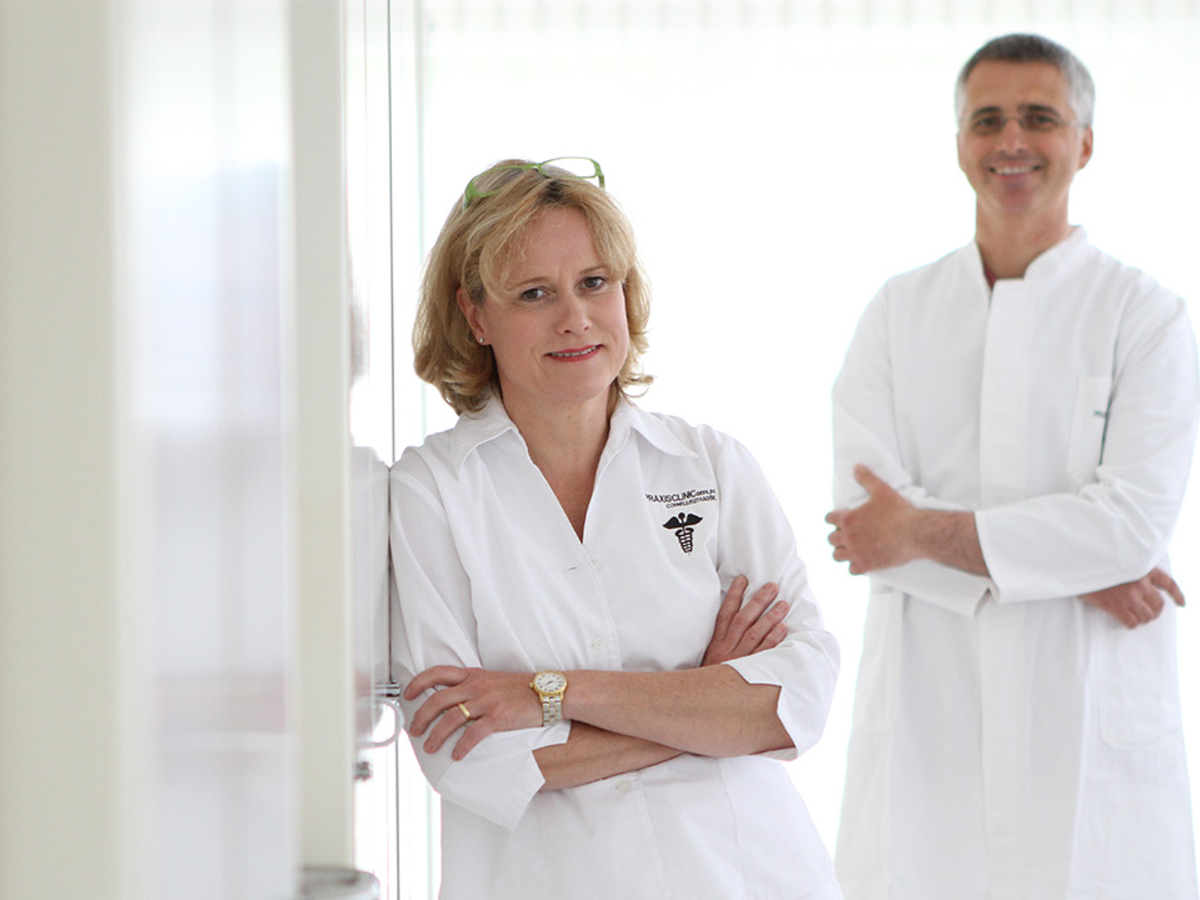
This is where Zahnarzt-Praxis Berlin Steglitz (Dr. Djamchidi & A. Jannack) distinguishes itself. Located in Berlin's southwest, close to Schloßstraße and not far from Zehlendorf, this dental practice in Berlin Steglitz is designed to provide high-level, medically grounded care in a warm, personal setting. The practice stands out not only because of its modern technologies in implantology, oral surgery, tooth preservation, and prophylaxis, but also because of an unusual and powerful combination of qualifications: a double approbation in medicine and dentistry.
At the heart of the team is Dr. Djamchidi, who holds a double approbation as both a physician and a dentist, with specialist training in ENT (ear, nose, throat). This combination is rare even in Germany and especially valuable for fields like implantology and oral surgery, where the border between dentistry and general medicine is fluid. The mouth is not an isolated system; it is part of the complex anatomy of your head and neck, with direct connections to the sinuses, airways, and overall systemic health.
When planning dental implants, especially in the upper jaw, the maxillary sinus floor becomes a crucial anatomical region. Conventional implant treatment near the sinus demands precise three-dimensional understanding: How thick is the bone? How close is the implant to the sinus? Is a sinus lift necessary to create enough stable bone height? A dentist with ENT training brings a deeper, physician-level view of the sinus system, nasal passages, and surrounding structures.
For a layperson, it helps to imagine the maxillary sinus as an air-filled cave above your upper back teeth. Over time, when teeth are lost, this cave can expand downward, and the bone between the mouth and the sinus can become very thin. If an implant is placed without detailed knowledge of this space, it can either fail mechanically or, in worse cases, irritate the sinus, leading to chronic sinusitis or recurrent infections. A double approbation means that your implantologist is also trained to diagnose and understand sinus diseases, nasal breathing problems, and interactions between dental roots and the sinus floor.
During a sinus lift procedure, delicate membranes lining the sinus must be gently lifted and preserved, while bone material is added to create a solid foundation for the implant. Here, ENT experience is invaluable. Understanding how the sinus drains, how it ventilates, and how infection can spread helps your doctor make minimally invasive decisions: selecting the correct surgical approach, positioning implants in a way that respects the natural drainage pathways, and using techniques that lower the risk of complications.
Beyond sinus-related issues, a physician's training supports safer treatment for patients with general health conditions such as cardiovascular disease, diabetes, or bleeding disorders. Many expats in Berlin arrive with their own medical history: medications from their home countries, previous surgeries, or chronic illness. Under the care of a doctor who is both physician and dentist, these systemic factors are evaluated comprehensively before oral surgery or implant placement. Interactions with blood thinners, the impact of diabetes on wound healing, or the influence of autoimmune medications on bone integration (osseointegration) of the implant are considered in depth, not as an afterthought.
This dual perspective is also pivotal for sedation and so-called twilight sleep. When dental anxiety is strong, and longer oral surgery is required, conscious sedation may be an option. A practitioner with medical training can better assess whether sedation is appropriate, perform risk assessment for heart and lung function, and coordinate with other medical specialists if needed. For expats who worry about the safety of sedation in a foreign country, this physician-level approach provides a powerful reassurance.
Finally, a double approbation encourages a truly interdisciplinary mindset: your implant is not just a screw in the bone, but a functional part of your breathing, chewing, and long-term health. The synergy of ENT and dental knowledge supports minimally invasive choices and better long-term outcomes, especially in the delicate region of the maxillary sinus floor.
While implants and oral surgery are essential, the philosophy of Zahnarzt-Praxis Berlin Steglitz is not to replace teeth prematurely. Here, tooth preservation comes first, and this is where the work of dentist Annette Jannack comes into focus. She has a strong profile in endodontics, the field of dentistry specializing in root canal treatment and the internal health of the tooth.
Endodontics sounds technical, but its aim is simple: to save your natural tooth whenever reasonably possible. Instead of removing a tooth and replacing it with a bridge or implant, the dentist cleans, disinfects, and seals the internal root canals, removing infected pulp tissue and bacteria while keeping the outer tooth structure intact. This aligns with the principle often formulated in German as "Zahnerhalt vor Zahnersatz" – preservation before replacement.
Modern root canal treatment is a precise, almost microscopic discipline. Inside each tooth are tiny canals that can be curved, branched, and difficult to reach. If bacteria remain in these spaces, pain and inflammation can recur, and the tooth may ultimately be lost. By using microscopic dentistry techniques, the canals can be visualized and treated more precisely. Advanced imaging, magnification systems, and fine instruments allow the dentist to follow the natural shape of the canal, remove infected material effectively, and fill the space three-dimensionally to prevent reinfection.
For patients, this means that teeth that might once have been considered lost can often be preserved for many years. This has several advantages: you keep your natural chewing feel, you avoid more extensive surgery, and you maintain the original architecture of your jawbone, which helps to stabilize your bite and smile. Especially for expats, who may worry about continuity of care if they move again in a few years, a well-performed root canal and high-quality restoration can be a durable, predictable solution.
Endodontics also touches on questions of biocompatibility. The materials used for fillings, posts, and crowns must be well tolerated by the body and stable over time. In this practice, materials are carefully selected with both functional and biological compatibility in mind. This detail-oriented approach is important for patients with sensitivities, autoimmune conditions, or a strong interest in holistic aspects of dental care.
By focusing on tooth preservation first, and implants or prosthetics only when truly necessary, the practice creates a balanced spectrum of care: from prophylaxis and minimally invasive measures to advanced endodontics and, where needed, high-level implantology and oral surgery supported by a physician's knowledge.
Many people carry childhood memories of the dentist: rushing, bright lights, and a feeling of not being fully informed or heard. For expats, dental anxiety is often intensified by language barriers and fear of misunderstanding. At Zahnarzt-Praxis Berlin Steglitz, the team gives particular attention to creating an atmosphere in which you can breathe out, ask questions, and take part in the decisions about your mouth.
English-speaking communication is central. Treatment steps are explained in clear, accessible language, without excessive jargon. If you are uncertain about a proposed therapy or if you come specifically for a second opinion, your concerns are taken seriously rather than dismissed. Detailed anamnesis, time for conversation, and honest risk-benefit discussions are integral to the practice's style.
For patients with strong dental anxiety, various supportive measures can be considered. Gentle local anesthesia is standard, but when fear is deeper or more generalized, options such as sedation or twilight sleep can be discussed. Because of the medical background in the team, these measures are evaluated carefully with respect to your general health. In some cases, complementary methods, for example gentle homeopathic support or relaxation strategies, may be integrated to ease stress around treatment, always as an addition to, not a replacement for, evidence-based dentistry.
The goal is to make each visit as comfortable as possible, not only physically but also emotionally. This includes empathy from the team, clear instructions for what to expect during and after treatment, and accessible ways to reach the practice in case further questions arise. In this environment, even patients who have avoided dentists for years often find themselves gradually rebuilding trust.
The practice is located in an Altbau – a classic historic building typical for Berlin Steglitz and the wider Berlin southwest. These older buildings often have high ceilings, graceful staircases, and a distinctive architectural charm that many Berliners love. At the same time, they were built in an era before lifts were standard, so honest communication about accessibility is crucial: this dental practice is not barrier-free, and access is via stairs, with no elevator available.
For some patients, particularly those with reduced mobility or who rely on wheelchairs, this can be a limiting factor and should be taken into account when planning a visit. However, for many others, the Altbau setting contributes to a sense of authentic Berlin atmosphere: wide stairwells, decorative details, and an intimate, non-clinical feeling once you enter the practice rooms.
Steglitz itself is a convenient and well-connected district. The proximity to Schloßstraße, one of Berlin's major shopping streets, means excellent public transport links and a variety of parking options in the surrounding streets or nearby parking garages. For patients coming from Zehlendorf or other parts of Berlin southwest, the practice is easy to reach by car, bus, or U-Bahn. This combination of central location and neighborhood charm makes it straightforward to integrate dental appointments into everyday life, whether during a lunch break, after work, or before a shopping trip.
Imagine you are new in Berlin and have been postponing dental care for months. A tooth in your upper jaw is sensitive, and you suspect you might need either a root canal treatment or an implant. You decide to schedule a visit at Zahnarzt-Praxis Berlin Steglitz.
Your journey begins with a phone or online contact, where the team gathers initial information and offers appointments suited to your schedule. As an English-speaking patient, you can communicate your needs in English and mention any anxiety or previous complications. You receive guidance on what documents to bring – such as insurance card, medication list, and possibly previous X-rays from your home country.
On the day of your visit, you arrive in Steglitz, find parking or step off the U-Bahn near Schloßstraße, and walk to the historic building housing the practice. You climb the stairs, enter the bright practice space, and are welcomed at reception. Administrative details are clarified, with support in English where necessary to navigate German healthcare formalities.
The first phase is anamnesis: a structured conversation about your medical history, current symptoms, medications, allergies, and previous dental experiences. Because the team includes a physician, questions also cover systemic conditions such as heart disease, diabetes, autoimmune disorders, and respiratory issues. This holistic approach is especially reassuring if you have complex health conditions.
Next comes the clinical examination. The dentist examines your teeth, gums, and bite, and if appropriate, X-rays or three-dimensional imaging are taken to assess the condition of the roots, bone, and maxillary sinus floor. If there are signs that the problem tooth can be saved, the endodontic options are discussed: how root canal treatment would work, what microscopic techniques might be used, and what the long-term prognosis likely is.
If, however, the tooth is too damaged, or if previous root canal attempts have failed, the conversation may shift toward implantology and oral surgery. Here, the double approbation of Dr. Djamchidi comes into play. You receive a clear explanation of how the implant would be placed, what the bone situation is like beneath your maxillary sinus, whether a sinus lift or bone augmentation might be necessary, and how your general health influences risks and healing times. All this is communicated in accessible, non-technical terms, with space for questions about biocompatibility of implant materials, possible sedation, and aftercare.
Together with the dentist, you then decide on a treatment plan. This plan may involve a sequence: first, stabilizing your overall oral health through prophylaxis and conservative treatment; then, if needed, performing root canal therapy under magnification; and finally, considering implants or other prosthetic solutions to close gaps. Cost estimates and timelines are discussed transparently, taking into account your type of health insurance and any private coverage.
On treatment days, the focus is on comfort and communication. Before each procedure, the steps are reviewed once more, and your pain control options are reconfirmed. If you choose sedation or twilight sleep for a surgical procedure, your medical status and the planned measures are checked carefully in advance. After treatment, you receive clear written and verbal instructions for aftercare, including what to do in case of pain, swelling, or questions.
Over time, regular prophylaxis appointments help maintain the results: professional teeth cleaning, gum assessment, and early detection of new issues reduce the need for invasive treatments. The aim is to build an ongoing relationship where you feel informed, respected, and medically safe.
For expats and locals alike, choosing a dental practice is ultimately about trust: trust in the medical expertise, trust in the ethics of treatment recommendations, and trust in being heard as an individual. Zahnarzt-Praxis Berlin Steglitz (Dr. Djamchidi & A. Jannack) combines several elements that make it a particularly strong choice in Steglitz and the wider Berlin southwest.
The double approbation of Dr. Djamchidi as both physician and dentist brings added safety and depth to implantology and oral surgery, especially in regions involving the maxillary sinus floor and complex general medical conditions. ENT training ensures that sinus lift procedures, implant positioning, and sedation decisions are made with a full understanding of head and neck anatomy and systemic health.
At the same time, the focus on endodontics and tooth preservation by Annette Jannack provides a powerful counterbalance: the first priority is to save your natural teeth through precise, microscopic dentistry and biocompatible materials, following the principle of "Zahnerhalt vor Zahnersatz". Only when a tooth truly cannot be preserved is replacement with implants or other prosthetics considered.
The practice environment is tailored to reduce dental anxiety, with English-speaking communication, transparent explanations, and options ranging from gentle anesthetics to sedation and supportive complementary measures. Located in a classic Altbau in Berlin Steglitz, the practice offers an authentic local experience, while openly communicating that it is not barrier-free and is accessible only via stairs.
With its convenient location near Schloßstraße and easy access from areas like Zehlendorf and other parts of Berlin southwest, this dental practice in Berlin Steglitz offers a combination of availability and advanced care that is ideal for both long-term residents and newcomers to the city. For many expats, it becomes more than just a place for emergency visits; it evolves into a reliable medical partner for long-term oral health, blending German precision with international openness.
Whether you are seeking a second opinion, planning complex implant therapy, hoping to save a compromised tooth through endodontics, or simply looking for careful prophylaxis and gentle routine care, Zahnarzt-Praxis Berlin Steglitz offers a medically grounded, human-centered approach. It is a place where the word "Zahnarzt" can gradually lose its fear and become associated instead with understanding, safety, and sustainable dental health.
So schätzen die Börsenprofis Aktien ein!

Für. Immer. Kostenlos.