A Trusted Dental Practice in Berlin Steglitz for Expats and Locals
26.02.2026 - 07:01:05 | ad-hoc-news.de
Arriving in a new country often means building your life again from the ground up: new home, new job, new school system for your children, and, sooner or later, new doctors. For many international residents in Berlin, finding a dental practice that feels safe, understandable, and truly high-quality can be one of the most stressful parts of this transition.
Perhaps you have had difficult dental experiences in the past. Maybe you struggle with dental anxiety and the sound of a drill alone makes your shoulders tense. Add to that the complexity of navigating the German healthcare system, where the terminology is unfamiliar and many practices do not offer in-depth explanations in English, and a simple toothache can suddenly feel overwhelming.
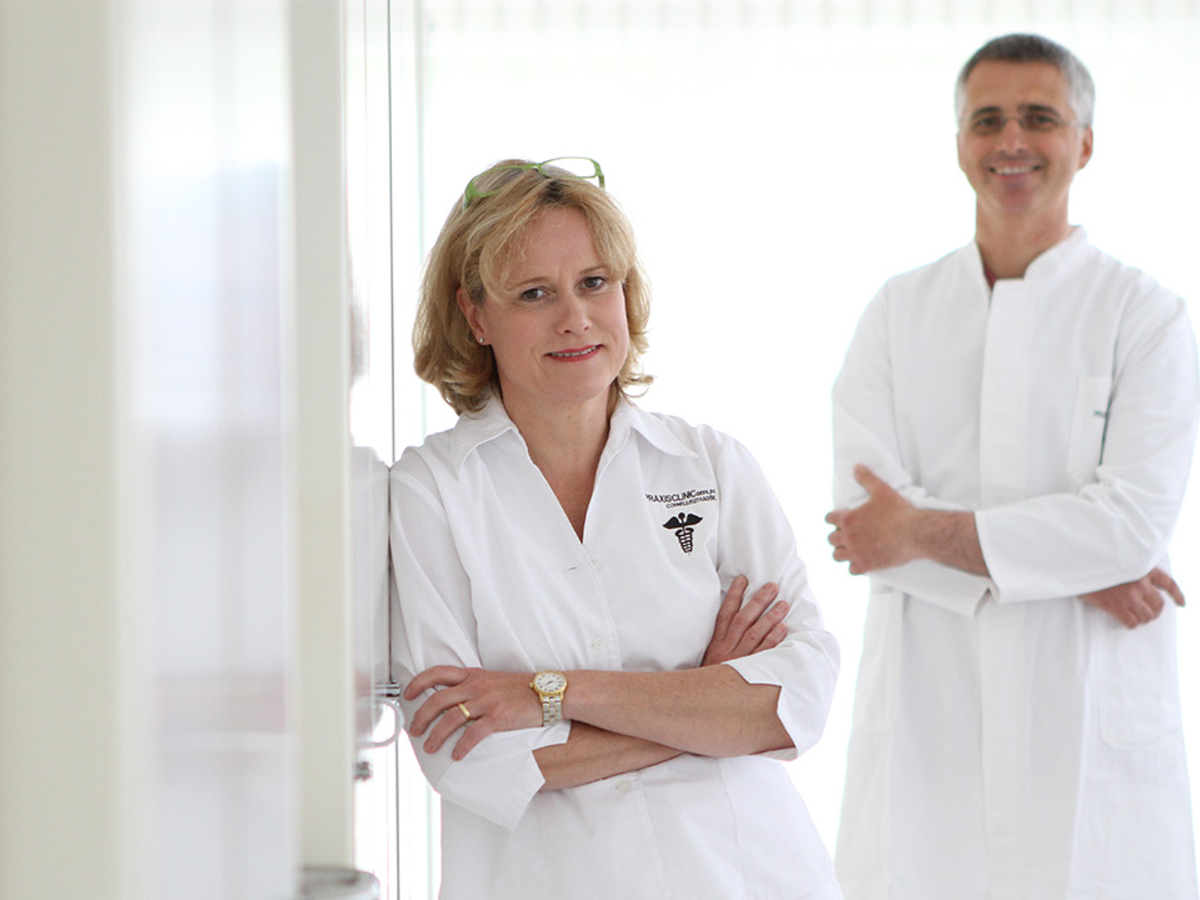
This is exactly where the Dental Practice in Berlin Steglitz of Zahnarzt-Praxis Berlin Steglitz (Dr. Djamchidi & A. Jannack) positions itself: as a medically sophisticated, empathetic, and genuinely bilingual place where both expats and locals can feel fully understood. Located in a classic Berlin Altbau building in Steglitz, not far from Schloßstraße and Berlin Southwest hubs like Zehlendorf, the practice combines cutting-edge implantology, oral surgery, and tooth preservation with a strong focus on comfort, communication, and trust.
What makes this Zahnarzt-Praxis in Steglitz truly stand out is its unique medical foundation: "double approbation". The lead practitioner, Dr. Djamchidi, is both a fully trained physician and ENT specialist and a licensed dentist. This dual qualification (often described in English as holding both an MD and DDS) is exceptionally rare and brings a level of anatomical and systemic understanding that can be life-changing for patients needing complex treatments like dental implants, sinus surgery, or oral surgery near delicate structures such as the maxillary sinus floor.
Alongside him, dentist Annette Jannack focuses on endodontics, aesthetic dentistry, and tooth preservation. Her philosophy, deeply rooted in modern evidence-based dentistry, can be summed up in one core principle: saving the tooth before replacing it ("Zahnerhalt vor Zahnersatz"). With advanced microscopic dentistry techniques and gentle, minimally invasive root canal treatment, she often manages to preserve teeth that might otherwise have been extracted.
For international patients, this combination of high-level medical expertise, an English-speaking dentist team, and a clear focus on empathy and explanation creates a uniquely reassuring environment.
The Double View: How ENT and Dentistry Work Together in Implantology
When people think about dental implants, they usually imagine a small titanium screw in the jawbone and a crown on top, restoring a missing tooth. Yet, especially in the upper jaw, implantology is far more complex. The roots of upper molars and premolars lie in close proximity to the maxillary sinus, a hollow air-filled space in the facial bone. Working in this region safely requires not just dental skill, but a deep understanding of ENT anatomy, sinus physiology, and potential complications.
This is where the unique "double view" of a physician and ENT specialist who is also a dentist becomes so important. As both a medical doctor and a Zahnarzt, Dr. Djamchidi can look at the area not only as a place for a dental implant, but also as part of a breathing system, sinus drainage pathway, and overall craniofacial structure.
In practical terms, this double approbation brings several benefits for patients:
1. Safer sinus-related oral surgery and sinus lifts
For patients who have been missing molars in the upper jaw for a long time, the bone beneath the maxillary sinus often becomes thinner. To place a stable implant, the bone may need to be augmented in a procedure called a sinus lift. During this highly sensitive surgery, the sinus membrane must be gently elevated without tearing, and bone graft material is placed to increase bone height.
Because of his ENT background, Dr. Djamchidi understands exactly how the sinus membrane functions, how air circulates, and how sinus infections can develop. This allows him to plan sinus lifts and related oral surgery in a way that respects not just the dental perspective, but also long-term sinus health. He can evaluate the maxillary sinus floor with a physician's eye, assess existing or chronic sinusitis, and coordinate implantology with the broader ENT situation.
2. Comprehensive risk assessment and systemic thinking
Many patients today have complex medical histories: allergies, autoimmune conditions, sinus problems, or previous surgeries. A practitioner with both medical and dental training is able to integrate this information into the treatment plan at a very high level. When choosing materials for implants or bone grafts, for example, questions about biocompatibility, healing capacity, and interactions with systemic diseases are central.
As a physician, Dr. Djamchidi can interpret blood tests, imaging, and ENT findings in detail; as a dentist, he can translate this into the optimal strategy for implantology and tooth replacement. This holistic, medically anchored approach helps minimize complications and supports smoother healing.
3. Clearer communication for anxious or medically complex patients
For patients with dental anxiety or previous traumatic experiences, confidence in the practitioner's competence is essential. Knowing that your implant or oral surgery is in the hands of someone who understands your sinuses, your airways, and your general health as thoroughly as your teeth can be deeply reassuring. In conversations, this double qualification allows for comprehensive explanations: how the sinus drainage relates to your upper molar, why a certain implant angle is safer, or how your nasal breathing might influence postoperative recovery.
4. Stronger interdisciplinary collaboration
In Berlin's dense medical landscape, complex cases sometimes require collaboration between ENT doctors, radiologists, and dentists. With his ENT specialization, Dr. Djamchidi is particularly well placed to communicate across these disciplines, interpret ENT imaging himself, and create a coherent plan that crosses traditional boundaries between dentistry and medicine. For the patient, this means fewer blind spots and a smoother journey from diagnosis to final implant-supported restoration.
This depth of expertise is not limited to implants alone. It also influences how the practice handles difficult extractions, oral surgery near nerves and sinuses, treatment of infections that spread between teeth and sinus, and the management of pain that might be coming from dental or ENT sources—or both.
Annette Jannack: The Preservationist Focused on Endodontics and Aesthetics
While modern implantology offers excellent solutions for missing teeth, the highest standard of care in dentistry is still to preserve your natural tooth whenever possible. This is the domain of endodontics—the field of dentistry that deals with the inside of the tooth, particularly the nerve (pulp) and root canal system. At Zahnarzt-Praxis Berlin Steglitz, dentist Annette Jannack has made this her central mission.
What is endodontics and why does it matter?
Inside each tooth there is a network of tiny canals that contain nerves, blood vessels, and connective tissue. When deep decay, cracks, or trauma allow bacteria to enter this space, pain and infection can follow. If untreated, this may lead to abscesses, bone loss, and ultimately tooth loss. Traditional root canal treatment aims to remove the infected tissue, disinfect the canals, and seal them to prevent reinfection.
However, modern endodontics goes far beyond the basic methods of the past. With microscopic dentistry, ultrafine instruments, and advanced irrigation techniques, it is now possible to clean and shape the root canal system much more thoroughly, significantly increasing the long-term success rate of treatment.
Microscopic dentistry for maximal precision
At this dental practice in Berlin Steglitz, endodontic treatment is carried out with magnification and illumination that allow the dentist to see structures invisible to the naked eye. Tiny accessory canals, calcifications, or unusual root shapes—common reasons for failure in conventional treatment—can be identified and addressed. This means that teeth once considered "hopeless" may now be saved.
"Zahnerhalt vor Zahnersatz": saving the tooth before replacing it
For Annette Jannack, this is more than a slogan; it is a philosophy guiding clinical decisions. Whenever a tooth can be preserved in a biologically sound way, this will be the first choice. Natural teeth provide optimal chewing sensation, help maintain jawbone volume, and contribute to natural aesthetics in a way that artificial replacements can only imitate.
Of course, this does not mean that every tooth can or should be saved at any cost. Rather, it means carefully weighing the chances of success, the overall oral situation, and the patient's wishes. Thanks to her experience in endodontics, A. Jannack can offer a qualified second opinion when someone has been told elsewhere that extraction is the only option. In many cases, a well-executed root canal treatment, combined with a high-quality crown, can give a tooth many additional years of life.
Aesthetic dentistry rooted in function
Beyond endodontics, Annette Jannack also focuses on aesthetic dentistry. For her, aesthetics does not mean simply making teeth whiter or smoother; it means restoring the natural harmony of your smile while respecting function. When reconstructing a tooth after root canal treatment, for example, the shape, size, and color of the crown must integrate seamlessly with the neighboring teeth. This aesthetic sensitivity is particularly important for visible front teeth, where even small differences can be perceived immediately.
In combination with the practice's expertise in tooth preservation, this creates an approach that aims to maximize both beauty and durability, minimizing unnecessary interventions.
Anxiety-Free Dentistry: Warm Atmosphere, Gentle Techniques, and Sedation Options
For many people, the anticipation of dental treatment is worse than the procedure itself. Memories of pain, shame about the current state of their teeth, or fear of not being understood can keep patients away from the dentist for years. The team at Zahnarzt-Praxis Berlin Steglitz takes dental anxiety very seriously and has built an anxiety-aware environment step by step.
Empathy and clear, bilingual communication
From the first phone call, patients are encouraged to speak openly about their fears and previous experiences. As an English-speaking dentist team, they can explain each step in simple English, reducing the typical misunderstandings that arise when medical German feels overwhelming. During the consultation, enough time is reserved for questions, and treatment options are discussed in a transparent way, including advantages, limitations, costs, and alternatives.
Minimally invasive and atraumatic techniques
Wherever possible, the practice uses minimally invasive procedures—techniques that respect the surrounding tissues and avoid unnecessary trauma. This includes gentle injections, careful soft tissue handling, and conservative tooth preparation. For many anxious patients, knowing that the dentist actively aims to keep interventions as small and tissue-friendly as possible already reduces stress levels significantly.
Sedation and twilight sleep
For patients with very strong dental anxiety, complex surgical procedures, or a pronounced gag reflex, the practice can offer various forms of sedation or twilight sleep, depending on the individual case and medical history. Under these conditions, you remain in a state between sleep and wakefulness, with reduced perception of the procedure and little memory of the details afterwards. This can transform an unbearable scenario into something manageable, and for some patients it is the key that finally allows them to receive the dental care they have postponed for years.
In consultation, your general health, medications, and previous experiences with anesthesia or sedation will be carefully evaluated. Here again, the double approbation of a physician and dentist brings additional safety: the ability to assess systemic risk, monitor vital functions, and react appropriately to any medical changes during treatment.
Location, Altbau Charm, and Accessibility in Berlin Steglitz
The practice is located in Berlin's southwest, in the district of Steglitz, within easy reach of Schloßstraße and neighboring areas such as Zehlendorf. The setting is a classic Berlin Altbau building—a characteristic architectural style of the city, with high ceilings, large windows, and historical details that many Berliners and expats quickly grow to love.
It is important to note, with full transparency, that this historic building does not have an elevator. The practice rooms are accessed via stairs, which means the practice is not barrier-free. For some patients with mobility limitations, this may require planning or the support of a companion. The team will gladly provide information in advance so that you can decide whether the access is manageable for you.
At the same time, the Altbau environment contributes to a special atmosphere. Instead of feeling like a cold, anonymous clinic, the rooms offer a warm, personal ambiance—more like a private practice than a hospital corridor. Nearby public transport and parking options in the area make the journey relatively straightforward for most patients living in Steglitz, Zehlendorf, or other parts of Berlin's southwest.
Prophylaxis and Tooth Preservation as a Long-Term Strategy
Beyond acute treatment and complex surgery, the dental practice places a strong emphasis on prophylaxis—professional preventive care intended to keep your teeth and gums healthy in the long run. This is especially important for patients with implants, root canal treated teeth, or a history of gum disease.
Professional cleanings help remove plaque and tartar in areas that a toothbrush cannot reach, reducing the risk of new decay and inflammation. Regular check-ups allow early detection of small problems before they become major interventions. For international patients who may not yet know the preventive standards in Germany, the team explains what intervals are sensible, how statutory and private insurances work in this context, and what self-care strategies are most effective.
The Patient Journey: What to Expect at Your First Visit
For someone newly arrived in Berlin or changing dentists after a long time, it can be comforting to know exactly what the first visit will look like. The patient journey at Zahnarzt-Praxis Berlin Steglitz is designed to be structured, transparent, and as relaxed as possible.
1. Appointment and preparation
You can schedule your appointment by phone or online via the practice website. If you prefer communication in English, simply mention this when booking. Before your visit, you may receive medical history forms (anamnesis) which ask about your general health, medications, allergies, previous dental treatments, and specific concerns. Filling these out carefully helps the team plan your consultation in a medically responsible way.
2. Arrival and anamnesis
On the day of your appointment, you enter the Altbau building and walk up the stairs to the practice. At reception, you are welcomed and any remaining documents are completed. The first part of your visit is an in-depth conversation: you can describe your symptoms, your expectations, and your fears. Whether you seek a second opinion about a recommended extraction, want to discuss implantology options, or simply need a thorough check-up, this is the time to mention it.
3. Clinical examination and diagnostics
Next comes the clinical examination. The dentist will check your teeth, gums, bite, and—in relevant cases—your jaw joints and surrounding structures. If necessary, digital X-rays or other imaging are taken to visualize roots, bone levels, and the maxillary sinus floor. For implant planning, this diagnostic step is particularly important in order to evaluate bone quantity and the position of the sinus and nerves.
4. Explanation and treatment plan
Once all information has been collected, you sit down together to discuss the findings. In clear English (or German, if you prefer), the dentist will explain what has been discovered and which treatment options are available. For example, if a molar with deep decay is involved, you might hear a comparison between extraction plus implant and careful root canal treatment by way of endodontics, including the expected prognosis for each route.
The philosophy is to give you real choices, not simply instructions. This includes discussing whether a minimally invasive approach is possible, what kind of anesthesia or sedation is recommended in your case, and how the timeline and costs might look. You are encouraged to ask questions, take your time, or even ask for a written summary for later reflection.
5. Treatment execution: from root canal to implant placement
Depending on the complexity of your case, treatment may begin immediately (for minor issues) or be scheduled for a separate session, especially for root canal treatment, oral surgery, or implantology. During the procedure, the focus remains on comfort and communication: what is happening now, how long it will take, and what you might feel. For anxious patients, establishing a stop signal and taking regular breaks can be part of the strategy.
For a root canal treatment, microscopic dentistry and modern techniques are used to clean and shape the canals, with attention to biocompatibility of filling materials. For implants, careful preparation of the bone and, if needed, sinus lift procedures are performed with the anatomical precision afforded by ENT training and medical experience.
6. Aftercare, prophylaxis, and long-term partnership
Once the acute treatment is finished, the practice will guide you through aftercare, including pain management, hygiene instructions, and follow-up appointments. In the case of implants, healing time and integration with the bone are monitored closely before final prosthetic crowns are placed. For root canal treated teeth, the final step is usually a stable, aesthetic crown to protect the tooth from fractures.
Long-term, the practice aims to become a partner in maintaining your oral health, not just a provider for emergencies. Regular prophylaxis visits, periodic checks of implants and root canal treated teeth, and continuous optimization of home care routines help to secure the results achieved.
Why This Dental Practice in Berlin Steglitz Is a Strong Choice for Expats and Locals
Choosing a dental practice is not just about who has the brightest equipment or the most impressive technology. It is about feeling safe, respected, and understood. For international residents in Berlin, the combination of a high-end medical profile, an English-speaking dentist team, and a human, empathetic atmosphere is particularly valuable.
At Zahnarzt-Praxis Berlin Steglitz (Dr. Djamchidi & A. Jannack), you find:
- The rare advantage of double approbation: a practitioner who is both physician/ENT specialist and dentist, bringing a uniquely safe and holistic approach to implantology, oral surgery, and sinus-related treatments.
- A strong focus on tooth preservation, with advanced endodontics and microscopic dentistry led by dentist Annette Jannack, following the principle "Zahnerhalt vor Zahnersatz".
- An anxiety-aware environment, with options ranging from gentle, minimally invasive treatment to sedation and twilight sleep, tailored to your individual needs and medical history.
- Clear, bilingual explanations and a willingness to act as your guide through the German dental system—ideal if you are still adjusting to Berlin life.
- A central, authentic Berlin Altbau location in Steglitz, close to Schloßstraße and Berlin's southwest districts like Zehlendorf, with honest communication about the presence of stairs and the lack of an elevator.
Whether you are searching for a trusted Zahnarzt for routine prophylaxis, need a second opinion on a recommended extraction, or are planning complex implantology near the maxillary sinus floor, this dental practice in Berlin Steglitz offers a combination of medical depth and personal warmth that is rare even in a city as medically rich as Berlin.
If you have postponed treatment due to dental anxiety, language barriers, or uncertainty about the healthcare system, this might be the moment to reconsider. With a team that understands both the technical and emotional sides of dentistry, you can take the next step toward a healthier, more confident smile—secure in the knowledge that your whole person, not just your teeth, is being carefully considered.
So schätzen die Börsenprofis Aktien ein!

Für. Immer. Kostenlos.