A Trusted Dental Practice in Berlin Steglitz for Expats and Locals
23.02.2026 - 07:01:04 | ad-hoc-news.de
Moving to Berlin is exciting – until you wake up at 3 a.m. with a throbbing tooth, a broken filling, or that nagging worry about a dental implant you have been postponing for years. Suddenly, questions you never thought about become urgent: How do I find a trustworthy Dental Practice? Will anyone speak English well enough to explain what is happening in my mouth? Will I feel judged if I am anxious or have not seen a dentist in a while? And how does the German system even work?
If you live in the southwest of the city, in Steglitz, near Schloßstraße or bordering Zehlendorf, you are not alone in facing these concerns. Many international residents share the same fears: dental anxiety from past experiences, confusion about insurance and treatment options, and the simple but real stress of sitting in a chair where you do not fully understand what is being said. A Dental Practice that combines high medical standards, clear communication in English, and a calm, respectful atmosphere can make the difference between avoidance and long?term oral health.
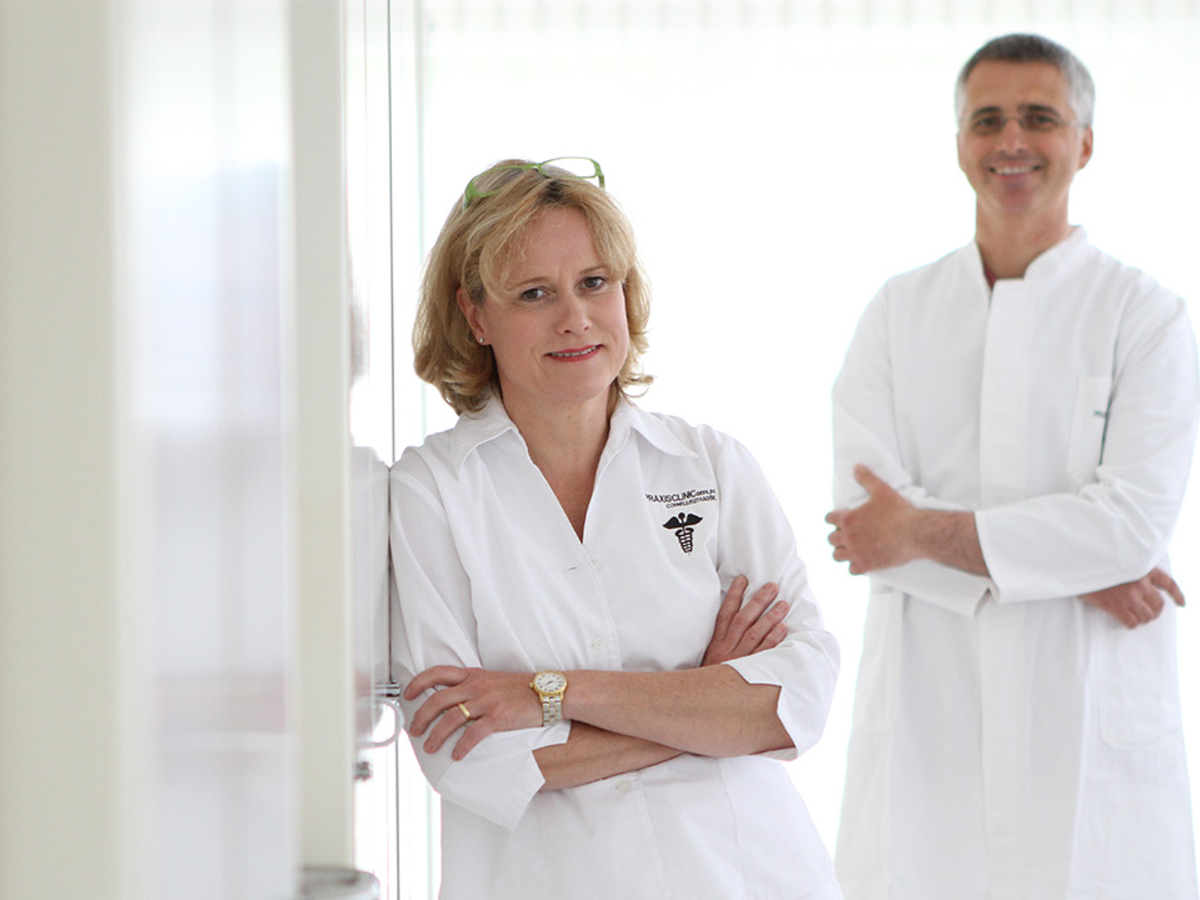
In this context, Zahnarzt-Praxis Berlin Steglitz (Dr. Djamchidi & A. Jannack) stands out. It is more than a typical Zahnarzt visit: it is a practice where a double?qualified physician and dentist works hand in hand with a specialist in tooth preservation and aesthetics. Together, they offer a blend of Implantology, Oral Surgery, Endodontics, and gentle Prophylaxis in an environment that is friendly to both Berliners and expats.
The expat challenge: trust, language, and dental anxiety
When you are new in Berlin, even basic healthcare can feel like navigating a maze. You hear words like "Überweisung", "Kassenzulassung", and "Zahnarzt" and may not be sure how they influence your treatment. For many expats, several factors come together:
First, there is the language barrier. Dental terminology is complex in any language. If you are unsure whether you understood the explanation, you may agree to or decline treatments without full confidence. Having an English-speaking dentist who is comfortable explaining medical details in clear, simple terms is crucial.
Second, there is cultural difference. In some countries, dentists focus heavily on cosmetic dentistry, while in Germany there is a strong tradition of tooth preservation and medically driven decision-making. Understanding why a German Dental Practice recommends a root canal treatment instead of an extraction, or a bone augmentation before an implant, is key for informed consent.
Third, many people carry dental anxiety. Perhaps a childhood experience left you fearful of injections, drills, or simply the feeling of losing control in the chair. In a foreign country, that anxiety can intensify. A practice that openly addresses dental anxiety, offers minimally invasive procedures where appropriate, and can provide sedation or twilight sleep if medically indicated, allows anxious patients to access needed care instead of delaying it.
Finally, expats often fear bureaucracy. How do you get a cost estimate? What does statutory insurance cover? When is a private invoice necessary? A Dental Practice used to both German and international patients can guide you step by step, so you can focus on your health rather than paperwork.
The unique strength of double approbation: Dr. Djamchidi's dual perspective
One of the most distinctive features of Zahnarzt-Praxis Berlin Steglitz is the "double approbation" of Dr. Djamchidi. He is not only an experienced dentist but also a fully qualified physician and ENT (ear, nose, and throat) specialist. This combination is particularly valuable for complex procedures in Implantology and Oral Surgery, where the mouth does not exist in isolation but is closely connected to the surrounding structures of the face, jaws, and airway.
For many patients, the thought of dental implants raises questions: Is it safe? What happens near the sinus? How stable will the implant be long term? This is where the dual qualification – MD and dentist – becomes a concrete advantage.
Implants and the maxillary sinus floor: why ENT knowledge matters
The upper back teeth sit directly under the maxillary sinus, an air-filled cavity in the cheek area. When these teeth are lost, the bone in this region can slowly shrink. At the same time, the maxillary sinus can expand downward, leaving less bone available to anchor a dental implant. To place a stable implant, the dentist must understand not only the jawbone but also the anatomy of the sinus membrane and its relation to breathing, ventilation, and ENT health.
As an ENT specialist, Dr. Djamchidi is deeply familiar with the maxillary sinus floor, the sinus lining, and the surrounding structures of the nose and throat. During planning, he can use this knowledge to:
– Evaluate the sinus health before Implantology, identifying chronic sinusitis or anatomical variations that may influence the choice of procedure.
– Decide whether a sinus lift – gently elevating the sinus membrane and adding bone material – is appropriate and safe for you.
– Minimize the risk of complications such as sinus perforation, infection, or impaired sinus drainage.
– Coordinate oral surgery with overall ENT health, ensuring that breathing and sinus function are respected.
For patients, this means increased safety and better long-term outcomes. Rather than treating the implant as an isolated technical step, the double-trained doctor sees the full picture: How will this implant behave in this specific bone, in this specific sinus, in this specific patient with their own medical history?
Beyond the tooth: a holistic medical view
Having both medical and dental training also affects how general health conditions are considered. Many systemic diseases – such as diabetes, autoimmune disorders, or cardiovascular issues – and medications like blood thinners influence wound healing, risk of infection, and the choice of anesthesia or sedation.
With a physician's view, the Dental Practice can:
– Carefully assess your medical history during anamnesis, not just noting medications but understanding their pharmacology and impact on oral surgery.
– Adjust treatment plans for patients with complex conditions, for example, timing an Implantology procedure in relation to other therapies.
– Evaluate the suitability of sedation or twilight sleep, making sure that comfort is balanced with safety, especially in patients with heart or respiratory issues.
– Consider ENT aspects like snoring, sleep apnea, or nasal breathing problems when planning extensive reconstructive work, which can influence jaw position and airway.
This integrated approach helps reduce the fear that something important might be overlooked. For expats used to seeing different doctors for different organs, it can be reassuring to find a Dental Practice where medical and dental knowledge are combined in one person.
Endodontics and aesthetics with heart: A. Jannack as "the preservationist"
If Implantology and Oral Surgery are about replacing what is lost, Endodontics is about protecting what you still have. At Zahnarzt-Praxis Berlin Steglitz, Annette Jannack focuses on advanced tooth preservation, especially modern root canal treatment, along with aesthetic dentistry. Her philosophy can be summed up in a core principle of German dentistry: "Zahnerhalt vor Zahnersatz" – saving the tooth before replacing it.
What actually happens in a root canal treatment?
Many patients hear the phrase "root canal" and immediately think of pain. In reality, contemporary Endodontics aims to relieve pain, halt infection, and maintain the natural tooth as a functioning part of the chewing system. Under local anesthesia – and additional sedation if needed – the dentist gently opens the tooth, removes infected or inflamed pulp tissue from inside the root canals, disinfects these fine channels, and then seals them with a biocompatible material to prevent reinfection.
Modern root canal treatment has become significantly more precise thanks to microscopic dentistry. Using magnification and special lighting, the dentist can see tiny canal branches that would be invisible to the naked eye. This improves cleaning and filling of the canals and increases the chances that the tooth will remain stable for many years.
Why preserving the natural tooth matters
A real tooth, even a root canal-treated one, offers several advantages over an artificial replacement:
– It maintains natural sensation and chewing function.
– It helps preserve the surrounding bone, as the body still recognizes the root in the jaw.
– It stabilizes neighboring teeth and keeps the bite harmonious.
– It can often be restored with an aesthetic crown that blends seamlessly with your smile.
Only when a tooth truly cannot be saved – for example, due to complex root fractures or extreme bone loss – does it make sense to move toward implants or bridges. This careful, stepwise thinking reflects a genuine preservation philosophy at the Dental Practice.
Aesthetics and biocompatibility
Alongside Endodontics, A. Jannack pays close attention to aesthetic outcomes. After a successful root canal treatment, the tooth is often rebuilt with ceramic or composite materials that match the surrounding teeth in shape and color. Attention is also given to biocompatibility – choosing materials that are well tolerated by the body and suitable even for patients with sensitivities or allergies, where possible.
For expats who value a natural yet attractive smile and may be used to high aesthetic standards from their home countries, it is reassuring to know that this Dental Practice integrates beauty with function rather than treating them as separate goals.
Managing dental anxiety: from gentle communication to twilight sleep
Dentistry is not just about instruments and techniques; it is also about feelings. Many patients arrive tense, embarrassed, or even ashamed that they have not been able to visit a dentist regularly. Zahnarzt-Praxis Berlin Steglitz places strong emphasis on an anxiety-aware approach.
From the first contact, the team takes time to listen. You are invited to describe your fears and previous experiences. Explanations are given calmly and step by step, without pressure. The focus is on cooperation, not blame. If you are afraid of injections, the dentist can use gentle, minimally invasive techniques, with careful numbing of the area before the actual injection, and enough time for the anesthetic to take effect.
For patients with pronounced dental anxiety, sedation options may be discussed. In selected cases, twilight sleep (conscious sedation) can be an option – you remain responsive but deeply relaxed and have little memory of the procedure afterwards. Because of the combined medical and dental expertise, assessment of whether sedation is safe for your specific health situation is particularly thorough.
Some patients also appreciate supportive measures such as a calm environment, clear pre- and post-treatment instructions, and, when desired, complementary approaches like homeopathic support. While homeopathy is not a substitute for evidence-based treatment, it can, for some people, play a role in coping with anxiety and stress.
Prophylaxis: preventing problems before they start
An important part of feeling safe in a Dental Practice is knowing that the goal is not just to fix crises but to prevent them. Professional Prophylaxis – regular check-ups and cleanings – helps reduce the risk of tooth decay, gum disease, and future oral surgery. During these sessions, the team can advise you on brushing and flossing techniques, suitable products, and habits like diet or night-time grinding that affect your teeth.
Especially for expats adapting to a new daily rhythm in Berlin, from different tap water to new food habits, a preventive visit can catch small issues early. Clear English explanations of X-rays, measurements, and recommended intervals give you the confidence to build a long-term relationship with the Dental Practice.
Location and accessibility: classic Berlin Altbau charm with honest limitations
The practice is located in Berlin Steglitz, in the southwest of the city, conveniently reachable from Schloßstraße and the neighboring district of Zehlendorf. It sits in a classic Berlin Altbau – a historic building with high ceilings, period charm, and the characteristic city feel that many people associate with the capital.
However, authenticity also means honesty: this is not a barrier-free practice. The building has stairs and no elevator. If you have limited mobility, difficulty climbing stairs, or rely on a wheelchair, this is an important factor to consider in advance. The team can advise you on the exact layout and help you decide whether a visit is physically feasible and safe for you.
For many patients, though, the traditional architecture adds to the experience of feeling truly in Berlin rather than in a generic clinic. There is often nearby parking available in the surrounding streets, and public transport connections in Steglitz are very good, enabling convenient access from other parts of Berlin Southwest.
A typical patient journey: from first contact to follow-up
To make the experience more tangible, imagine you are an English-speaking professional who recently moved to Berlin and lives near Schloßstraße. You have been postponing dealing with a sensitive molar for months. One evening, the pain becomes more intense. The next morning, you search for an English-speaking dentist and find this Dental Practice in Berlin Steglitz.
Step 1 – Initial contact
You call or write an email. The staff responds in friendly, clear English, asking about your symptoms and your insurance status. They offer you an appointment and explain what to bring: your insurance card, any previous X-rays if available, and a list of medications.
Step 2 – Arrival and anamnesis
You arrive at the Altbau building, climb the stairs, and enter a practice that feels more like a calm living space than a sterile clinic. At reception, forms are available, and if needed, the team helps you understand the German terms. During anamnesis, your general health is discussed in detail – not just your tooth. Because of the double approbation, your chronic sinus problems, mild asthma, or other conditions are taken seriously in planning.
Step 3 – Examination and explanation
In the treatment room, the dentist examines your tooth, possibly takes an X-ray, and explains the situation in clear English. Perhaps the conclusion is that the nerve of the tooth is inflamed, but the root and bone are good candidates for preservation. The dentist outlines a root canal treatment using microscopic dentistry, explaining each step so you can visualize what will happen.
If the diagnosis suggests that the tooth cannot be saved, the dentist also describes alternatives: extraction with later Implantology, bridge options, or other prosthetic solutions. If an implant in the upper jaw near the maxillary sinus floor is needed, the ENT and physician knowledge of Dr. Djamchidi comes into play. He might show you on the X-ray where the sinus lies, explain how a sinus lift works if necessary, and discuss why this procedure can provide a safe foundation for a long-lasting implant.
Step 4 – Treatment with comfort and clarity
Together, you decide on a treatment plan. If you are anxious, you may opt for scheduling longer appointments with breaks, or ask about sedation. The team reassures you that pain control is a priority and that they will check in with you regularly during the procedure. During the actual root canal treatment or implant placement, the focus is on being minimally invasive where possible: preserving healthy tissue, planning precise incisions, and using materials with good biocompatibility.
Step 5 – Aftercare and long-term partnership
After treatment, you receive written and verbal instructions, again in understandable English. The practice may schedule follow-up appointments to monitor healing, and then suggest a Prophylaxis schedule tailored to your risk profile. Over time, you transition from a crisis patient to a regular visitor, where small issues are caught early and larger interventions become less likely.
Why this Dental Practice in Berlin Steglitz is a strong choice for locals and expats
Choosing a Dental Practice is a deeply personal decision. For residents of Steglitz, Zehlendorf, and the broader Berlin Southwest, Zahnarzt-Praxis Berlin Steglitz (Dr. Djamchidi & A. Jannack) offers a rare combination of qualities that build trust over time:
– Double approbation: a dentist who is also a physician and ENT specialist, providing extra safety and insight for Implantology, Oral Surgery, and procedures near the maxillary sinus.
– Strong focus on tooth preservation: advanced Endodontics and microscopic dentistry guided by the principle of "Zahnerhalt vor Zahnersatz" – saving the tooth before replacing it.
– Thoughtful aesthetics and biocompatibility: restorations that are not only functional but also visually harmonious and well tolerated by the body.
– Anxiety-aware environment: respectful communication, minimally invasive strategies, and, where appropriate, options like sedation or twilight sleep.
– English-speaking team: clear explanations that help expats understand diagnoses, treatment options, and the German healthcare context without feeling lost.
– Authentic Berlin Altbau location: a practice in a classic building in Steglitz, with honest information about stairs and accessibility, and convenient connections to the surrounding districts.
In a city as dynamic as Berlin, your dental health deserves the same level of professionalism and care you would expect anywhere in the world – combined with an understanding of your unique expat journey. By bringing together medical depth, modern dentistry, and a human-centered approach, this practice offers exactly that: a place where you can feel both medically safe and personally understood.
If you are looking for a Zahnarzt who speaks your language – medically and linguistically – and a team that sees you as a whole person, this Dental Practice in Berlin Steglitz may well become your long-term partner in oral health.
So schätzen die Börsenprofis Aktien ein!

Für. Immer. Kostenlos.