A Reality Check for AI Enthusiasm Hits the Nasdaq 100
31.01.2026 - 14:24:03 | boerse-global.de
A wave of investor sobriety washed over the Nasdaq last week, tempering the previously unchecked euphoria surrounding artificial intelligence. The focus shifted decisively from top-line growth at any cost to the bottom-line impact of massive capital expenditure. This recalibration set the tone, particularly after a volatile earnings season where even strong results were scrutinized for their expense.
The trading session on Friday cemented a new market mindset emerging from a turbulent week of corporate reports: impressive revenue figures are merely the entry ticket. What truly matters now is their cost. For highly valued technology stocks, the market exhibited acute sensitivity to any signal of rising expenses and compressed profit margins.
This triggered a notable rotation by institutional investors. Capital flowed away from expensive software and hardware names toward more cautious positioning. The catalyst was commentary from industry giants, including Microsoft's indication that its cost of goods sold (COGS) could surge by 22% to 23%. This struck a nerve in a market that had been willingly paying a premium for AI exposure.
Earnings Reactions Highlight Investor Jitters
Microsoft acted as the primary drag on sentiment. The company reported a 17% revenue increase to $81.3 billion and earnings per share of $4.14, both surpassing estimates. Despite this, its shares experienced their most significant sell-off since March 2020. The reason? Investors appear less frightened by the current results than by the capital intensity required for the AI infrastructure build-out. Even a 39% growth in its Azure cloud segment failed to satisfy the most ambitious expectations.
Apple's results provided only partial relief. The iPhone maker posted record first-quarter revenue of $143.8 billion, a 16% year-over-year jump, with a particularly strong 38% surge in Greater China. However, markets zeroed in on remarks from CEO Tim Cook hinting at mounting cost pressures. Apple described itself in a "supply chase" mode, while also forecasting a 20% to 30% rise in memory chip prices—a clear headwind for future margins.
Elsewhere, Meta Platforms saw profit-taking after its strong start to the week, declining in tandem with the broader tech weakness. Tesla demonstrated relative resilience, buoyed by its robotaxi narrative, despite having previously reported a significant decline in profits.
Should investors sell immediately? Or is it worth buying NASDAQ 100?
The key themes defining the week were:
* The market is punishing AI investments when the immediate return on investment (ROI) is not clearly visible.
* Profit margin sustainability has become a higher priority than pure revenue growth.
* Earnings from the "Magnificent Seven" cohort are now driving index direction more powerfully than traditional macroeconomic data.
Fed Speculation Introduces Fresh Uncertainty
Additional volatility arrived late Friday from Washington, D.C. Former President Trump nominated Kevin Warsh to succeed Jerome Powell as Chair of the Federal Reserve, effective May 2026. Historically viewed as a policy "hawk," Warsh had recently authored an opinion piece advocating for interest rate cuts.
The bond market reacted with instability as traders attempted to price in Warsh's potential policy leanings. While futures markets continue to price in two rate cuts by the end of 2026, the nomination raises a new question: How aggressively would Warsh approach the Fed's balance sheet, which he has criticized in the past?
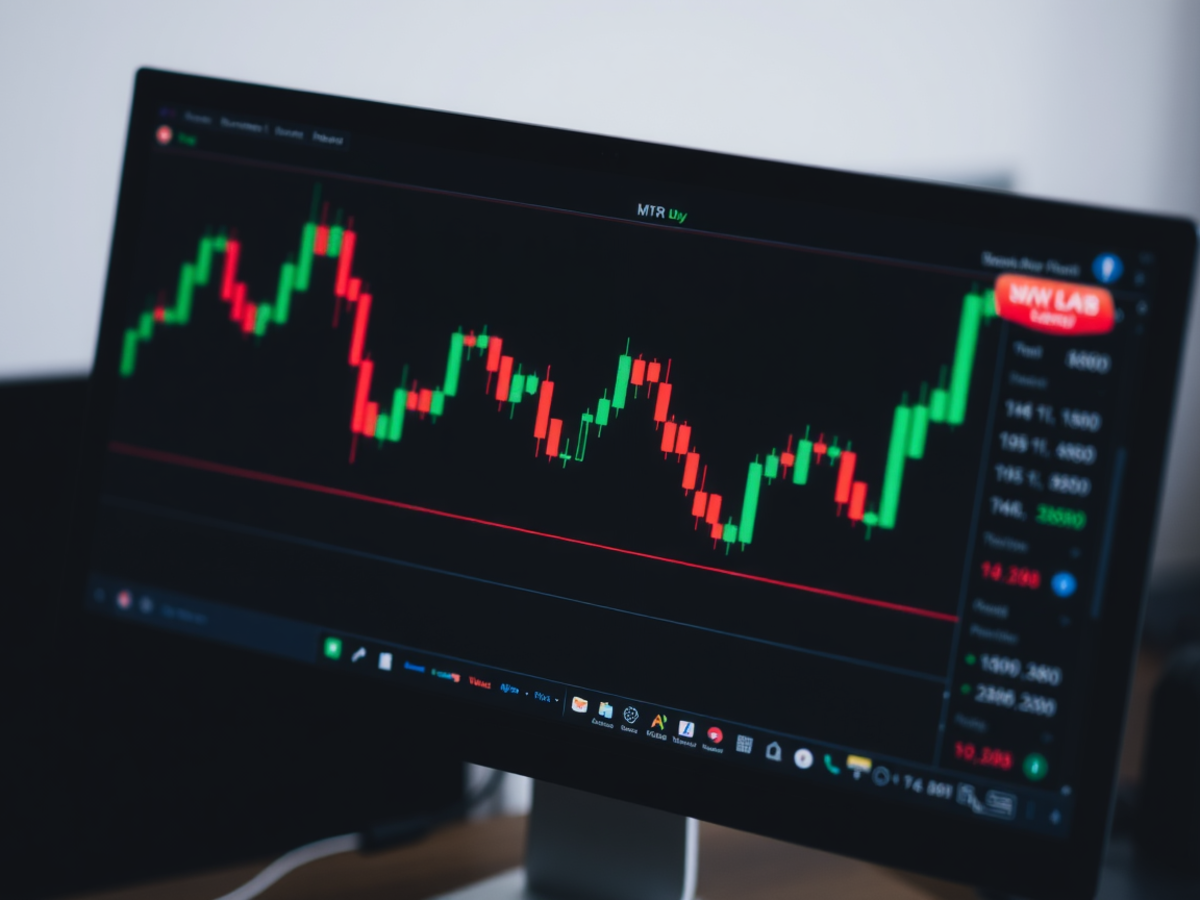
For the Nasdaq 100, Friday's movement was moderate in price terms. The index closed at 25,552.39 points, leaving it approximately 2.4% below its 52-week high. The underlying sentiment, however, is clear: the appetite for risk appears far less assured than it was just a few weeks ago.
As the new week begins, direction will likely hinge on two factors: whether Microsoft and Apple can find stability following their "sell the news" reactions, and whether upcoming Big Tech earnings from Amazon and Alphabet on February 4th and 5th will amplify or alleviate concerns over capital expenditure.
Ad
NASDAQ 100 Stock: Buy or Sell?! New NASDAQ 100 Analysis from January 31 delivers the answer:
The latest NASDAQ 100 figures speak for themselves: Urgent action needed for NASDAQ 100 investors. Is it worth buying or should you sell? Find out what to do now in the current free analysis from January 31.
NASDAQ 100: Buy or sell? Read more here...
So schätzen die Börsenprofis Reality Aktien ein!

Für. Immer. Kostenlos.