A Dental Practice in Berlin Steglitz Where Medicine and Dentistry Meet
24.03.2026 - 07:01:05 | ad-hoc-news.de
Moving to a new country changes the way you experience even the most basic aspects of life, including healthcare. For many expats in Berlin, the first visit to a Dental Practice can feel surprisingly stressful. You may not yet understand how the German system works, you might still be looking for a trustworthy English-speaking dentist, and on top of that, you could be carrying years of dental anxiety from previous experiences. When tooth pain or a broken filling suddenly forces you to act, the search becomes urgent and emotional rather than rational.
Berlin is full of dental practices, yet if you are an international resident in Berlin Southwest, in areas like Steglitz and Zehlendorf, you may quickly realize that not every Zahnarzt communicates in English with ease, not every clinic takes the time to explain options in detail, and very few offer a truly holistic medical view of your situation. You are not just looking for a quick appointment; you are looking for safety, explanation, and someone who will treat you like a partner in decisions about your own health.
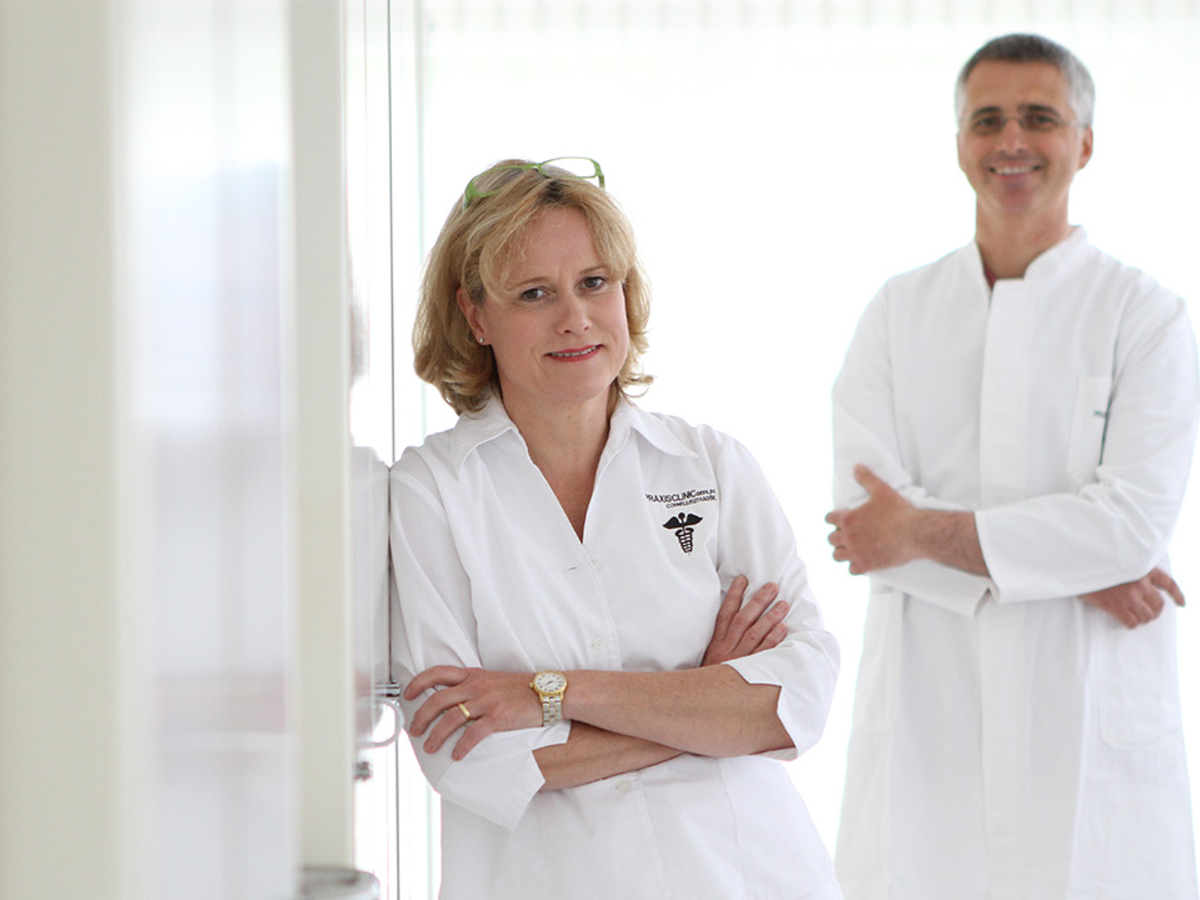
This is where the Dental Practice in Berlin Steglitz of Dr. med. Dr. med. dent. Djamchidi and dentist Annette Jannack stands out. It is not only a place for fillings, prophylaxis, and routine check-ups. It is a practice where medicine and dentistry intersect. Here, complex treatments such as implantology and oral surgery are guided by the rare combination of a double approbation: Dr. Djamchidi is both a fully trained physician, specialized in ENT (ear, nose, throat), and a fully trained dentist. This dual qualification opens a level of diagnostic depth and safety that most patients have never experienced before.
For expats who might be used to a different dental system back home, having a doctor who can see the entire upper airway and facial region not just as teeth and gums, but as a complete medical landscape, can bring a feeling of reassurance that goes far beyond a standard dental check.
To understand why this particular Dental Practice is so special, it helps to first look at what makes double approbation in medicine and dentistry so powerful, especially in the field of implantology and oral surgery. When a dentist places an implant, they are working in close proximity to essential anatomical structures: the maxillary sinus, the nasal cavity, the mandibular nerve, and the complex network of blood vessels and soft tissues that support your facial function and expression. In the upper jaw in particular, the bone that separates the roots of the teeth from the maxillary sinus floor can be very thin.
Many patients with missing teeth in the back of the upper jaw do not have enough bone height left for a secure implant. In such cases, an experienced surgeon may perform a sinus lift: a procedure that gently elevates the maxillary sinus membrane and creates space to build up bone so that an implant can be anchored safely. This is a technically demanding procedure that requires precise knowledge of sinus anatomy, the air-filled cavities in your skull, and how they connect to your nose and ENT system. Complications like sinus infections, membrane tears, or chronic pressure can arise if the anatomy is not fully respected.
Because Dr. Djamchidi is not only a dentist but also an ENT specialist and physician, he brings a comprehensive understanding of the paranasal sinuses, nasal airflow, and the maxillary sinus floor to every case. For a layperson, this means that when he plans an implant near the sinus region, he is not merely relying on dental training and imaging but also on the nuanced knowledge of how your sinuses function, how you breathe, and how a surgical intervention might affect your overall ENT health.
This dual view helps in several ways. First, it improves diagnostics. Three-dimensional imaging, such as CBCT scans, can be interpreted with a broader medical perspective. Subtle anatomical variations, thickening of the sinus membrane, or hidden pathologies may be detected more reliably. Second, it increases procedural safety. In sinus lift procedures or complex implantology, the risk of perforating the sinus membrane or creating communication between the mouth and sinus can be reduced through more meticulous planning and surgical technique.
Third, the combination of ENT and dental expertise is particularly valuable for patients who suffer from chronic sinus problems, allergies, breathing difficulties, or previous ENT surgery. Instead of sending the patient back and forth between different specialists, the Dental Practice in Berlin Steglitz can often integrate these aspects into one coherent treatment plan. For expats, this integration can also simplify bureaucracy: fewer referrals, more clarity, and one central point of contact who understands both your dental and ENT history.
Beyond implantology, double approbation also influences how oral surgery is approached in general. Wisdom tooth extractions, cyst removals, or operations in the region of the jaw joint and cheekbones can have implications for your ear, your sense of balance, or your sinuses. A practitioner who has trained as both a physician and dentist can better anticipate how surgery in the oral cavity might interact with other medical conditions such as sinusitis, sleep apnea, or even certain cardiovascular risks. This level of medical thinking matters when you want your Dental Practice not just to fix teeth but to safeguard your overall health.
For many patients, the question of biocompatibility also plays a role when choosing implants or dental materials. Because the practice understands systemic medicine, materials are chosen not only for mechanical strength but also for how well your body can tolerate them. Implantology here is not a purely technical act; it is rooted in an understanding of immune responses, chronic inflammation, and long-term oral health.
While implants and oral surgery are central strengths of the practice, there is another equally important pillar: tooth preservation. Dentist Annette Jannack focuses especially on endodontics and aesthetic dentistry, with a clear philosophy that in German is captured by the phrase "Zahnerhalt vor Zahnersatz" – saving the natural tooth before replacing it. This principle guides her work in root canal treatment, microscopic dentistry, and restorative care.
Endodontics is the specialty that deals with the inside of the tooth, particularly the root canals where the nerve and blood vessels used to live. When deep decay or trauma exposes the nerve, bacteria can invade and cause inflammation or infection. Patients experience this as intense toothache, sensitivity to hot and cold, or sometimes swelling. In the past, such teeth were often extracted. Today, modern endodontics aims to preserve even badly damaged teeth by cleaning and sealing the canals effectively.
In the Dental Practice in Berlin Steglitz, root canal treatment is performed with a high degree of precision. Microscopic dentistry allows the dentist to see structures inside the tooth that are invisible to the naked eye. Tiny accessory canals, hidden infections, or micro-fractures can be located and addressed. For patients, this means a greater chance of keeping their own tooth for many years instead of needing an implant or bridge.
The process of a modern root canal treatment typically involves several steps. First, careful diagnosis: radiographs and sometimes three-dimensional imaging help to determine the length and shape of the root canals. Local anesthesia ensures that even patients with dental anxiety can go through the procedure without pain. Then, the infected or inflamed tissue is gently removed, and the canals are cleaned and shaped with fine instruments. Antibacterial rinses and sometimes medication inside the tooth help eliminate bacteria and reduce inflammation.
After thorough cleaning, the canals are filled with a biocompatible material that seals them tightly to prevent reinfection. Finally, the tooth is restored, often with a high-quality filling or a crown, to protect it from fracture. When done with the attention to detail that endodontic specialists like Annette Jannack bring, this treatment can feel surprisingly uneventful from the patient perspective. Many people, especially expats who may have had less pleasant experiences in the past, are relieved to find that root canal treatment can be both comfortable and predictable.
Tooth preservation goes hand in hand with aesthetics. A tooth that has been saved through endodontics must also function and look natural. This Dental Practice uses aesthetic restoration techniques that aim to recreate the original shape and color of your teeth, blending seamlessly with your smile. Whether it is a minimally invasive filling, an inlay, an onlay, or a crown, the approach is to remove as little healthy structure as possible while restoring strength and beauty. For expats who might worry about getting “obvious dental work” that looks artificial, this aesthetic attention is reassuring.
Crucially, the practice does not see tooth preservation and implantology as opposing options. Instead, they are part of a spectrum: if a tooth can be saved through high-level endodontics, that option is considered first. Only when preservation is no longer medically reasonable or durable does implantology step in as a modern and biocompatible way to replace missing teeth. This balance between conservative care and advanced surgical options is part of what makes the practice medically and ethically trustworthy.
Many people delay seeing a dentist not because they lack information but because of fear. Dental anxiety is common, and for expats it may be amplified by cultural differences and communication worries. Sitting in a chair in a foreign country, trying to explain your symptoms in a language you are not fully confident in, can make you feel vulnerable. The team at this Dental Practice in Berlin Steglitz is aware of this emotional reality and has consciously developed an "anxiety-free" concept.
First, the atmosphere itself is designed to be warm and personal rather than clinical and anonymous. You are greeted not only as a case but as a person, with your own story, your expectations, and your fears. English is spoken clearly and patiently, and explanations are provided step by step, using simple language instead of technical jargon. Being able to ask questions in English, understand the pros and cons of each option, and receive clear cost estimates helps dissolve much of the uncertainty that fuels anxiety.
Second, the practice offers a spectrum of support options for anxious patients. For some, detailed explanation and gentle behavior are enough. For others, especially those with traumatic past experiences, additional measures such as sedation or so-called twilight sleep can be considered. In twilight sleep, medications are used to put the patient into a deeply relaxed, half-sleeping state, during which they often remember little of the procedure. This can be particularly helpful for extensive oral surgery, implant placements, or lengthy endodontic treatments.
Because the lead practitioner is also a physician, the assessment of whether sedation is appropriate is made with medical rigor. Pre-existing conditions, medications, and individual risk factors are taken into account. Monitoring during the procedure follows medical standards, which further enhances safety. For more minor anxiety, gentle sedation techniques or supportive methods can make a big difference. Some patients also appreciate complementary approaches such as homeopathy or calming strategies integrated into the treatment rhythm.
Another component of the anxiety-free concept is the open attitude toward second opinions. Many international patients are used to seeking a second opinion before making a major health decision. In this practice, asking for a second opinion is seen as a sign of responsibility, not mistrust. The team is happy to provide detailed written treatment plans in German and English, explaining different pathways: for example, preserving a tooth with complex endodontics versus extracting and planning an implant, or comparing minimally invasive approaches with more extensive solutions. This transparency empowers you to decide at your own pace.
The physical setting of the practice contributes to its distinct character. Located in Berlin-Steglitz, close to the lively Schloßstraße and well connected to public transport, the Dental Practice sits in a classic Altbau building. For many Berliners and long-term expats, Altbau architecture is part of the city’s charm: high ceilings, historic facades, and a sense of tradition. At the same time, honesty about accessibility is important. The building is not barrier-free and there is no elevator; patients reach the practice via stairs.
For some, especially those who value authentic Berlin living, this setting feels familiar and even comforting, like visiting a traditional Berlin apartment rather than a sterile clinic in a mall. For others with mobility challenges, the stairs can be a real consideration. The practice communicates this openly so that you can plan accordingly. If you or a family member has limited mobility, it is advisable to discuss this by phone in advance to see what support is possible and whether the stairs are manageable in your particular case.
While the building itself reflects the classic Berlin experience, the infrastructure around it is modern and convenient. Being in Berlin Southwest, the practice is easily reached not only from Steglitz but also from neighboring districts like Zehlendorf. Schloßstraße, one of Berlin’s main shopping streets, offers parking options, shopping centers, and public transport connections. Many patients combine their appointment with everyday errands, making it easier to integrate regular prophylaxis and check-ups into a busy schedule.
Speaking of prophylaxis, preventive care is a cornerstone of the practice’s philosophy. Professional teeth cleaning, individualized oral hygiene advice, and regular check-ups are seen as investments that pay off by preventing complex and costly treatments later. For expats who may come from systems where preventive dentistry is either less emphasized or differently structured, the team is happy to explain how prophylaxis appointments work in Germany and how they can be integrated into insurance coverage.
To help you imagine what it is like to become a patient here, consider a hypothetical first visit as an international newcomer in Berlin. Perhaps you recently moved to Steglitz or Zehlendorf, you have a persistent sensitivity in a molar, and you are worried it might be more serious. You have searched for an English-speaking dentist and found this Dental Practice in Berlin Steglitz, intrigued by the combination of dental and medical expertise.
Before your appointment, you may receive forms to fill out regarding your medical history, medications, allergies, and dental concerns. These can typically be completed in German or English. When you arrive, you walk up the stairs of the Altbau building, noticing the high ceilings and original details that give the space a sense of history. At reception, you are greeted calmly. The staff checks your details, helps with any insurance questions, and guides you to the waiting area.
During the initial anamnesis, the dentist takes time to understand not only your tooth pain but your broader context: Have you had root canal treatments before? Do you grind your teeth? Do you have sinus problems, headaches, or jaw discomfort? As an expat, you might mention that your medical records are partly from another country; the team may ask you to share any previous X-rays or reports you have digitally. The conversation happens in clear English, and you are invited to express any anxiety you feel about dental treatment.
The clinical examination that follows includes a careful inspection of your teeth, gums, and bite, as well as X-rays or three-dimensional imaging if needed. If the suspicious molar is near the upper jaw, the physician-dentist might evaluate not only the tooth itself but its relationship to the maxillary sinus. If there are signs of sinus involvement, his ENT training allows him to interpret these findings more deeply and explain them to you in a way that connects the dots between tooth pain and sinus pressure.
After the examination, you are given a detailed explanation of the diagnosis. Perhaps the tooth has deep decay close to the nerve, and the recommendation is a root canal treatment with a focus on microscopic endodontics, followed by a crown. Alternatively, if the tooth is already fractured or hopeless, the discussion may shift toward extraction and later implant placement, including the question of bone quality and proximity to the sinus floor. You are presented with options, their respective benefits and risks, and an overview of costs.
Importantly, time is taken to address your feelings. If you express fear about pain, the dentist explains the anesthesia techniques used and the possibility of sedation or twilight sleep for certain procedures. If you are unsure about making a decision immediately, you can take the treatment plan home, perhaps to discuss with a partner or to compare with a second opinion. The team understands that in a foreign country, making medical decisions may require a bit more time and reassurance.
Once you choose a treatment path, appointments are scheduled in a way that respects your work and family commitments. On the day of a more extensive procedure, such as implant placement or a complex root canal, the practice ensures that you feel prepared. You may receive pre-operative instructions and, if sedation is planned, guidelines about fasting or accompanying persons. During the procedure itself, the focus is on minimally invasive techniques whenever possible. In implantology, this can mean gentle tissue handling, precise drilling guided by digital planning, and careful attention to how the implant interacts with surrounding bone and sinus structures.
After the procedure, you receive clear post-operative instructions in English, both verbally and in writing. Follow-up appointments are scheduled to monitor healing, adjust bite if necessary, and refine the aesthetic outcome. Throughout this patient journey, the tone remains one of partnership: you are encouraged to ask questions, to report any unusual sensations, and to participate actively in your own healing through good oral hygiene and lifestyle habits.
For many patients, this experience redefines what dental care can feel like. Instead of a rushed encounter with a hurried dentist, you find a place where medical depth and human attention meet. This can be especially meaningful for expats who may have been nervous about navigating German healthcare. Over time, regular visits for prophylaxis, check-ups, and minor treatments help build a trusting relationship, so that even when a more complex intervention is needed, you face it with significantly less fear.
When you step back and look at the overall picture, the reasons why this Dental Practice in Berlin Steglitz is a strong choice for both locals and international residents become clear. The double approbation of Dr. Djamchidi as both physician and dentist brings unique authority and safety to implantology, oral surgery, and cases where the maxillary sinus, nasal cavity, and jaw structures intersect. His ENT background means that procedures like sinus lifts, treatments near the sinus floor, or interventions in patients with existing sinus or breathing issues are approached with a level of anatomical and medical insight that goes beyond standard dental training.
At the same time, the work of Annette Jannack anchors the practice in the vital discipline of tooth preservation. With a focus on endodontics, microscopic dentistry, and aesthetic restoration, she embodies the principle of "Zahnerhalt vor Zahnersatz" – doing everything reasonably possible to save your natural teeth before considering replacement. For patients, this is not only medically sensible but also psychologically comforting: your own teeth are valued, not quickly discarded.
The practice’s anxiety-free concept, combining empathetic communication, options like sedation and twilight sleep, and a calm, respectful atmosphere, responds directly to the reality of dental anxiety. As an English-speaking dentist team, they address one of the main pain points for expats in Germany: the fear of not being understood, of signing up for treatment you do not fully grasp, or of being surprised by costs. Here, treatment planning is explained in clear language, and second opinions are welcomed rather than discouraged.
Situated in a classic Altbau in Steglitz, near Schloßstraße and easily accessible from Berlin Southwest and neighboring districts like Zehlendorf, the practice merges the charm of historic Berlin architecture with modern dentistry and medicine. The open communication about the stairs and lack of elevator respects patients’ need to plan their visit realistically. For many, the authentic setting adds to the feeling of being treated in a personal, longstanding city practice rather than an impersonal institution.
For expats who often feel caught between healthcare systems, uncertain about insurance, and nervous about language barriers, finding a Zahnarzt who understands both international expectations and German structures is invaluable. This practice has built its reputation on precisely that blend: high clinical standards, interdisciplinary medical knowledge, and a human approach tailored to the diverse community of Berlin.
Whether you need a routine check-up and prophylaxis, a detailed second opinion on implantology, a complex root canal treatment to save a painful tooth, or a comprehensive oral surgery plan that considers both dental and ENT factors, the Dental Practice of Dr. Djamchidi & Annette Jannack in Berlin Steglitz offers a place where questions are encouraged, explanations are thorough, and your long-term oral health is seen in the broader context of your overall wellbeing.
In a city full of choices, this is a practice where trust is not demanded; it is earned, step by step, through medical competence, transparent communication, and genuine care for each individual who climbs the Altbau stairs seeking help.
So schätzen die Börsenprofis Aktien ein!

Für. Immer. Kostenlos.