
A Dental Practice in Berlin Steglitz Where Medicine and Dentistry Meet
18.02.2026 - 12:43:36 | ad-hoc-news.de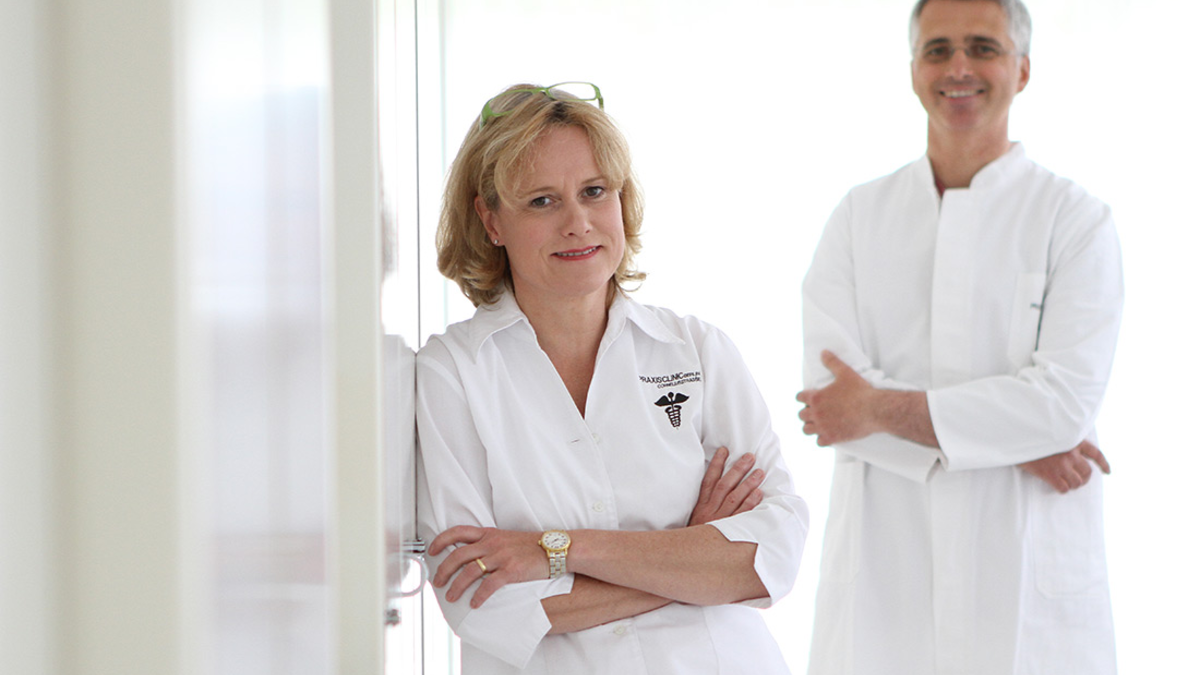
Moving to a new country means building a new life from the ground up: a new language, a new apartment, a new bank account – and, eventually, a new doctor and dentist. For many expats in Berlin, finding a dental practice that feels safe, understandable, and medically trustworthy can be one of the most stressful parts of settling in. Dental anxiety, concerns about pain, and confusion about the German healthcare system often combine into one big obstacle that keeps people away from the dentist until an emergency forces them into a random appointment.
In Berlin, you have many options, but not all are equally easy for international patients. Phone calls in German, complex insurance questions, unfamiliar treatment names, and a very direct communication style can be daunting. Even confident professionals suddenly feel insecure when they sit in a dental chair and struggle to explain their symptoms or ask for a second opinion in a foreign language.
In this context, a calm, medically grounded, and English-speaking dental practice in Berlin Steglitz is more than a convenience – it is a lifeline. Zahnarzt-Praxis Berlin Steglitz (Dr. Djamchidi & A. Jannack) is designed to meet patients exactly at this point: combining in-depth medical expertise with clear explanations, a warm team, and a strong focus on tooth preservation, implantology, and aesthetic dentistry.
What makes this dental practice truly stand out in Berlin is not only the personal atmosphere, but also something that is extremely rare in everyday dentistry: the double approbation of Dr. Djamchidi. He is both a fully trained physician and ENT specialist and a licensed dentist. This dual training – often referred to internationally as a combination of MD and DDS – offers significant advantages, especially in the fields of implantology, oral surgery, and complex treatment planning.
For patients, the concept is simple: your mouth is not isolated from the rest of your body. The gums, jawbone, sinuses, airway, and general medical conditions all interact. Having a doctor who sees you both as a dental patient and as a whole person, with your full medical history, provides an extra layer of safety when planning treatments such as implants, bone augmentation, or procedures near the maxillary sinus floor.
Imagine you need a dental implant in the upper jaw. In many people, the roots of the back teeth are very close to the maxillary sinus – the air-filled space in the cheekbone area. After tooth loss, the bone in this region can shrink over time, leaving only a thin layer between the mouth and the sinus. To place a stable implant, the bone often needs to be gently built up through a procedure known as a sinus lift. Here, the borders between dentistry and ENT medicine become very thin: the surgeon needs an excellent understanding of sinus anatomy, ventilation, mucosal health, and potential risks such as sinus infections.
This is where the double approbation of Dr. Djamchidi becomes particularly valuable. As an ENT specialist, he is deeply familiar with the complex anatomy of the nose and sinuses, the delicate mucosa that lines them, and the way these structures interact with breathing and overall health. As a dentist and implantologist, he also knows exactly how implants integrate into the jawbone, how to work minimally invasively, and how to ensure long-term stability and biocompatibility of materials.
In practice, this means that when an implant is planned close to the maxillary sinus floor, you are not just relying on imaging and routine technique. You benefit from the trained eye of a physician who has worked with sinus surgery and ENT conditions, combined with the technical precision of an experienced dental surgeon. This dual view reduces the risk of complications, allows more precise risk assessment, and can be especially reassuring for patients with a history of sinus problems, allergies, or chronic ENT issues.
Beyond implantology, this double perspective helps in many other situations: patients with sleep-disordered breathing, frequent sinus infections, unexplained facial pain, or chronic headaches sometimes discover that their oral health and ENT region are more connected than they realized. An English-speaking dentist who can also think and act as a physician opens up diagnostic and therapeutic options that go beyond a standard dental visit. When necessary, the practice can coordinate with your general practitioner or other specialists, translating complex findings into clear language and coherent treatment steps.
While implantology and oral surgery are strongly associated with replacing missing teeth, the philosophy of Zahnarzt-Praxis Berlin Steglitz is firmly rooted in prevention and preservation. Nowhere is this clearer than in the work of Annette Jannack, whose focus lies on endodontics, tooth preservation, and aesthetic reconstruction.
Endodontics is the branch of dentistry that deals with the inside of the tooth – the root canals, nerves, and blood vessels. When deep decay, cracks, or trauma reach the inner core of the tooth, bacteria can invade, leading to inflammation, swelling, and severe pain. Traditionally, many of these teeth were extracted and later replaced with bridges or implants. Modern endodontics, however, aims to save even very compromised teeth with highly precise root canal treatment.
In practical terms, a root canal treatment means carefully cleaning, disinfecting, and shaping the root canals before sealing them to prevent re-infection. The quality of this work determines whether a tooth can function for many years or will eventually be lost. This is where microscopic dentistry and meticulous technique become essential. Using magnification and modern instruments, an experienced endodontic practitioner like Annette Jannack can locate even fine, curved, or additional root canals that are easily missed without magnification.
The philosophy guiding her work can be summarized in a phrase commonly used in German dentistry: "Zahnerhalt vor Zahnersatz" – saving the natural tooth before replacing it. While dental implants are excellent solutions for missing teeth, nothing matches the biomechanical precision of a healthy natural tooth. Preserving your own tooth, when medically reasonable, often provides better chewing function, more natural aesthetics, and a more conservative approach to your jawbone and surrounding teeth.
Your dental journey with Annette Jannack often starts with a detailed diagnosis: high-resolution imaging, vitality tests, and an assessment of the surrounding bone and gums. If root canal treatment is advised, you will receive clear information about the process, expected sensations, and long-term prognosis. Sensitive patients and those with dental anxiety are guided step by step, with options for local anaesthesia, gentle injection techniques, and, when appropriate, twilight sleep or sedation.
After successful endodontic therapy, the tooth structure is often reinforced with a high-quality filling or an aesthetic crown. Here, Ms. Jannack combines the functional knowledge of tooth biomechanics with a refined eye for aesthetics. The goal is not only to remove infection and pain, but to recreate a harmonious, natural-looking smile that fits your face and age. For many Berliners and expats alike, this respectful, preservation-first approach is a decisive reason to stay with the practice long-term.
Dentists and doctors know that technical competence alone is rarely enough to help people overcome dental anxiety. Many adults carry memories of painful childhood treatments, rushed appointments, or feeling judged for delaying care. Add to this the stress of navigating a new country, and it is no surprise that some patients avoid even essential prophylaxis appointments for years.
The team at Zahnarzt-Praxis Berlin Steglitz openly acknowledges this emotional reality. From the first phone call, you are met with a calm, non-judgmental tone. The team is used to supporting international patients, and being an English-speaking dentist practice, they can explain procedures, insurance questions, and aftercare instructions in clear English. Taking extra time to listen is considered part of the treatment, not a luxury.
To create an anxiety-free concept, the practice relies on several pillars. One is predictability: before any oral surgery, implantology, or endodontics procedure, you receive a structured explanation of what will happen, how long it will take, what you will feel, and what alternatives exist. For many patients, simply understanding the sequence reduces fear dramatically.
A second pillar is pain control and comfort. Local anaesthesia is standard, but for those with strong dental anxiety or a strong gag reflex, options such as sedation or twilight sleep (conscious sedation) can be discussed. In twilight sleep, you remain responsive but deeply relaxed and often do not remember the procedure clearly afterwards. This can be a highly effective way for anxious patients to complete complex treatments such as multiple implants, sinus lift procedures, or extensive root canal work in a single relaxed session.
Complementary methods, such as a calm environment, gentle communication, and, in some cases, supportive homeopathic remedies or relaxation techniques, can also be integrated based on patient preference. The focus is not to "push" alternative options, but to respect the individual comfort zone of each person and to build trust over time.
The physical environment of a practice has a strong psychological effect. Zahnarzt-Praxis Berlin Steglitz is located in a characteristic Altbau – a historic building typical for the Steglitz and Berlin Southwest area. High ceilings, classic facades, and traditional staircases create the feeling of a true Berlin experience, especially around well-known hubs like Schloßstraße.
It is important to know, however, that this authentic architecture comes with a structural limitation: the building does not have an elevator. Access to the practice is via stairs, and the premises are therefore not barrier-free. The team communicates this openly so that patients with mobility restrictions can plan accordingly or seek a more easily accessible alternative. For many patients, though, the classic building style adds to the charm – it feels less like a sterile clinic and more like a welcoming city practice woven into the daily life of Steglitz.
On the practical side, the location in Berlin Steglitz offers good access from surrounding districts such as Zehlendorf and other parts of Berlin Southwest. The area around Schloßstraße is well connected by public transport, and drivers often appreciate the comparatively easier parking situation in this part of the city compared to more central inner-city boroughs. For expats living in the southwest corridor of Berlin, this makes the practice a convenient anchor point for regular prophylaxis and check-ups.
To help you imagine what your first appointment at this dental practice in Berlin Steglitz might feel like, consider the following patient journey. You have been living in Berlin for a few months, maybe a year, and a nagging toothache has finally convinced you it is time to see a Zahnarzt. After a friend recommends Zahnarzt-Praxis Berlin Steglitz, you visit the website and are relieved to see clear information in English along with a warm introduction to the team.
You call or write an email, mentioning that you are an international patient and slightly anxious. The response is friendly and understanding, and you receive an appointment that fits your schedule. On the day of your visit, you arrive at the Altbau building, walk up the stairs, and enter a reception area that feels both professional and personal. The team greets you by name and guides you through the short paperwork process, helping you navigate questions about German public or private insurance, self-pay options, and what documentation is useful to bring.
The first phase of your visit is the anamnesis – a detailed medical and dental history. Because of the double approbation in the team, you can safely discuss not only your teeth, but also general medical conditions such as allergies, asthma, sinus problems, cardiovascular issues, and medications you may be taking. This comprehensive view is particularly reassuring if you are concerned about interactions between dental treatments and your overall health.
Next comes the clinical examination. Using modern diagnostic tools, the dentist checks your gums, teeth, and bite, and may recommend X-rays or 3D imaging to assess the jawbone, root conditions, or sinus proximity. If your problem involves pain in the upper back teeth, for example, the connection to the maxillary sinus may be evaluated carefully. You are encouraged to ask questions at every step, and explanations are given in clear, non-technical English whenever possible.
Once the findings are clear, you receive a structured consultation. If a tooth can be saved, endodontic treatment with the help of microscopic dentistry may be suggested. You will learn how root canal treatment removes infection, how biocompatible materials are used to seal the canals, and how the tooth will be restored afterwards. If a tooth is already missing or cannot be preserved, implantology options are discussed – including the condition of your jawbone, potential need for bone augmentation or sinus lift, and how oral surgery would be planned to minimize risks.
Importantly, you are not rushed into a decision. The practice welcomes patients who seek a second opinion and may have treatment plans from other clinics that they would like to compare. This transparent, consultative approach is especially helpful for expats who are unfamiliar with German treatment codes and need someone to explain both the medical and financial aspects in a calm, neutral way.
When a treatment plan is agreed upon, the team discusses the sequence of appointments, pain management, and, if needed, options like sedation or twilight sleep. For example, if you are extremely nervous about a longer oral surgery procedure, you might combine several steps in a single visit under sedation, monitored by a team experienced in working with anxious patients. Detailed post-operative instructions and contact options are provided so that you feel supported even after you leave the practice.
Over time, prophylaxis – regular professional cleanings and check-ups – becomes a cornerstone of your care. Prophylaxis visits help prevent gum disease, detect problems early, and protect existing restorations and implants. These appointments are also an opportunity to fine-tune your home care routine in a way that fits your lifestyle, diet, and individual risk factors. For many international patients, building this long-term relationship transforms the dentist from a source of fear into a trusted health partner.
Choosing a dental practice is deeply personal. You want clinical excellence, but also a feeling that you are heard and respected – especially when you are far from your original home system. Zahnarzt-Praxis Berlin Steglitz (Dr. Djamchidi & A. Jannack) brings together several qualities that make it a strong choice for both locals and the international community in Berlin Southwest.
The unique double approbation of Dr. Djamchidi means that complex treatments around the sinuses, jawbone, and airway are planned with the combined knowledge of a physician, ENT specialist, and dentist. This is particularly reassuring in implantology, sinus lift procedures, and cases where general medical conditions must be integrated into treatment decisions.
With Annette Jannack, the practice offers high-level expertise in endodontics, tooth preservation, and aesthetic dentistry. Her preservation-first philosophy of Zahnerhalt before replacement aligns with modern, minimally invasive dentistry and helps retain your natural teeth whenever medically possible. Root canal treatment, microscopic dentistry, and carefully planned restorations are used to keep your smile both healthy and harmonious.
The practice understands dental anxiety not as a weakness, but as a common human experience. Empathetic communication, clear explanations, and options such as sedation and twilight sleep help even very anxious patients receive the care they need. Being an English-speaking dentist team, the dentists and staff can guide you through procedures, insurance questions, and follow-up care without language barriers.
The Altbau setting in Steglitz, close to central lifelines like Schloßstraße and the neighboring district of Zehlendorf, offers an authentic Berlin atmosphere with good regional accessibility. At the same time, the practice openly notes that the historic building involves stairs and is not barrier-free, allowing patients to make informed decisions.
If you are an expat in Berlin searching for a reliable dental partner – someone who combines modern implantology, oral surgery, tooth preservation, and prophylaxis with a strong medical foundation and a human-centered approach – this dental practice in Berlin Steglitz is well worth getting to know. Whether you need a second opinion, wish to save a tooth others have given up on, or want a safe place to finally address long-postponed dental anxiety, the team stands ready to guide you step by step.
Your pathway to long-term oral health does not need to be shaped by fear or confusion about a new healthcare system. With the right Zahnarzt, clear communication, and a practice that understands the expat experience, you can feel at home in the dental chair – even far from your original home country.
Hol dir jetzt den Wissensvorsprung der Aktien-Profis.

Seit 2005 liefert der Börsenbrief trading-notes verlässliche Anlage-Empfehlungen – dreimal pro Woche, direkt ins Postfach. 100% kostenlos. 100% Expertenwissen. Trage einfach deine E-Mail Adresse ein und verpasse ab heute keine Top-Chance mehr. Jetzt anmelden.
Für. Immer. Kostenlos


