
Washington Tank Collapse: Safety Warnings Ignored Before 11 Workers Died
Published on 08/30/2026 at 23:47 | Editorial boerse-global.de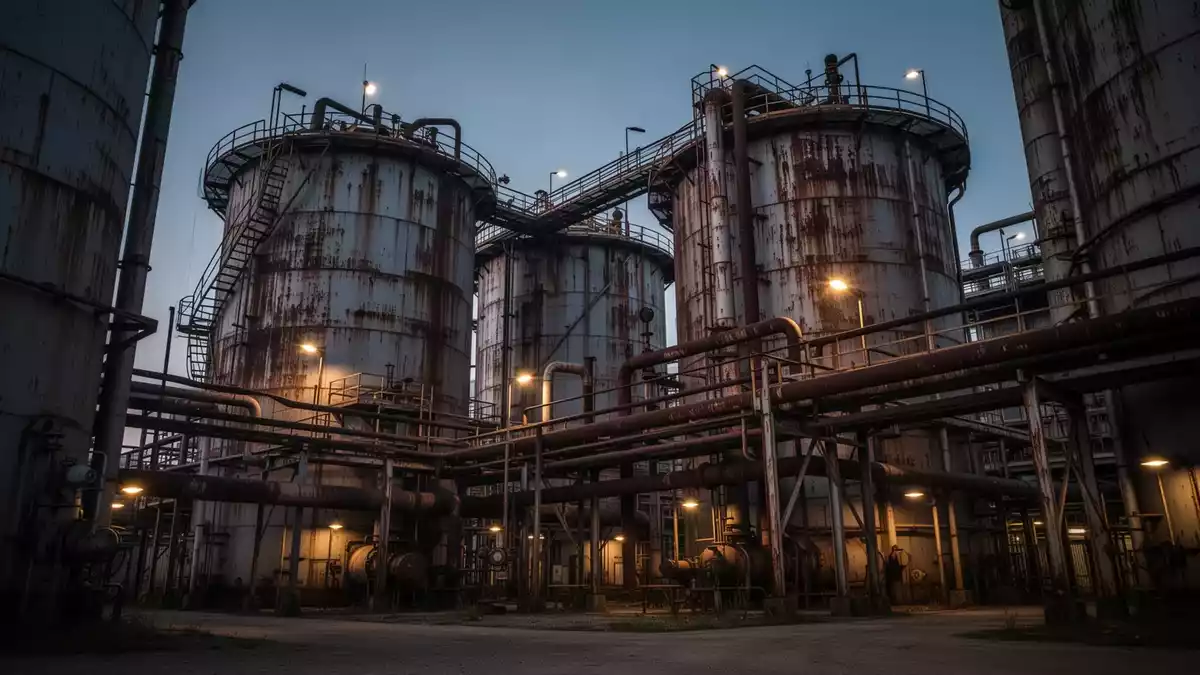
Federal investigators have confirmed that the operator of a Washington state paper mill was aware of critical structural degradation months before a storage tank collapsed, killing 11 workers. The findings raise serious questions about workplace safety protocols that UK employers should note, particularly around the handling of known equipment failures.
Warnings Ignored for Months Before Fatal Collapse
The U.S. Chemical Safety Board (CSB) reported that an inspection in July 2025 had already designated the facility's G Tank as unfit for continued service. Investigators found that the tank shell had thinned below minimum safety limits, creating a high likelihood of failure.
Despite subsequent inspections in October 2025 and February 2026 that confirmed the degradation, the tank remained in operation for approximately 10 months without being repaired or removed from service. The eventual failure on May 26, 2026, released roughly 900,000 gallons of hot caustic white liquor, resulting in 11 fatalities and three injuries.
CSB Chair Steve Owens expressed significant concern over the interim findings, noting that the mill did not reduce operations despite the warnings. A final report from the board is expected in the spring of 2027.
This case is a stark reminder that documenting known risks is only half the battle — acting on them is what keeps workers safe. A free toolkit with 41 ready-to-use templates and checklists can help you build a risk management system that flags hazards before they become tragedies. Download the free Risk Assessment Toolkit
Workers Knew the Site Was Dangerous
New testimony from the fiancée of Norman Barlow, one of the workers killed in the collapse, indicates that employees were aware of the hazardous conditions. According to Patti Craff, Barlow considered the site dangerous and had scheduled a job interview to leave the company shortly before the accident occurred.
In response to the incident, legal action has commenced in Cowlitz County Superior Court. The mother of two workers killed in the spill filed a wrongful death lawsuit against Nippon Dynawave and Nippon Paper Industries, alleging negligence and seeking damages for pain and suffering.
Los Angeles Warehouse Cleanup Enters Final Phase
In Southern California, efforts to address the aftermath of a major industrial fire have reached a milestone. The South Coast Air Quality Management District (AQMD) confirmed on Saturday that the removal of bulk food waste from the Lineage Logistics warehouse in Boyle Heights is complete.
The facility had been the site of a fire on June 17, which left approximately 85 million pounds of food to rot. The resulting odors led to more than 4,900 complaints from local residents and prompted $600,000 in citations against the company.
Lineage Logistics expects the total cleanup to cost more than $100 million and require over 100,000 labor hours. A final seven-day cleanup period is now underway to resolve the remaining site issues.
Industrial fires like this one show why fire safety planning can't be an afterthought. A comprehensive fire safety toolkit — with risk assessments, evacuation plans and extinguisher training materials — helps you meet UK regulations and protect your premises before an incident occurs. Get the free Fire Safety Toolkit
Investigations into Chemical Exposure and Protocol
Safety regulators and hazmat teams have been active at several other high-profile sites in recent days:
- Massachusetts Institute of Technology: On August 26, Building 18 at MIT was closed for decontamination after a graduate student claimed to have synthesized dimethyl mercury. The university later questioned the claim after initial blood tests showed no mercury exposure. The student, who was not authorized to work with the deadly compound, remains under medical supervision.
- Massachusetts General Hospital: On August 30, the Boston Fire Department's hazmat team responded to a chemical exposure involving a patient. While the patient received treatment, hospital officials reported no interruption to general patient care.
- Poe Hall Demolition: North Carolina labor officials issued demands to demolition contractors on August 21, seeking verification of safety protocols. The inquiry follows complaints that workers were seen without protective gear during the demolition of a building previously closed for PCB contamination.
Additionally, a judicial commission in Karachi released a 78-page report regarding the January 17 fire at Gul Plaza, which killed 80 people. The report cited systemic failures, including a lack of electrical inspections and a delayed emergency response that missed the critical rescue window.


