Vulcan Energy Breaks Ground at Landau as Lionheart Enters Civil Construction Phase
Published on 11/16/2026 at 09:01 | Editorial boerse-global.de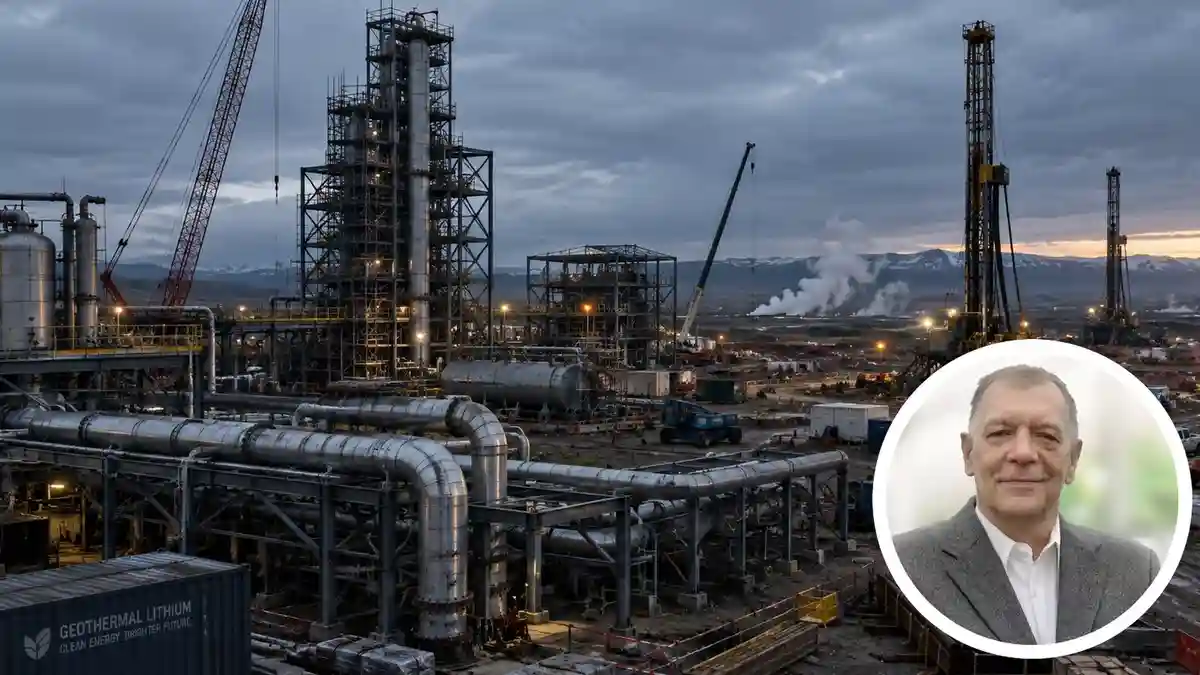
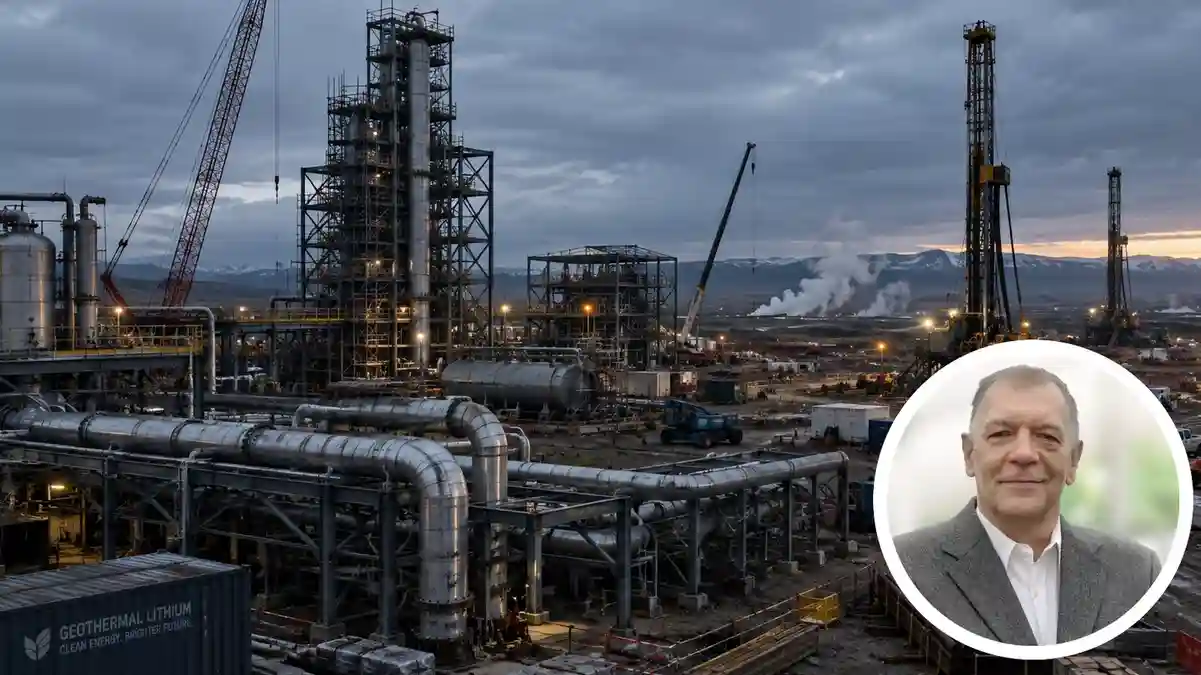
Vulcan Energy has kicked off civil construction at the commercial lithium extraction plant for its Lionheart project in Germany, a milestone that shifts the company's flagship development from planning into physical build-out. The first production remains targeted for the second half of 2028, and management says the project is still tracking both schedule and budget.
Shares fell 3.8% on Friday, a reminder that ground-level progress does not insulate the stock from broader market mood.
Foundations, Roads and Drainage Take Centre Stage
The start of civil works follows extensive earthworks that had already been completed on site. The current phase covers foundations and concrete structures, along with access roads and drainage systems — the groundwork on which the buildings and process equipment will eventually sit. Once these are in place, Vulcan moves on to erecting the plant buildings and installing the processing units.
That sequence matters because the extraction facility at Landau is only one link in the chain. VULSORB technology will be used there to pull lithium chloride from geothermal brine, but the conversion into battery-grade lithium hydroxide is slated for Frankfurt-Höchst. Progress at one site alone will not deliver a saleable product; the two processing steps have to work in tandem.
Should investors sell immediately? Or is it worth buying Vulcan Energy?
Drilling Programme Runs in Parallel
While civil crews mobilise in Landau, Vulcan is also pushing ahead on the drilling side. On 10 November the company began relocating its second heavy-duty rig — designated V10 — to the Trappelberg drilling site. According to the company, the rig will support parallel execution of the Lionheart drilling programme. Vulcan has invested roughly EUR 51 million in its two rigs, a figure that relates to the drilling equipment and not to the construction work now under way at the extraction plant.
Funding Is Secured, Execution Is the Test
The financial backdrop was locked in before the first foundation was poured. A EUR 2.2 billion financing package was secured in December 2025, with financial close following in May 2026, as reported by OilPrice. That removes the immediate question of how the build gets paid for and puts the spotlight squarely on delivery.
At full tilt, Lionheart is designed to produce 24,000 tonnes of lithium hydroxide monohydrate annually — enough, by the company's own estimate, for roughly 500,000 electric vehicle batteries. Take-or-pay offtake agreements are in place for the lithium. The project also carries a renewable energy dimension: 275 GWh of electricity and 560 GWh of heat per year are planned over an estimated 30-year project life. All of these remain targets rather than achieved output until the plant is built and commissioned.
A Stake Disclosure With a Technical Footnote
Separately, Citigroup published a change to its reported relevant holding in Vulcan on Thursday. The mandatory disclosure attributes the shift to securities lending transactions and standard market contracts in the ordinary course of business. The higher reported percentage therefore does not represent a straightforward net purchase of shares on the open market and should not be read as an outright build-up of a position through exchange trades.
What Investors Should Watch Next
The company's assertion that Lionheart remains on time and on budget is the benchmark against which coming milestones will be judged — not a guarantee of how the rest of the build unfolds. The next tangible operational checkpoint is the handover from civil works to building erection and process plant installation. Beyond that, first production in the second half of 2028 stays the anchor date.
Vulcan Energy at a turning point? This analysis reveals what investors need to know now.
Delays or cost overruns would force Vulcan to re-measure its schedule claims, and a slip in first production would push expected deliveries further out; offtake contracts cannot substitute for a plant that is ready to run. The broader commodity tape adds a second layer of risk. Reuters reported weaker Australian mining stocks on Friday amid softening copper and iron ore prices — no evidence of deterioration at Lionheart, but a reminder that company-specific progress can land in an unreceptive market. Construction execution and raw-material sentiment deserve to be assessed on separate tracks.
For holders, the value of Friday's announcement lies less in the restatement of the production target than in the fact that another chunk of physical work has moved from plan to site. Whether that translates into a credible production story depends on the phases still to come.
Ad
Vulcan Energy Stock: New Analysis - 16 November
Fresh Vulcan Energy information released. What's the impact for investors? Our latest independent report examines recent figures and market trends.