Vulcan Energy: A Well Test Above Plan, an Adsorbent Batch, and a Custody Filing That Isn't a Purchase
Published on 10/22/2026 at 16:31 | Editorial boerse-global.de
Vulcan Energy has nudged two separate preconditions for its Lionheart project forward — the manufacture of the lithium extraction material and the field-testing of a well — while a fresh voting-rights disclosure from Citigroup landed on the same day. The three items sit on different levels of the story, and treating any one of them as proof that the project is further along than it is would be a mistake.
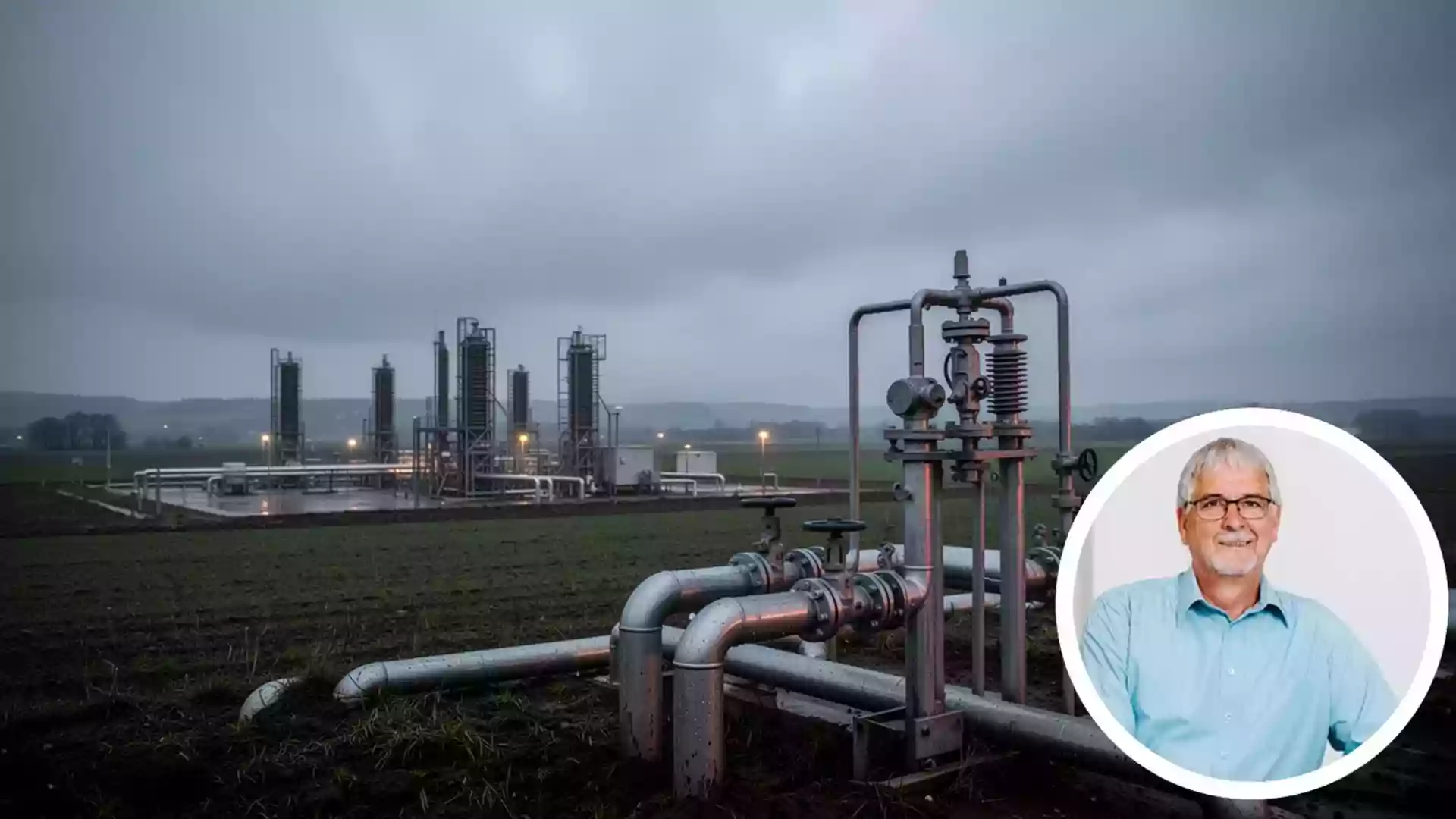
Start with the well. Roughly a week ago, the company reported a successful reinjection test at LSC-3a, the seventh of 28 planned Lionheart wells. Brine was returned into the sandstone matrix of the reservoir, and under the planned operating conditions the estimated matrix injection capacity came out at about 64 standard litres per second. The Lionheart development plan assumes roughly 40 standard litres per second. So the test does more than confirm that reinjection works at all — it points to headroom over the assumption the plan was built on.
Vulcan reads the result as confirmation of a central planning assumption, and says it reduces uncertainty about the subsurface and strengthens confidence in the field development plan. The company also flags that the outcome supports the base production scenario and could open the door to further optimisation. That caveat matters: potential is not a signed-off improvement to the development plan. The hard gain, for now, is that a specific technical assumption has been backed by a test. And the higher capacity figure speaks to one technical approach within the project, not to its full future operation.
The second thread is the adsorbent. About two weeks ago, Vulcan began commercial-scale production of VULSORB, its lithium adsorption material, in Germany. The first volumes are earmarked for the initial fill of Lionheart's extraction columns. Commissioning of those columns is still slated for the second half of 2028. Making the material is a preparation step; it does not mean Lionheart has started operating. Material production and the planned start-up belong to different stages of the project.
Should investors sell immediately? Or is it worth buying Vulcan Energy?
The two announcements complement each other without covering the same ground. The well test yields knowledge about the reservoir; the adsorbent output prepares the loading of the extraction columns. Neither should be equated with Lionheart running at production.
Then there is the Citigroup filing, published today, which needs a different kind of reading. The reported voting-rights share rose from 8.1917% to 9.6615%. According to the mandatory disclosure, the changes in the relevant holdings interests included securities lending transactions and market transactions. The increase therefore cannot be read across the board as a straight share purchase or as an unambiguous vote of confidence. The notice describes a change in the ownership structure, not an assessment of the technical results.
For investors, the distinction is clean. Lionheart's technical foundation has picked up support from the well test, with possible optimisation remaining a prospect rather than a commitment. The voting-rights disclosure adds information about who holds what, but no extra evidence of project success.
Vulcan Energy at a turning point? This analysis reveals what investors need to know now.
The next scheduled checkpoint is the September quarterly report, announced for 28 October. Until then, the discipline that matters is the same one the company itself keeps stressing: separate the individual milestones reached — a batch of adsorbent, a well that beat its blueprint — from the full operation still to come.
Ad
Vulcan Energy Stock: New Analysis - 22 October
Fresh Vulcan Energy information released. What's the impact for investors? Our latest independent report examines recent figures and market trends.