Vulcan Energy: A 5.7% Lithium Selloff, a 5.38% Custody Filing, and a Well Test That Beat Its Own Blueprint
Published on 10/23/2026 at 12:31 | Editorial boerse-global.de
Vulcan Energy shares fell 5.7% on Wednesday, caught in a broad selloff across Australian lithium names — a move that has nothing to do with the two bank stake disclosures landing on the same trading day, and even less to do with the reservoir test the company reported last week.
The distinction matters, because three separate storylines are being read as one. Sector sentiment soured on reports that the EU will cap Chinese hybrid vehicle imports at 350,000 units a year, with Chinese lithium carbonate futures adding a 2.1% decline on top. That is the backdrop for the price drop, not a company-specific trigger; coverage places Vulcan within the affected lithium group without drawing an explicit link between the import cap and its share move. A weak tape is not a fresh negative announcement, and a stake filing does not refute demand worries. The two sit on different levels of the investment case.
What the JPMorgan and Citigroup filings actually say
JPMorgan Chase & Co. disclosed a major holding in Vulcan Energy for the first time, reporting a 5.38% voting rights share. According to the notification, the threshold was crossed on Tuesday. The filing also covers interests arising from securities lending and proprietary trading positions, which means the disclosed percentage cannot be read as a straightforward long-term purchase of stock — still less as an endorsement of Vulcan's business prospects.
Citigroup's disclosure follows the same pattern. Its voting rights share rose from 8.1917% to 9.6615%, with the notification citing securities lending and market transactions. Extrapolating an active wager on Vulcan's commercial success from that alone would be a stretch.
Neither filing is a negative verdict on the banks or on Vulcan. What it describes is the scope of voting rights and their legal allocation — not a net acquisition of ordinary shares. Taken on their own, the two disclosures provide no reliable counterweight to the gloomy sector mood, and a prominent name on a filing is no substitute for project analysis or an explicitly stated view on the company's prospects.
Should investors sell immediately? Or is it worth buying Vulcan Energy?
The harder evidence sits underground
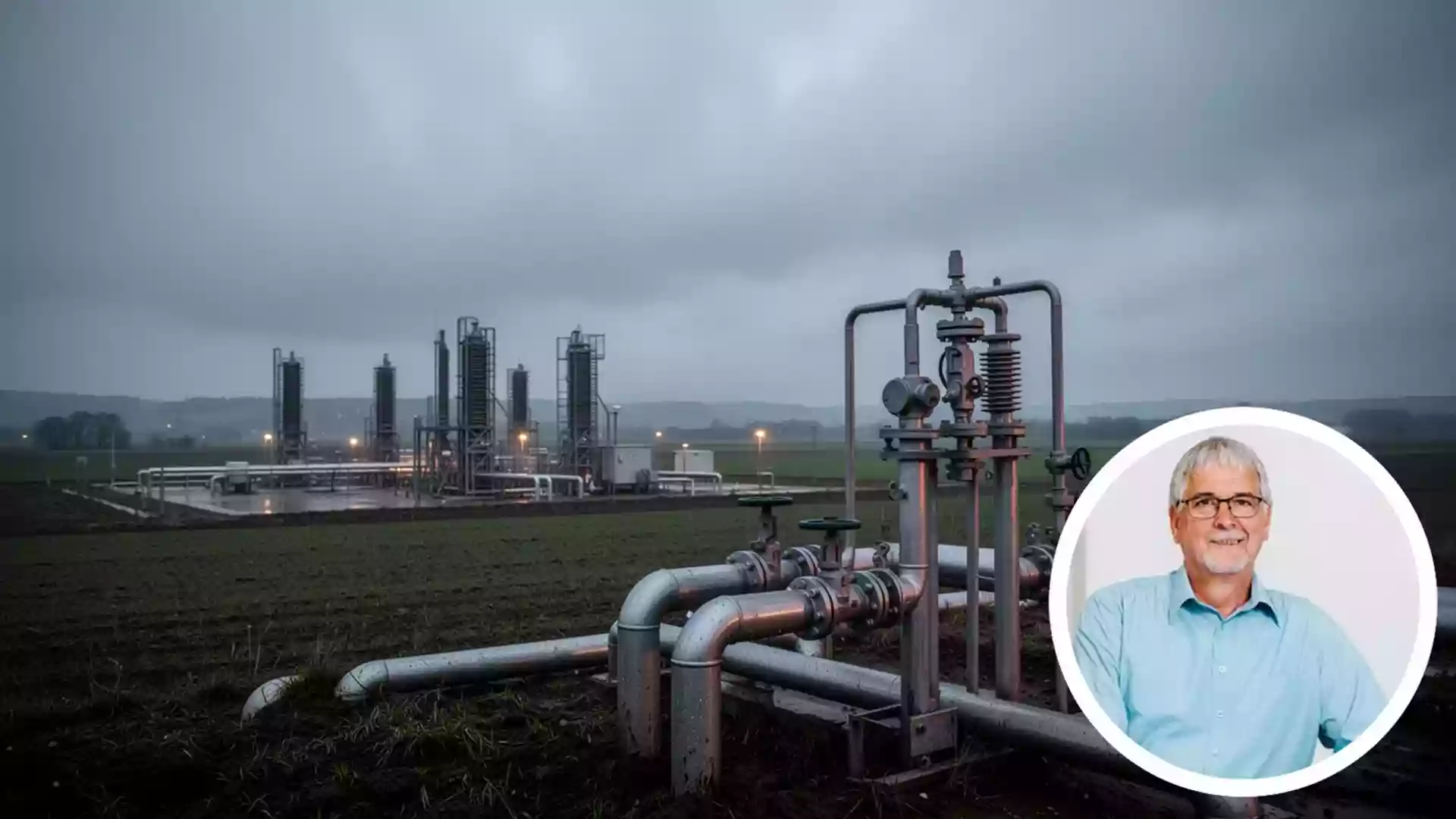
More telling, arguably, is last week's reinjection test. Vulcan put the estimated matrix injection capacity under planned operating conditions at around 64 standard litres per second, against roughly 40 standard litres per second originally assumed for the injection wells at its Lionheart project.
The test speaks directly to a concrete development assumption. Per the company, the result confirms a key component of the base case and reduces subsurface uncertainty — tangible progress of a different order than a shift in a reported voting position. The scope of the claim deserves care, though: a successful test supports specific project assumptions; it does not prove that every subsequent development step will unfold the same way. Keeping that line intact is what makes a positive reading defensible — the advance does not need to be declared a comprehensive success to be economically relevant.
Findings are also to feed into planning for the LSC-4 and LSC-5 wells. That, really, is where the news carries value: the data can support further development in practical terms. Whether it translates into additional efficiency has yet to be shown.
A batch of adsorbent, and a date to circle
Another building block came roughly two weeks ago, when Vulcan reported commercial production in Germany of VULSORB, its proprietary lithium extraction material. The output serves first-fill volumes ahead of the planned start-up of Lionheart in the second half of 2028. The caveat belongs in the assessment here too: producing the material is a preparatory step, while commissioning the project remains a scheduled event. The two should be neither conflated nor played off against each other.
Meanwhile, the company has announced its September quarterly report for 28 October — the next scheduled occasion for company-specific disclosure.
Until then, the key separation holds. The weak lithium environment supplies context for the selling pressure. The bank filings document stake interests resting on differing legal foundations. Reading them as a clear buy signal would claim more than they can prove. Vulcan's more persuasive arguments are the verifiable development steps — not the lustre of big bank names.
Ad
Vulcan Energy Stock: New Analysis - 23 October
Fresh Vulcan Energy information released. What's the impact for investors? Our latest independent report examines recent figures and market trends.