Volatus Aerospace's Summer of Alliances Faces Its Sternest Test: The Supply Chain
Published on 09/02/2026 at 16:32 | Editorial boerse-global.de
There is a peculiar tension at the heart of Volatus Aerospace's current chapter. The Canadian drone and aerial intelligence firm is signing partnership agreements at a pace that suggests momentum, yet its share price tells a more cautious story. The gap between strategic ambition and operational delivery has rarely been wider.
A Flurry of Deals Points to a New Identity
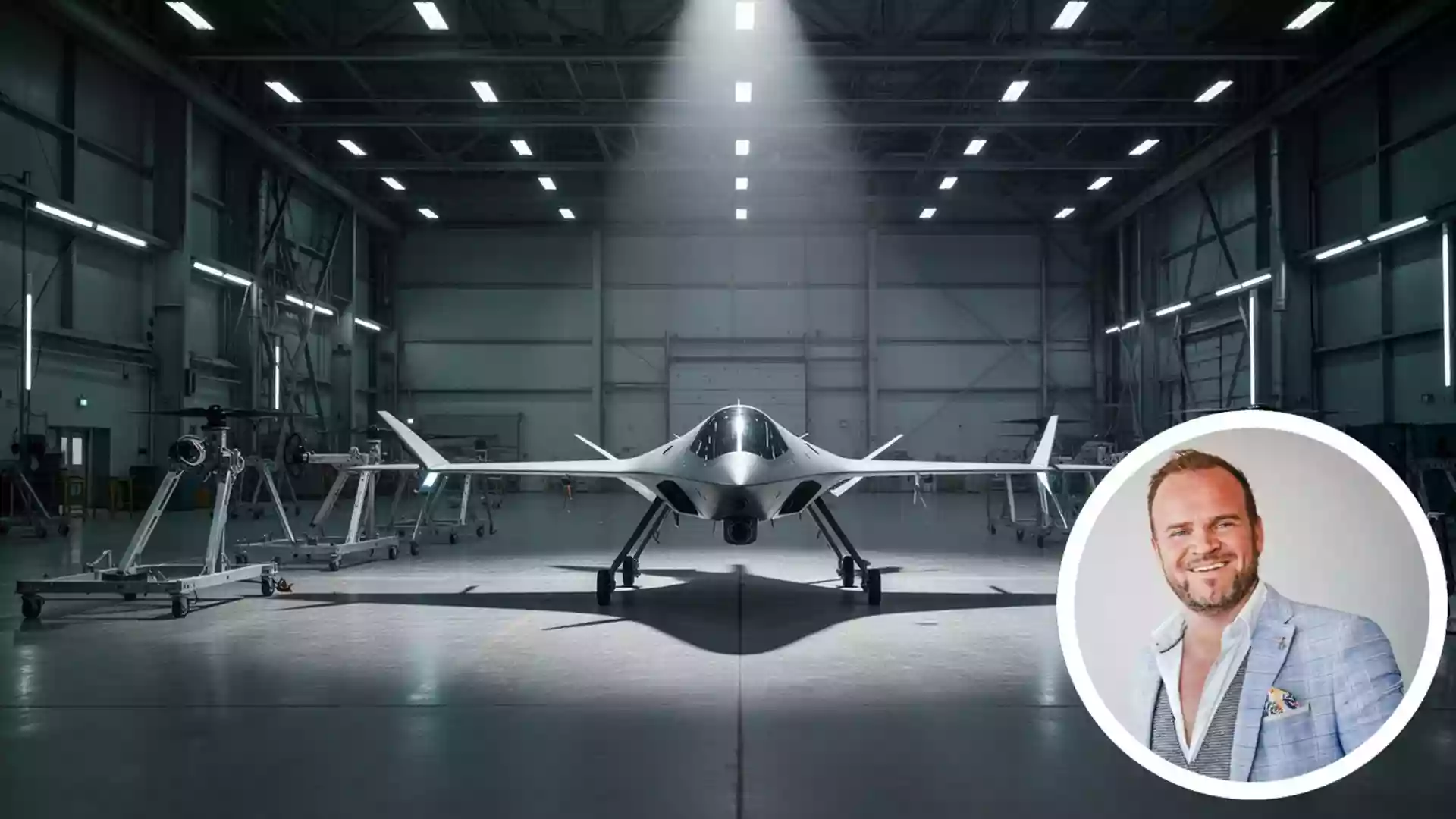
The company's August activity reads like a checklist for a company in transition. A strategic alliance with Spain's Singular Aircraft S.L. grants Volatus Canadian rights to the FlyOx 1, an autonomous multi-purpose heavy-lift platform, with discussions underway about domestic manufacturing, systems integration, and long-term lifecycle support. Days later came a separate agreement with Kraus Hamdani Aerospace covering the K1000ULE long-range reconnaissance system and its ATNE++ communications architecture.
Both deals share a common thread: the phased establishment of Canadian production at the company's new facility in Mirabel, near Montreal. That 53,000-square-foot manufacturing and integration hangar, opened in June, now serves as the physical foundation for what appears to be a deliberate strategic shift. Volatus is moving away from its roots as a pure drone services operator toward something more defensible — a systems integrator that imports foreign technology, manufactures it locally, and supports it across its entire lifecycle.
The company has also been active on the regulatory and defense fronts. Transport Canada issued a Letter of Acceptance for the Canary system under the new Pre-Validated Declaration process in early August, a designation that unlocks procurement opportunities previously closed to the company. Meanwhile, Volatus has advanced to phase two of the US SOCOM program for modular combat drones and has completed its submission for the Canadian Defence Drone Initiative, with a first qualified supplier list expected in early September.
The Numbers Tell a Different Story
For all the strategic noise, the financial reality remains sobering. When Volatus reported its second-quarter results just over a week ago, revenue fell well short of expectations. The culprit: a single defense order worth approximately C$2.6 million that could not be delivered during the quarter due to persistent supply chain disruptions. Management specifically identified batteries and motors as the bottleneck.
Should investors sell immediately? Or is it worth buying Volatus Aerospace?
The market's response has been muted but telling. The stock has slipped 3.9 percent since the earnings release and continues to trade below its 50-day moving average of EUR 0.3255. At last check, shares were changing hands at EUR 0.2960, down 2.9 percent on the day. Over a longer horizon, the picture is starker still: the stock sits roughly 45 percent below its 52-week high and about 21 percent below its 200-day average.
Yet the balance sheet offers a counterpoint to the operational friction. Volatus closed the quarter with what management describes as the strongest liquidity position in company history — roughly C$59.2 million in cash and working capital of around C$63.8 million. Equipment and service deliveries also grew significantly on a quarter-over-quarter basis. The company, in other words, has the financial runway to wait out its supply chain problems. The question is whether investors share that patience.
The Cost of Ambition
The second-quarter figures also reveal the price of this expansion. Adjusted EBITDA losses widened to C$4.35 million, a substantial jump from the C$0.3 million loss recorded in the same period last year. Investments are currently running ahead of revenue recognition, a pattern that is hardly unusual for a company in Volatus's position but one that demands scrutiny nonetheless.
There is also a broader lesson embedded in Volatus's current predicament. The drone and autonomous aviation sector is growing faster than its supplier base can keep pace. Batteries and motors are not exotic components — they are the most heavily demanded parts of an entire industry, spanning civil wildfire detection to defense applications. A company attempting to bring multiple international platforms into Canada simultaneously, as Volatus is doing, amplifies that risk rather than solving it.
What Comes Next
The immediate catalyst appears to be the early September supplier list for the Canadian Defence Drone Initiative. That designation could open the door to contracts that would validate the strategic pivot in a way that partnership announcements alone cannot. The delayed defense delivery from August also bears watching — whether it is actually fulfilled in the coming months will say much about the state of the company's supply chain.
For now, Volatus remains a study in competing forces. The partnership pipeline is robust, the regulatory groundwork is laid, and the cash position provides breathing room. But the physical supply chain has yet to cooperate, and the market is withholding judgment until it does. With annualized volatility running at 60 percent, this remains a speculative bet — but one backed by enough financial firepower to play out over time.
Ad
Volatus Aerospace Stock: New Analysis - 2 September
Fresh Volatus Aerospace information released. What's the impact for investors? Our latest independent report examines recent figures and market trends.