
Volatus Aerospace: A Small-Cap Pivot That Puts Ottawa at the Center of the Story
Published on 09/01/2026 at 16:03 | Editorial boerse-global.de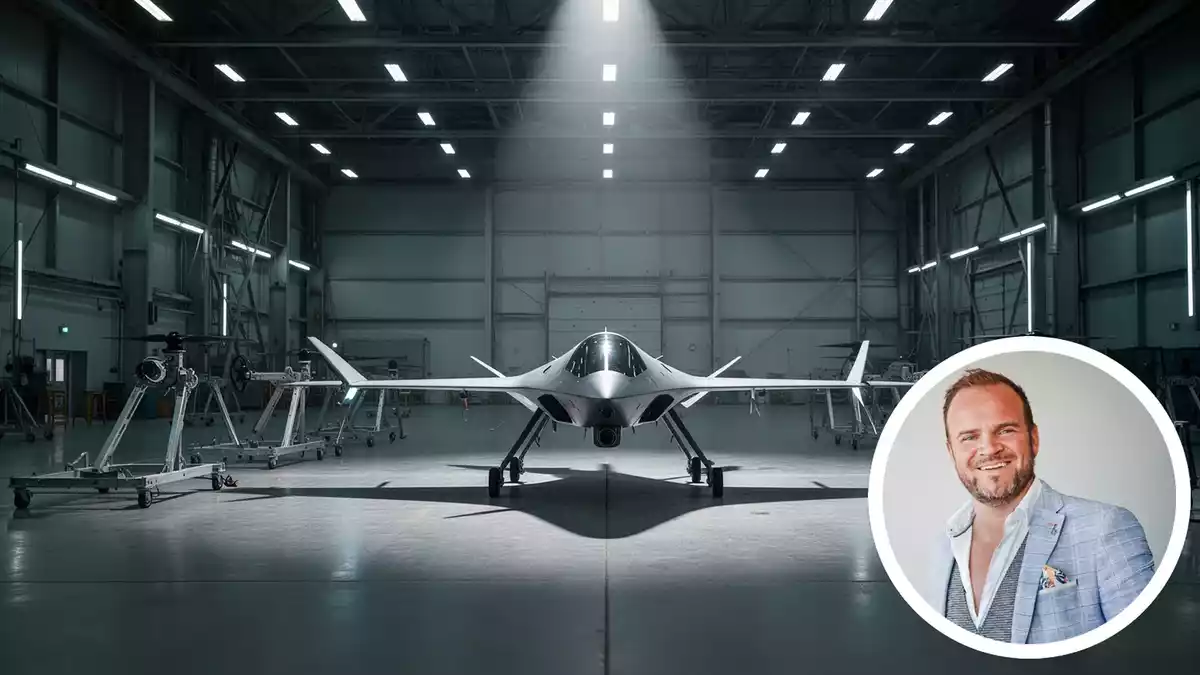
There are two ways to read Volatus Aerospace's recent run of news. One is through the lens of the quarterly report — and that picture is admittedly messy. The other is through the slow, deliberate repositioning of a company that appears to be betting its future on Canada's defense ambitions. For investors, the question is which lens matters more.
The market, for now, has chosen the former. Shares closed Monday at €0.3060, roughly 45% below the 52-week high of €0.5550 hit in March, and the stock has since ticked up 3.1% as the market digested last Thursday's earnings. At a market capitalization of around €222 million, Volatus remains a small-cap story — but one that is increasingly hard to categorize.
A Factory Built for a Defense Boom
The most tangible piece of the transformation sits at Montreal-Mirabel Airport, where Volatus opened a 53,000-square-foot manufacturing and systems integration facility in June. The company says the plant is designed for annual production capacity of up to C$250 million in autonomous drones and docking stations. That is not an incremental expansion; it is a statement of intent.
The timing is hardly coincidental. Canada has been wrestling with how dependent it should remain on foreign suppliers for critical defense and surveillance technology. Volatus is positioning itself as the homegrown answer — a domestic manufacturer capable of building aircraft and autonomous systems on Canadian soil rather than importing them.
That positioning gained formal recognition on August 30, when Volatus was named among more than 100 firms admitted to the qualified supplier pool for Canada's Defence Drone Initiative (DDI), just as the first requests for proposals were being issued. The list includes established defense names like CAE Inc. and Airbus Helicopters Canada — company that, on paper, Volatus has no business keeping. That it does is remarkable for a firm of this size.
The Software Bet Behind the Hardware
The Mirabel facility is only half the story. Volatus has also unveiled the V-Cortex™, an AI flight controller and autonomy operating system designed to sit at the software layer of autonomous flight. The logic is straightforward: hardware can be commoditized, but the operating system that controls the aircraft makes a supplier far harder to replace.
For a company of Volatus's scale, that is an ambitious bet. Whether it pays off depends on whether customers are willing to trust a young system over established alternatives.
The company is also working the regulatory angle. On August 24, Transport Canada granted Volatus approval for its Canary flight system under the new Pre-Validated Declaration process, permitting beyond-visual-line-of-sight flights over populated areas without external collision avoidance. That clearance is easy to underestimate — without it, drone programs remain theoretical exercises.
As Volatus navigates complex regulatory approvals, employers in other sectors face their own compliance hurdles. Many UK companies risk substantial fines simply because critical safety documents aren't in place. A free toolkit with 41 ready-to-use templates helps you document workplace risks properly and stay compliant. Download the free Risk Assessment Toolkit
The Operational Reality Check
None of this changes the fact that the current numbers are underwhelming. Revenue came in well below the prior-year figure, dragged down by a C$2.6 million defense order that slipped past the quarter-end due to supply chain delays in batteries and motors. The company expects to book that revenue in a later period.
The gross margin also softened, falling to 29.3% in the second quarter from 31.9% a year earlier, hit by an unfavorable product mix and higher fuel costs. On August 18, Volatus cut its 2026 revenue forecast from C$47.6 million to C$41.1 million — a reduction of 13.6%.
Maxim Group analyst Matthew Galinko responded by lowering his price target from C$1.25 to C$1.00 on the same day, while maintaining a "Buy" rating. His rationale was telling: the cut reflected supply chain timing issues, not skepticism about the long-term defense narrative.
That distinction captures the tension at the heart of this stock. The short-term picture is one of operational friction — delayed orders, compressed margins, a trimmed outlook. The longer view is of a company methodically inserting itself into what could become a major procurement cycle.
A Cash Position That Buys Time
What bridges the gap between those two realities is the balance sheet. Volatus is sitting on the highest cash position in its corporate history, with historically strong working capital. That gives management room to finance the manufacturing transition without immediately tapping external markets.
CEO Glen Lynch described the current phase as one of "positioning" — a characterization that fits both the infrastructure build-out and the regulatory groundwork. Canada's defense strategy aims to triple the domestic defense industry within a decade, and Volatus is clearly trying to be in the room when those contracts are awarded.
Insider behavior offers a mixed signal: according to a survey dated August 31, insiders hold roughly 30.84% of shares but have neither bought nor sold in the past three months. Not an alarm, but hardly a vote of confidence through fresh purchases.
The Story Still Needs a Second Chapter
What the market is waiting for is conversion — a firm delivery date from the Mirabel facility, or a binding contract emerging from the Kraus Hamdani Aerospace partnership announced in early August, which aims to build sovereign Canadian persistent surveillance capabilities with aircraft gradually manufactured at Mirabel. The company is in discussions with federal and provincial authorities, but nothing is signed yet.
With annualized volatility of 61%, this is not a stock for the faint-hearted. The strategic narrative is compelling, but it remains unproven. For now, Volatus trades on the quarterly logic of a company with supply chain headaches — not on the structural story of a manufacturer positioning itself at the center of Canada's defense autonomy debate.
The real question is not whether next quarter beats expectations. It is whether Canada converts its sovereignty discussions into actual procurement volume — and whether Volatus is ready when it does.


