
UK to Equalise Compensation for Families of Workers Killed by Silicosis and Asbestos
Published on 09/01/2026 at 05:47 | Editorial boerse-global.de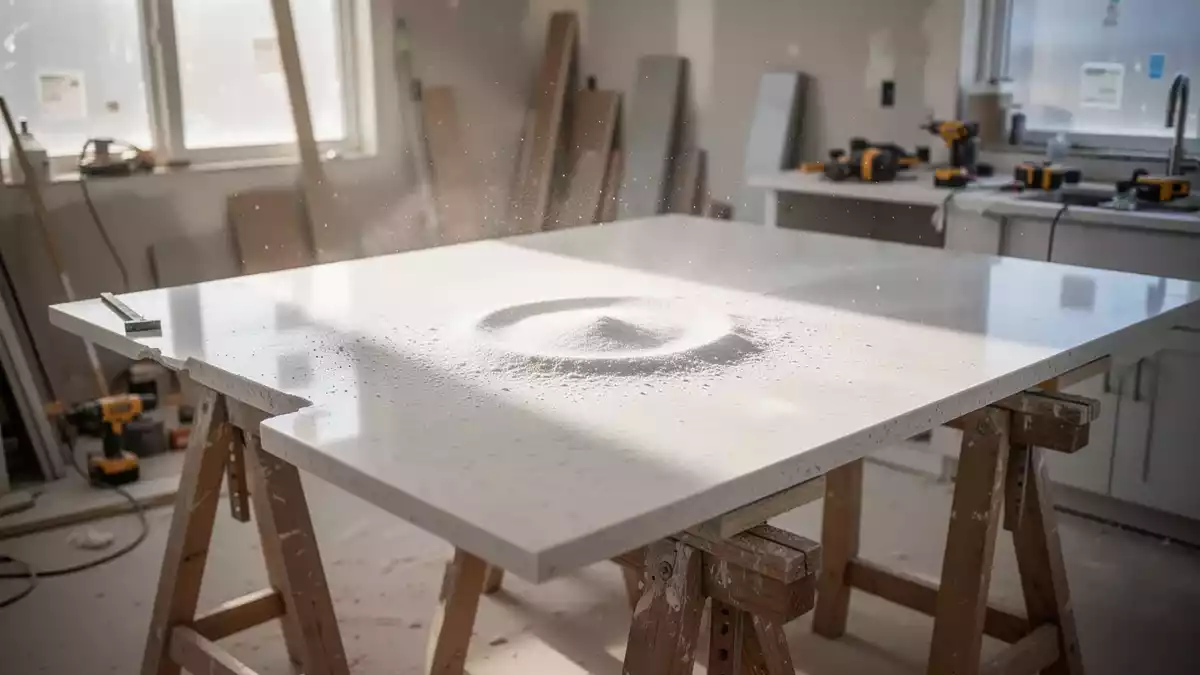
The UK government will lay legislation on Tuesday to ensure families of workers who died from silicosis or asbestos-related diseases receive the same compensation as living sufferers. The move closes a long-standing financial gap that has left bereaved dependants with significantly lower payouts than those diagnosed during their lifetimes.
Closing the Compensation Gap
Under the current system, bereaved families receive on average £7,000 less than living claimants. Data shows the average payout for sufferers is approximately £17,700, while families receive around £10,700.
The new legislation follows a campaign by the i Paper highlighting the impact of "killer kitchen dust" and will harmonise the two figures. The changes are expected to take effect on 31 October.
Compensation amounts vary significantly depending on the victim's age at diagnosis. For example, a worker diagnosed at 43 is entitled to between £40,034 and £107,691.
With compensation claims and regulatory scrutiny intensifying around workplace respiratory hazards, ensuring your risk assessments are watertight has never been more important. A free toolkit with 41 ready-to-use templates and checklists helps you document hazards properly and stay compliant. Download the free Risk Assessment Toolkit
Rising Concerns Over Silica and Asbestos Exposure
The legislative move comes amid increased international scrutiny of workplace respiratory hazards, particularly silica dust generated during the manufacture and installation of quartz kitchen countertops.
Recent legal and regulatory actions have highlighted the ongoing risks. In California, countertop worker Raul Mata Martinez filed a lawsuit on 10 August against manufacturers including Caesarstone USA and Colorquartz USA, alleging that silica exposure led to his diagnosis of silicosis and pulmonary fibrosis in early June.
In the United States, OSHA has cited General Shale Brick, operating as Watsontown Brick Company, with proposed penalties of $496,528. The citations involved multiple willful and serious violations, including failure to monitor exposure levels or provide medical examinations for workers exposed to silica dust above safe limits.
In the UK, the Department for Education reports that more than 80 percent of schools in England contain asbestos. Research indicates that approximately 12,600 former pupils and 1,400 teachers have died from related conditions since 1980.
Managing hazardous substances like silica and asbestos requires rigorous assessment and documentation. A free COSHH toolkit with 43 customisable templates and checklists helps you meet your legal duties for dangerous substances and avoid costly penalties. Get the free COSHH Toolkit
International Context and Workplace Safety
The challenge of managing hazardous dust is reflected in legal rulings and government actions globally. A court in Tokyo recently ordered four building material manufacturers to pay approximately 750 million yen to 74 victims of asbestos exposure, though the ruling was limited to indoor workers.
In New Zealand, trade-related asbestos deaths have remained steady at approximately 220 per year since 2022. While UK authorities are moving to strengthen compensation rights, other regions are facing debates over safety standards. The New Zealand government has moved to downgrade its Approved Code of Practice for asbestos to general guidance, a decision that has drawn attention from workplace safety advocates.
The UK's equalisation of payouts marks a shift in how the state recognises the impact of industrial diseases on families, ensuring that the death of a worker does not result in a reduced liability for the compensation system.


