UK councils ramp up enforcement as fly-tipping costs soar
Published on 07/30/2026 at 09:37 | Redaktion boerse-global.de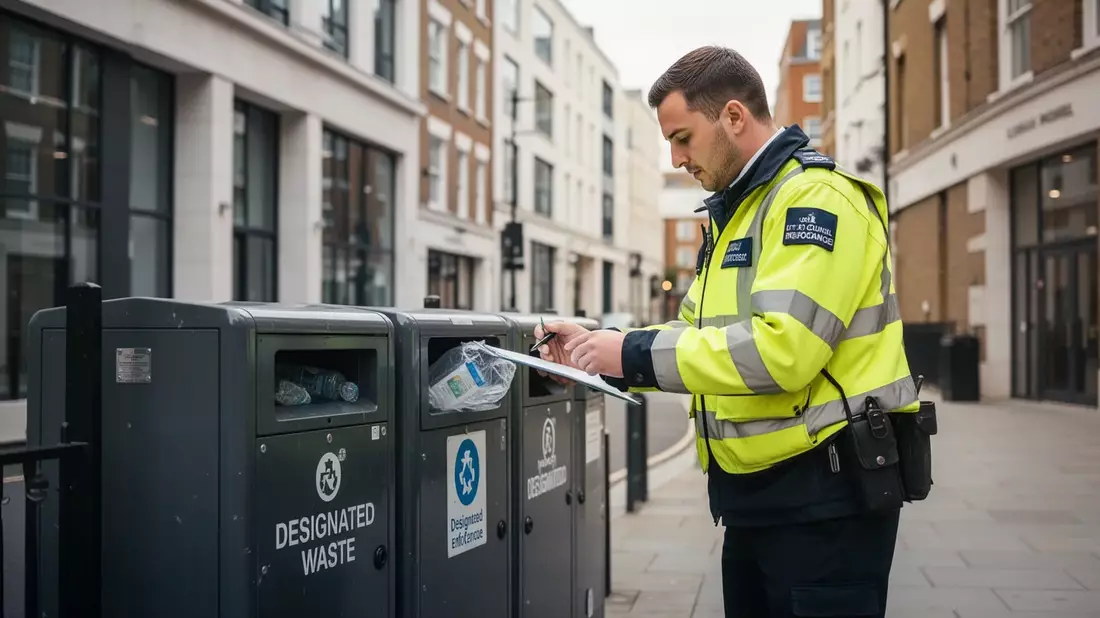
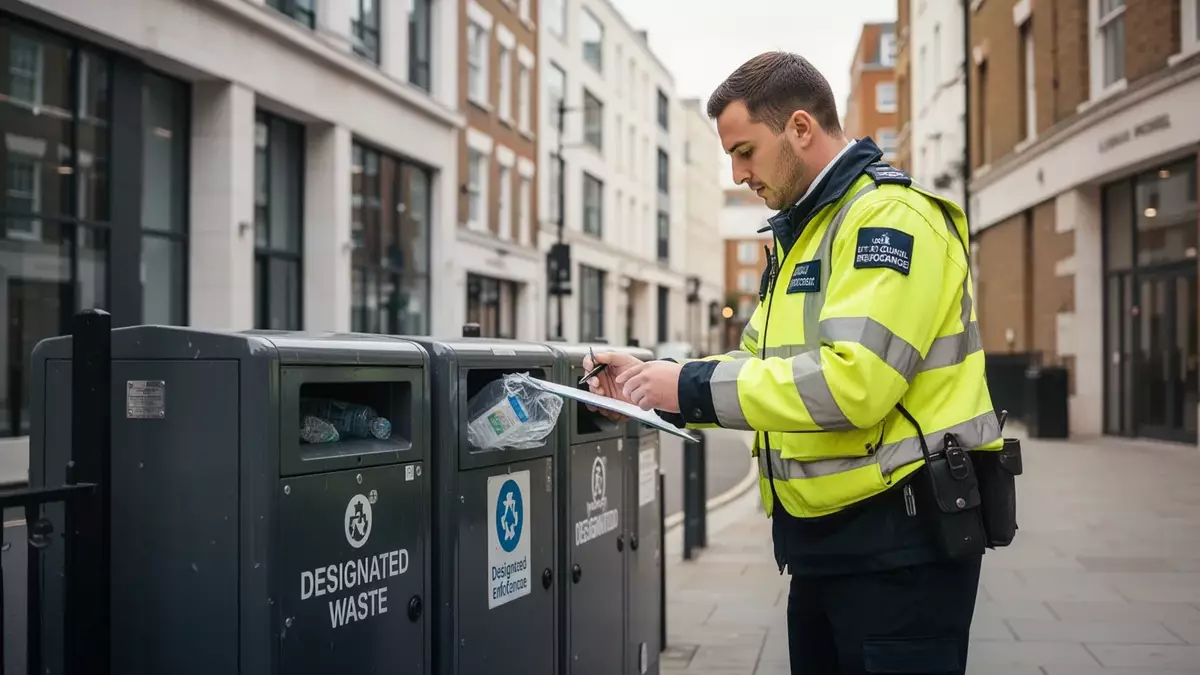
Local authorities across the United Kingdom are intensifying their battle against illegal waste dumping, deploying higher fines, specialist enforcement teams, and targeted clean-up operations to tackle a problem that continues to cost taxpayers millions.
Recent data from several regions suggests that stricter enforcement measures and increased financial penalties are beginning to make an impact on fly-tipping rates, though authorities warn that industrial-scale dumping remains a serious challenge.
Newport sees sharp decline in incidents
Newport has reported a 28.4% drop in fly-tipping incidents between April and June 2026 compared with the same period last year, part of a broader 20% reduction over the past two years. The council conducted 2,921 visits to known hotspots and issued 101 Fixed Penalty Notices (FPNs) for fly-tipping, alongside 85 for other waste-related offences.
Six court prosecutions were also brought, and 356 abandoned trolleys were removed from public spaces. Councillor Yvonne Forsey attributed the decline to targeted enforcement actions, saying the results showed what could be achieved through persistent monitoring and swift penalties.
£1,000 fines becoming the norm
Other councils are raising the financial stakes for offenders. Basildon Council recently increased its FPNs for fly-tipping to £1,000. In June 2026, the council secured four guilty outcomes under the Environmental Protection Act 1990 and issued four additional penalties for littering. Councillor Andrew Baggott warned that offenders now face a significant risk of a criminal record.
Warrington Borough Council issued a £1,000 fine to an individual caught dumping household waste on farmland near Croft after a witness identified the perpetrator. The case highlights the growing reliance on public reporting to support enforcement.
Industrial dumping costs exceed £500,000
While local enforcement targets individual offenders, authorities are also grappling with large-scale industrial waste. A major clean-up operation on the A14 near Woodford, Northamptonshire, took six months to complete after tyres and oil were dumped in late December 2025. The removal cost National Highways and the Environment Agency more than £500,000, requiring specialised equipment including oil booms and tankers.
In Peterlee, the Environment Agency is investigating the dumping of approximately 400 tonnes of industrial waste at the former Dewhirst site. Durham County Council is supporting the investigation as the landowner works to secure the premises against further incidents.
Specialist officers and technology deployed
Councils are increasingly adopting dedicated roles and new technology to manage waste offences. Burnley Council appointed a new Waste Enforcement Officer and reported 20 prosecutions in April 2026 for offences including fly-tipping and dog fouling, resulting in over £6,000 in fines. Between April and May, the council issued 103 FPNs and 41 legal notices.
In Peterborough — which recorded the highest rate of fly-tipping per head in the East of England in 2023-24 — a new motion has been proposed to create an online hub. Councillor Mark Ormston suggested the platform include ward-level data, clearance rates, and a "name-and-shame" section for convicted offenders to improve transparency.
Community action clears five tonnes of waste
Direct community action has also proven effective. A day of action on July 24, 2026, in Bury, involving the council, Greater Manchester Police, and fire services, resulted in the removal of more than five tonnes of waste from Baguley Crescent. This included nearly three tonnes of fly-tipped material and over two tonnes from residential bins.
Extreme cases and service changes
Recent weeks have seen several extreme cases of illegal dumping. In Claverley, near Bridgnorth, the carcasses of a headless horse and a foal were discovered on a bridleway over the weekend of July 25-26, 2026. The RSPCA is currently investigating the incident.
In Much Wenlock, Shropshire Council confirmed it would double bin collection frequency to twice a week following a public demonstration on July 25, 2026. The change followed an incident where Councillor Dan Thomas brought his own bin to a local market to highlight waste management concerns.
Birmingham invests £1.1 million in enforcement
Birmingham City Council has announced a £1.1 million investment to expand its enforcement team. The move comes after officials identified Rednal Road as a major hotspot, recording 44 separate fly-tipping incidents in the area. Under the new investment, Birmingham has also raised its FPN ceiling to £1,000.
Disclaimer regarding our articles: No investment advice, no buy or sell recommendation. Information on prices, companies, and markets is provided without guarantee; changes are possible at any time. Stock market transactions can lead to substantial losses. Our articles are created and reviewed in whole or in part automatically with the support of AI.