
Tioxide Materials Restarts Titanium Dioxide Plant in Hartlepool
Published on 08/20/2026 at 21:17 | Editorial boerse-global.de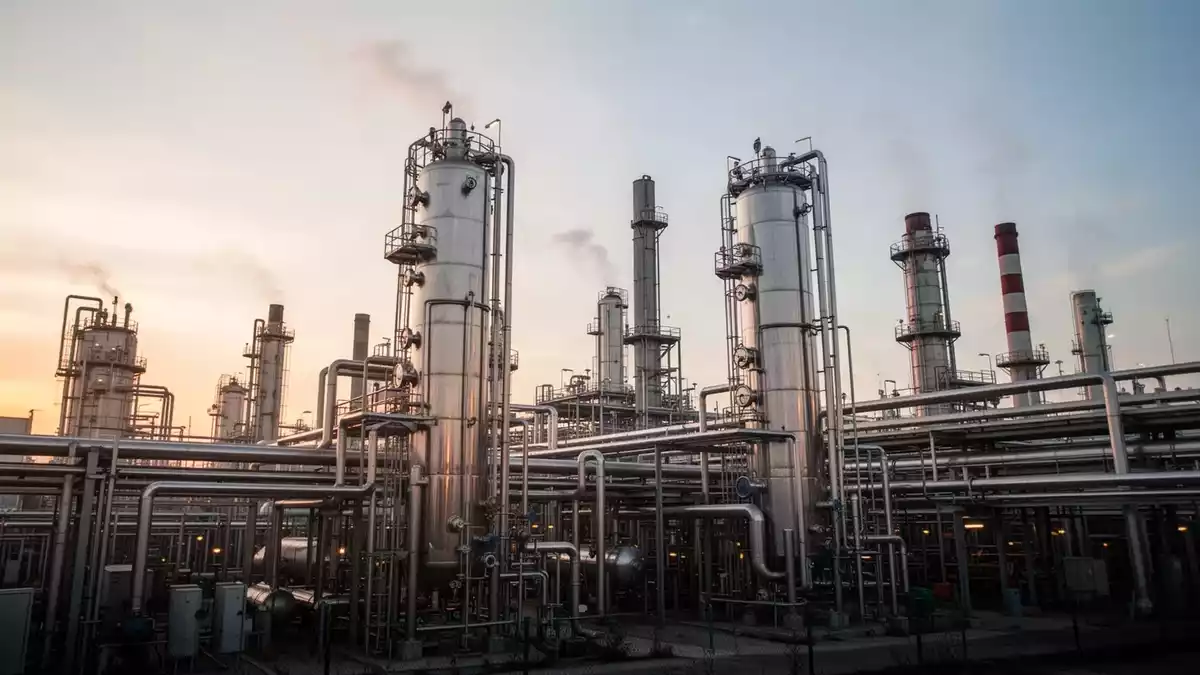
Tioxide Materials, a subsidiary of Chinese chemical giant LB Group, has resumed operations at its titanium dioxide (TiO2) production facility in Greatham, Hartlepool. The restart comes after the plant had been idle since the fourth quarter of 2025, and as the UK's Trade Remedies Authority (TRA) continues to investigate alleged dumping of Chinese TiO2 in the British market.
Production Restart and Capacity Goals
The recommissioning process at the Greatham site took four months before single-stream operations began this week. Tioxide Materials aims to reach full production capacity of 150,000 tonnes per year by early 2027, bringing the TIOXIDE and DELTIO pigment brands back to the market from a domestic UK source.
The facility's return follows a turbulent period for the site. More than 370 jobs were lost after the administration of its former operator, Venator, and the late-2025 idling left a gap in local production that LB Group is now working to fill.
Trade Investigation and Import Trends
The resumption of local manufacturing coincides with heightened trade tensions over TiO2 imports from China. Since June, the TRA has been investigating whether Chinese exporters are selling the material at unfairly low prices — a practice known as dumping.
Government data shows a sharp rise in the value of TiO2 imports into the UK, from £18 million in 2023 to £25 million in 2024. These figures have raised concerns among domestic stakeholders about the impact of cheaper foreign imports on the local industrial base.
While trade disputes play out on a global stage, workplace safety remains a local, day-to-day responsibility. Chemical production sites like this one face strict duties under the Health and Safety at Work Act 1974 — and getting the paperwork wrong can be costly. A free toolkit provides ready-to-use risk assessments and checklists that help you stay compliant without the hassle. Download the free Health & Safety at Work Act Toolkit
The UK is not alone in its regulatory focus. In the European Union, a majority of member states recently approved long-term anti-dumping duties on Chinese TiO2 imports, set to take effect on January 11. While some industry associations have warned that such tariffs could disrupt the European coatings market, 15 EU countries backed the measures to protect local producers from market distortion.
Global Pressures and Rising Costs
The Greatham restart comes as Chinese TiO2 manufacturers face severe margin compression at home. In the first half of 2026, the Chinese industry implemented its fifth round of price increases, yet profitability has declined significantly due to surging raw material costs.
Sulfur, a critical input for the sulfate process of TiO2 production, recently surpassed 10,000 yuan per tonne — a 144% increase since the start of the year. Major players have felt the impact: LB Group reported a 72% year-on-year decline in net profit for the first quarter, while net profits for eight listed Chinese titanium dioxide companies fell by an average of 46.3% over the same period.
If your workplace handles hazardous substances, you already know how complex compliance can be. The COSHH regulations demand thorough risk assessments — and many businesses unknowingly fall short. A free toolkit with 43 customisable templates and checklists helps you identify dangerous substances and document your assessments properly. Get the free COSHH Toolkit
Despite these financial headwinds, Chinese export volumes continue to grow, with chloride-process TiO2 exports rising by 40%. The reactivation of the Greatham plant reflects LB Group's strategy to maintain its market position by leveraging an established manufacturing footprint within the UK.


