
Thyssenkrupp's Rally Builds on Three Fronts — But September Brings the Reckoning
Published on 09/07/2026 at 12:41 | Editorial boerse-global.de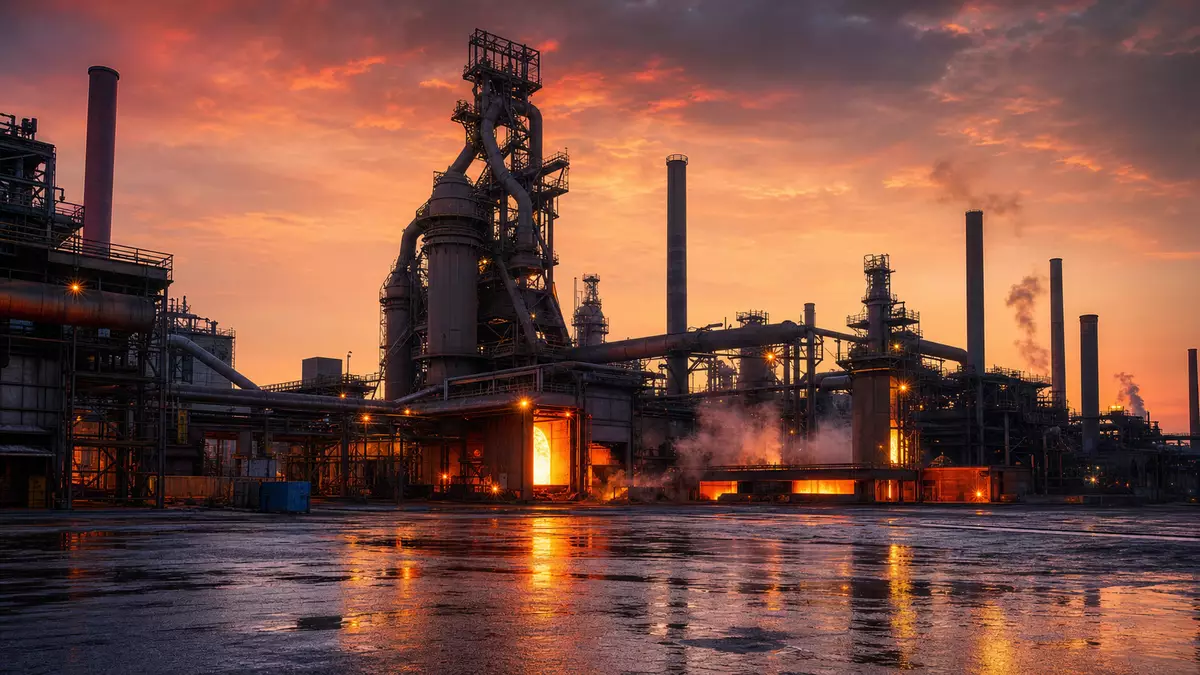
Shares in Thyssenkrupp have spent the summer climbing a wall of optimism, and the ascent shows no sign of losing momentum. The stock closed Friday at €15.20, up 6.0 percent on the day, leaving it just 0.7 percent shy of the 52-week high touched on September 4. Since the start of the year, the equity has gained 63 percent — a run that has pushed it comfortably above its 200-day moving average and handed long-suffering shareholders their best stretch in years.
The rally rests on three distinct pillars, each reinforcing the others. Brussels has thrown a protective shield around European steelmakers, Deutsche Bank has added fuel with a target-price hike, and the company's chief executive has suddenly become a prominent voice in continental energy politics. Whether that combination can survive contact with reality is the question investors will answer over the coming weeks.
A CEO With a New Platform
Miguel López, who took the helm of the Essen-based conglomerate in 2024, was elected president of Hydrogen Europe on July 29, a role that runs until June 2029. The appointment gives Thyssenkrupp a seat at the table where European hydrogen policy is shaped — a positioning that looks especially shrewd given what is happening back home in Duisburg.
The company is renegotiating the subsidy terms for its planned direct-reduction plant with both the German government and the European Commission. According to Reuters reporting from August 13, the original framework — which tied funding to hydrogen-powered operation from day one — is no longer considered realistic for the plant's initial phase. Management is seeking a more flexible model that would permit a greater reliance on natural gas during the ramp-up without automatically forfeiting state support.
The outcome matters enormously. The Duisburg facility is the centerpiece of Thyssenkrupp's green-steel strategy, and the economics of the entire transformation hinge on whether the funding conditions can be adjusted to match operational reality. A less prescriptive but still dependable framework could be the difference between a viable transition and one that bleeds cash.
Analyst Endorsement and a Technical Warning
Deutsche Bank Research lifted its price target on September 4 to €18 from €16, reaffirming a "Buy" recommendation. The bank's analysts pointed to structural tailwinds from EU trade protections on steel, arguing that steel prices carry upside surprise potential even as underlying demand remains soft. The timing was notable: the upgrade landed on the same day the stock touched its 52-week high.
Yet the chart tells a more cautious story. The relative strength index sits at 70.5, a level that technically flags the stock as overbought. For a share that has climbed 23 percent in 30 days, the risk of a short-term pullback is real — even if the fundamental narrative remains intact.
The Furnace That Isn't Running
While executives negotiate the future of steelmaking, the present requires maintenance. Thyssenkrupp Steel announced on September 1 that Blast Furnace 2 in Duisburg would be taken offline for roughly six weeks of scheduled maintenance and partial repair work. The company framed the shutdown as a planned measure aimed at improving the stability of crude iron production — operational continuity, in other words, even as the strategic conversation shifts toward the green-technology era.
When industrial operations involve complex maintenance schedules and hazardous processes, workplace risk assessments become critical for protecting employees and ensuring compliance. Many UK employers overlook gaps in their safety documentation until an incident occurs. A free toolkit with 41 ready-to-use templates and checklists helps you document risks systematically — covering fire safety, manual handling, first aid and lone working. Download the free Risk Assessment Toolkit
The juxtaposition is telling. One part of the business is being carefully wound down and modernized; another is being kept running through careful upkeep. Both require capital, both require patience, and both are now subject to forces beyond the company's control — from EU trade policy to the pace of Germany's energy transition.
What September 22 Will Decide
The real test arrives on September 22, when Thyssenkrupp hosts its capital markets day. Investors will be looking for concrete signals on strategic direction, particularly regarding the TKMS naval division, whose full order books have made it a recent value driver. More broadly, the market wants to know whether the steel tailwinds from Brussels translate into a credible full-year forecast — or whether the rally has simply outrun the fundamentals.
As heavy industry navigates operational transitions, maintaining rigorous health and safety standards is non-negotiable. Over 37,000 UK businesses use a free toolkit covering key regulations like the Health & Safety at Work Act, COSHH and PUWER to protect employees and visitors. Ready-to-use risk assessments and checklists help you stay compliant without hours of paperwork. Get the free Health & Safety Toolkit
For now, the stock trades at €15.45 in recent sessions, a hair below its 52-week high of €15.50. The 66 percent year-to-date gain has been driven by political momentum as much as by operational performance. The coming weeks will reveal whether that momentum can survive the scrutiny of a capital markets day — and whether the Duisburg subsidy talks produce a framework that makes the green-steel bet economically sound.


