
Thyssenkrupp's Green Steel Vision Collides With Auto-Parts Reality
Published on 09/25/2026 at 02:40 | Editorial boerse-global.de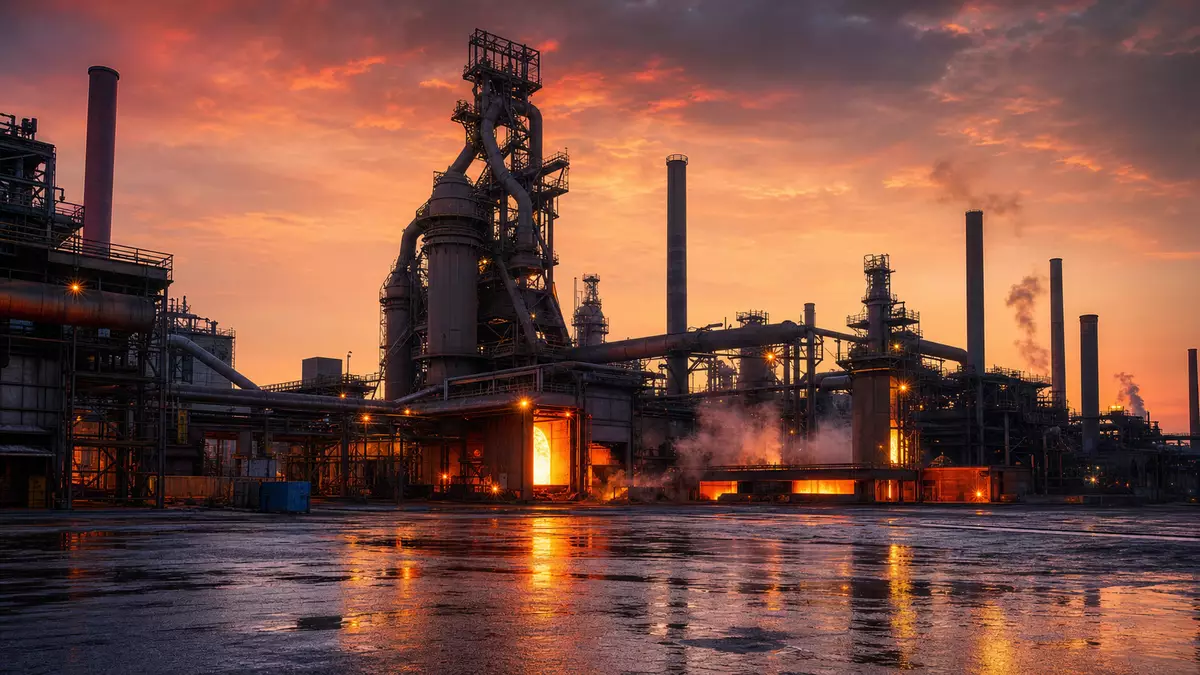
Thyssenkrupp is asking investors to hold two contradictory pictures in their heads at once. In Duisburg, the group is pressing ahead with a hydrogen-ready steelmaking project that ranks among the most ambitious industrial undertakings in Germany. At Bilstein, its automotive chassis subsidiary, up to 180 jobs are on the line — most of them in research and development.
That tension sits at the heart of the conglomerate's transformation, and it is beginning to test the market's recent enthusiasm.
The stock closed Wednesday at EUR 14.95. By early trading Thursday it had slipped 2.0% to EUR 14.66, down from the prior day's EUR 14.96 close. Even so, the shares remain close to their 52-week high of EUR 15.86, having climbed roughly 57% since the start of the year.
Duisburg Gets a Vote of Confidence
The long-term strategic case received a tangible boost this week when US engineering services firm Jacobs extended its contract to support construction of thyssenkrupp Steel's hydrogen-capable direct reduction plant in Duisburg. Jacobs has been involved since August 2023 and will continue to handle project, construction and assembly coordination as well as logistics planning.
Once completed, the facility is designed to churn out around 2.5 million tonnes of directly reduced iron annually, replacing coal-fired blast furnaces with a hydrogen-based process. Keeping such a technically demanding build on schedule matters for more than optics — it is a prerequisite for market confidence in the site's future viability.
Should investors sell immediately? Or is it worth buying Thyssenkrupp?
The news lands as investors increasingly evaluate Thyssenkrupp not as a single industrial bloc but as a sum of its parts. That "sum-of-the-parts" lens has gained traction as shareholders assess what individual divisions might be worth if separated, with the aim of narrowing the discount markets traditionally apply to diversified conglomerates.
Cuts at Bilstein Cut Deep
Against that forward-looking narrative, the automotive supply business is delivering a far grimmer message. Bilstein's sites in Ennepetal and Essen face the loss of as many as 180 positions, concentrated in development. When a supplier trims spending in engineering and weighs relocating work abroad, it signals something more than routine belt-tightening: sustained cost and margin pressure is forcing cuts at the core of the business.
The works council has described a deep erosion of trust, particularly after roughly 100 jobs were eliminated the previous year. Such disputes carry their own price — consuming time, money and management attention that the group would rather deploy elsewhere.
Management's response has included a political dimension. CEO Jaroni joined other business representatives and EU Industry Commissioner Stéphane Séjourné in backing a "Made in Europe" initiative that would tie public subsidies and procurement strictly to value creation on the continent. The appeal is understandable given high energy costs and bureaucratic hurdles in Germany. For investors, though, it carries a cautionary undertone: a company that leans on political protection for its competitiveness may be operating from a position of structural weakness.
A Split Analyst Community
Sentiment on the stock remains divided. On the bullish side, a genuine recovery in German industrial activity would provide tailwinds. The Ifo business climate index rose 1.1 points in September to 89.9 — its fifth consecutive increase and the highest reading in more than three years. Should that trend hold, combined with successful efficiency programs, Thyssenkrupp could sustain its recent momentum. Rising global steel prices alongside falling net debt would let the group fund its billion-euro green transformation without excessive dilution, putting the EUR 15.86 peak back in play.
The bear case is anchored in structural headwinds. Germany's leading economic institutes criticized the government's economic policy in their autumn report as unclear and unsettling for investors. High energy and labor costs weigh on the steel division's international competitiveness, while the BDI industry association warns of pressure from Chinese overcapacity and dumping prices on world markets.
Thyssenkrupp at a turning point? This analysis reveals what investors need to know now.
Those conditions feed into analyst expectations for the full year. Despite operational progress over the summer, experts on average still forecast a loss of EUR 0.832 per share for fiscal 2026. A stable dividend of EUR 0.150 is projected for the same year, but funding payouts from substance is considered risky while net income remains negative.
What the Next Reports Must Prove
The months ahead will show whether restructuring gains can keep pace with the enormous investment burden. Two things bear watching: whether Thyssenkrupp defends the breakeven threshold reached in June through the second half, and whether progress emerges on bringing in new partners or further separating the steel division. Either development could tilt market opinion toward a higher standalone valuation of the group's businesses.
Absent those catalysts, attention is likely to swing back to difficult site conditions and loss forecasts. As long as core operations like the shock absorber business endure painful cuts, Thyssenkrupp remains a wager carrying considerable operational risk.
Ad
Thyssenkrupp Stock: New Analysis - 25 September
Fresh Thyssenkrupp information released. What's the impact for investors? Our latest independent report examines recent figures and market trends.


