
Thyssenkrupp's Green Steel Ambitions Hit a Funding Crossroads as Shares Press Toward Record Highs
Published on 09/07/2026 at 17:31 | Editorial boerse-global.de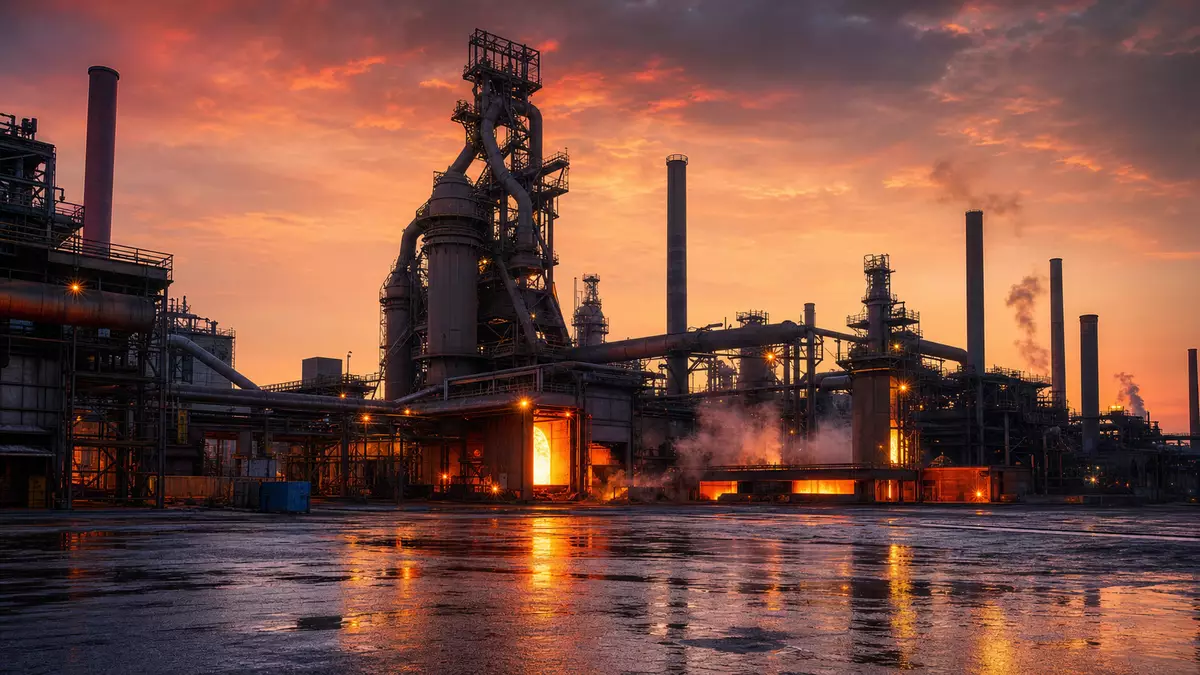
The gap between Thyssenkrupp's share price trajectory and the operational realities of its steel transformation has rarely been wider. The stock closed Friday at €15.20, up 6.0 percent on the day, leaving it just 0.7 percent shy of its 52-week high touched on September 4 — a level that now sits within striking distance after Deutsche Bank Research lifted its price target to €18 from €16 and reaffirmed a "Buy" rating.
That endorsement, issued on September 4, coincided neatly with the stock's push toward its yearly peak. The bank's analysts point to a credible path toward higher profitability through ongoing restructuring efforts, coupled with the potential for a partial spin-off of the steel division. The market has responded enthusiastically: the shares have gained 25 percent over the past 30 days and are up 63 percent since the start of the year, lifting the company's market capitalization to €9.47 billion.
A Subsidy Model in Flux
Yet beneath the rally lies a more complicated story about how Thyssenkrupp's flagship green steel project will actually be funded. According to Reuters reports from August 13, the company is in active negotiations with the German federal government and the European Commission over the subsidy conditions attached to its planned direct reduction plant in Duisburg. The original framework, which tied funding to hydrogen-powered operations from day one, has apparently proven unrealistic for the facility's start-up phase.
The company is now seeking a revised arrangement that would grant greater flexibility during commissioning — potentially allowing a heavier initial reliance on natural gas without automatically forfeiting state support. The outcome of these talks carries outsized weight: the direct reduction plant sits at the heart of the steel division's decarbonization strategy, and a less stringent but still dependable funding model may well determine whether green steel production in Duisburg can work economically at all.
Should investors sell immediately? Or is it worth buying Thyssenkrupp?
A CEO's Growing Political Footprint
The subsidy negotiations unfold against a backdrop of Thyssenkrupp's deepening engagement with European hydrogen policy. CEO Miguel López was elected president of Hydrogen Europe on July 29, a mandate that runs until June 2029. The appointment gives the company a prominent voice in Brussels at a delicate moment — precisely when the funding terms for its own core hydrogen project are being renegotiated. While the role carries limited direct operational impact, it signals how closely Thyssenkrupp wants its industrial transformation aligned with EU hydrogen strategy.
Market Catalysts and Competitive Shifts
The recent share price strength draws on multiple sources. Deutsche Bank's upgraded target — roughly €2 above the current trading level — has been identified as the freshest catalyst behind the latest leg of the move, with no separate operational trigger emerging from the company itself. The bank's thesis rests on two pillars: structural margin improvements from the group's cost-cutting program, and additional valuation upside from a possible partial separation of the steel business.
That idea builds on momentum already generated by the carve-out of tk accelis just over a week ago, which has added 9.2 percent to the share price since the move was announced. The competitive landscape has also shifted in Thyssenkrupp's favor: ArcelorMittal's decision to end steel production in Duisburg last Thursday has improved the market position of Thyssenkrupp Steel, contributing 9.4 percent to the stock's gains since then.
Maintenance, Not Malfunction
On the ground in Duisburg, operations continue on a carefully managed footing. Thyssenkrupp Steel took blast furnace No. 2 offline at the end of August for scheduled maintenance and partial repair work expected to last around six weeks. The company frames the shutdown as routine upkeep aimed at improving the stability of pig iron production — a planned measure signaling operational continuity rather than distress, even as negotiations over the plant's future technology proceed in parallel.
For investors, the picture is layered. The political elevation of López and the fresh analyst endorsement have fueled enthusiasm, but the economic viability of the Duisburg transformation hinges on the subsidy talks now underway. Whether the restructuring program and a potential steel spin-off can justify the €18 price target is a question that will likely only be answered over the coming quarters — and the stock, trading just 0.3 percent below its 52-week high of €15.73 as of Friday's close, leaves little room for disappointment.
Ad
Thyssenkrupp Stock: New Analysis - 7 September
Fresh Thyssenkrupp information released. What's the impact for investors? Our latest independent report examines recent figures and market trends.


