
Thyssenkrupp's Balancing Act: A Blast Furnace Pause, a Submarine Prize, and a Wall of Analyst Upgrades
Published on 09/01/2026 at 02:51 | Editorial boerse-global.de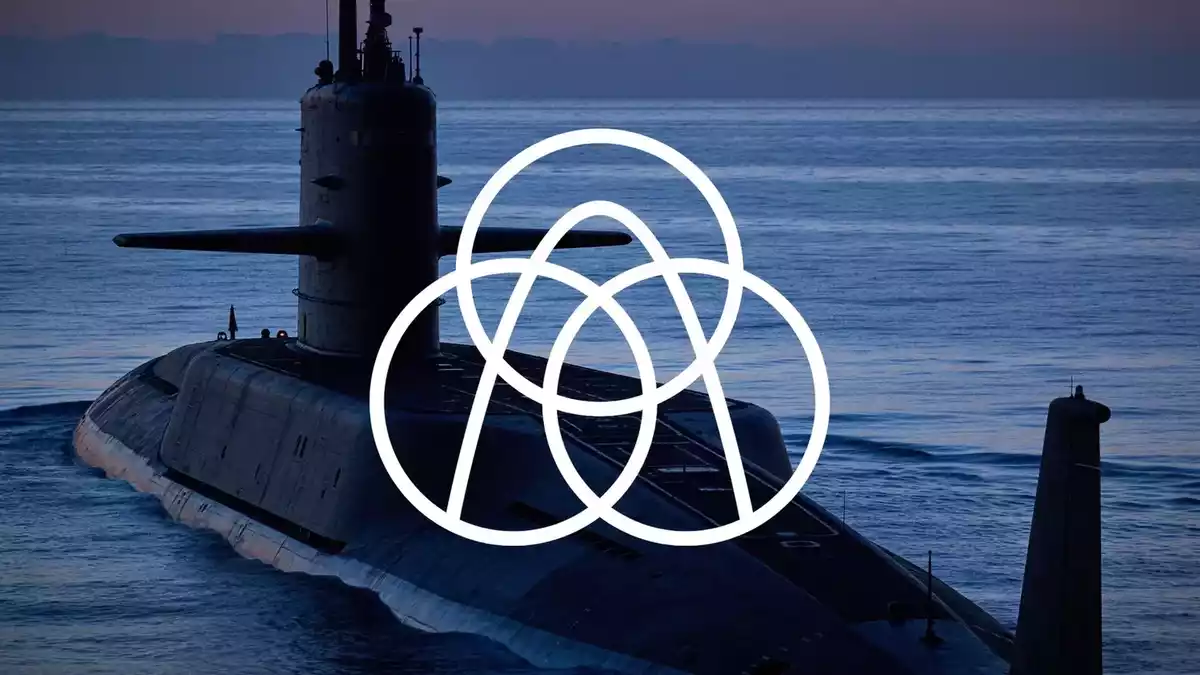
The industrial conglomerate finds itself juggling a planned production halt at Europe's largest blast furnace with the prospect of a landmark defence contract, all while a wave of bullish analyst revisions reshapes the investment case.
In Duisburg, maintenance crews have begun a scheduled partial overhaul of the "Schwelgern 2" blast furnace, a facility with a daily output capacity of 12,000 tonnes of pig iron. The works, expected to run for roughly six weeks according to local broadcaster Radio Duisburg, will see the plant completely idled. While the shutdown is part of routine upkeep, the sheer scale of the operation means the steel division's production chain will feel the pinch — output losses of this magnitude are not easily absorbed elsewhere in the system.
The timing is delicate. Thyssenkrupp is simultaneously closing in on what would be a transformative contract for its defence arm. Technical evaluations for the construction of six submarines for the Indian Navy have been completed, with the final signing of the roughly €8 billion order targeted for September. Such a deal would mark a significant influx of work for the Marine Systems unit, which was carved out via an IPO just over ten months ago, with the parent retaining a controlling 51 percent stake.
These operational storylines are unfolding against a backdrop of notable analyst enthusiasm. Bank of America kicked things off on 20 August, lifting its price target to €22 from €19 on the back of a reassessment of steel earnings. The very next day, Citigroup's Ephrem Ravi followed suit, raising his target to €20 while maintaining a buy recommendation. The DZ Bank also upgraded the stock from "Hold" to "Buy" on 21 August, hiking its fair value estimate from €11 to €16. Not everyone is swept up in the optimism — JPMorgan reaffirmed a "Neutral" stance in mid-August with a €15 target — but the aggregate direction of travel is unmistakable.
The market has taken note. The share price currently sits around €14.52, roughly 18 percent above its 50-day moving average of €12.28, and within striking distance of its 52-week high of €15.18, which was touched in late August. A modest dip to €14.35 on Monday, down 2.1 percent, did little to dent the broader momentum; over the past seven days the stock has still gained 4.7 percent.
Underpinning the analyst optimism is a string of operational milestones. Primetals Technologies announced final acceptance of a new continuous casting plant at the Duisburg site on 20 August, a tangible step in the modernisation of the steel business. The company also marked the tenth anniversary of its Carbon2Chem project on 18 August, an initiative aimed at converting CO2 from steel production into usable feedstock for the chemical industry.
The corporate restructuring machine continues to grind forward as well. An extraordinary general meeting on 7 August approved the carve-out of the tk accelis division, with the parent set to hold 51 percent of the new entity while 49 percent is transferred to existing shareholders.
Financially, the picture is improving but not yet clean. Third-quarter revenue for fiscal 2025/2026 rose 8 percent to €8.8 billion, with adjusted EBIT improving to €183 million from €155 million a year earlier. Free cash flow before M&A, however, remained negative at minus €114 million — a reminder that the operational recovery has yet to fully translate into cash generation.
When industrial operations face planned shutdowns and restructuring, the last thing you need is a compliance gap on top of it all. A free toolkit with 41 ready-to-use templates helps you document risks properly and keep your workplace safe through periods of change. Download the free Risk Assessment Toolkit
Two big questions now hang over the stock. The first is whether the Schwelgern 2 outage will weigh on steel production figures. The second is whether the Indian submarine order actually gets signed. Both will factor into whether the company hits its EBIT guidance of €600 million to €900 million for the fiscal year, a range it refined in August.
Meanwhile, investors are also watching the €3 billion financing package for the green steel transformation in Duisburg. Management referenced ongoing discussions during the mid-August quarterly call, and reports suggest negotiations are at an advanced stage. A successful conclusion would go a long way toward securing the capital-intensive shift to climate-friendlier production methods — and would likely serve as another catalyst for the already elevated price targets.
The next major checkpoint comes on 7 December, when fourth-quarter and full-year results are due. Between now and then, the interplay between the blast furnace restart, the submarine contract, and the green steel financing will determine whether the current rally has legs — or whether the conglomerate's ambitions outrun its execution.


