Thyssenkrupp Investors Face Two Clocks: Morgan Stanley's Trimmed Stake and Duisburg's 2029 Start
Published on 11/13/2026 at 22:31 | Editorial boerse-global.de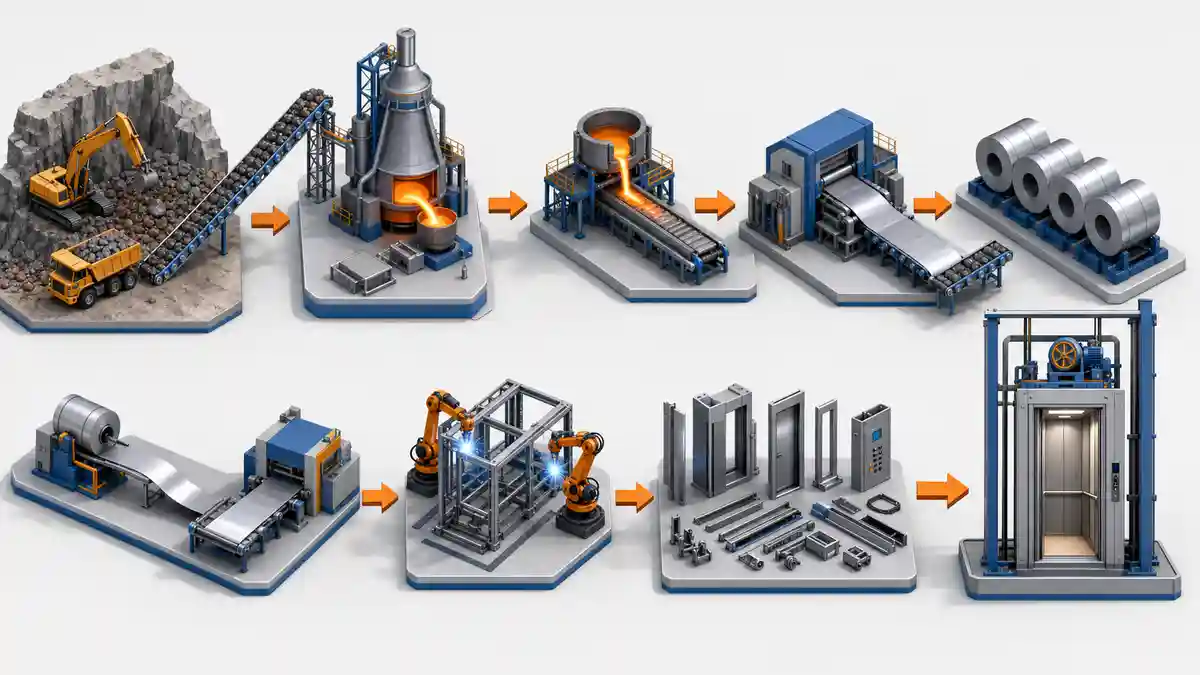
Morgan Stanley's disclosure that its voting stake in Thyssenkrupp has slipped below the 4% mark landed this week, but the more consequential question for shareholders sits in Duisburg, where the group's flagship green-steel project has quietly lost two years of its timetable. The stock traded 2.1% lower on the day the notification surfaced, a reminder of how thin sentiment remains around the industrial conglomerate.
A Register in Motion
According to the mandatory filing, Morgan Stanley's share of voting rights, including attributed instruments, fell from 4.1% to 3.9%, with the threshold crossed on 6 November. The move runs counter to BlackRock, which reported a higher voting stake including attributed instruments on Wednesday. One position shrinks while another expands — a mixed picture rather than a one-way signal.
Such filings deserve attention because they make shifts in reported voting positions visible. At Thyssenkrupp, though, they carry real weight only when the industrial story underneath supports the investment case. The decisive test lies inside the company itself, not in the shareholder register.
Duisburg Slips to 2029
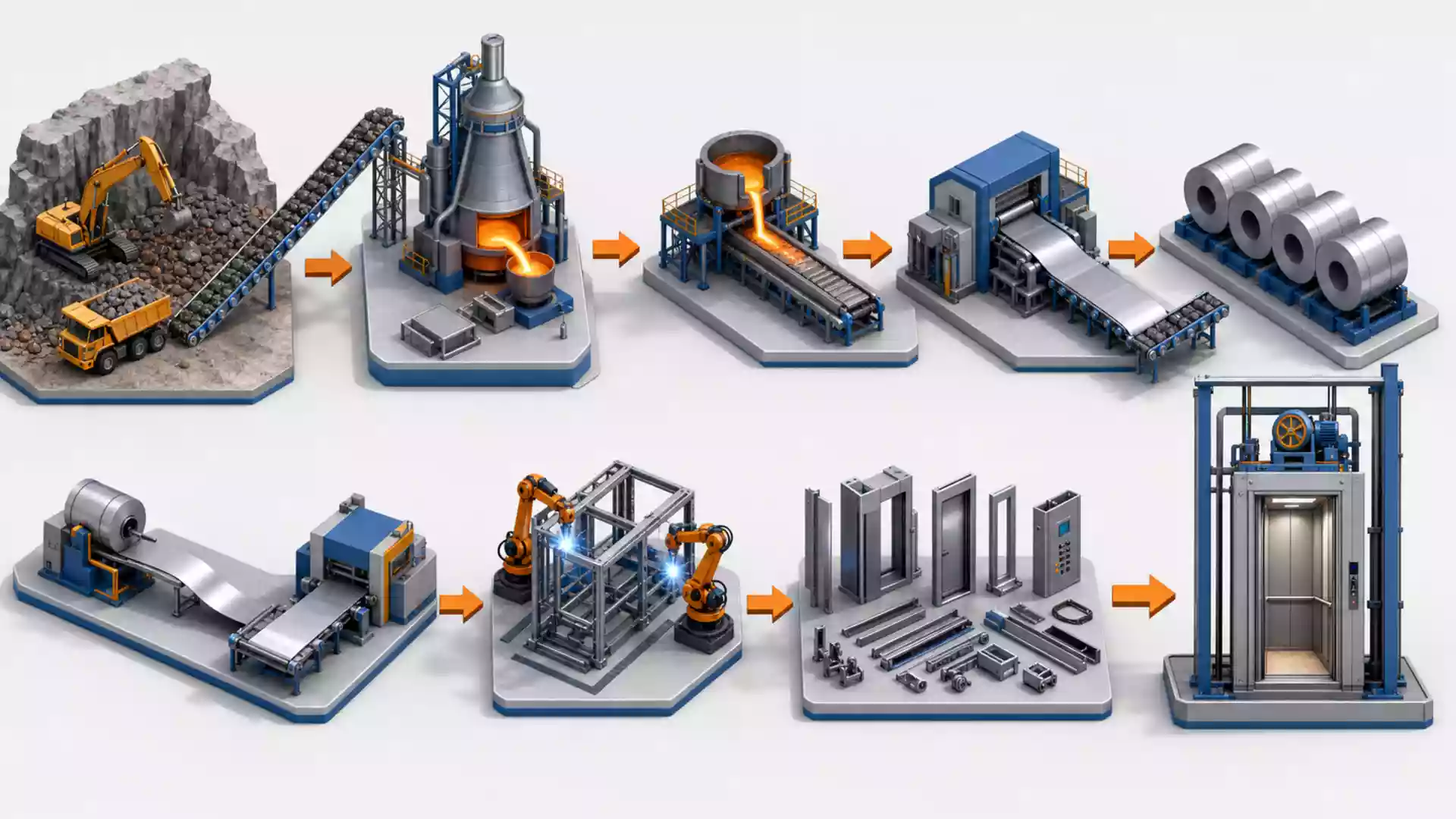
That test has become harder. Thyssenkrupp Steel Europe confirmed last week that commissioning of its direct-reduction plant for green steel in Duisburg is now planned for 2029 instead of 2027. A company spokesperson cited the engineering phase as the principal reason. Media reports add that scarce availability and steep costs of green hydrogen are also complicating the venture — planning and future operating conditions colliding at the same site.
Should investors sell immediately? Or is it worth buying Thyssenkrupp?
The delay matters for valuation because it demands a longer breath from the industrial rollout. Political backing would be most valuable to investors if it arrives alongside credible project progress. Until execution catches up with the announced schedule, the postponement remains an argument against premature optimism.
Berlin's Steel Wishlist
The policy backdrop is being argued in parallel. Ahead of the steel summit, the Hans-Böckler-Stiftung is calling for a capped industrial electricity and hydrogen price, location-tied subsidies, rules favoring European suppliers in public procurement, and protection against dumped imports. Thyssenkrupp Steel sits squarely among the German producers whose framework conditions are at stake.
These demands pull on different levers: energy prices hit the cost side, while procurement and import rules shape the competitive field. For shareholders that offers possible support — provided political decisions actually improve the economics of steelmaking. A blanket bet on "more protection" would be too blunt an investment thesis.
When Prices Bite
How sensitive the sector is to pricing signals showed on 28 October, when European steel stocks came under pressure. According to dpa-AFX, SSAB disappointed with comments on fourth-quarter prices in the US market, and Thyssenkrupp was caught in the downdraft. That episode draws a clear boundary around the political debate: friendlier framework conditions can help, but only if selling prices do not consume the relief. This interplay makes the steel outlook more demanding than a simple subsidy story.
The December 8 Reckoning
The next scheduled checkpoint is 8 December, when Thyssenkrupp publishes its 2025/2026 annual report alongside its annual press conference and an analyst and investor call. That is where the focus belongs. Changes in voting rights offer a view of the shareholder base; the economic verdict should rest on the results the company delivers and on what it can credibly say about executing its plans.
The yardstick is straightforward: the outlook improves if Thyssenkrupp convincingly connects its industrial overhaul with economic viability. The steel industry's demands supply the political frame. Whether a durable company perspective emerges will be decided by the interplay of cost conditions, market prices, and delivery — and that is exactly where confidence in the shares should be measured.
Ad
Thyssenkrupp Stock: New Analysis - 13 November
Fresh Thyssenkrupp information released. What's the impact for investors? Our latest independent report examines recent figures and market trends.