Silver's Crosscurrents: Chinese Output Slips, Solar Demand Sags, and Speculators Head for the Exits
Published on 11/04/2026 at 06:01 | Editorial boerse-global.de
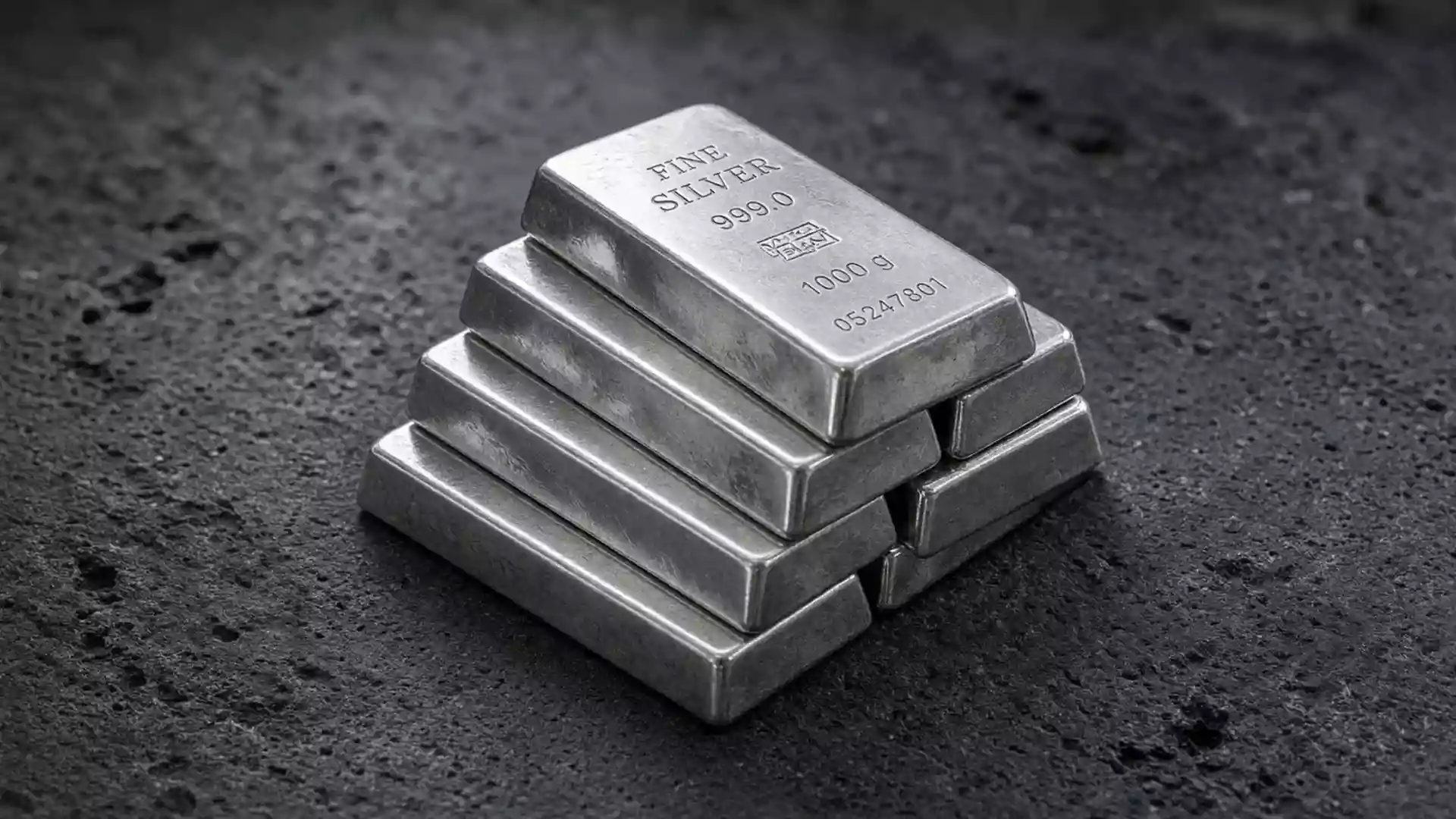
Silver closed yesterday at USD 49.82 per fine ounce, and the data flow surrounding that print offers little in the way of a clean narrative. Two forces that would normally pull in the same direction — falling supply and steady demand — are instead moving in opposite directions, leaving investors to weigh a temporary dip in Chinese output against a genuine softening in industrial consumption.
A Production Dip That Says Little About Scarcity
Chinese production of 1# silver bars fell 5.03% in October from the prior month, according to media reports. The causes were operational rather than structural: holiday-related shutdowns in recycling operations and maintenance work at copper smelters curbed output. Cumulative production for 2026 nonetheless ran 3.72% above the year-earlier level, and silver bar output at lead-zinc smelters had been recovering gradually since September.
That distinction matters. A single month of interrupted operations does not amount to a lasting squeeze on supply. Planned maintenance at copper smelters could keep production choppy through November and December, but that is a potential supply factor rather than a confirmed further decline.
Inventories tell a similarly mixed story. The tracked Chinese silver stock held outside individual company warehouses stood roughly 68 tonnes below its level at the end of the previous month as of October 29. SHFE stocks initially declined before stabilizing, and the drawdown momentum weakened toward month-end. For investors, the ability of buyers to absorb metal counts for as much as the volume produced.
Should investors sell immediately? Or is it worth buying Silber Preis?
Solar Demand Is the Bigger Worry
The more consequential signal comes from the demand side. Chinese silver nitrate production for photovoltaics dropped 13.48% in October from September, and the cumulative figure for 2026 sits 17.59% below the prior year. Some of the monthly decline reflects forward stocking ahead of the holiday, which distorts the month-on-month comparison — but silver consumption from the solar sector has been described as declining throughout the year, so the weakness extends well beyond a short-lived inventory effect.
Trade flows add another layer of ambiguity. Chinese customs data show silver exports fell 23.7% in September from August, while imports climbed 73.5% over the same period. Taken together, the picture resists a simple scarcity reading: lower production and shrinking inventories are squared against softer solar demand.
The Deficit Is Real, but It Doesn't Drive the Tape
The Silver Institute still expects a global silver market deficit of 46.3 million ounces for 2026, alongside a 3% decline in industrial demand. Those projections, drawn from the World Silver Survey, are not a fresh confirmation of a tightening supply situation. An annual deficit and weaker industrial consumption are not mutually exclusive, and the deficit on its own does not explain short-term price action.
What does help explain it is positioning. CFTC data cited by media show professional money managers retreating sharply: net long positions fell from 13,309 contracts to 3,321 between September and the end of October. That pullback points to fading speculative appetite for the metal, though it has not been established as the sole cause of the price decline. It is the futures market, in other words, rather than the longer-run physical balance, that has been setting the tone.
Rates and the Calendar Take Over
Additional headwinds come from interest rate expectations. The Fed left rates unchanged at its October 28 decision, with two members voting for a hike. The prospect of rates staying higher for longer weighs on a metal that pays no yield. Broader selling across financial markets has added to the pressure, according to media reports.
Silber Preis at a turning point? This analysis reveals what investors need to know now.
The next scheduled catalysts are the US labor market report on November 6 and US consumer prices on November 10. Either release could shift rate expectations and, by extension, the dollar and bullion complex.
A durable stabilization will require more than a one-month dip in Chinese output. What matters is whether physical demand picks up again and whether speculative buyers stop heading for the exits. On the latest evidence, neither has happened yet.
Ad
Silber Preis Stock: New Analysis - 4 November
Fresh Silber Preis information released. What's the impact for investors? Our latest independent report examines recent figures and market trends.