Silver's 6.3% Friday Drop Masks a Two-Speed Outlook: Near-Term Rate Pain, 2027 Gold-Led Hope
Published on 11/01/2026 at 08:40 | Editorial boerse-global.de
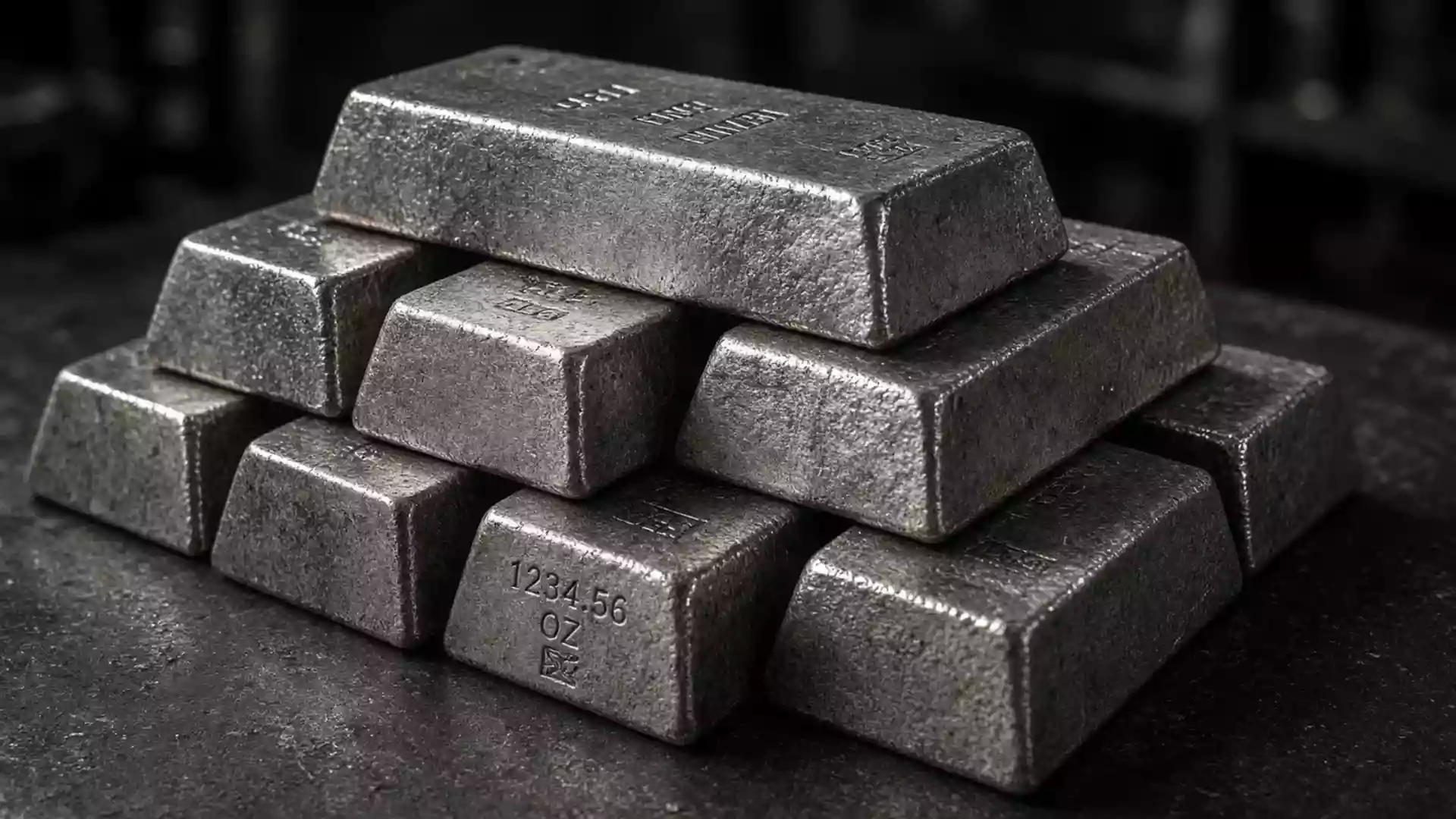
Silver fell 6.3% on Friday, closing at USD 49.14 per fine ounce, as fresh inflation data and rising oil prices revived expectations that the Federal Reserve could raise rates in December. The move was part of a broad retreat across precious metals rather than a silver-specific event, with the metal caught between a punishing monetary backdrop and a longer-term recovery thesis that leans heavily on gold.
The September US inflation figures, reported by Reuters, hardened bets on a December Fed hike, while climbing crude prices added to inflation worries. Europe offered no relief: according to dpa, eurozone inflation data stoked speculation about a December rate increase from the European Central Bank, adding pressure on non-yielding assets. Crucially, these were expectations of further tightening, not decisions already taken — but the shift in sentiment alone was enough to weigh on silver.
A Market Without an Industrial Counterweight
What makes silver's position more awkward than that of other precious metals is the second weak spot: industrial demand. The analysis house flagged softer demand from the solar sector as a key burden. That leaves the monetary headwind meeting a market whose industrial consumption outlook is also fading — a demand forecast that doesn't explain Friday's trigger, but does show why the fundamental picture extends well beyond the latest inflation headlines.
Offsetting that softer demand is a still-tight supply balance. The projected shortfall was put at roughly 46 million ounces. A forecast deficit and a falling price are not mutually exclusive: the shortfall describes the annual balance, while Friday's trading was driven mainly by rate and inflation worries. For investors, the deficit argues against a one-sidedly negative view, though weaker industrial demand and the prospect of higher rates rule out treating it as a reliable shield against further declines.
Should investors sell immediately? Or is it worth buying Silber Preis?
WisdomTree's 70-Dollar Call Rests on Gold
WisdomTree's research desk expects silver to reach USD 70 per ounce by the third quarter of 2027, with higher gold prices named as the main driver. The forecast describes a possible recovery over the coming quarters, not an imminent turning point. It also comes with clear caveats: a weak industrial environment could cap the advance, compounded by thrift in material usage and the possible substitution of silver. A gold-driven recovery would therefore not automatically signal stronger industrial demand.
WisdomTree pointed to Metals Focus's expectation that industrial silver demand will fall 3% in 2026 to around 640 million ounces. That is the central reservation in the recovery case — the expected support from gold runs into headwinds from industrial use, and both forces can act at once. A friendlier gold market on its own would not remove the drag from cost-cutting and substitution.
The Fed Holds, and a Data Point Looms
The Federal Reserve left its target range at 3.75% to 4% on Wednesday while stating that inflation remains elevated; some voices within the committee favoured a hike. Unchanged rates offered no immediate relief to the metals market, and the anticipated support from higher gold prices remains central to the WisdomTree recovery thesis.
Silber Preis at a turning point? This analysis reveals what investors need to know now.
Next on the calendar is the October US jobs report, due on 6 November. The data could shift rate expectations and, with them, the precious metals market. For silver, the picture splits in two: the rate environment dominates the near term, while over the coming quarters the recovery case rests above all on gold — with weaker industrial demand the explicitly named limiting factor.
Ad
Silber Preis Stock: New Analysis - 1 November
Fresh Silber Preis information released. What's the impact for investors? Our latest independent report examines recent figures and market trends.