
Siemens Energy's Parent Slips Below 5% as Nuclear Pact and Valuation Debate Reshape the Narrative
Published on 09/09/2026 at 16:02 | Editorial boerse-global.de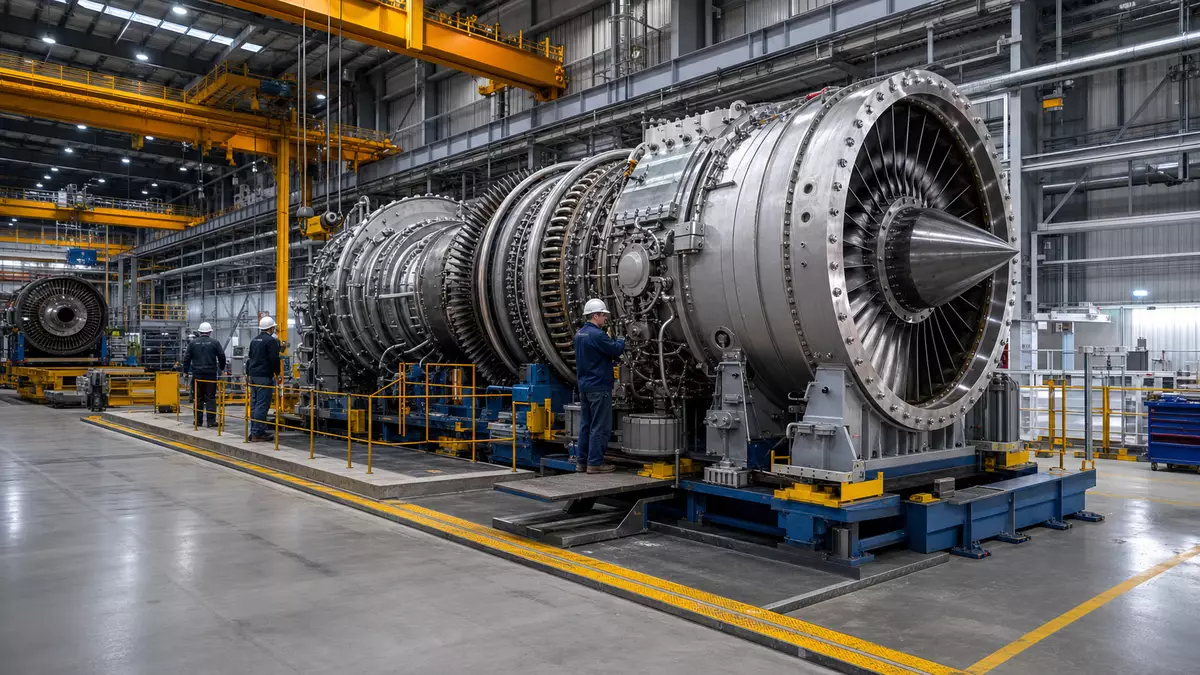
The corporate umbilical cord has been all but severed. Siemens AG's stake in Siemens Energy dropped below the 5 percent reporting threshold on September 8, settling at 4.98 percent — a symbolic milestone in a divestment journey that began when the energy business was spun off in 2020 with the parent holding 35.1 percent. The disclosure, published Wednesday, means the former parent now sheds a layer of regulatory reporting obligations and assumes the status of a marginal shareholder. The legally independent Siemens Pension-Trust e.V. retains its position as the largest single investor.
The timing is telling. Siemens Energy finds itself at a crossroads where operational momentum, strategic expansion into nuclear technology, and growing skepticism about valuation are pulling the stock in competing directions.
A Stock in Consolidation Mode
Wednesday's trading saw the shares give up 1.5 percent to €145.42, following Tuesday's close of €147.64. The monthly decline stands at 6.4 percent, with the stock now trading beneath its 50-day moving average of €151.91. At roughly 26 percent below April's 52-week high of €195.38, the equity has surrendered a meaningful chunk of its earlier gains — though it remains up 23 percent since the start of the year.
That consolidation phase is also visible in the technical indicators. One calculation puts the 50-day average at €152.24, leaving Tuesday's close roughly three percent shy of that level. With 30-day volatility running at 44 percent, the shares remain prone to sharp swings in either direction.
The softness at the ticker level cuts against a robust operational picture. In the third quarter of fiscal 2026, revenue expanded 17 percent to €11.45 billion, while earnings per share climbed to €1.26 from €0.71 a year earlier. Management has also lifted its free cash flow guidance for the current fiscal year substantially — from a prior range of €4 to €5 billion to roughly €8 billion — and projects revenue growth of 14 to 16 percent for 2026, with EBITDA expected to advance 69 percent.
Should investors sell immediately? Or is it worth buying Siemens Energy?
Nuclear Ambitions Take Shape
Away from the quarterly numbers, the company is quietly broadening its industrial footprint. Siemens Energy and Rolls-Royce SMR have agreed that the German group will manufacture steam turbine components at its Newcastle facility for the British partner's small modular reactors. The arrangement positions Siemens Energy as a supplier to Rolls-Royce's nuclear division, extending its reach beyond the traditional gas turbine and grid equipment businesses.
Small modular reactors are increasingly viewed in multiple countries as a building block for future power supply, particularly where decentralized, low-carbon capacity is in demand. For Siemens Energy, the collaboration adds another pillar to its component business — though the financial dimensions of the deal were not disclosed.
The nuclear push coincides with a more sobering message from the chief executive. Christian Bruch has warned that Germany would be hit particularly hard in the event of attacks on energy infrastructure — a statement that lands amid a politically charged debate over supply security and the protection of critical assets, matters of direct relevance to a company that outfits grids and power plants.
Analysts Split on the Valuation Question
The market's assessment of Siemens Energy remains fractured. MWB Research reaffirmed its sell recommendation on Friday, describing the valuation as "demanding" relative to fundamental metrics. The analysis firm, which set a price target of €100 roughly five days earlier, pointed to a price-to-earnings ratio of nearly 50 as evidence that expectations have run ahead of what the business can justify.
That bearish stance puts MWB at odds with the broader analyst community, where optimism about operational momentum still prevails. The tension between those who see a richly priced growth story and those who emphasize the strength of the underlying business is unlikely to resolve before the next major catalyst.
That moment arrives on November 11, when Siemens Energy reports its fourth-quarter and full-year results. Analysts are penciling in earnings per share of €1.38 on revenue of €12.61 billion, with a dividend announcement typically accompanying the release. Until then, the Siemens AG exit will continue quietly in the background — a structural footnote to a story now defined by nuclear expansion, infrastructure politics, and a valuation debate that shows no signs of settling.
Ad
Siemens Energy Stock: New Analysis - 9 September
Fresh Siemens Energy information released. What's the impact for investors? Our latest independent report examines recent figures and market trends.


