Siemens Energy's Hydrogen Milestone Meets a Split Analyst Verdict
Published on 11/18/2026 at 08:50 | Editorial boerse-global.de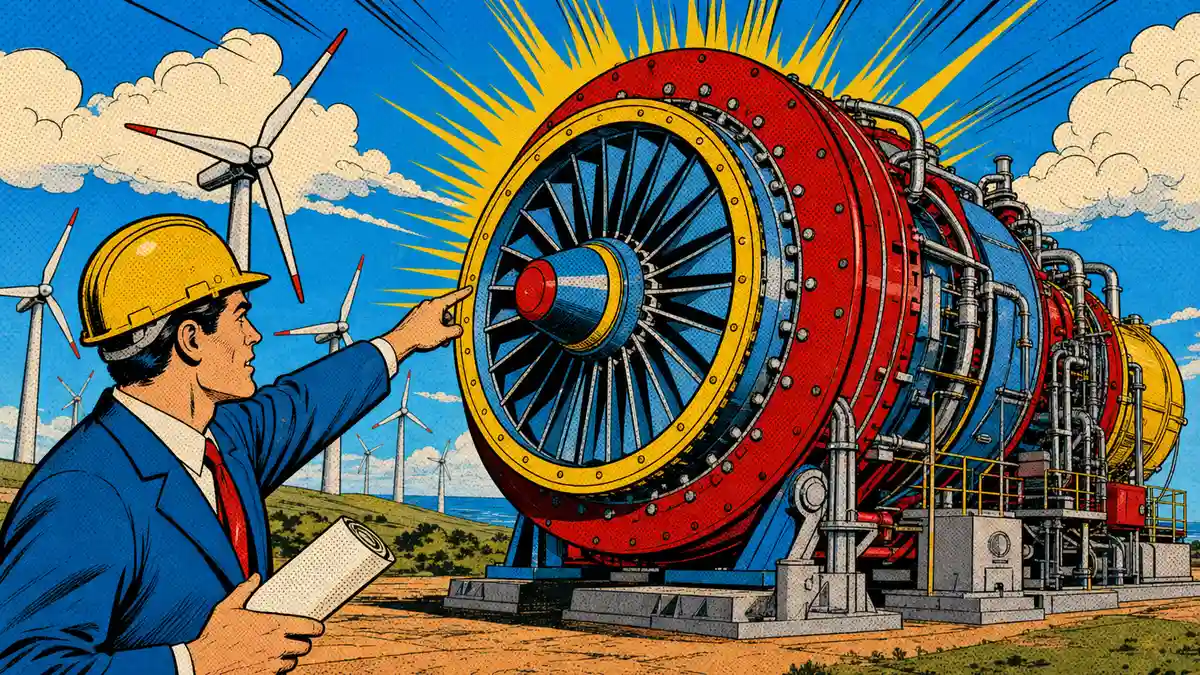
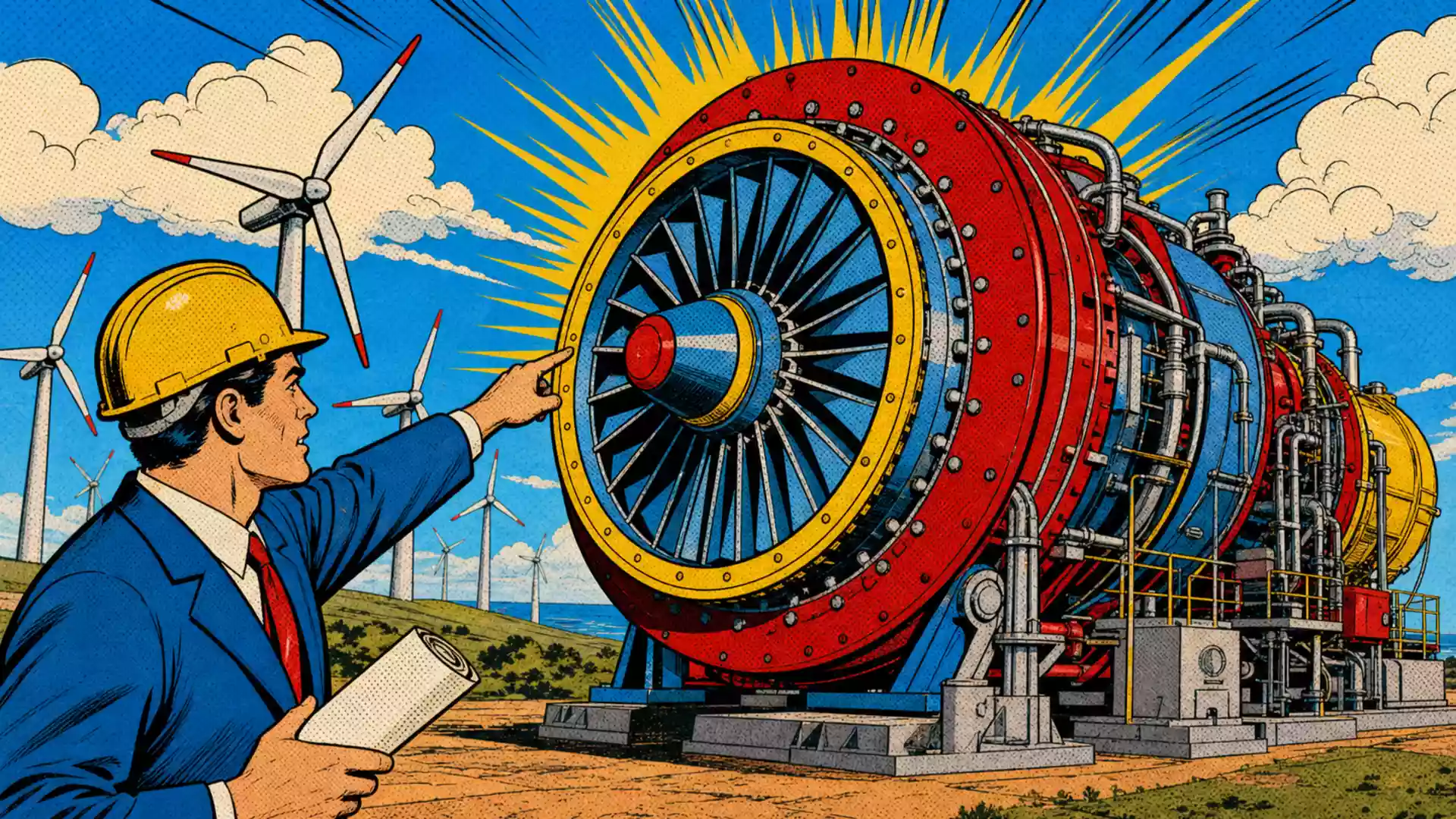
Siemens Energy has run its SGT-400 gas turbine on 100% renewable hydrogen, the company said, completing a test in the HyCoFlex research project that held up even at full load. The unit sits inside an integrated combined heat and power plant producing up to 12 MW of electrical output. Shares gained 2.0% in pre-market trading on the news.
The technical result lands alongside a far more consequential set of numbers. Siemens Energy published its fiscal 2026 results and multi-year targets on 11 November, and those figures — not a single test run — set the bar against which the equity will ultimately be judged.
From lab result to earnings power
A working hydrogen plant is one thing; a business case is another. The HyCoFlex operation is a concrete operating result inside a research project, and investors weighing the stock can attach a harder question to it: how do technical possibilities turn into economically attractive applications? A successful plant run deserves attention, but valuation also depends on what such applications can contribute to the business over time.
The company's own ambition is visible in its raised medium-term targets. By fiscal 2030, Siemens Energy is aiming for a margin before special items of 20–22%, alongside annual revenue growth of 12–14%. Those are the markers against which future progress should be measured, even when individual technical announcements sound promising.
A record year behind the guidance
The fiscal 2026 figures provide the starting point. Revenue hit a record €44.2 billion, while net profit came in at €4.13 billion. Order intake rose 18.8% on a comparable basis to €68.1 billion, and the order backlog stood at €164 billion.
Should investors sell immediately? Or is it worth buying Siemens Energy?
Each measure offers a different lens on the same company. Revenue describes business already booked and delivered; intake and backlog point to what comes next. The critical valuation work sits precisely there — not in the sheer size of the business, but in the ability to convert it into the targeted profitability.
Management has proposed a dividend of €2.30 per share for fiscal 2026. Beyond that, Siemens Energy has dangled additional share buybacks of up to €9 billion through the end of fiscal 2030.
The 2027 checkpoint
For fiscal 2027, the company expects comparable revenue growth of 14–16%, with the margin before special items also landing at 14–16%. Net profit is guided to around €5 billion.
That sets a dual demand: grow briskly and earn a profit while doing so. The hydrogen announcement fits into this larger picture as the technical strand, while the forecast supplies the financial yardstick. The two should be read together — without equating a research success with an earnings contribution.
Two banks, two directions
Even positive coverage can pull in opposite directions, as the latest analyst moves show. Goldman Sachs cut its price target on Friday to €200 from €212 while keeping its buy rating, citing a lower sector valuation, according to dpa-AFX. JPMorgan went the other way on Thursday, lifting its target to €250 from €245 and maintaining an "Overweight" rating.
That divergence is arguably the most telling market commentary of the week. Sound corporate prospects and the valuation of the stock are two separate questions. Siemens Energy is delivering technical progress and ambitious financial targets; the long-term test is bringing the two together — advancing new applications while extracting the promised returns from a substantial order book.
Ad
Siemens Energy Stock: New Analysis - 18 November
Fresh Siemens Energy information released. What's the impact for investors? Our latest independent report examines recent figures and market trends.