
Siemens Energy's CAD 1.3 Billion Pickering Mandate Tests Whether a Record Backlog Can Actually Pay
Published on 09/23/2026 at 19:31 | Editorial boerse-global.de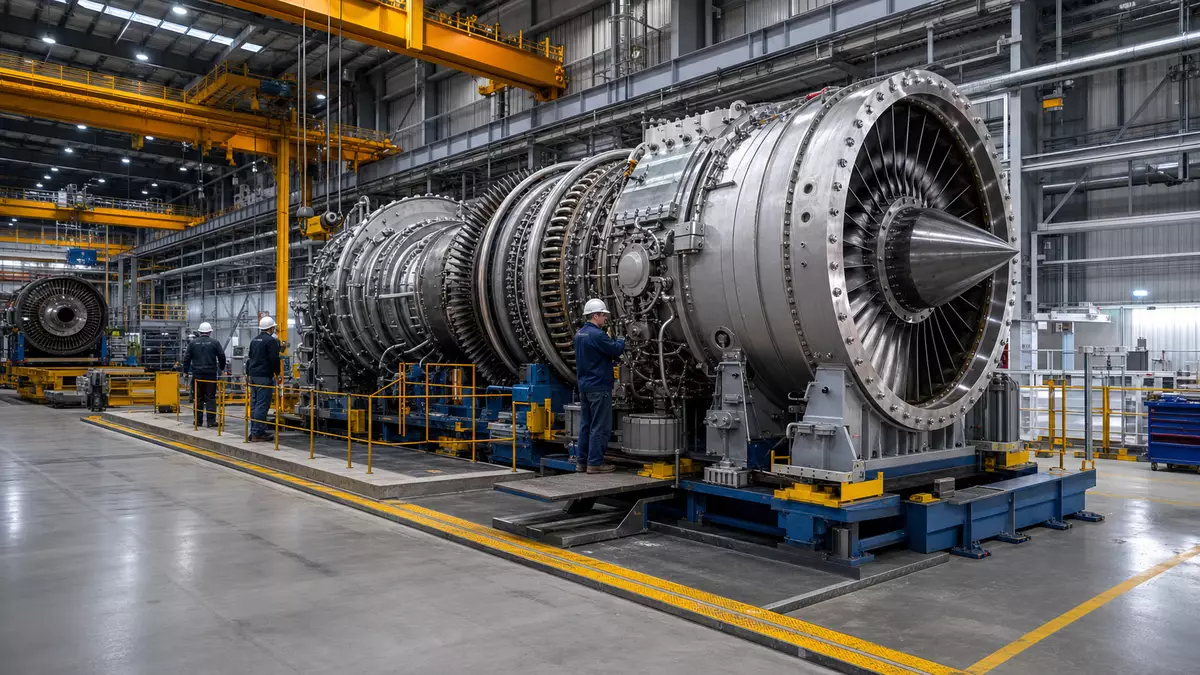
A consortium pairing Aecon with Siemens Energy Canada has landed the contract to refurbish Ontario's Pickering Nuclear Generating Station, a deal worth CAD 1.3 billion that shifts the long-anticipated project from planning into physical execution. The scope is substantial: every turbogenerator at the site will be replaced, along with 14 steam turbine rotors and four generators. Once the work is finished, four reactors stand to gain as much as 38 additional years of service life, with the station capable of feeding up to 2,200 megawatts into the grid.
The timing carries weight for a company still rebuilding its credibility with investors. Pickering's B units — blocks five through eight — are scheduled to come offline by the end of September 2026, clearing the way for the overhaul to begin in earnest. Winning capital-intensive work on critical energy infrastructure is precisely the kind of validation that has been missing from parts of the Siemens Energy equity story.
The Question Beneath the Headlines
What matters more than the contract's headline value is whether management can convert its swollen order book into durable profit. Siemens Energy is sitting on a backlog above EUR 160 billion, a record that offers years of revenue visibility. Yet volume alone settles nothing if unforeseen costs eat into margins — and this company's history shows how sharply it can react when timelines slip. Investors are therefore watching whether large undertakings like Pickering stay inside their budgeted cost envelopes. Only a dependable operating margin gives the order boom genuine fundamental substance.
The wind subsidiary adds a second variable. Siemens Gamesa has clawed its way back into profitable territory, removing what had been a heavy drag on group results. Should that recovery hold, the case for the broader clean-technology expansion strengthens considerably.
Should investors sell immediately? Or is it worth buying Siemens Energy?
A Conglomerate's Breadth Versus a Specialist's Focus
Siemens Energy's structure sets it apart from pure-play rivals. Gas turbines, grid technology and wind operations under one roof cover nearly the entire energy-transition value chain, enabling synergies — offshore wind farms wired directly into matching grid infrastructure, for instance. The group has positioned itself as a central systems supplier for industrial transformation, a role that spreads project risk across many revenue streams but also demands that management organize the complexity of an industrial conglomerate.
That breadth shows up in the numbers. Comparable revenue climbed 18.5% in the third quarter of 2026, evidence of an operational recovery following several turbulent years. Market capitalization stands near EUR 121.8 billion. Recent operational news has been concrete: new gas turbine technology is being tested at the Marl chemical park to underwrite the shift toward hydrogen-capable plants, while grid capacity continues to expand.
Where the Risks Sit
Pickering is a highly complex undertaking in a tightly regulated environment, and the actual reactor overhaul cannot start until the Canadian Nuclear Safety Commission grants final approval — a decision expected in January 2027. Regulatory slippage would invite extra costs. In nuclear and conventional power plant engineering, construction delays translate quickly into contractual penalties. The same scrutiny applies to Siemens Gamesa: a relapse into old loss patterns would rattle investor confidence all over again.
What the Market Is Pricing
The shares currently change hands at EUR 144.58, still some distance from the 52-week high of EUR 195.38. Market observers put the average price target around EUR 200, and the stock has already gained 20% since the start of the year. So long as major projects stay on schedule and wind profitability holds, the underlying upward trend remains intact. A breakdown in the economics of new orders, or a stall in Ontario, would open the door to another corrective phase.
January 2027 now stands as the next decisive marker for the Canadian contract, when regulators rule on the final permit for reactor work. Until then, interim reports will have to demonstrate that day-to-day cost control is doing its job.
Ad
Siemens Energy Stock: New Analysis - 23 September
Fresh Siemens Energy information released. What's the impact for investors? Our latest independent report examines recent figures and market trends.


