
Siemens Energy's Brazilian Turbine Breakdown Casts a Shadow Over Its Omterra Spinoff Plans
Published on 08/30/2026 at 06:31 | Editorial boerse-global.de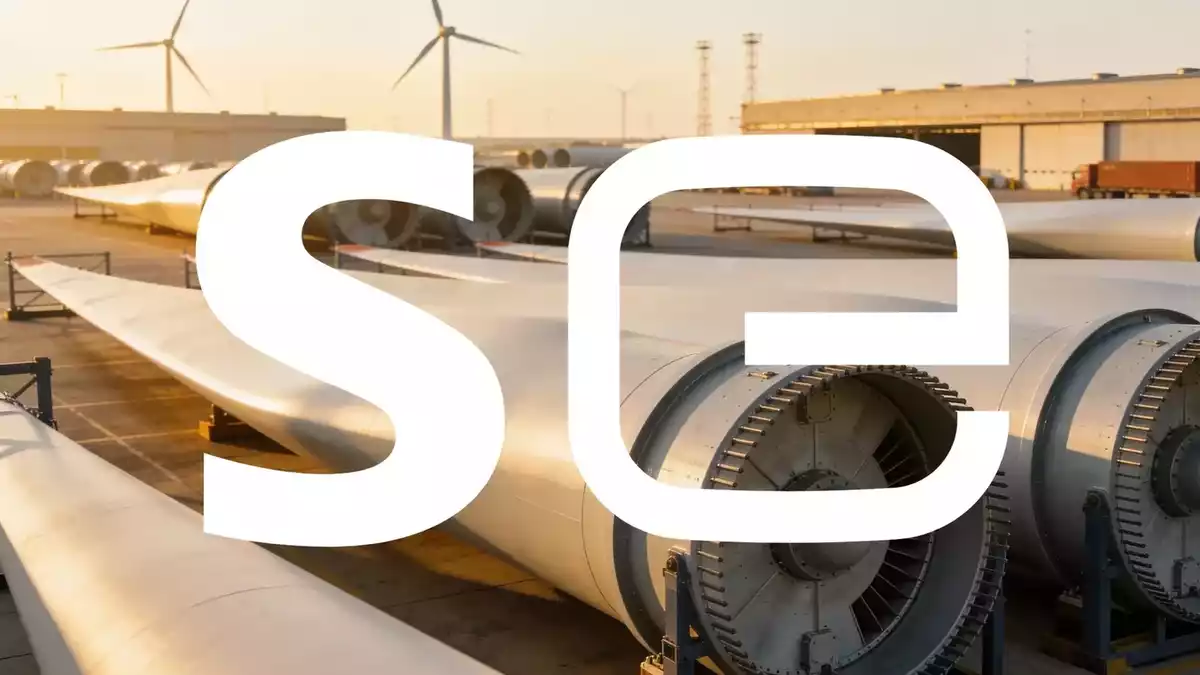
The timing could hardly be more awkward. Just as Siemens Energy prepares to carve out its steam turbine business and shop it to private equity buyers, one of those very turbines has failed at Brazil's largest gas-fired power plant, forcing the facility offline since August 10.
The outage at GNA II — a joint venture owned by BP, Siemens Energy and SPIC — stems from a fault in the circuit breaker of a steam turbine. According to Reuters, the root-cause analysis is being conducted jointly with the equipment manufacturer. For a company in the middle of a high-stakes divestiture, it's an unwelcome reminder that operational risk doesn't pause for corporate restructuring.
A Spinoff Takes Shape
The affected unit sits squarely within the "Transformation of Industry" division that Siemens Energy plans to spin off and largely sell. The new entity, which will carry the name "Omterra," is expected to employ around 17,000 people initially, with Siemens Energy retaining only a significant minority stake after full deconsolidation.
Bloomberg has reported that Siemens Energy is working with Goldman Sachs to line up buyers or partners for the steam turbine and Transformation of Industry business. Names circulating as potential suitors include CVC Capital Partners, EQT, Bain Capital, Brookfield and KKR. The division generated €5.7 billion in revenue in fiscal 2025, representing roughly 15 percent of group sales.
The Brazilian incident now serves as a real-world stress test for the very technology that will anchor the standalone company — and prospective buyers will almost certainly factor the failure into their valuation models. Yet the fact that major financial investors remain in the mix suggests the market still sees substantial value in the business despite the operational hiccup.
What Remains After the Split
Once the divestiture is complete, the "Omterra" brand will apply to what's left: gas turbines, grid technology and the wind power subsidiary Siemens Gamesa. The company has confirmed that Siemens Energy and Siemens Gamesa Renewable Energy will be brought together under the Omterra umbrella later this year.
The rebranding is more than cosmetic. It signals a deliberate shift toward a focused energy transition play — gas turbines, grid equipment and wind as the three pillars — rather than a conglomerate with a lower-margin industrial arm dragging on the portfolio.
The operational backdrop for that transition is improving markedly. In the third fiscal quarter, Siemens Energy posted record order intake of €17.9 billion, the highest in company history. Revenue climbed to €11.4 billion, up 18.5 percent on a comparable basis, while earnings before special items surged from €497 million in the year-earlier quarter to €1,623 million.
Perhaps most notably, Siemens Gamesa — the wind division that has been a persistent drag on results — returned to profitability for the first time since fiscal 2022 and is targeting break-even for the current fiscal year. Management has also reaffirmed its full-year guidance, pointing toward the upper end of the 10 to 12 percent margin range, with net profit of around €4 billion and pre-tax free cash flow of approximately €8 billion.
When industrial equipment fails, the operational and financial consequences ripple far beyond the immediate repair. Yet many companies overlook a critical safeguard: a current, compliant risk assessment that documents hazards and control measures before problems arise. A free toolkit with 41 ready-to-use templates and checklists helps you identify and manage workplace risks systematically. Download the free Risk Assessment Toolkit
Analysts Hold Their Ground
The Brazilian outage hasn't dented sell-side enthusiasm. JPMorgan recently reaffirmed its "Overweight" rating with a €245 price target, while Jefferies maintains "Buy" with a €215 target. Deutsche Bank Research, RBC and Bernstein all see further upside, though RBC trimmed its target from €210 to €200. The consensus range sits comfortably above the current share price.
The stock itself has been in a consolidation phase. It closed Friday at €149.28, down 0.8 percent on the day and 2.7 percent over the past seven sessions. Over 30 days, however, the shares are still up 12 percent. The gap to the 52-week high of €195.38, reached in April, stands at roughly a quarter.
That short-term softness looks modest against the longer arc: the stock is up 24 percent year-to-date and 62 percent over the past twelve months, with a market capitalization of nearly €128 billion.
The Real Test Ahead
The GNA II failure is unlikely to derail the Transformation of Industry sale altogether, but it does underscore the operational risks that potential acquirers will price into their bids. How much it affects offer levels will depend on the outcome of the ongoing fault investigation.
For investors, the divestiture itself remains the primary value driver — the Brazilian turbine outage merely provides an early reality check on the technology that will define Omterra's standalone future. The question now is whether the operational momentum from the third quarter — record orders, sharply improved margins and a resurgent wind business — can carry through the restructuring and convince the market that the new entity is worth the wait.


