Siemens Energy's Balancing Act: Breakup Momentum Meets Market Jitters
Published on 09/03/2026 at 21:50 | Editorial boerse-global.de
The machinery of Siemens Energy's corporate overhaul is grinding forward, even as Thursday's trading session delivered a stark reminder that external noise can rattle even the most carefully choreographed restructuring story.
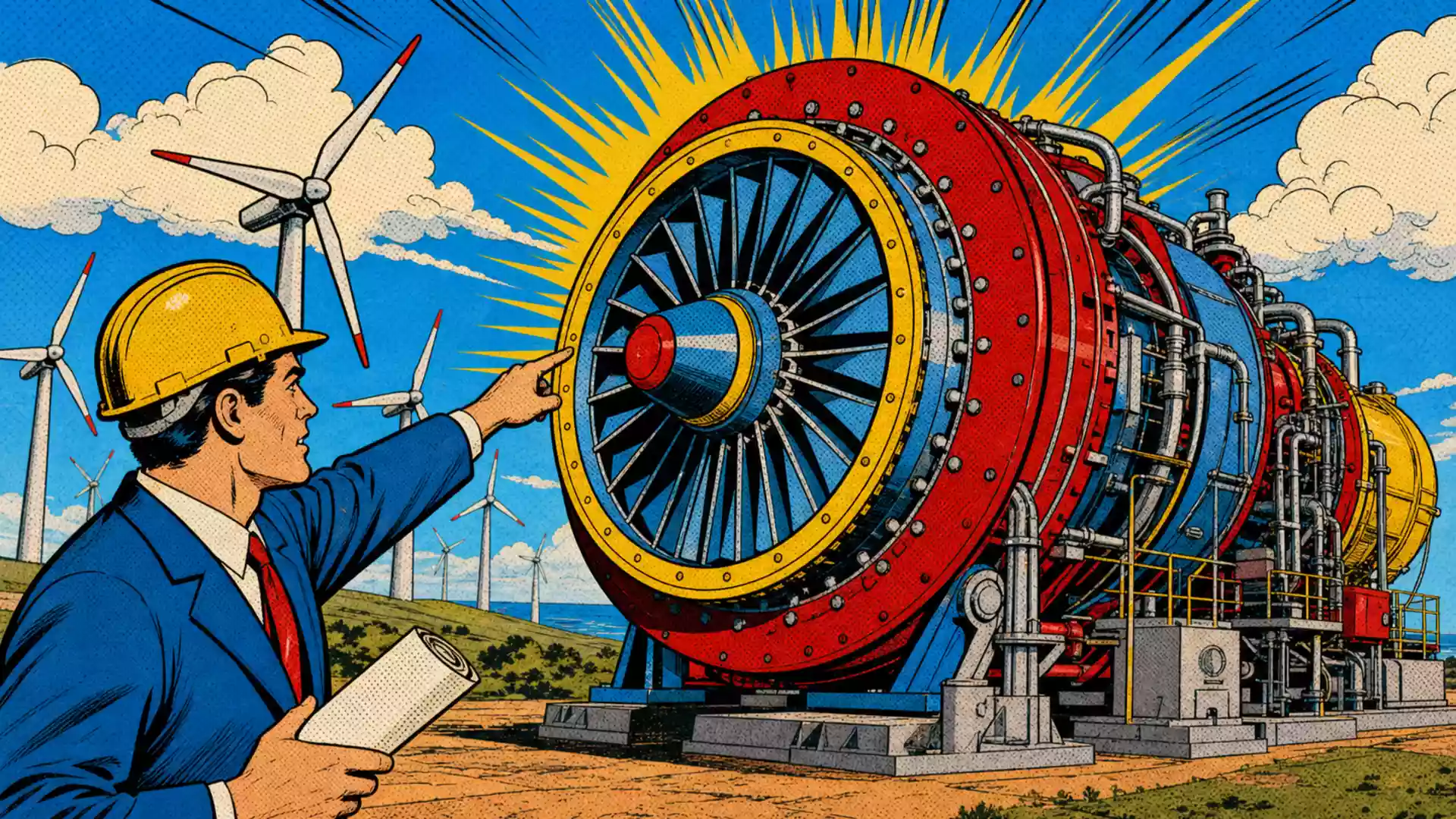
At the center of the strategic pivot sits Omterra, the newly christened industrial arm housing the group's steam turbine and hydrogen operations. Management is weighing multiple routes to market for the division, with options ranging from bringing in external investors to pursuing a standalone listing down the line. The logic, as CEO Christian Bruch has framed it, is straightforward: sharpen the focus on power generation and transmission, the businesses where the energy transition creates the most compelling growth runway.
Omterra is hardly a marginal player. In fiscal 2025, the unit generated €5.7 billion in revenue at an 11.3 percent margin, supported by a workforce of 17,000. Those figures give the carve-out real heft — and explain why the board's decision to pursue separation has drawn such close scrutiny from the investment community.
Buyback Completion Signals Financial Flexibility
Alongside the structural repositioning, the company has quietly closed the books on a €1 billion share repurchase program. Siemens Energy bought back roughly 6.4 million of its own shares at an average price of €154.63. The completion of that buyback carries its own message: even with the complexity of the Omterra separation ahead, management sees enough balance-sheet headroom to keep returning capital to shareholders.
That confidence, however, has yet to fully translate into sustained share-price momentum. The stock spent Thursday in recovery mode after an early slide, with the session's turbulence reflecting a confluence of factors that had little to do with the company's own execution.
Should investors sell immediately? Or is it worth buying Siemens Energy?
Musk Speculation and Macro Headwinds Collide
The immediate trigger for the dip was chatter that SpaceX is exploring in-house production of gas turbine components — a development that, if realized, would insert a formidable new name into the competitive landscape. Shares fell as low as €139.50 before clawing back ground. By the close of trading, the stock had recovered to €142.96, still roughly 6.5 percent below its 50-day moving average.
Analysts were quick to pour cold water on the SpaceX scare. Gas turbines account for only about a tenth of group revenue, they noted — hardly a concentration that turns a potential entrant into an existential threat overnight.
Macro forces compounded the anxiety. The yield on ten-year German Bunds climbed to a 15-year peak of 3.35 percent after Federal Reserve Chair Kevin Warsh hinted at the possibility of rate hikes. For capital-intensive industrial names like Siemens Energy, rising rates translate directly into more expensive project financing. Meanwhile, European gas prices added another layer of unease: TTF futures jumped to €71.70 per megawatt hour, their highest level since the Iran conflict, following attacks on tankers in the Strait of Hormuz and an extended supply halt from Qatar.
Wall Street Holds Its Ground
Despite the crosscurrents, the analyst community has largely maintained its constructive stance — even where price targets have drifted lower. RBC Capital Markets trimmed its target from €210 to €200 while reaffirming an Outperform rating. Jefferies followed suit, cutting from €215 to €210 but keeping its Buy recommendation intact. JPMorgan, which had already lowered its target in response to the Transformation of Industry restructuring, continues to back the stock with an Overweight rating and a €245 target.
The broader consensus remains firmly bullish: as of August, 15 analysts recommended buying the shares, with an average price target of €215.33 — a substantial premium to where the stock currently trades. That gap between analyst expectations and market pricing suggests the recent softness owes more to sentiment than to any deterioration in the underlying fundamentals.
The Road to November
What remains unresolved is the ultimate shape of the Omterra transaction. Whether Siemens Energy opts for strategic investors or pursues a full IPO is expected to become clearer in the coming months. The next significant milestone arrives on November 11, when the company releases its fiscal 2026 results and provides its customary fourth-quarter update.
Until then, the defining question for investors is whether the market's near-term caution — fueled by rate concerns, energy-price volatility, and speculative competitive threats — will give way to recognition of the longer-term story. With the stock up 21 percent on a 12-month basis despite Thursday's turbulence, the strategic direction has found considerable support. The challenge now is navigating the gap between where the shares trade and where Wall Street believes they belong.
Ad
Siemens Energy Stock: New Analysis - 3 September
Fresh Siemens Energy information released. What's the impact for investors? Our latest independent report examines recent figures and market trends.