Siemens Energy's €164 Billion Backlog Faces Its Real Test: Turning Orders Into Margin
Published on 11/17/2026 at 20:11 | Editorial boerse-global.de
Siemens Energy has spent the past year proving it can grow. The harder question, and the one that now sits at the centre of the investment case, is whether that growth can be converted into the profitability management has promised. Everything else — the record order book, the dividend proposal, the analyst upgrades — is secondary to that single arithmetic.
The company's fiscal 2026 figures, released on 11 November, set the baseline. Revenue hit a record €44.2 billion, with comparable growth of 15.5%. The margin before special items more than doubled to 12.4%. Those are the numbers that established the expansion; they say nothing yet about its quality.
Two Forecasts That Must Be Read Together
For fiscal 2027, Siemens Energy is guiding to comparable revenue growth of 14% to 16% and a margin before special items of 14% to 16%. The pairing matters more than either figure alone. A strong top line paired with a margin that misses the corridor would mean the operating story is weaker than advertised, and a margin hit on flat revenue would be worse still. Only both together validate the promise.
Further out, management is targeting a 20% to 22% margin by 2030. That long-range ambition is not a delivered result, but it does frame how investors should weigh the nearer guidance: the 2027 numbers are the first real evidence of whether the 2030 claim deserves credence.
Should investors sell immediately? Or is it worth buying Siemens Energy?
According to Reuters, the expected margin improvement rests in part on demand for gas turbines and grid equipment, with data-centre buildout playing a role.
Demand Is Not the Problem
The order book makes the bullish case easy to state. Siemens Energy reported order intake of €68.1 billion and a backlog of €164 billion at year-end — a record. In the closing quarter alone, comparable order intake rose 5.2% to €14.8 billion.
Size, though, is not the point. What matters for shareholders is how those orders translate into revenue and profit. Clear that conversion inside the guided margin corridor and the backlog becomes evidence of economically sound execution rather than merely a demand signal.
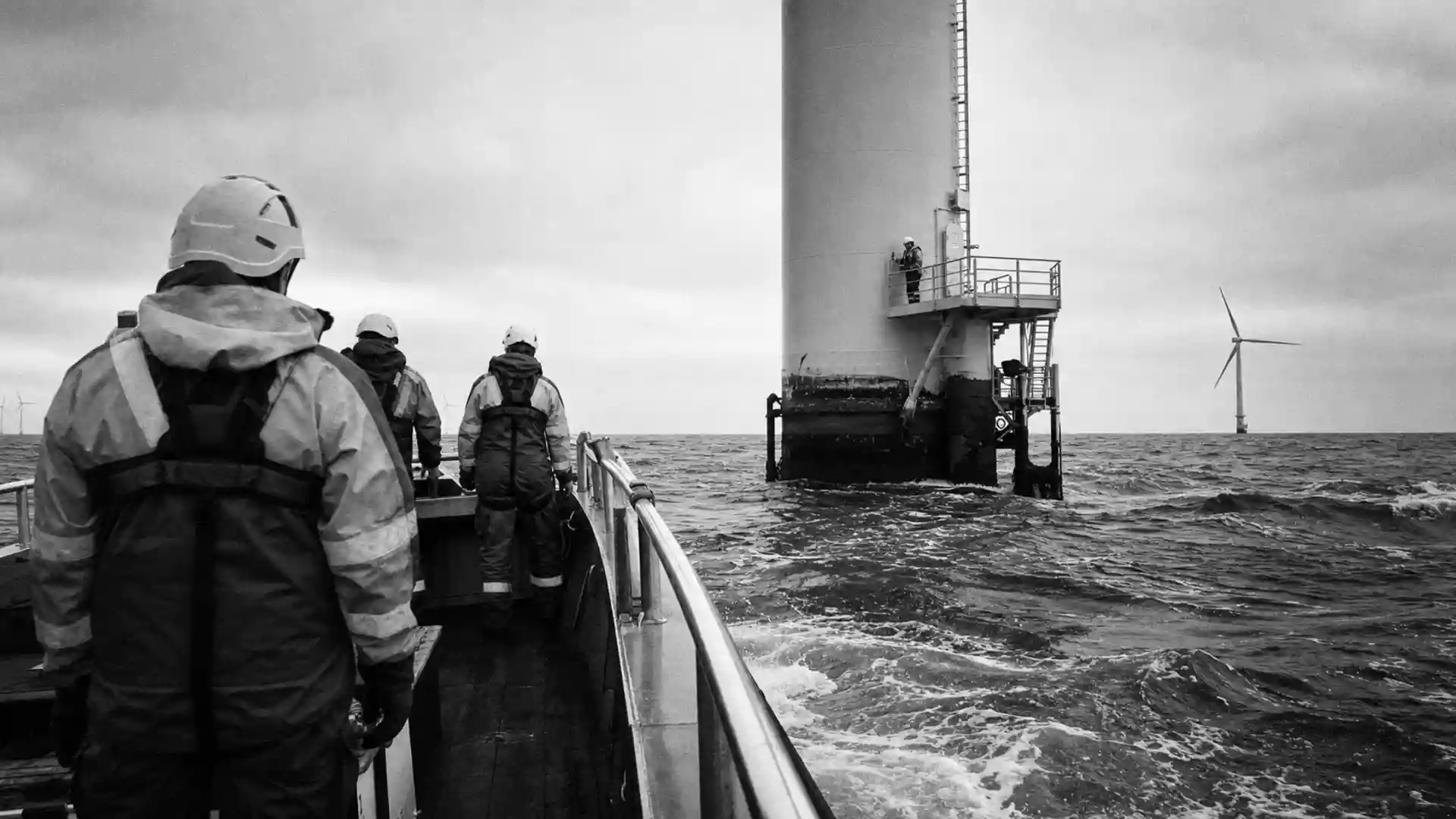
A further avenue could open in Scotland, where SSE selected Siemens Energy on 11 November as preferred supplier for wind turbines and offshore converter platforms at the Berwick Bank B project, planned at 1.4 GW. That selection is not yet a firm order: it remains contingent on SSE's final investment decision and the concluding award.
Profit and Cash as Extra Checks
Earnings expectations are demanding in their own right. After net profit of €4,129 million in fiscal 2026, Siemens Energy anticipates roughly €5 billion in the following year, alongside an expected free cash flow before special items of about €10 billion. Profit and cash flow serve as additional controls on the margin story; a convincing growth path should not show up in the backlog alone. Should earnings or cash generation fall short, the positive reading would need to be tempered — even if new projects keep improving the demand outlook.
A Payout, a Price Target and a Share-Sale Distraction
Shareholders also have a €2.30 per-share dividend proposal for fiscal 2026 to vote on at the annual general meeting. On the same day, JPMorgan lifted its price target to €250 from €245 while reiterating an "Overweight" rating. The stock was up 1.2% at €128.46, still well below that target.
Siemens Energy at a turning point? This analysis reveals what investors need to know now.
Against all this, the manager transactions published on 11 November carry little signal. Chief executive Christian Bruch and Vinod Philip sold shares on the Thursday under the company's share programme to cover tax and levy obligations. Such programme-bound sales say nothing about a changed view of the business, and they are no substitute for the operating assessment.
The Annual Report Is the Next Checkpoint
The risk worth watching is not a lack of demand — Siemens Energy can clearly point to that. It is execution against the company's own profit targets. If revenue grows as expected but the margin misses the corridor, the operating trajectory is weaker than guided.
The next concrete date is 10 December 2026, when the 2026 annual report is due. It will offer the next opportunity to scrutinise the business performance and the foundation of the forecasts. Until then, the decisive question remains unchanged: whether Siemens Energy can cash in its growth promises economically, not just commercially.
Ad
Siemens Energy Stock: New Analysis - 17 November
Fresh Siemens Energy information released. What's the impact for investors? Our latest independent report examines recent figures and market trends.