Siemens Energy's €164 Billion Backlog Deserves More Attention Than Its AI Tag
Published on 11/26/2026 at 08:53 | Editorial boerse-global.de
Siemens Energy shares are drawing attention for an uncomfortable reason: the stock keeps getting swept up in swings across global AI names, even though the company's core business is energy infrastructure. The shares fell 2.1% on Wednesday as turbulence hit AI stocks worldwide, then recovered 1.4% in pre-market trading on Thursday to €119.16.
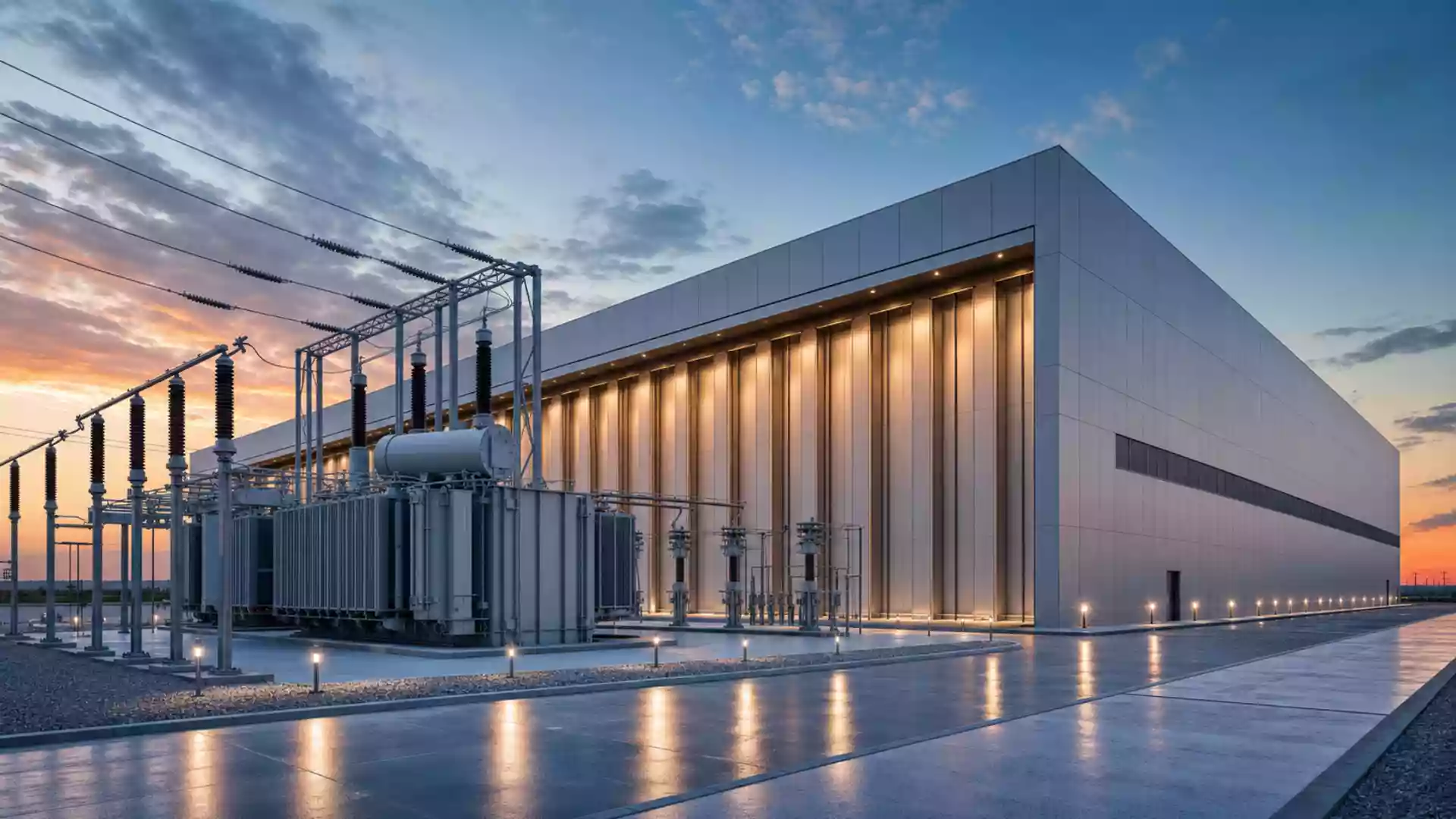
The classification has a logic to it. Siemens Energy supplies gas turbines and grid technology that help power data centers, and the dpa-AFX news agency counts the company among Germany's AI beneficiaries. In its shareholder letter, Siemens Energy itself acknowledged the flip side: when US AI companies come under pressure, its own stock has frequently been dragged down with them. Handelsblatt linked yesterday's decline to renewed selling in technology and AI stocks, along with shifting expectations for how much electricity AI data centers will actually need.
Yet the AI label says little about how much of an energy technology group's business can be captured by that tag. A case in point arrived on November 16, when Siemens Energy and partners demonstrated an industrial combined heat and power plant under the HyCoFlex research project. The facility generated electricity and process steam using nothing but renewable hydrogen. That project addresses a different energy question entirely — how to supply power and process heat to industry — and it is no yardstick for the commercial contribution of the project. It does show why the role of data center supplier describes part of the company's activities accurately, but not the whole of them.
The Numbers Behind the Hype
For the record fiscal year 2026, Siemens Energy reported an order backlog of €164 billion against revenue of €44.2 billion. That backlog is especially useful for sizing up the company: unlike the AI-beneficiary label, it quantifies business already booked. It cannot, however, be equated with the data center business.
Should investors sell immediately? Or is it worth buying Siemens Energy?
The margin before special items climbed to 12.4%, and free cash flow before taxes reached €8.8 billion. According to the company, it met or exceeded the guidance it had previously raised. So beyond orders and growth, the debate around Siemens Energy has a second, equally concrete dimension: what the group actually earns from its business and how much cash flows from it before tax.
Management's targets for fiscal 2027 put comparable revenue growth at 14% to 16%, with the same 14% to 16% range for the margin before special items. The identical span describes two different objectives — one concerns expansion of the business, the other its profitability — and judging the forecast requires looking at both. Profit after tax is projected at around €5 billion, with free cash flow before taxes of roughly €10 billion.
What Shareholders Are Getting
For fiscal 2026, Siemens Energy proposed a dividend of €2.30 per share. On November 11, the company also announced additional share buybacks of up to €9 billion, to be completed by the end of fiscal 2030.
Siemens Energy at a turning point? This analysis reveals what investors need to know now.
The Report to Watch
Siemens Energy publishes its 2026 annual report on December 10. Reading it, investors would do well to keep two questions apart: where does data center power demand offer a concrete business perspective, and what underpins the group's growth and profitability overall? The AI connection is tangible because Siemens Energy supplies equipment for data center power supply. As an explanation of what the company economically amounts to, it falls short. The order backlog, earnings power and the group's own targets are the more concrete measures.
Ad
Siemens Energy Stock: New Analysis - 26 November
Fresh Siemens Energy information released. What's the impact for investors? Our latest independent report examines recent figures and market trends.